
0 Introduction
The global energy system is currently undergoing a structural transformation driven by the objective of deep decarbonization, wherein the deployment of RES, particularly wind an d solar power, is accelerating at an unprecedented speed and scale. According to forecasts by the International Energy Agency, global renewable energy capacity is projected to increase by more than 5520 GW between 2024 and 2030. This represents 2.6 times the deployment level observed during 2017-2023, with photovoltaics (PV) and wind power anticipated to account for 95% of these capacity additions [1,2]. However, this rapid expansion, predominantly driven by Variable Renewable Energy (VRE), presents unprecedented challenges to the real-time balancing of power systems and the operation of electricity markets. An increasingly prominent manifestation of these challenges is the frequent occurrence of negative prices in electricity markets. Negative electricity prices-an unconventional pricing outcome where generators must pay to inject power into the grid-have transitioned from previously isolated incidents into a significant market signal that cannot be overlooked in the context of high VRE penetration.
This seemingly anomalous market signal is far from an isolated phenomenon, exhibiting a clear trend of increasing prevalence and intensity on a global scale. In Europe,data from Eurelectric indicates that the number of hours experiencing negative prices in at least one price zone climbed from 821 h in 2023 to more than 1031 h in 2024. Furthermore, this occurrence has progressively spread from the more volatile intra-day markets to dayahead markets [3,4]. The German market serves as a particularly notable example, where the number of dayahead negative price hours reached 457 in 2024, a significant increase from 301 h recorded in 2023. Similarly, in the Australian National Electricity Market (NEM), the frequency of negative price occurrences reached a historical record of 23.1% of trading intervals during the fourth quarter (Q4) of 2024. The proportion of negative price intervals was particularly striking in specific regions, such as South Australia at 38%and Victoria at 34.3%[5]. Likewise, the market operated by the California Independent System Operator (CAISO) in North America has been significantly affected. During the spring of 2024, both the frequency and magnitude of negative prices increased substantially compared to previous years,often coinciding with significant RES curtailment [6]. This extensive evidence, spanning different continents and diverse market designs, collectively indicates that negative electricity prices have emerged as a prevalent challenge for power market operations in the context of high VRE penetration.
The increasing prevalence of negative electricity prices,along with their complex underlying drivers, presents profound challenges for power system planning, operation,market design, and policy formulation, while simultaneously offering significant opportunities. These negative prices impact the viability and investment returns of conventional power sources and alter the competitive landscape on the generation side. However, the normalization of negative prices poses a systemic risk to the longterm sustainability of the power industry. It exacerbates the ‘‘cannibalization effect” of renewable energy, significantly reducing the market value of wind and solar assets and dampening future investment incentives. Furthermore,it undermines the revenue sufficiency of flexible thermal units required for system security, potentially necessitating new capacity mechanisms to ensure resource adequacy. Conversely, they provide a potential source of low-cost electricity for flexible loads such as energy storage, electric vehicle charging, and hydrogen production via electrolysis, thereby creating market drivers for business model innovation in these emerging technologies[7]. Accurately understanding the formation mechanisms of negative prices, comprehensively assessing their multidimensional impacts, and exploring effective mitigation strategies are paramount for ensuring the secure and reliable operation of the power system, promoting the sustainable development of renewable energy, and enhancing overall market efficiency. This issue holds particular relevance and urgency for countries like China, which are similarly undergoing a rapid energy structure transformation,possess a massive installed base of renew able energy capacity, and are actively advancing electricity market reforms. Effectively addressing the challenges posed by negative prices, by drawing upon international experience while adapting solutions to its specific national context,represents a critical step in ensuring the smooth progression of China’s energy transition.
Despite existing research on negative prices in specific regions, there is a lack of systematic comparative studies that bridge mature international markets and emerging markets like China [8,9]. This paper distinguishes itself by addressing the following gaps: (1) Unlike studies that treat negative prices purely as a dispatch issue, we classify drivers into structural, institutional, and technical dimensions to provide a multi-layer causal framework. (2) We uniquely analyze how international market-based mitigation strategies can be adapted to China’s specific context,where market forces coexist with rigid long-term contracts,offering tailored insights for transitional economies.
To achieve these objectives and bridge the identified gaps, this paper conducts a systematic comparative analysis of negative price phenomena in the Netherlands, Germany, Australia, and China (Shandong, Zhejiang).Specifically, this study endeavors to:
(1)Identify and analyze the key driving factors behind negative price occurrences and their interrelationships within different national market contexts;
(2)Evaluate the specific impacts of negative electricity prices on the behavior of market participants,system operating costs,and overall power system reliability;
(3)Systematically review, compare, and evaluate the mitigation strategies implemented in the studied markets, encompassing adjustments to market mechanisms, deployment of relevant technologies, and modifications to policy frameworks;
(4)Offer targeted and actionable policy recommendations and decision support for electricity market designers and policymakers.
1 Negative electricity prices in major inte rnational electricity markets
1.1 Overview of the global negative electricity price phenomenon and trends
In recent years, negative electricity prices have become an increasingly common phenomenon in major international electricity markets. Both the frequency of occurrence and the duration of these negative price events have exhibited a clear upward trend, correlating with the continuous increase in installed capacity of renewable energy sources such as wind and solar power.
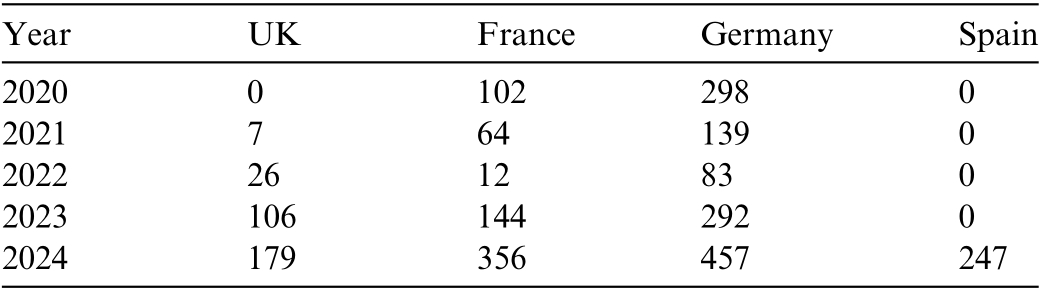
Europe is a region where this phenomenon is particularly pronounced. According to data from Eurelectric,EU zones experienced a cumulative 821 h of negative prices in 2023. These wer e concentrated in Germany and in Nordic and Western European countries such as the Netherlands, Norway, and Denmark [10]. This trend intensified in 2024, with several countries recording sharp increases in negative-price hours. Germany reached 457 h, representing a 60% year-on-year (YoY) increase.The United Kingdom (UK) recorded 179 h (a 70% YoY increase), and France saw its duration rise to 356 h (a 147% YoY increase). Spain experienced negative prices for the first time, accumulating a total annual duration of 247 h [11,12]. Further details are provided in Table 1 below.
Beyond Europe, negative prices are also frequent in Australia and California. In Q4 2024, negative prices accounted for 23.1% of trading inter vals in Australia’s National Electricity Market (NEM), a record high. Further details are provided in Table 2 below [13]. In California’s CAISO market, rapid PV growth has led to frequent negative prices, especially in spring. In bot h day-ahead and real-time markets, prices have repeatedly fallen below—$50 MWh [6,14].
1.2 Case study analysis of negative electricity prices in major international electricity markets
This section focuses on the Netherlands, Germany, and Australia, which were selected based on their distinct market characteristics repres enting different stages of the energy transition: Germany serves as a benchmark for amature continental system with high wind penetration;the Netherlands represents a highly interconnected system coping with rapid PV surges; and Australia offers a unique perspective as an isolated grid with world-leading distributed solar penetration. The objective is to uncover the underlyin g dynamics of the negative price phenomenon and to offer valuable international experiences and lessons learned for other electricity markets confronting similar challenges.
Table 1 Hours with negative electricity prices in typical European countries in recent years.
1.2.1 The Netherlands: negative electricity prices
(1) Characteristics and Manifestations of Negative Electricity Prices
As an integral part of the integrated European electricity market, the Netherlands is deeply involved in the European day-ahead and intraday market coupling mechanisms, while also maintaining a national-level balancing market. In recent years, driven by the rapid development of renewable energy sources , particularly solar photovoltaic generation, the phenomenon of negative prices has become increasingly frequent in the Dutch electricity market, including instances of extreme low-price events [15].
In 2023, the negative price problem in the Netherlands was quite severe, lasting for over 100 h throughout the year. One extreme event occurred on April 10, 2023.Between 13:00 and 14:00, the intraday market price fell to —€739.96 MWh, as shown in Fig. 1. Simultaneously,prices on the Amsterdam Power Exchange hit historical lows, and the weighted average price in the intraday market remained persistently negative during the 10:00-17:00 period. Concurrently, the Dutch price area on the Nord Pool exchange also experienced an exceptionally low price of —€475.24 MWh.
(2)Negative Electricity Prices in the Netherlands: Causes and Response Measures
The specific causes and response measures for negative electricity prices in the Netherlands are detailed in the Fig. 2.
1)Analysis of Caus es
The drivers of negative electricity prices in the Netherlands can be grouped into three dimensions—structural,institutional, and technical.
Structural reasons (dominant): Rapid growth in installed
PV has markedly increased variable renewable output.The combined share of wind and solar is projected to exceed 80% by 2030 and 90% by 2050, resulting in periodic supply surpluses.
Table 2 Frequency of negative prices and curtailment in Australia’s NEM in recent years.

Institutional reasons: Market rules permit negativeprices bids, and certain design features incentivize such bidding. Accordingly renewable generators and conventional thermal generators have adopted the following distinct approaches.
The Renewable Energy Grant Scheme (SDE+), introduced in 2016, provides a premium subsidy (initially€150 MWh), enabling renew able generators to remain profitable during brief intervals of negative prices [16].Some renewable generators exploit incentive misalignments in this scheme by bidding at negative prices to secure dispatch.
European electricity markets are typically decentralized and often lack mechanisms, such as cost compensation guarantees, for thermal units. Owing to technical and cost constraints, thermal units facing intense market competition and extre mely low prices may be compelled to submit negative bids to secure dispatch and avoid incurring even higher costs associated with shutting down and restarting.
Technical reasons: The steep evening ramping requirement creates an ‘‘inter-temporal coupling” effect. Intraday data indicate evening net-load ramp rates of about
2.3 GW/h. To meet this rapid surge in demand, conventional thermal units are technically constrained to remain online during the preceding afternoon solar surplus, as their start-up times prevent them from shutting down and restarting quickly enough. Consequently, to avoid de-commitment, these ‘‘must-run” units submit negative bids during the low-load afternoon hours to secure their dispatch status, thereby exacerbating the depth of negative prices during the period of renewable oversupply.
2) Response Measur es
The Netherlands is adopting integrated, multidimensional responses that adjust market mechanisms,stren gthen the market framework, and enhance system flexibility.
Introduction of a dynamic re-clearing mechanism: The Netherlands introduced a dynamic market-clearing step to support supply-demand balance and price stability.If the initial clearing price falls below a preset threshold(e.g., —€150 MWh) due to RES oversupply, an automatic second clearing adjusts bids/offers to allow price recovery and prevent excessive drops.
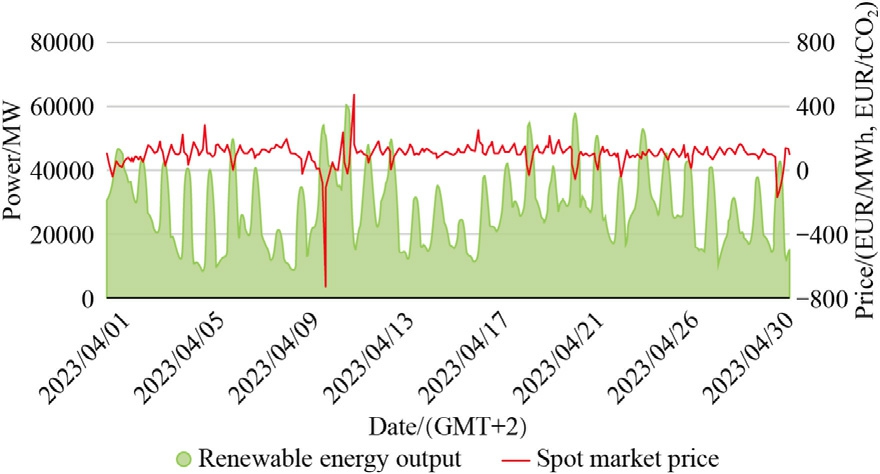
Fig.1. The trend of spot market prices in the Netherlands in April 2023.
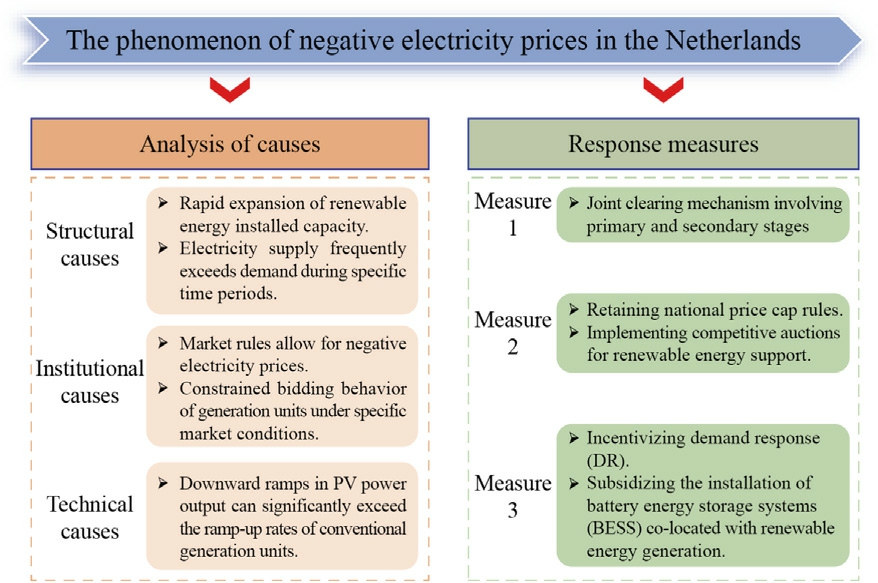
Fig. 2. Negative electricity prices in the Netherlands: Causes and response measures.
Strengthening the national market framework: While participating in the unified European market, the Netherlands retains national price-limit rules and operates its own intraday balancing market. This facilitates short-ter m supply-demand adjustments and provides flexibility for both conventional thermal and renewable units, helping to maintain stable market functioning.
Enhancing system flexibility: The Netherlands is reinforcing supply-demand balanci ng through a twopronged approach:
Demand-side response (DSR): The government encourages DSR, allowing consumers with dynamic contracts to receive financial compensation for their electricity consumption during negative price periods.
Energy storage support: Subsidies for batteries at PV parks enable surplus electricity generated during low/negative-price periods to be stored and later released when prices and demand are higher, improving spatiotemporal allocation.
1.2.2 Germany: negative electricity prices
(1) Characteristics and Manifestations of Negative Electricity Prices
Germany, a forerunner in the global energy transition,has massively expanded wind and solar capacity over recent decades and is tightly integrated into the European electricity market. In the wind-rich northern and co astal regions,strong winds often produce renewable output that exceeds local demand, creating regional oversupply and increasingly frequent negative-price episodes.
In recent years, the cumulative duration of negative prices in Germany has increased rapidly. Data show that after totaling 139 h in 2023, it rose to a record 4 57 h in 2024—an ≈229% year-on-year increase. Negative prices have therefore become an increasingly salient feature of Germany’s energy transition [17]. A representative event occurred on 2 July 2023. Between 11:00 and 14:00, strong winds in the north led to concentrated wind feed-in, triggering a two-round market re-clearing. In the first round,some bids fell to about —€30 MWh, activating an automatic adjustment mechanism. After the second round,the final settlement price in the affected area dropped further to approximately —€260.33 MWh,as shown in Fig. 3.
(3)Negative Electricity Prices in Germany: Causes and Response Measures
The specific causes and response measures for negative electricity prices in Germany are detailed in the Fig. 4.
1)Analysis of Caus es
The causes of negative prices in Germany can be analyzed along three dimensions—structural, institutional,and technical.
Structural reasons: Germany’s RES capacity has grown significantly, and the highly variable output from these units substantially impacts the electricity market. By end-2024, installed wind capacity exceeded 70 GW, with particularly high density in the northern coastal regions.During strong-wind episodes, wind output can surge rapidly,frequently creating supply-demand imbalances[18].
Institutional reasons: Institutional factors involve the insufficient response speed of domestic market adjustment mechanisms. Although the German electricity market has introduced multi-level clearing mechanisms capable of mitigating RES fluctuations to some extent,the market’s price adjustment response often lags when faced with instantaneous surges in power generation.To secure dispatch rights, RES units frequently resort to submitting extremely low or negative bids. While automatic system adjustments and secondary clearing provide a degree of buffering, they often cannot fully absorb all the surplus energy, ultimately resulting in local prices falling below zero.
Technical reason: Although Germany possesses a relatively well-developed system of cross-regional and cross-border grid interconnections, the existing transmission corridors - particularly those connecting the wind-rich northern areas with the southern load centers- often strug gle to fully accommodate the sudden surge in power flow during situations where extreme weather triggers instantaneous, large-scale, concentrated feed-in of RES generation [19]. This transmission bottleneck restricts the effective and rapid evacuation and redistribution of surplus power resources, leading to regional grid congestion and difficulties in absorbing the power locally.
2) Response Measur es
Germany is actively implementing a series of comprehensive response strategies covering market mechanism reform, infrastructure upgrades, and enhanced system flexibility.
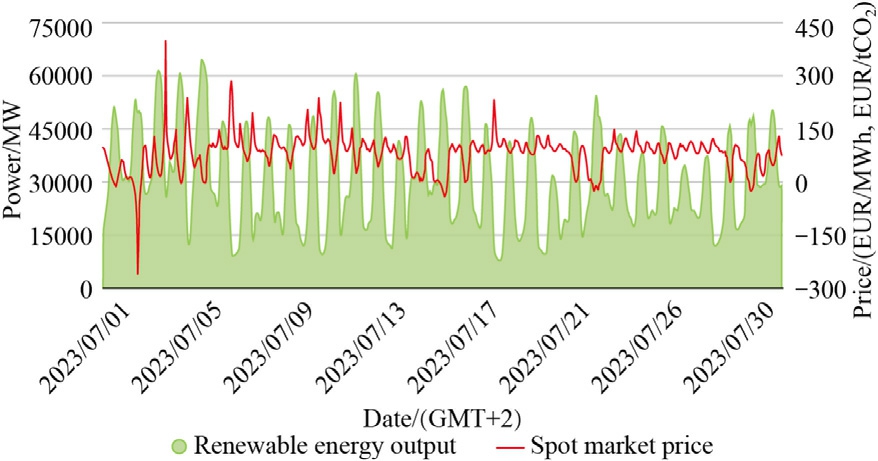
Fig. 3. The trend of spot market prices in the German in July 2023.
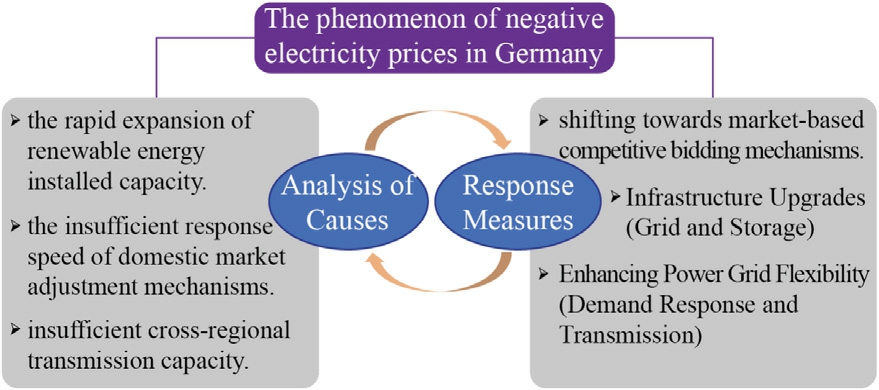
Fig. 4. Negative electricity prices in Germany: Causes and response measures.
Market Mechanism Reform: Germany mitigates volatility through a granular multi-level market design. A key mechanism is the high-liquidity ‘‘Continuous Intraday Market” featuring quarter-hourly (15-min) products.This design allows renewable generators to adjust their positions based on updated weather forecasts up to 5 min before physical delivery. By enabling the market to absorb forecast errors in near real-time, it significantly reduces the need for costly balancing energy.Furthermore, the shift from fixed Feed-in Tariffs to the ‘‘Market Premium Scheme” exposes renewable assets to price signals. Under rules such as the ‘‘Six-Hour Rule” (suspension of subsidies after 6 consecutive hours of negative prices), generators are financially incentivized to curtail output during oversupply, thereby actively suppressing the depth of negative prices.Furthermore, focusing on long-term system reliability and market integration amidst high RES penetration,Germany launched testing of a new capacity mechanism in early 2025. This initiative aims to provide stable revenue expectations while simultaneously guiding more effective market participation.
Infrastructure Upgrades (Grid and Storage): Germany is vigorously promoting smart grid modernization and the construction of energy storage facilities. Joint investments by the government and industry are directed towards building large-scale storage facilities, such as battery energy storage systems and pumped hydro storage plants. In 2024, nearly 600,000 new stationary battery storage systems were added in Germany,marking a 50% year-on-year (YoY) increase [18]. Pilot projects have demonstrated storage systems successfully absorbing over 300 MWh of surplus electricity during negative price periods and releasing it during peak demand times, significantly smoothing price volatility.
Enhancing Power Grid Flexibility (Demand Response and Transmission): Germany is promoting demand response(DSR) and interregional transmission. Industrial and large consumers are incentivized to increase consumption during low-price periods via flexible DSR programs, reducing peak-valley load gaps. In parallel,interregional trans mission projects are being accelerated to move surplus generation from RES-rich regions to load centers more quickly. Available data suggest that,following these reinforcements,negative-price durations in some affected regions fell by about 20%.
1.2.3 Australia: negative electricity prices
(1) Characteristics and Manifestations of Negative Electricity Prices
The Australian National Electricity Market (NEM),one of the world’s most renewable-heavy power markets,has in recent years experienced increasingly frequent negative prices, including notable extreme events [20].
A typical extreme negative price event in Australia occurred on September 1, 2024. On that day, influenced by a specific combination of surging PV generation output and low demand in South Australia, the electricity market price in that region plummeted to —A$374 MWh during the 13:00-14:00 period, setting a historical low record for the NEM.The impact of this event extended beyond South Australia; the total duration of negative prices across the entire NEM market reached 8.5 h on that day, affecting major regions including Victoria and New South Wales(NSW).
According to the IEA’s Electricity 2025 report, Australia’s frequency of negative prices over the same period exceeded that of major European market s, highlighting the challenges of maintaining stable market operations under high renewable-energy penetration [20]. Negativeprice outcomes by state are shown in the Fig. 5.
(2)Negative Electricity Prices in the Australia: Causes and Response Measures
The specific causes and response measures for negative electricity prices in the Australia are detailed in the Fig. 6 below.
1)Analysis of Caus es
The drivers of negative prices in Australia can be grouped into three dimensions—structural, institutional,and technical.
Structural reasons (dominant): In South Australia, PV penetration exceeded ~60% in 2024; midday PV output often reaches ~180% of regional load. During the 1 September 2024 event, PV rose from ~1.2 to ~2.8 GW in ~2 h while load was ~1.5 GW, precipitating a price collapse.
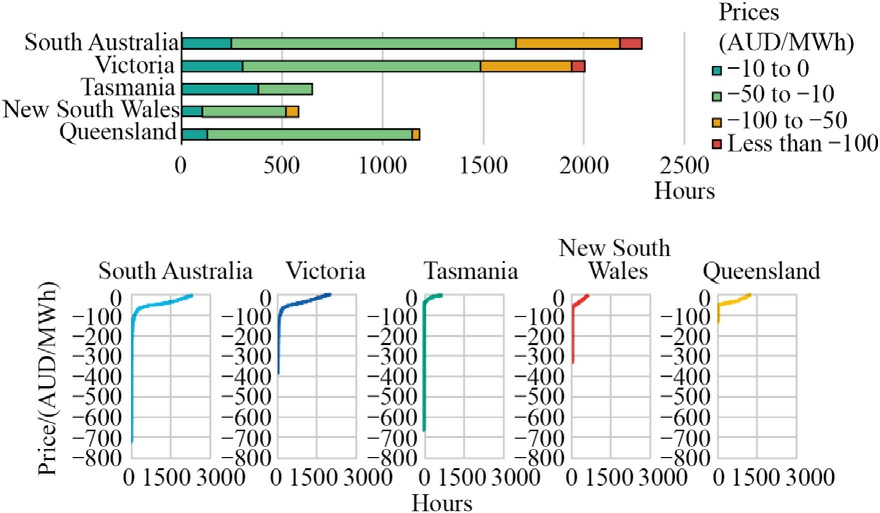
Fig. 5. Number of negative hourly electricity prices and their duration curves in NEM regions in Australia in 2024.
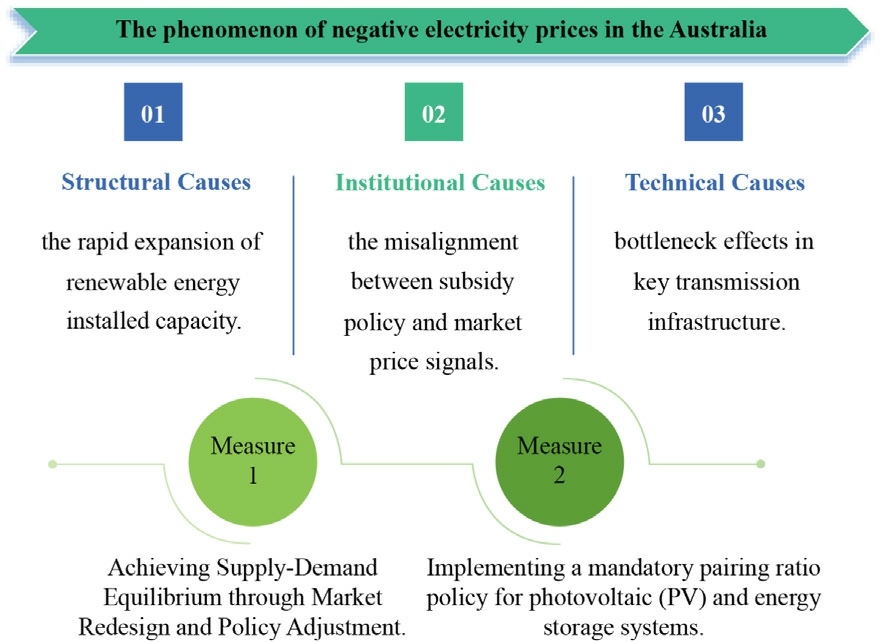
Fig. 6. Negative electricity prices in the Australia: Causes and response measures.
Institutional reasons: The Australian Federal Government’s Large-scale Renewable Energy Target (LRET)scheme provides significant revenue support to RES generators via its green certificate mechanism, valued at approximately A$35 MWh during relevant periods.This structure enables some RES generators to remain profitable even during negative price intervals by combining this support with the negative market price,thereby weakening the market’s self-regulatory capacity to some extent.
Technical reasons: The main transmission interconnector between South Australia (SA) and Victoria has a design capacity limited to only 650 MW. During periods of high RES feed-in, this interconnector frequently reaches its maximum transfer capacity. Taking the September 1, 2024 event as an example, the utilization rate of this inter-state transmission link reached 100%for three consecutive hours. This prevented the export of surplus electricity generated within South Australia,thereby significantly exacerbating the regional supplydemand imbalance.
2) Response Measur es
To mitigate renewable-driven volatility and negative prices, Australia is pursuing a two-pronged strategy:market-mechanism reform and policy adjustments.
Market Mechanism Restructuring and Policy Adjustments: Efforts are focused on achieving better supplydemand balance through changes to market rules and policies:
Dynamic Transmission Capacity (DTC): The government has introduced a DTC allocation mechanism. This stipulates that when the regiona l electricity price falls below —A$100 MWh, 15% of the reserved transmission capacity is automatically released, thereby helping to alleviate local supply-demand imbalances.
Large-scale Renewable Energy Target Revision: The Large-scale Renewable Energy Target (LRET) scheme has been revised to include a negative price subsidy decay clause. This clause specifies that if a RES project accumulates more than 200 h of negative price operation annually,the value derived from its green certificates will decrease by 0.5% for each additional hour beyond this threshold.
Mandatory Storage Integration and Demand-Side Incentives:
Mandatory Storage Ratio: Effective from 2025, new photovoltaic projects are required to install co-located energy storage systems equivalent to 30%of their installed capacity; otherwise, grid connection approval will be withheld.
Demand Response Program: A ‘‘Negative Price Consumption Reward Program” has been launched. This program encourages industrial users to increase their electricity consumption during negative price periods,offering a subsidy of A$50 for each additional MWh consumed. Since its implementation in 2024, the program has successfully attracted participation from mining companies for load shifting, achieving a maximum single-day load transfer of up to 230 MW.
1.2.4 Comparative analysis of responses to negative electricity prices in major international power markets
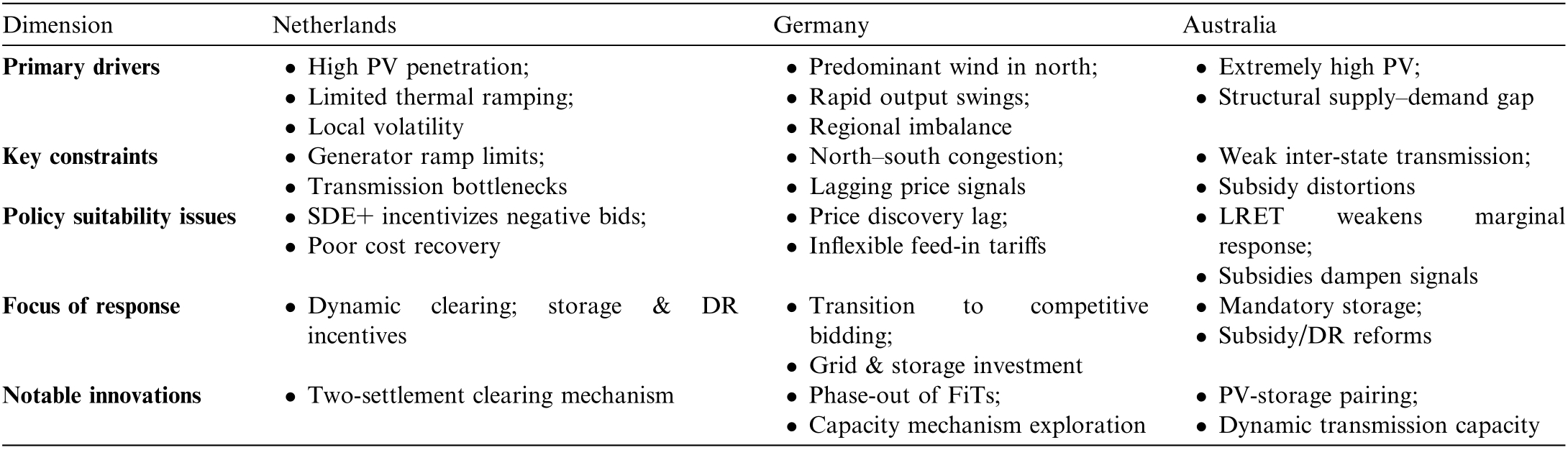
Based on the preceding in-depth analysis of the causes and mitigation strategies for negative price occurrences in major international power markets, this subsection systema tically outlines the key factors characterizing each market’s approach. These factors are comparatively presented in Table 3.
At the same time, to broaden the analytical perspective,it is instructive to contrast these strategies with the locational marginal pricing (LMP) model widely used in the United States (e.g., PJM, CAISO). Unlike the ‘‘Zonal Pricing” framework dominant in European and Chinese provincial markets—where negative prices typically signal a system-wide supply surplus—the US LMP mechanism often isolates negative prices to specific congested nodes.While the nodal model offers greater spatial granularity for alleviating local congestion, the zonal nature of China’s current pilots implies that negative prices are more indicative of generalized inflexibility. Therefore, while China can look to US-style ‘‘Virtual Bidding” mechanisms to bridge day-ahead and real-time spreads in the future,the immediate priority remains enhancing system-wide regulation capabilities, such as storage and inter-regional transmission, to mitigate the market-wide impact of negative price events.
Table 3 Comparison of various factors in the negative electricity price phenomenon across major international power markets.
2 Negative electricity prices in China’s power market:analys is, causes, and response strategies
The emergence of negative electricity prices in the Chinese electricity market occurred relatively later compared to major international counterparts. However, driven by the rapid expansion of renewable energy installed capacity and the continuous deepening of market-oriented reforms,instances of negative prices have become increasingly apparent in recent years.
Statistical data from the Beijing Power Exchange Center indicate that negative price events are primarily concentrated in provinces with substantial renewable energy generation capacity, such as Shandong and Zhejiang. Concurrently, other provinces, including Guangdong, Shanxi,and Gansu, have also frequently witnessed prices approaching zero during periods characterized by high renewable energy output coinciding with low load levels.These phenomena underscore that negative electricity prices have surfaced as a significant issue demanding urgent attention within the ongoing development of China’s power market.
To ensure a representative analysis of China’s diverse market landscapes, this paper specifically selects Shandong and Zhejiang as comparative case studies. These two provinces represent the dominant archetypes of China’s provincial power markets: Shandong serves as a typical‘‘source-end” market characterized by the country’s highest installed PV capacity, where negative prices are primarily driven by local renewable surplus.In contrast,Zhejiang represents a ‘‘receiving-end” coastal load center with a high dependency on external power transmission and nuclear power, where negative prices often stem from the inflexibility of imported power during low-load periods.
2.1 Characteristics and manifestations of negative electricity prices
Observing the provincial markets in China that have initiated spot market operations in recent years, the frequency of negative price events has steadily increased concurrent with the deepening participation of renewable energy sources in market-based trading. Typical events are as follows:
On May 1-2, 2023, influenced by the May Day holiday,Shandong experienced temporary electricity oversupply and limited opportunities for competitive bidding, which led to the first recorded instance of negative prices in its power market that year. During this event, renewable energy generators in Shandong predominantly submitted bids at the floor price (—¥80 MWh) and consequently became the price-setting marginal units. Negative prices of —¥80 MWh persisted for 16 consecutive hours in the day-ahead market and 21 consecutive hours in the realtime market, respectively [21,22].
In January-February 2025, driven by the combined effects of reduced load and high renewable energy generation, the Zhejiang electricity spot market encountered negative price events, with prices reaching the market floor limit of —¥200 MWh. Specifically, in January, negative prices occurred on 14 days, totaling 73 h, with a maximum single-day duration of approximately 12 h (on January 28).In February,negative prices were observed on 6 days,accumulating 17.5 h, with the longest single-day duration being around 7 h (on February 4), as illustrated in the Fig. 7 below [23].
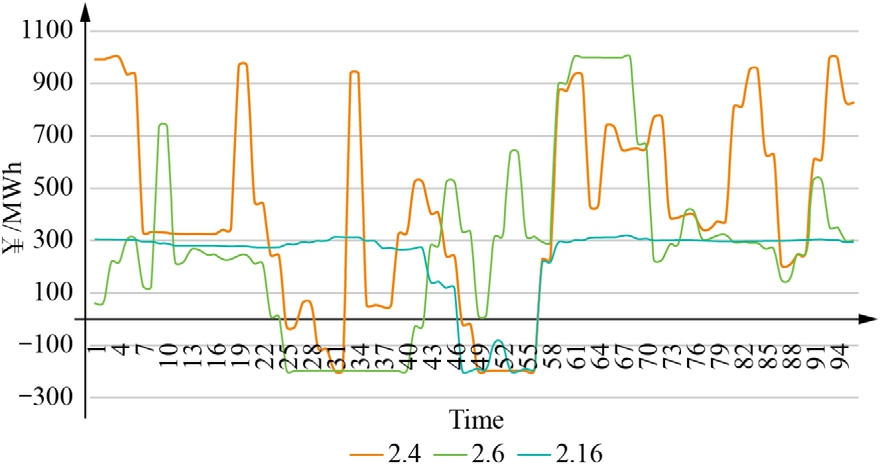
Fig. 7. Spot negative electricity price situation in Zhejiang Province,China in February 2025.
Next, focusing on the issue of negative electricity prices currently emerging in China’s power market, a detailed analysis will be conducted from the three dimensions of challenges faced, impacts, and response measures, as specifically shown in Fig. 8. The detailed analysis process is described in Section 2.2, Section 2.3, and Section 2.4.
2.2 Analysis of the causes of negative price electricity events
Taking the negative price events in Zhejiang during January 2025 as a case study, the occurrence of such events is linked to market supply-demand dynamics, market mechanisms including entity bidding strategies, and behaviors such as market manipulation and arbitrage. Specific contributing factors include:
First, temporary market supply-demand imbalances and insufficient system flexibility. Domestically and internationally, negative-price events cluster at midday and during holidays when renewable output is high and load is low. Around the 2025 Spring Festival, Zhejiang’s demand fell below 9000 MW (≈one-third of typical load)as many SMEs suspended operations, while favorable wind and solar conditions lifted renewable output to 25,360 MW (≈50% of the day’s peak). This culminated in a typical scenario of ‘‘high midday solar generation combined with a demand trough.” Compounded by thermal power units operating at minimum stable levels and limited system regulation capability, this situation led to the emergence of negative prices.
Second, market rules and entity bidding strategies acting as contributing drivers.
(1) Market rules: Spot markets domestically and abroad permit zero and negative prices to better reflect supply-demand conditions. Provinces such as Shandong and Zhejiang set a negative price floor to strengthen price signals.
(2) Entity Bidding Strategies: For renewable energy entities, overall revenue is often secured through out-ofmarket subsidy mechanisms and guaranteed purchase policies [24,25]. Consequently, their bidding strategy typically focuses on maximizing cleared volume. During periods of oversupply, they commonly bid at the market floor price to ensure dispatch,which tends to drive down spot market clearing prices. Furthermore, some coal-fired power units,seeking to avoid costly shutdowns during lowoutput phases, submit low bids to guarantee clearance. For instance, during the Shandong negative price event in 2022, 10 coal-fired units totaling 3.08 GW submitted bids of —¥0.08 MWh during their minimum output periods.
Third, high long-term contract coverage and market power enabling arbitrage [24,26]. Zhejiang mandates high levels of long-term contracting, leading some thermal generators to over-contract, with coverage ratios reportedly up to ~330% of expected generation. During the Spring Festival demand trough, spot prices fell well below the average thermal long-term contract price (¥412 MWh),creating a large spread and clear arbitrage opportunities.In addition, some thermal generators with wholesale market power maximized this spread by bidding at the floor price (—¥200 MWh), pushing spot prices lower and amplifying negative-price events. For example, on 27 January,one thermal company sold contracted volumes exceeding its actual generation at ¥412 MWh while purchasing the equivalent volume from the spot market at¥200 MWh—implying a gross margin of ¥612 MWh.
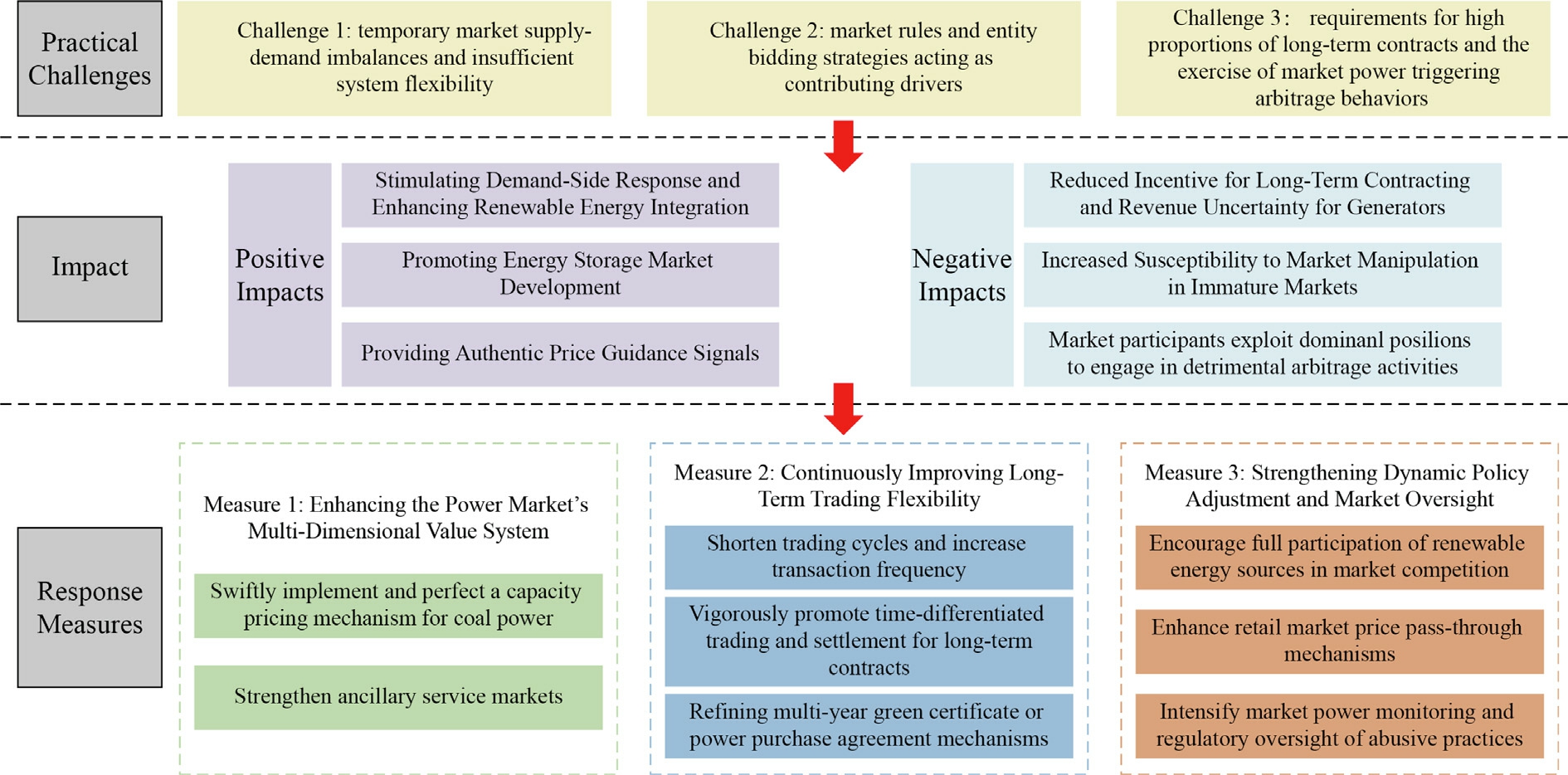
Fig. 8. Challenges, impacts, and response measures regarding the issue of negative electricity prices in China’s electricity market.
2.3 Impact Assessment of negative electricity prices
The occurrence of negative price events signifies robust competition within the electricity spot market. However,while accurately reflecting market supply-demand relationships, these events inevitably exert varying impacts on the costs and revenues of different market participants.
(1) Positive Impacts
1) Stimulating Demand-Side Response and Enhancing Renewable Energy Integration: Negative prices can incentivize users to adjust their electricity consumption behavior, thereby improving the integration level of renewable energy. As negative price periods often coincide with high renew able energy generation, the price signals attract demand-side entities to actively modify their consumption profiles, leading to higher utilization rates for renewable resources.
2) Promoting Energy Storage Market Development:Increased frequency of negative price events widens the peak-valley price spread in the spot market. This enhances the viability of energy storage operating under a ‘‘charge low, discharge high” strategy,expanding application scenarios and increasing profit margins. Consequently, it facilitates the development of stable operational business models for energy storage.
3) Providing Authentic Price Guidance Signals: Frequent negative prices highlight periods of supply-demand imbalance within the local power market.These signals can guide invest ments in flexible load resources and help effectively regulate the pace of local renewable energy deployment [7,10].
(2) Negative Impacts
1) Reduced Incentive for Long-Term Contracting and Revenue Uncertainty for Generators: Frequent negative price events can lower the price expectations of users, potentially leading to reduced volumes and lower prices in future long-term contracts. This dampens the willingness of the user side to engage in such contracts and creates revenue uncertainty for the generation side. Before ancillary service markets and capacity compensation mechanisms are fully developed, this can negatively affect the profitability and investment incentives for dispatchable power sources, such as coal-fired plants. Crucially,for renewable energy investors, the normalization
—of negative prices creates a structural ‘‘volumeprice” mismatch. Since negative prices are highly correlated with periods of abundant wind and solar output, renewable generators often face a situation where they generate high volumes but receive zero or negative revenue. This significantly reduces the actual realized price per unit of electricity sold, causing it to drift far below the average market baseload price. Consequently, even if the construction costs of wind and solar projects continue to decline,the deterioration of revenue streams increases the uncertainty of long-term returns. This makes it increasingly difficult for new projects to secure financing from banks based solely on spot market expectations, potentially slowing down the pace of the energy transition.
2)Increased Susceptibility to Market Manipulation in Immature Markets: In the context of currently underdeveloped market structures, prices are more susceptible to manipulation, potentially compromising fair and orderly market operation. Factors prevalent in some Chinese provinces—such as significant market power risks, substantial policy interventions like mandatory high quotas for long-term contracts, and inadequate market mechanisms to incentivize system flexibility—can lead to the formation of predictable price differentials. Market participants, including electricity retailers, may exploit dominant positions or informational advantages to engage in detrimental arbitrage activities, thereby disrupting market integrity and order [24,25]. To quantify this impact using real settlement data from the Zhejiang market (January 2025): The spot price floor was hit at —¥200 MWh, while the weighted average long-term contract price stood at¥412 MWh. Our empirical calculation shows that a thermal generator could lock in a risk-free arbitrage margin of ¥612 MWh per unit of energy by decoupling their financial contract position from physical generation.This creates a substantial wealth transfer estimated at millions of RMB during the Spring Festival period, quantitatively demonstrating how mechanism flaws distort market surplus distribution.
2.4 Insights from international experience for China’s strategies in addressing negative electricity prices
The practices of major international power markets offer valuable lessons for China. Synthesizing the analysis of causes and impacts presented in the previous sections,the core challenge for China’s market lies in the structural mismatch between high renewable volatility and the rigidities of the current dual-track market system. Specifically,the lack of effective price signals due to contract shielding and the insufficient compensation for flexibility resources are the primary bottlenecks. To address these issues, and drawing upon international experience, we propose the following three targeted strategies:
(1) Refining Market Mechanisms based on Pilot Experiences in Shanxi and Guangdong.
The operational experiences of China’s spot market pilots, particularly Shanxi and Guangdong, highlight a critical structural challenge: as negative prices become more frequent, the revenue model for traditional thermal generators is destabilized. To address this, China needs to implement specific market reforms in two key areas.
First, to ensure long-term revenue sufficiency, pilot regions should accelerate the transition from temporary capacity compensation to market-based capacity auctions.In provinces like Shanxi where spot prices fluctuate significantly, relying solely on energy market revenues is insuffi-cient to cover the fixed costs of flexible thermal units. A formal capacity market would provide stable payments for availability, ensuring system security despite the volatility of spot prices.
Second, to balance the trade-offbetween market arbitrage and contract stability, it is essential to promote time-differentiated long-term contracts. In the Guangdong market, the traditional approach of signing contracts with a constant power curve creates significant financial risk during negative price periods, as generators are often forced to buy back energy at a loss. By allowi ng contracts to have varying volumes across different time periods—specifically reducing volumes during predicted solar peaks and increasing them during high-demand hours—market participants can effectively manage their exposure to spot prices while maintaining a stable long-term revenue baseline.
(2) Continuously Improving Long-Term Trading Flexibility to Mitigate the Mismatch Betwe en Spot Market and Contract Risks.
China’s distinctive requirement for high proportions of long-term contracts can lead to significant issues when combined with load forecast inaccuracies or higher-thanexpected renewable output, especially amidst negative prices. As exemplified by the Zhejiang case, this scenario can trigger arbitrage behavior, particularly by thermal power generators exploiting the spread between contract and spot prices, which distorts price signals and elevates market ris k. In contrast, the European Union’s electricity market, featuring highly integrated platforms, supports continuous trading across various timeframes (from multi-year down to intraday). This allows participants to flexibly adjust their positions based on current information, effectively hedge risks, and foster convergence between long-term and spot prices. This comparison reveals a critical policy implication for China: the effectiveness of international mitigation strategies is heavily constrained by the unique market structure. In mature markets like Europe, negative spot prices immediately discourage generation. However, in China, the dominance of rigid medium-to-long-term contracts creates a barrier to market signals. Generators with high contract coverage are insulated from spot volatility and often choose to keep generating during negative price periods to fulfill physical delivery obligations or to pr ofit from the spread between high contract prices and low spot prices.Therefore,simply introducing flexible clearing mechanisms without reforming the rigid contract framework would be ineffective.The priority for policy decisions must be to accelerate the transition of contracts from physical delivery to financial settlement,thereby allowing spot price signals to effectively guide real-time dispatch behavior.
Implication for China: It is imperative to steer longterm trading towards greater flexibility, continuity, and time-granularity.
1)Shorten trading cycles and increase transaction frequency. Aim for continuous ‘‘market openings” for long-term contracts on daily or even shorter intervals to provide participants more opportunities to adjust their energy profiles and manage risks.
2)Vigorously promote time-differentiated trading and settlement for long-term contracts. This would enable long-term prices to more accurately reflect future time-specific supply-demand expectations,thereby reducing the disruptive impact of spot price volatility on contract fulfillment, shrinking unwarranted arbitrage margins, and guiding participants away from mere ‘‘price-spread speculation” towards comprehensive ‘‘risk management.”.
3)Refining multi-year green certificate or power purchase agreement mechanisms can also assi st renewable energy projects in securing long-term revenue streams and stabilizing market expectations.
(3)Strengthening Dynamic Policy Adjustment and Market Overs ight to Uphold Market Fairness and Efficiency.
The occurrence and intensification of negative prices in China are also linked to existing policies (like out-ofmarket subsidies and mandatory long-term contracting ratios) and inadequacies in market oversight, creating vulnerabilities to manipulation by entities possessing market power. Australian practices offer relevant examples,including mitigating physical constraints via Dynamic Transmission Capacity allocation and, crucially, dynamically adjusting renewable support policies (e.g., LRET’s negative price subsidy abatement rules) based on market conditions, alongside implementing mandatory ‘‘solar +storage” pairing strategies to guide investment and behavior [27-29].
Implication for China: Policy formulation and market rules must evolve in alignment with the market’s developmental stage and incorporate mechanisms for dynamic optimization.
1) Implement ‘‘Conditional Support Mechanisms” to balance renewable promotion and market stability.Drawing on the successful experience of Australia’s LRET revision and Germany’s Market Premium model, China should transition from fixed feed-in tariffs to ‘‘Sliding Premiums” or ‘‘Contracts for Difference (CfD) with negative-price stop-loss rules.”The core logic is to maintain subsidy support during normal operating hours to guarantee long-term investment returns, while automatically suspending support when spot prices turn negative.This mechanism removes the incentive for renewable generators to pay to generate just to secure subsidies, thereby restoring the effectiveness of price signals without undermining the industry’s bankability.
2) Enhance retail market price pass-through mechanisms to ensure end-users can perceive and respond to wholesale price signals. While maintaining market stability, prudently adjust mandatory long-term contracting requirements to minimize policy-induced distortions in market clearing outcomes [30-32].
3) Intensify market power monitoring and regulatory oversight of abusive practices. Impose strict penalties for actions such as malicious bidding and market manipulation. Concurrently, regularly evaluat e and adjust spot market price limits based on operational realities to maintain the effectiveness of price signals.
3 Conc lusion
The increasing frequency of negative price phenomena worldwide not only mirrors the objective reality of electricity supply-demand imbalances driven by high renewable energy penetration but also underscores the limitations of current market mechanisms, institutional frameworks,and technical control methods in navigating the challenges of the ongoing energy transition.
International case studies indicate that the emergence of negative prices stems from a combination of structural factors, primarily the rapid expansion of renewable energy capacity, intertwined with institutional and technical constraints related to market rules, participant bidding strategies, and inter-regional trans mission capabilities.Through the implementation of diverse measures—such as dynamic clearing mechanisms, smart grid enhancements, deployment of energy storage facilities, and demand response initiatives—various countries have successfully mitigated price volatility risks under extreme market conditions,offering valuabl e lessons for maintaining stable energy system operation.
For China, addressing the progressively apparent issue of negative prices against the backdrop of rapid renewable energy development necessitates building upon international best practices. This involves further refining market-based trading mechanisms, enhancing power system flexibility, and strengthening the adaptive capacity of policies and regulations.Ultimately,the objective is to construct a more efficient,equitable,and stable electricity market system capable of supporting the nation’s energy goals.
CRediT authorship contribution statement
Qingkai Sun: Writing - review & editing, Project administration, Methodology, Data curation, Conceptualization. Haifeng Zheng: Data curation, Conceptualization.Zheng Zhao: Writing - review & editing, Writing - original draft, Conceptualization. Menghua Fan: Data cu ration,Conceptualization. Xiaojun Wang: Writing - review &editing, Writing - original draft. Yiru Shi: Writing - original draft, Formal analysis, Conceptualization.
Declaration of competing interest
The authors declare the following financial interests/personal relationships which may be considered as potential competing interests: Qingkai Sun reports financial support was provided by State Grid Energy Research Institute Co., Ltd. If there are other authors ,they declare that they have no known competing financial interests or personal relationships that could have appeared to influence the work reported in this paper.
Acknowledgments
Thanks for the funding support of the State Grid Corporation of China (SGCC) Science and Technology Project ‘‘ id="generateCatalog_12" style="font-size: 1em; text-align: justify; text-indent: 0em; line-height: 1.8em; margin: 0.5em 0em;">References
[1]International Energy Agency (IEA), Renewables 2024: Analysis and forecast to 2030,Paris:IEA,2024.[Online].Available:https://www.iea.org/reports/renewables-2024/electricity.
[2]International Energy Agency (IEA), Renewables 2024: Executive summary, Paris: IEA, 2024. [Online]. Available: https://www.iea.org/reports/renewables-2024/executive-summary.
[3]B. Publicover, Europe posts record negative power prices for 2024 as renewables rise, PV Magazine, Jan. 21, 2025. [Online].Available:https://www.pv-magazine.com/2025/01/21/europe-posts-recordnegative-power-prices-for-2024-as-renewables-rise/.
[4]Eurelectric, Understanding ultra-low and negative power prices:causes, impacts and improvements,Eurelectric Report,Nov.2024.[Online]. Available: https://www.eurelectric.org/wp-content/uploads/2024/11/Eurelectric-explainer-on-negative-prices.pdf.
[5]F. Csereklyei, S. Qu, T. Ancev, The effect of wind and solar power generation on wholesale electricity prices in Australia, Energy Policy 131 (2019) 358-369.
[6]REsurety, Negative Prices in CAISO: What PPA buyers and renewable developers need to know, REsurety Insights, Apr. 15,2025. [Online]. Available: https://resurety.com/article-negativeprices-in-caiso/.
[7]M.G.Pollitt,N.-H.-M.vonder Fehr,B.Willems,Recommendations for a future proof electricity market design in Europe in light of the 2021-23 energy crisis, Energy Policy 188(2024)114115.
[8]L. Cheng, F. Yu, P. Huang, G. Liu, M. Zhang, R. Sun, Gametheoretic evolution in renewable energy systems: advancing sustainable energy management and decision optimization in decentralized power markets, Renew. Sustain. Energy, Rev. 217(2025) 115776.
[9]L. Cheng, M. Li, C. Tan, P. Huang, M. Zhang, R. Sun,Computational game-theoretic models for adaptive urban energy systems: a comprehensive review of algorithms, strategies, and engineering applications, Arch. Comput. Meth. Eng. (2025) 178.
[10]A. Liebensteiner, High electricity prices despite the expansion of renewable energies, Energy Policy 195 (2025) 113170.
[11]G. Lo´pez Prol, K.W. Steininger, D. Zilberman, The cannibalization effect of wind and solar in the Iberian electricity market, Energy Econ. 85 (2020) 104532.
[12]R. Stiewe, H. Xu, R. Eicke, Cross border cannibalization in European power markets, Energy Econ. 129 (2025) 107168.
[13]Australian Energy Market Operator (AEMO), Quarterly Energy Dynamics Q4 2024, AEMO, Melbourne, Australia, Jan. 2025.[Online]. Available: https://www.aemo.com.au/energy-systems/major-publications/quarterly-energy-dynamics-qed.
[14]K. Maciejowska, Assessing the impact of renewable energy sources on the electricity price level and variability - a quantile regression approach, Energy Econ. 85 (2020) 104532.
[15]J. Cludius, H. Hermann, F.C. Matthes, The merit order effect of wind and photovoltaic electricity generation in Germany 2008-2016: estimation and distributional implications, Energy Econ. 44(2014) 302-313.
[16]F. Paraschiv, D. Erni, R. Pietsch, The impact of renewable energies on EEX day ahead electricity prices, Energy Policy 73 (2014) 196-210.
[17]S. Enkhardt, Germany records 457 hours of negative electricity prices in 2024, PV Magazine, Jan. 6, 2025. [Online]. Available:https://www.pv-magazine.com/2025/01/06/germany-records-457-hours-of-negative-electricity-prices-in-2024/.
[18]M. Rinio, L. Kotzur, P. Stenzel, Intelligent charging of electric vehicles as a flexibility option to decrease negative residual loads and curtailment of renewable energy sources in Germany, Appl.Energy 353 (Part B) (2024) 122139.
[19]M. Titz, T. Pu¨tz, D. Witthaut, Identifying drivers and mitigators for congestion management costs in the German electricity system,Appl. Energy 370 (2024) 122573.
[20]N. Saini, World-leader in negative prices: Australia urged to turn renewable energy challenge into opportunity, Energy Storage News, Mar. 19, 2025. [Online]. Available: https://www.energystorage.news/world-leader-in-negative-prices-australia-urged-toturn-renewable-energy-challenge-into-opportunity/.
[21]A. Biancardi, C. Mendes, I. Staffell, Battery electricity storage as both a complement and substitute for cross border interconnection,Energy Policy 189 (2024) 113662.
[22]Asia Pacific Foundation of Canada, Eastern China’s Shandong sets record for ’negative’ electricity price, highlighting challenges in energy transition, Canada-Asia Sustainability Tracker (CAST),Jun. 13, 2023. [Online]. Available: https://cast.asiapacific.ca/map/event/3317.
[23]T.V. Do, A.J. Wood, L. Li, European electricity market prices under crisis: impacts of supply reductions and policy interventions,Energy Econ. 125 (2024) 106906.
[24]A. Sendstad, Will China’s new renewable energy pricing speed up coal’s exit? Eco-Business, Mar. 13, 2025. [Online]. Available:https://www.eco-business.com/news/will-chinas-new-renewableenergy-pricing-speed-up-coals-exit/.
[25]C. Cabot, M. Villavicencio, N. Maı¨ zi, The demand side flexibility in liberalised power markets: a review of current market design and objectives, Renew. Sustain. Energy Rev. 201 (2024) 114643.
[26]International Monetary Fund (IMF), Market Reforms in China’s Power Sector, IMF Staff Country Report No.2023/081,pp.55-62,Feb. 2023. [Online]. Available: https://www.elibrary.imf.org/view/journals/002/2023/081/article-A004-en.xml.
[27]M.J. Colloff et al., Review and assessment of decarbonized future electricity markets, Energies 1718 (2024) 4752.
[28]I. Kozlova, M. Overland, Combining capacity mechanisms and renewable electricity support: a review, Renew. Sustain. Energy Rev. 165 (2022) 112605.
[29]I. Kozlova, H. Huhta, A. Lohrman n, The interface between support schemes for renewable electricity and capacity mechanisms in Europe, Energy Policy 179 (2023) 113295.
[30]A. Schledorn, S. Charousset-Brignol, R.G. Junker, Frigg 2.0:Integrating price-based demand response into large-scale energy system analysis, Appl. Energy 364 (2024) 122960.
[31]W. Bernal Heredia, K. Chaudhari, A. Meintz,Evaluation of smart charging for electric vehicle to building integration: a case study,Appl. Energy 266 (2020) 114803.
[32]R. Kakkar, S. Agrawal, S. Tanwar, A systematic survey on demand response management schemes for electric vehicles, Renew.Sustain. Energy, Rev. 203 (2024) 114748.
Received 9 September 2025; re删vis除ed 7 Decembe r 2025; accepted 30 December 2025
Peer review under the responsibility of Global Energy Interconnection Group Co. Ltd.
* Corresp onding author
.
E-mail addresses: sunqingkai_123@163.com (Q. Sun), zhenghaifeng@sgeri.sgcc.com.cn (H. Zheng), zhaozheng@sgeri.sgcc.com.cn (Z. Zhao),fanmenghua@sgeri.sgcc.com.cn (M. Fan), xjwang1@bjtu.edu.cn (X. Wang), shiyiru0114@163.com (Y. Shi).
https://doi.org/10.1016/j.gloei.2025.12.004
2096-5117/© 2025 Global Energy Interconnection Group Co. Ltd. Publishing services by Elsevier B.V. on behalf of KeAi Communications Co. Ltd.This is an open access article under the CC BY-NC-ND license(http://creativecommons.org/licenses/by-nc-nd/4.0/).

Qingkai Sun Hereceived a Ph.D. degree in electrical engineering from Beijing Jiaotong University, China, in 2023. He is currently an Intermediate Researcher at the State Grid Energy Research Institute Co., Ltd., Beijing,China. His research interests include energy policy, the power market, the carbon market,and game theory.