
0 Intr oduction
1) Context and Motiv ation
With the expansion of rail networks worldwide, rail systems have become increasingly energy-intensive [1]. This situation requires a strong reduction in electricity consumption, operating costs, and CO2 emissions [2].In recent years, the integration of renewable energy sources,particularly solar photovoltaic (PV), into railway substations has gained increasing attention due to their costeffectiveness and environmental benefits [3]. However,both traction loads and renewable generation exhibit significant stochastic variability: traction demand fluctuates sharply over time, while PV output depends on un certain climatic conditions [4]. To mitigate these effects, storage elements are typically deployed to balance supply–demand mismatches and enhance grid stability [5–7]. Unlike conventional microgrids, Hybrid Traction Substations face unique operational challenges. Traction substations experience highly dynamic and non-linear load profiles, bidirectional power flows, and are often subject to strict grid code constraints, such as the prohibition of energy injection into the grid and limited recovery of regenerative braking energy [8,9]. To address this, ultra-capacitors are employed to ab sorb and store regenerative braking energy[10]. While the integration of renewable energy and storage elements, as well as the harnessing of braking energy, offer significant advantages, it is necessary and essential to have appropriate sizing and energy management to optimize costs and overcome the technical constraints present on the various rail networks the example of Morocco’s rail network.
2) Literature review
Several studies have investigated energy management strategies for railway substations and related systems.For example, [11] proposed voltage regulation strategies toreduce energy consumption in urban rail systems,while[12] integrated ultra-capacitors and static power conditioners to enhance substation performance. Othe r works have focused on train scheduling [13], stochastic programming for renewable integration [14], or heuristic methods such asPSO for minimizing power losses [15]. Two-level optimization strategies have also been applied to manage energy flows between trains and substations [16–18]. In[19], Bozorg and Ahmadi examined robust optimization approaches to address uncertainties in energy prices and traction substation demand. The operating costs and pollution levels of an intelligent railway substation were reduced in[20] by establishing an energy management center supplied by regenerative braking energy. A fuzzy logic optimization method was developed in [21,22]. in a feasibility analysis, Park and Salkuti [23] optimized operating costs by proposing an energy management system composed of photovoltaic sources, batteries, and ultracapacitors, employing va rious probability distribution functions toaccount for uncertainties in PV generation.
Similarly, [24] proposed a new co-phased substation scheme, where robust optimization was adopted to manage energy flows while considering the uncertainties of photovoltaic generation and traction load. Reference [25]introduced a heuristic mixed-integer linear programming approach for the en ergy management of HTS.In addition,[26] presented a railway system model using clustering algorithms for the stochastic optimization of energy management in AC railway systems. This study focused on scenario reduction to evaluate the interactions between the railway network and the energy management system,while also accounting for train occupancy by passengers.
3) Main contribution and paper organization
To address these gaps, this paper proposes a novel stochastic multi-objective optimization framework for the sizing and energy management of HTS powered by PVand batteries, with application to the Moroccan railwa y netw ork. The main contributions are as follows:
HTS-specific modelling: Explicit differentiation from conventional microgrids, with incorporation of Moroccan grid code constraints (no injection, no braking recovery).
Scenario-based solar uncertainty modelling: use of historical irradiance data and k-means clustering to generate representative scenari os, enabling efficient computation and robust sizing under renewable intermittency.
Multi-objective optimization: Formulation of a cost–renewable utilization trade-off solved using MOPSO, with benchmark comparison against NSGA-II and MOBO.
Case study validation: Application to the Asilah substation, using seasonal load and irradiance profiles to demonstrate generalizability and practical feasibility.
Sensitivity analysis: Evaluation of the influence of key economic and operational parameters—such as battery cost, PV cost, and SOC bounds on optimal sizing and system performance, demonstrating the robustness of the proposed methodology.
Trade-off analysis: Inclusion of Pareto front results to highlight compromises between investment cost, operating cost, and electricity bill paid.
The remainder of the paper is organized as follows.Section 1 introduces the architecture of the hybrid traction substation and provides a detai led description of its parametric components. Section 2 presents the formulation of the first objective function, namely the investment cost of the PV and battery systems, while Section 3 describes the second objective function, corresponding to the electricity bill paid to the utility grid. Section 4 details the proposed optimization framework based on the MOPSO algorithm and its benchmarking with alternative methods. Section 5 defines the simulation parameters, and Section 6 discusses the results, including sensitivity analysis and Pareto tradeoffs. Finally, Section 7 concludes the paper and outlines futur e research perspectives.
1 System descriptio n
1.1 Hybrid traction substation description
In order to optimize energy management in a railway substation, a traction substation operating on a 3000Vdc network is studied. In this context,a photovoltaic installation and a storage system consisting of Lead Acid (LA)batteries are considered.
Fig. 1 shows a block diagram of the hybrid traction substation unde r study, including all the components involved:
I) The system integrates conventional high-voltage network power sources with an additional photovoltaic renewable energy source.
II) Train modeling (instantaneous con sumption).
III) Storage elements including batteries.
IV) Network topology, substation control, a nd catenary configuration.
An Energy Management System (EMS) is implemented to regulate energy flows and optimize HTS operations.The EMS processes input data such as historical and realtime electricity demand, weather conditions, instantaneous inverter and battery states, and other relevant parameters.This data is stored in the EMS database for further analysis and is used to determine and control the quantities of energy exchanged among the different subsystems. The study is carried out on a traction substation supplying a section that operates electrically independently from adjacent sections.
In this paper, the proposed energy management model aims to minimize the total daily electricity consumption cost of the hybrid traction substation, while simultaneously reducing the investment cost associated with the integration of PV and energy storage systems (ESS). The proposed model is based on the simultaneous optimization of two objective functions:
The first objective function evaluates the discounted investment cost of the PV and ESS systems. Its purpose is to determine the optimal installed power and storage capacity for these components.
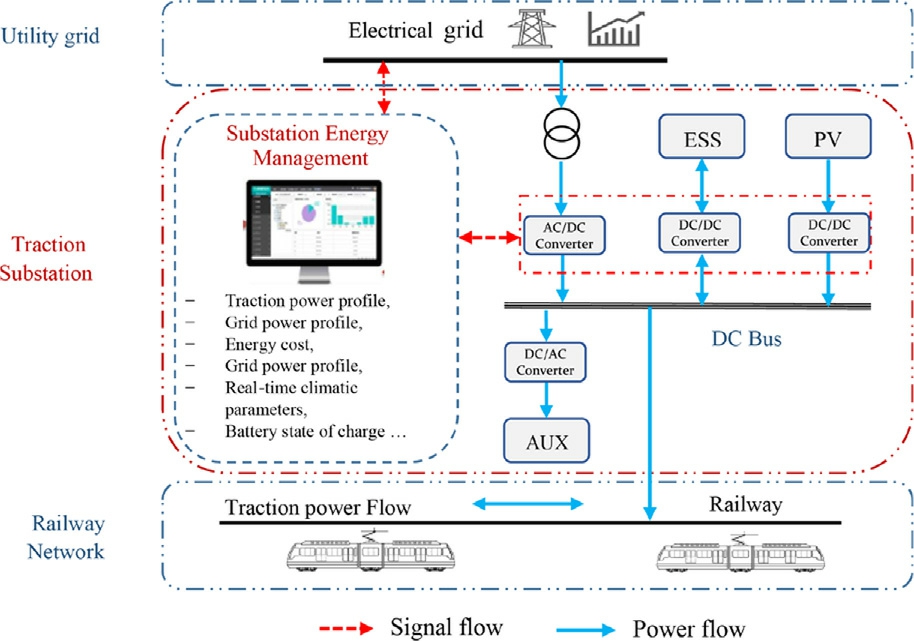
Fig. 1. System voltage and harmonic contents.
The second objective function represents the costof electricity purchased from the national grid, which also serves as a balancing factor for the first function by regulating the trade-offbetween investment and operational expenditures.
These objective functions consider several parameters,including climatic conditions, sizing constraints, PV and ESS installation characteristics, and the traction load profile. They also incorporate the specific operational constraints of the Moroccan railway netw ork. The investment costs associated with photovoltaic systems and battery storage have been widely analyzed in the literature, highlighting their significant influence on the deployment of renewable energy solutions. For instance,[27,28] investigate the technical and economic aspectsof grid-connected photovoltaic systems combined with battery storage. Finally, the calculation horizon is discretized into time steps of 10 min (T = 10 min). This interval was selected to balance computational accuracy with efficiency;however, it can be adjusted according to the needs and preferences of the model designer.
1.2 Traction power profile
The traction power profile of the studied railway section exhibits significant variability, influenced by several combined factors, including the number of trains running on the section,their speed,train composition,passenger load,track profile, and the distance from the substation [29,30].These parameters vary on a daily and monthly basis and remain relatively unpredictable. To simplify the analysis,a specific average load profile derived from multiple daily load profiles is adopted in this study.
1.3 Photovoltaic production uncertainty
Solar photovoltaic production exhibits a highly probabilistic behavior influenced by the inter mittency of climatic conditions, such as solar irradiance, ambient temperature,and wind speed[31]. It is therefore essential to characterize and simulate the probabilistic nature of photovoltaic power output, as the uncerta inty associated with the PV source significantly affects the overall energy management system[32]. A widely adopted approach to study this variability in renewable energies is to use historical datasets combined with clustering methods such as k-means,which generate representative scenarios while preserving statistical diversity [33].
In this study, a scenario reduction strategy is employed to represent the probabilistic behavior of photovoltaic production. Rather than relying on synthetic random generation, the method is based on historical solar irradiance data collected over a full year (365 days), which inherently reflects the variability of Moroccan climatic conditions. To reduce computational complexity while maintaining statistical representativeness, the k-means clustering algorithm is applied. This technique groups days with similar irradiance patterns into clusters, and each cluster is represented bya characteristic scenario with a probability proportional to its frequency of occurrence. In this work, four representative scenarios were extracted to illustrate the methodology and support the optimization process. The effectiveness of k-means for scenario reduction has been demonstrated in various research contexts [34].
It is further assumed that photovoltaic panels are installed in the vicinity of the traction substation. The PVpower output is calcul ated from solar irradiance, climatic parameters, the effective surface area of the panels,and their overall conversion efficiency [35]. This approach makes it possible to analyze the impact of different operating conditions on system performance and to incorporate PVintermittency into the optimization of the hybrid traction substation.
1.4 Storage system
The deployment of batteries and ultra-capacitors in railway traction substations offers significant advantages for managing peak loads and reducing operating costs.Byintegrating energy storage systems (ESS), it becomes possible to better handle variations in energy demand, particularly during peak periods, by stori ng excess energy produced during low-demand intervals for later use.Moreover, studies have shown that ESS can enhance grid stability by providing ancillary services such as voltage regulation and stabilization [36].
Batteries exhibit strong performance in terms of high energy density and mature manufacturing processes, but their life cycles and power density remain limited [37].Tocomplement these limitations, ultra-capacitors are often employed, as they can efficiently store peaks of recovered braking power from trains and are widely used inelectric vehicles as a practical example [38]. However,inthis study, the recovery of braking energy is not considered. The storage system implemented relies exclusively on lead-acid batteries, a technology commonly adopted in railway substations due to its reliability and relatively low cost. Lead-acid batteries ensure a continuous power supply even during power outages, thereby supporting the safety and efficiency of railway operations. In addition,their ability to deliver high current makes them well-suited tomeet the energy requirements of electric trains during peak demand periods. Nevertheless, it is important to account for their limited service life and maintenance requirements in order to optimize their performance in this context [39].
2 Photovoltaic and storage element sizing
2.1 Analysis of battery degradation
op Batteries, as storage elements used in railway systems, erate in response to stochastic variations in traction load, and the intermittency of photovoltaic generation.As batteries are more susceptible to frequent fluctuations and numerous traction load cycles, given their limited service life [40], an analysis of battery degradation is taken into account. Battery lifetime serves as a crucial bridge between the model used for the initial problem and that employed for the seco nd problem, emphasizing that depending entirely on the day-to-day operating strategies ofthe ESS may not consistently produce optimal results.
The disadvantage of life-limited cycles is that batteries age more rapidly during ESS operation. An appropriate method must therefore be used to estimate the rate of battery ageing over the period in question. Several approaches can be used to estimate battery life, including the equivalent complete cycle method adopted in this study. This method simplifies the assessment of battery ageing by converting full and partial charge/discharge cycles into an equivalent number of full cycles. In general, full cycles involve a complete charge and discharge with a depth of discharge of 100%, while partial cycles are characterized bysmaller variations in the state of charge (SOC) [41].
The equivalent full cycles method is employed in this study to estimate the degradation of the ba ttery over time.This method simplifies the analysis by converting partial cycles into equivalent full cycles[42]. The number of equival ent full cycles per day Neqis determined by summing all changes in the state of charge ( ΔSOC) during a day and dividing the result by 100%, as expressed in Eq. (1):

To evaluate the cumulative aging rate of the battery, the daily degradation Ddailyis extrapolated over the project’s duration Tpr ojectin days. This approach assumes that the daily charge and discharge profile remains constant Eq.(2).

where Nli fetimedenotes the total number of charge–discharge cycles the battery can perform before reaching its end of life, as specified by the manufacturer. The corresponding battery lifetime Tbatexpressed in years, can be calculated as follows:

Following the approach in[43], it is noted that the operating temperature significantly affects the battery’s lifetime.Ahigher temperature, especially above 20°C, accelerates aging. However, for simplicity, a constant average operating temperature is assumed in this study. The associated thermal effects are considered within the Balance of Plant(BOP) term, which is developed subsequently.
2.2 Investment cost of PV and ESS (First objective function)
The first function to be optim ized is defined as follows:
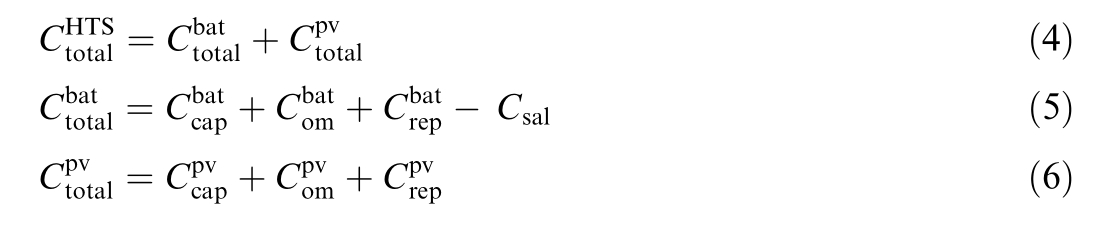
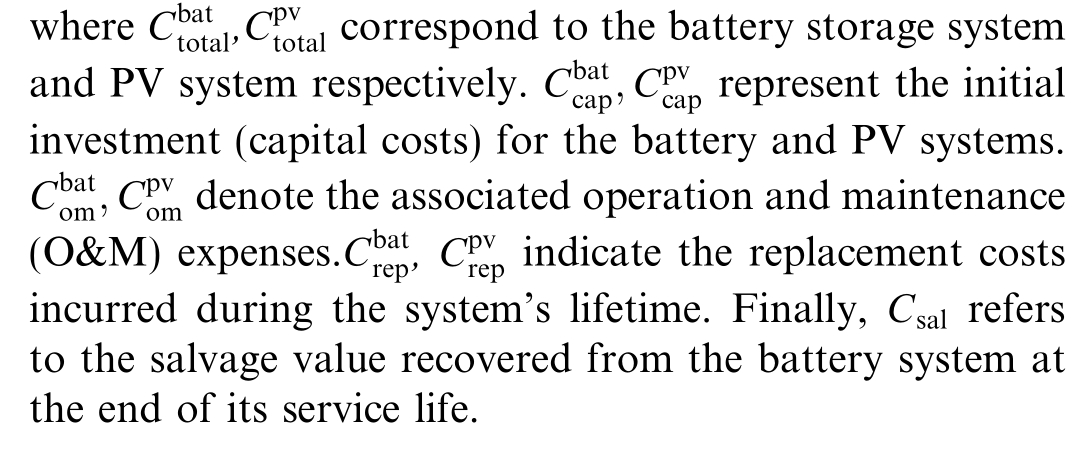
2.2.1 Definition of battery costs
Battery Capital cost
The storage components consist mainly of batte ries,energy conversion systems and other devices related to plant balance [44,45], such as protection devices, monitoring and control systems. The cost of the power conversion system (PCS) is associated with the designed power level,which is considered as the nominal power of the battery in this paper. The cost of the BOP is generally related to the nominal power and capacity. Consequently, the daily investment cost of the energy storage system (ESS) can be expressed as follows:

where Tday is the number of operating days of the batteri es during the year (365 days). k Bp (MAD/kW), k BE (MA D/kWh) are the specific costs per unit of nominal power and battery capacity, respectively. kbop (MAD/kW) is t he cost per unit of power associated with BOP;CRF denotes the Capital Recovery Factor, which is the ratio betweena constant income and the present value of that income over a given period[45]. The Capital Recovery Factor (CRF)is expressed in (8), where Tpr oj represents the project servi ce lifetime (year s) and r0denotes the annual discount rate.

Battery Operation and Mainten ance Cost
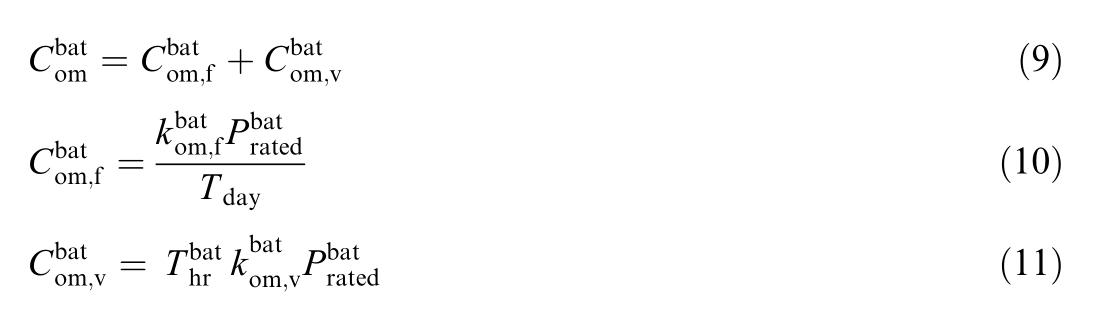
According to[46], the daily operation and maintenance cost consists of two components: a fixed cost and a variable cost. The total daily cost can therefore be expressed as follows:
Battery Replacement Cost
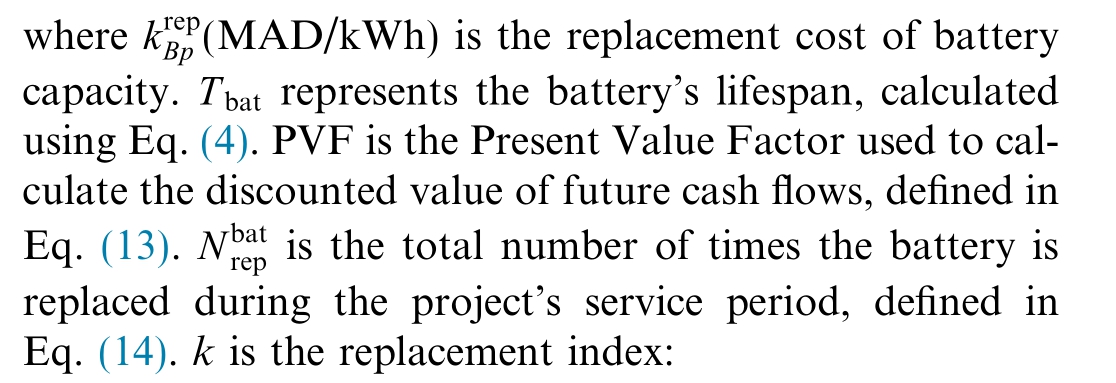
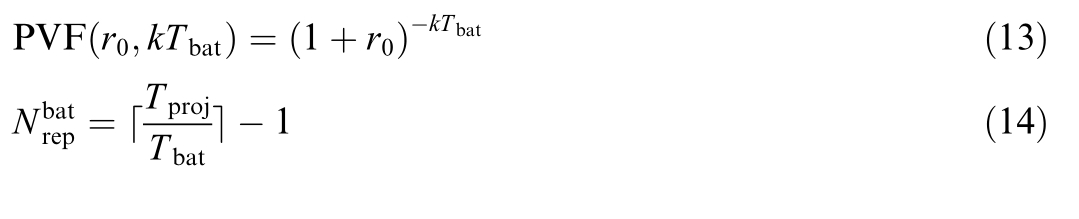
Given that the first problem concerns long-term planning, and that the life of a battery is generally much shorter than the project’s service period due to the limited number of cycles to end-of-life, the battery mustbe replaced at specific intervals. Consequently, the battery’s day-to-day operating strategies have an impact not only on its performance, but also on its operational quality.
It is assumed that BOP-related devices can operate without replacement for the duration of the project, given their service life. Battery replac ement is considered because of the relatively long project period.The total replacement cost per day is expressed in Eq. (12), [47]:

Battery Salvage value
The salvage value is the estimated resale value of an asset at the end of its useful life. During the last yearof the project’s service period, the resale value of the system primarily depends on the salvage value of batteries that have not reached the end of their useful life.It is expressed as in Eq. (15), [47]:

where λdep represents the depreciation coefficient for t he recovery of storage batteries. SFF denotes the sinking fund factor used to calculate the future value of a series of equal annual financial flows. The definition of this factoris expressed in (16):

2.2.2 Photovoltaic system cost definition
Photovoltaic Capital cost
Photovoltaic systems are primarily composed of solar panels, power conversion equipment (such as inverters),and various auxiliary components [48], including protection devices, monitoring and control units, mounting structures, and cabling. In this study, the costs of the power conversion system (PCS) and the balance-ofsystem equipment are assumed to be proporti onal to the rated power of the PV installation. Accordingly, the daily investment cost of the photovoltaic system can be expressed as follows:

where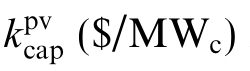 is the specific cost per unit of nominal photovoltaic power.
Photovoltaic operation and maintenance costs (O&M)
The daily operation and maintenance (O&M) cost of a PVsystem is divided into a fixed O&M cost, which includes regular maintenance, system monitoring, and administrative expenses, and a variable O&M cost, which depends on factors such as environmental conditions,degradation rate, and occasional repairs [48]. The total O&M cost of the PV syst em can be expressed as follows:

where  is the percentage of maintenance and operating costs in the total investment cost.
Photovoltaic Replacement cost
Since this study focuses on long-term planning, and the lifetime of photovoltaic panels generally exceeds the project’s service period, major component replacements are minimal. However, some components, such as inverters,require replac ement at specific intervals due to their short service life compared with that of photovoltaic modules.The total cost of replacing inverters on a daily basis is expressed in Eq. (19):

where Cinvis the cost of inverter in proportion to overall PV installation (%), and  is the total number of times the inverter is replaced during the project service period.
2.3 First objective function constraints
Sizing the storage elements and the photovoltaic installation at the substation involves finding the optimum power rating and energy capacities for the batteries, in order to minimize the overall cost over the life of the project. These parameters are constrained by minimum and maximum values (lower and upper bounds), which can bedetermined according to ESS types and railway substation traction load. Eqs. (20)–(22) present the lower and upper bounds of the parame ters in the objective function:

3 Daily energy manage ment problem
3.1 Electricity bill (Second objective function)
This section presents a formulation for optimal energy management at the substation level, considering the integration of both a photovoltaic generator and battery storage. The objective function aims to minimize the total cost ofelectricity exchanged at the substation on a monthly basis, including components such as energy consump tion,demand charges, operating expenses, and environmental costs. For the purpose of this study, these costs are normalized to a daily scale, ensuring that the optimization framework remains consistent with the time resolution used for load and generation profiles.
The Moroccan national railways office, as a commercial and industrial electricity consumer, is subject to pricing based mainly on two aspects:energy consumed and power demand,i.e.with a two-part tariff[49]. The electricity tariffcan be expressed as follows:
i)Energy consumption charge: this charge is calculated based on the energy supplied by the network at the substation and the corresponding energy price.
ii)The capacity charge: is billed according to the annual subscribed capacity. The power charge is calculated for the year and billed monthly in twelfths
iii)Penalty costs: fee for exceeding the subscribed power.
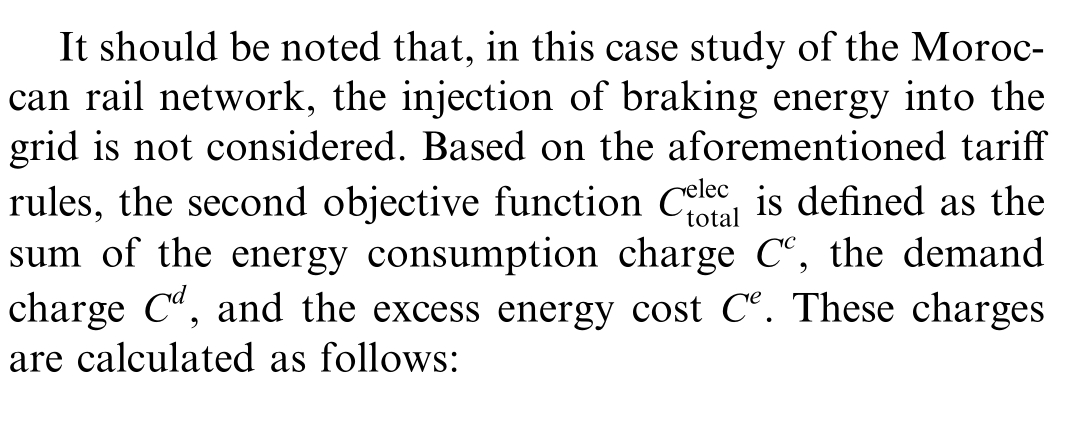

The energy consumption charg e Cc is expressed as follows:

Application fees Cd is defined as follows:

Contracted power exceed penal ty Ce is defined as follows:

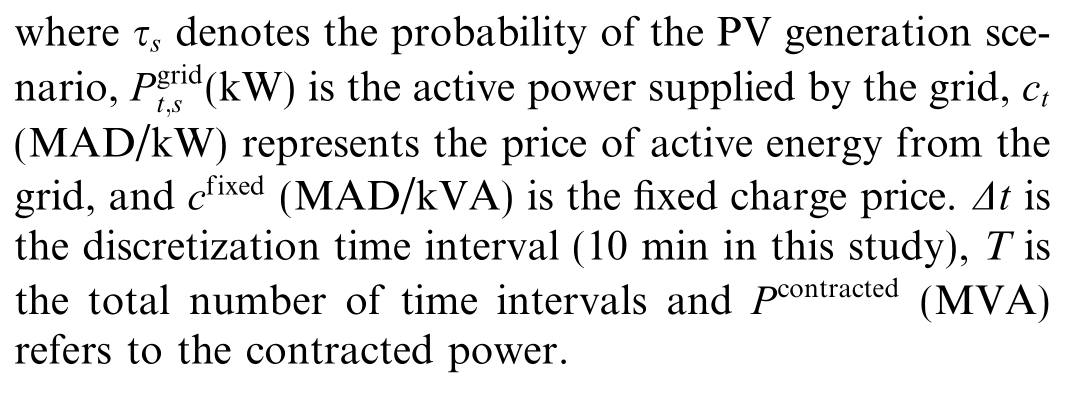
3.2 Second objective function constraints
3.2.1 Power balance constraint
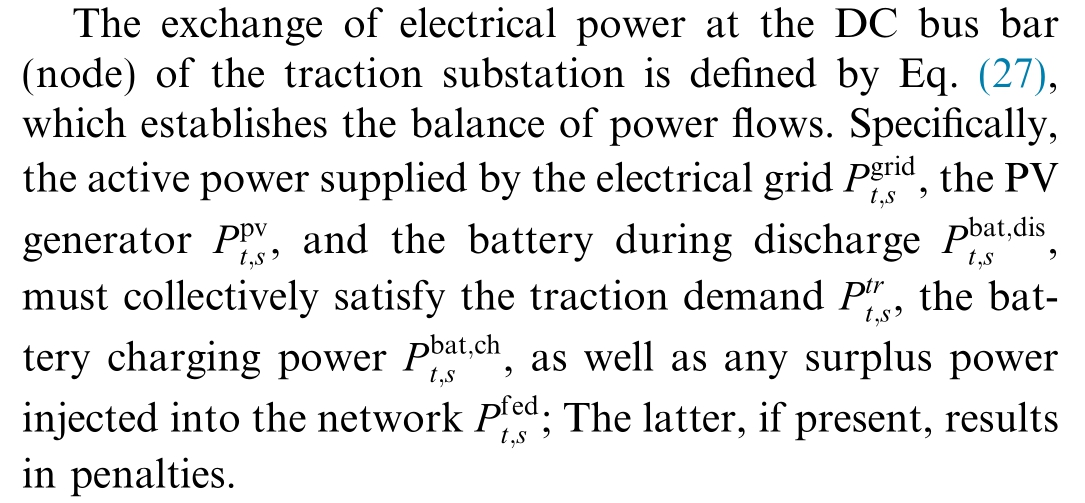

 annull ed in this study.
3.2.2 Storage element constraints
The storage cells present several constraints linked to limits relative to the physical characteristics of the batteries. These con straints linked to the operation of the batteries are presented in the following equations:

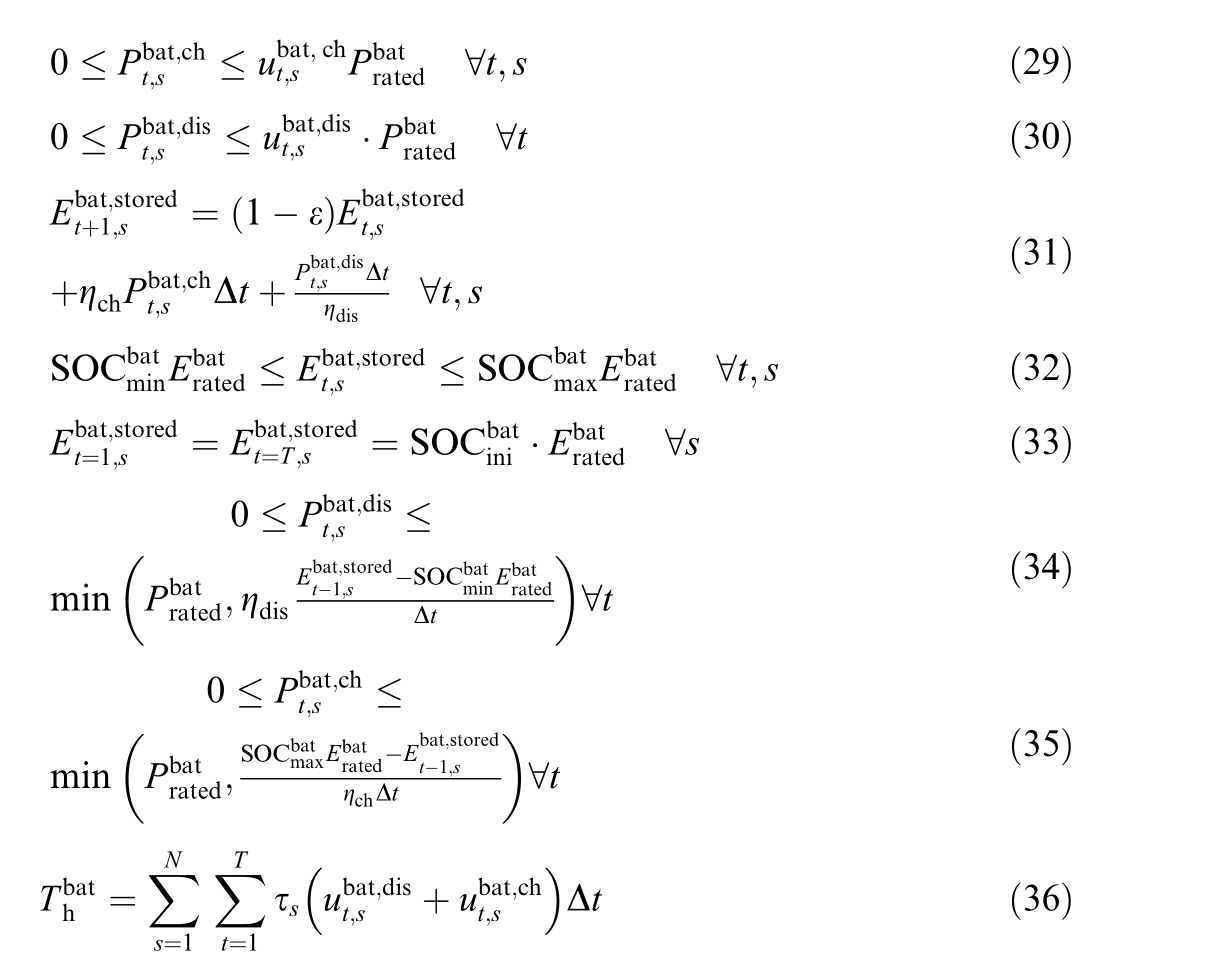
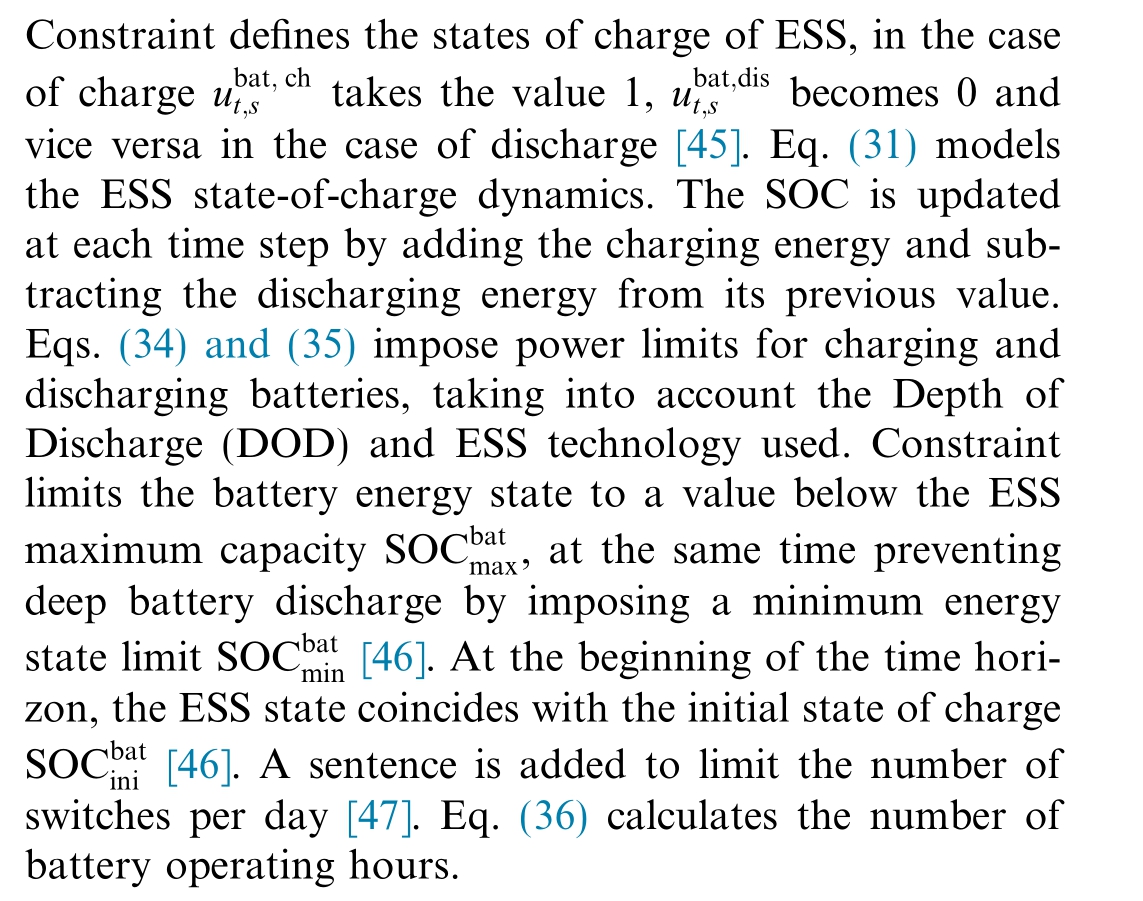
3.2.3 PV generator constraints
The photovoltaic power output is expressed as follows[50]:


3.3 Grid energy exchange constraints
The injection of electricity generated by trains into Morocco’s national grid is strictly prohibited. The purpose of this restriction is to regulate and control energy distribution in order to maintain the stability and securityof the national power grid. Electricity producers, including owners of photovoltaic installations, must comply with local regulations and use approved systems that do not allow excess electricity to be injected into the grid. This policy is designed to avo id overloads and potential disruptions to the power grid. Excess energy injection and braking are not considered in this article [51].
4 The proposed MOPS O approach
The optimization of ESS sizing focuses on economic effectiveness, represented by a function of ESS rated power and capacity. Complex multi-objective optimization problems like this often require advanced algorithms such as Genetic Algorithm (GA) and MOPSO. While GA explores the entire solution space, it can be computationally expensive. PSO in its single-objective form converges faster but may be trapped in local optima.To overcome these limitations, MOPSO is introduced to efficiently handle multiple conflicting objectives by maintaining a diverse set of optimal solutions in the Pareto front [52].
The MOPSO algorithm builds upon the basic principles ofParticle Swarm Optimization, incorporating mechanisms for Pareto-based selection and diversity preservation. Each particle is characterized by a position and velocity vector, updated through inter action with a leader archive containing non-dominated solutions. The position and velocity of a particle in a D-dimensional space are defined respectively as follows:
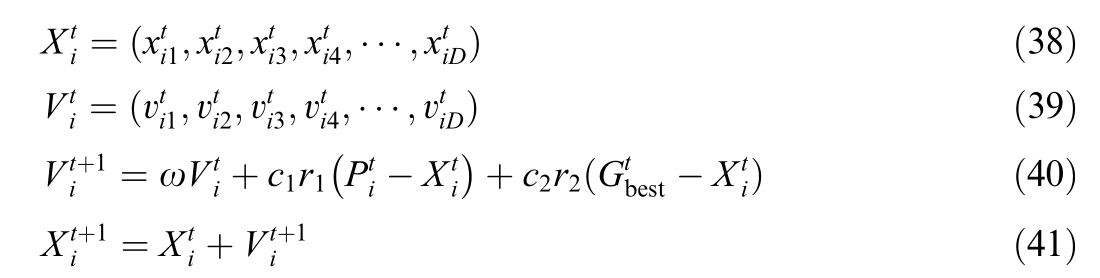
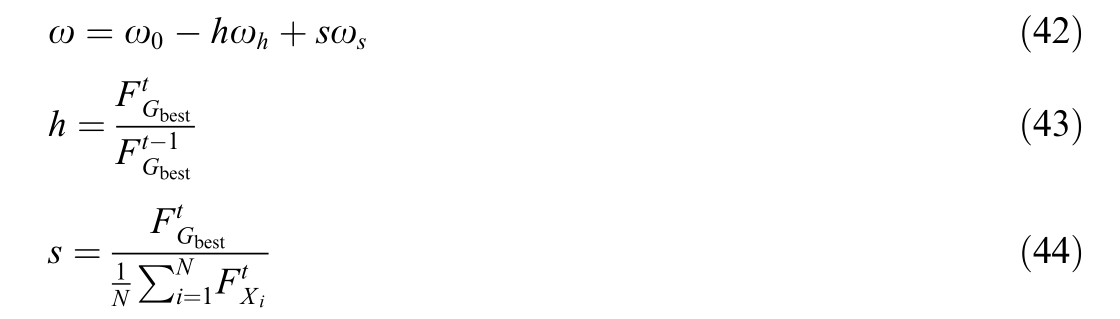
where ωis the inertia weight, c1 and c2are learning factors, r 1 and r 2are random numbers between (0,1). The leader is selected from the external archive of non-dominated solut ions using a density-based selection mechanism. The inertia weight is dynamically adjusted according to Eqs.(42)–(44) as in [53]:

5 Simulation data
In order to validate the feasibility of the proposed energy management for the studied hybrid substation,the application is pe rformed on Asilah substation in northern Morocco. This section is regularly operated by both passenger and freight trains [54]. The MOPSO algorithm isimplemented in MATLAB using custom code based onswarm intelligence principles, enabling efficient exploration of the solution space, the corresponding pseudocode is given in Fig. 2. In this section the total cost of different cases over the project service period are compared, and the effects of project service life and initial SOC are analyzed.
5.1 Case descriptions and input parameters
The project involves analyzing the daily operation of the substation, which repeats every day throughout the project period. The simulation covers a one-day period.Specifically, the study focuses on Asilah substation, and three scenarios are proposed for detailed case analysis:
Case 1: rail traction substation without PV generator or battery (basic case)
Case 2: rail traction substation with PV generator without battery
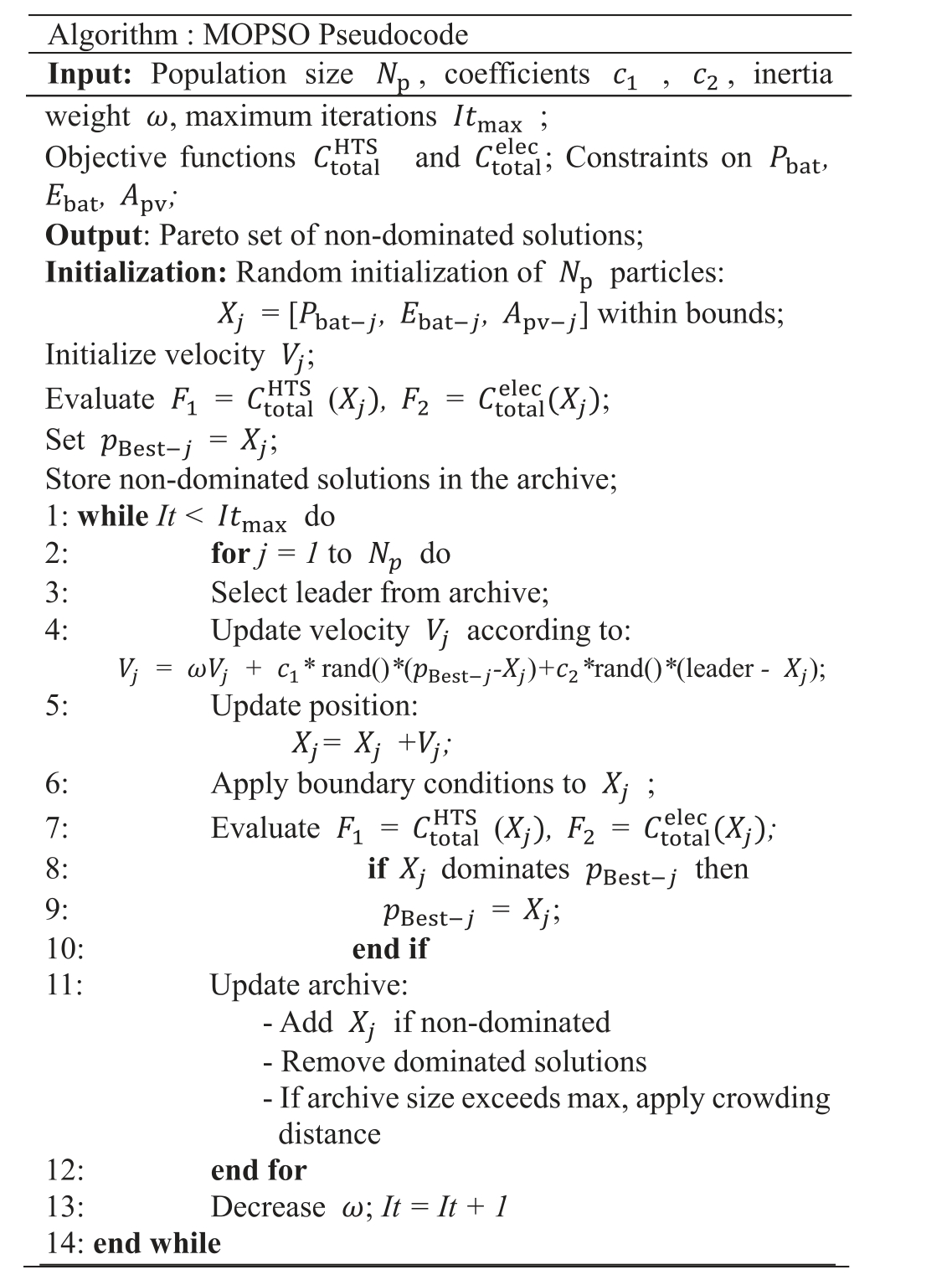
Fig. 2. MOPSO Pseudocode.
Case 3: rail traction substation with PV generator and battery
5.2 Traction power profile
The traction load profile, which defines the active power demand  of the trains operating within the substation’s supply area, is derived from historical records of the substation located in the town of Asilah, in northern Morocco. This substation serves a 40 km section of railway with an average daily traffic of 45 trains.
Fig. 3 illustrates the evolution of the traction load in kilowatts (kW) over a 24-hour period. The profile exhibits pronounced fluctuations, with several peaks. These variations reflect the irregular nature of energy consumption,which is likely associated with train schedules and the alternating acceleration and braking phases. Conversely,periods of low demand, notably between 2:00 and 4:00a.m,may correspond to operating troughs.Interpreting this curve is crucial for optimizing energy management, especially with regard to the integration of renewable sources and the appropriate sizing of energy storage systems.
5.3 Solar irradiance data
As far as the PV energy source is concerned, its production has a significant impact on the HTS under study. Itis assumed that the PV production units are connected to the traction substations via controlled inverters.The efficiency assumed for the PV system is 18%, integrating both the efficiency of the solar panels and that of the converter stage [55]. The annual solar irradiance profile canbe obtained from [56] and four representative scenarios after using the scenario reducti on algorithm are derivedas shown in Fig. 4.
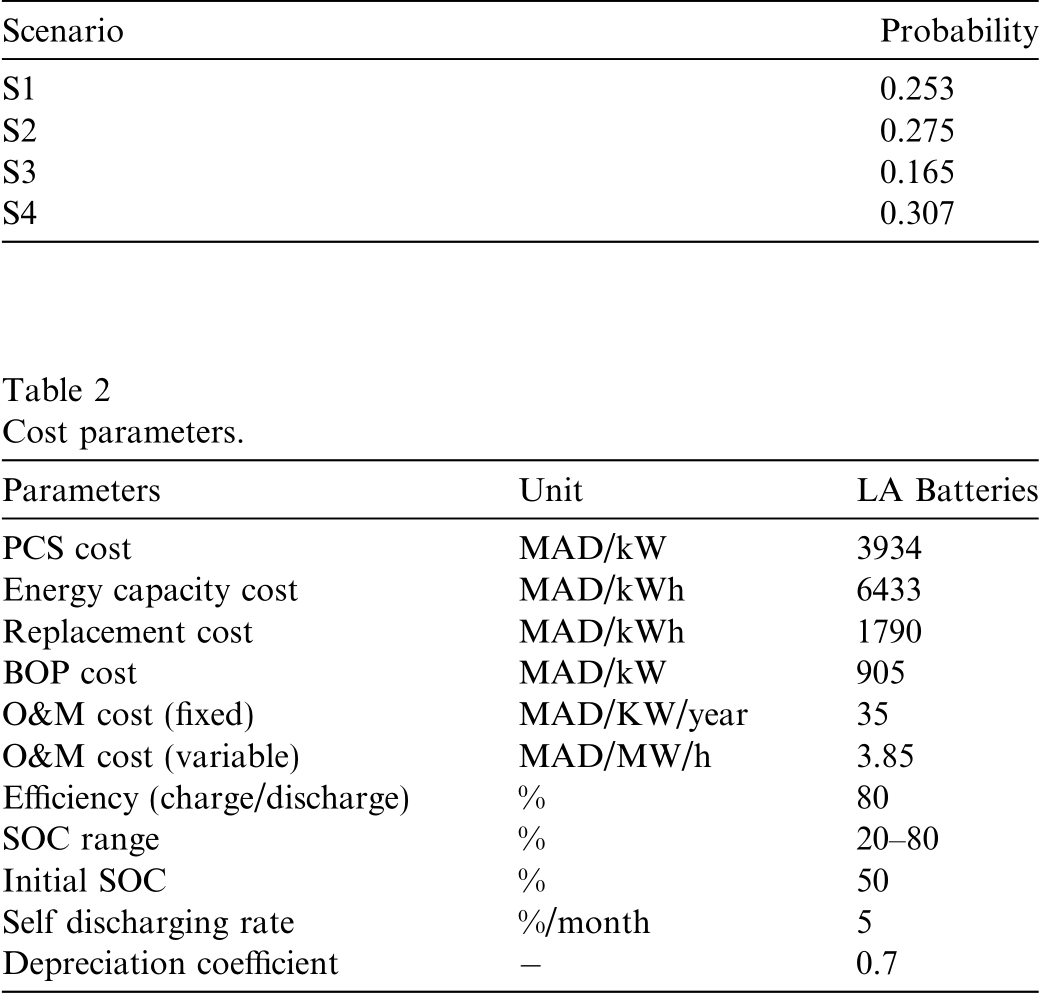
The probabilities associated with each scenario are derived using the k-means clustering approach, as detailed in the preceding section. These probability values are reported in Table 1.
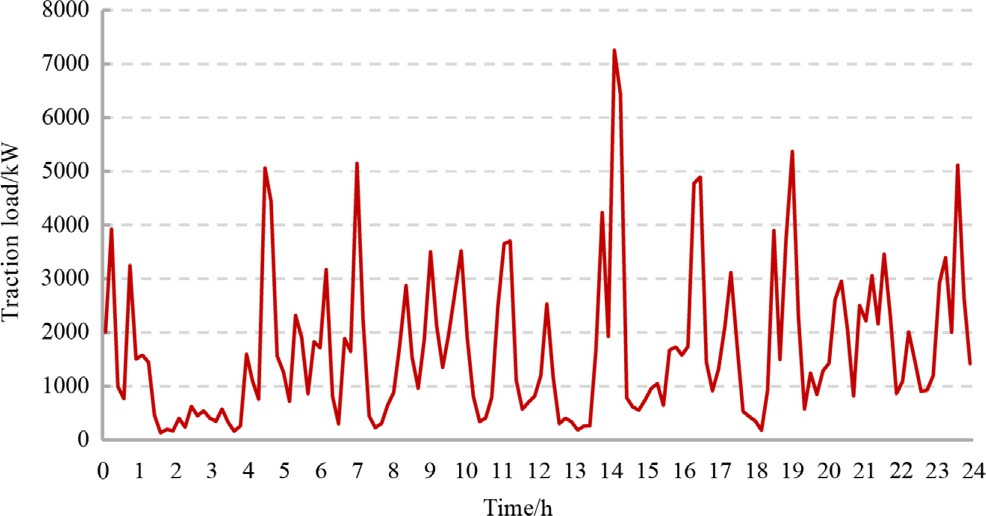
Fig. 3. Substation traction load (Asilah Substation).
5.4 Battery price data
For the ESS, LA techno logy is the most adapted to traction systems [39]. All the parameters associated with ESS are presented in Table 2 [57]. It is assumed that the service life of the project is 20 years; and that all charging and discharging devices operate throughout the project period, with the exception of LA batteries, whose estimated service life is obtained from the simulation results:
5.5 Photovoltaic system costs
For the photovoltaic system, the costs of the solar panels and inverters are taken into account in this study. All the costs associated with the PV system are presented in Table 3. The project duration is set at 20 years, and all the devices associated with the PV system can be operated during the project duration,except for the inverters,whose lifetime is estimated at 10 years [48].
5.6 Electricity prices
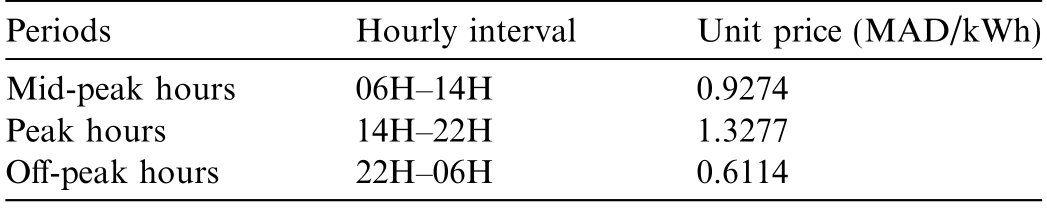
Electricity pricing schemes implemented by the national grid in different districts are also taken into account,including fixed and usage-based pricing. The unit price for electricity and demand is shown in Table 4, three periods are considered. The fixed penalty is equal to 495 MAD/KVA/year; In addition, the price of the application fee is set at 1.5 times the fixed penalty[49]. The subscribed power is fixed at 3.3 MVA by ONCF.
5.7 MOPSO simulation parameters
In the MOPSO approach, the number of search positions is set to 50 and the number of iterations to 150.The upper and lower bounds of the simulation parameters are defined in Eqs. (45)–(47):

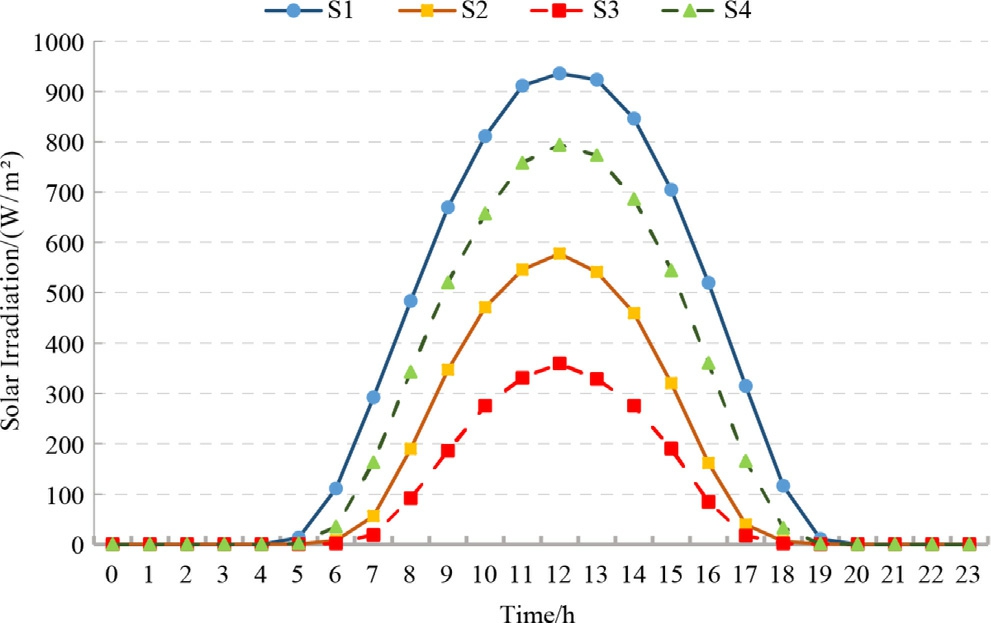
Fig. 4. Irradiation profile scenarios.
Table 1 Sc enario probabilities.

6 Case studies and results analysis
6.1 Model validation using real substation data (Asilah)
The proposed optimization framework is validated using real operating conditions from the Asilah 3 kV DC traction substation. The traction load profile employed inthis study is derive d from historical operational records ofthe substation, reflecting actual railway traffic characteristics, including train frequency, peak demand levels,and daily load variability(see Section 5.1 and Fig. 3). This ensures that the optimization is conducted under realistic traction demand conditions rather than synthetic or idealized profiles.
In addition, the electricity cost formulation is validated through the reference configuration (Case 1), corresponding to the current operating condition without photovoltaic generation or energy storage systems. For this baseline case, the computed electricity bill structure comprising energy consumption charges, demand charges,and exceed-penalty costs is fully consistent with theMoroccan two-part tariff scheme applie d to railway substations. As shown in Fig. 5, the resulting cost breakdown exhibits the expected dominance of energy consumption and penalty components, which is characteristic of real traction substations operating under subscribed power constraints.
Table 3 PVcosts.

Table 4 Gr id interval prices.
This validation step confirms that both the input data and the cost modeling accurately represent real substation operation and contractual billing mechanisms, thereby suppo rting the credibility and practical relevance of the optimization results obtained for the PV and ESS integration scenarios.
6.2 Case 1: Rail traction substation without PV generator or battery (basic case)
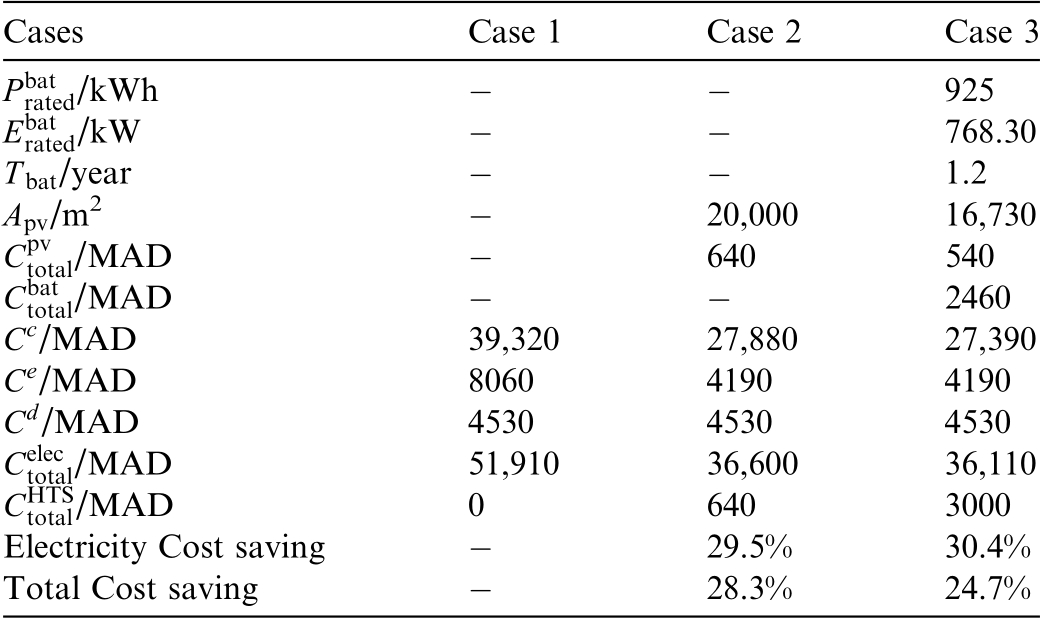
The reference case (case 1) represents the current conventional system scenario; the traction power required is fully considered, in the absence of a photovoltaic source orstorage elements (batteries).The total cost per day corresponds to the daily electricity cost.The results are shown inTable 5.
The graph in Fig. 5 illustrates the breakdown of electricity costs paid to the National Office of Electricity, distinguishing three main components: booked energy costs,penalties, and royalties, across the three cases studied. It can be observed that the normal cost of energy constitutes the largest share of the total cost. Penalties, however,account for a substantial portion of the remaining expenses, reflecting possible overruns or contractual breaches relative to the commitments made with the electricity supplier. Finally, royalties introduce an additional charge to the overall cost. This analysis highlights the importance of improving energy optimization in order to minimize penalties and ultimately reduce the electricity bill.
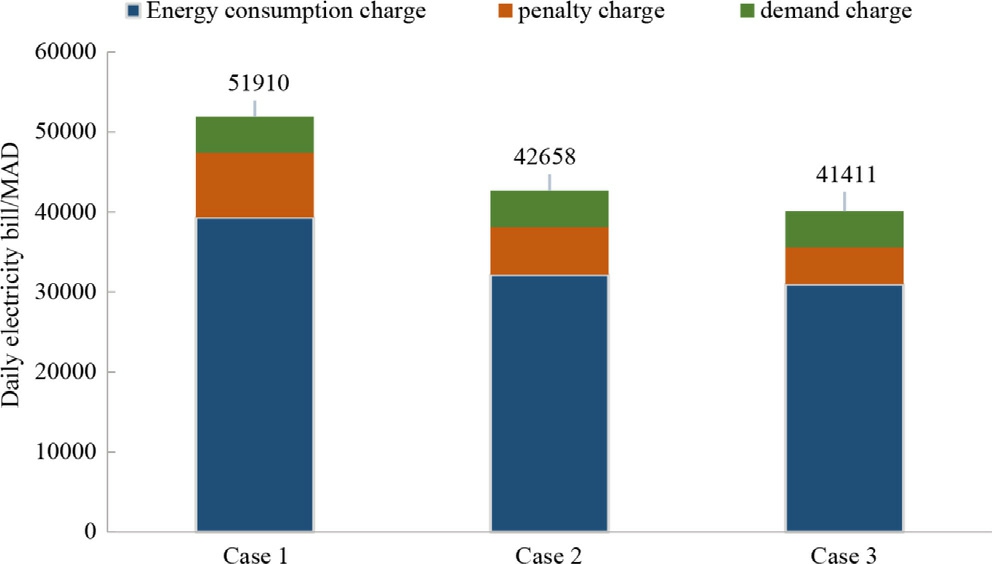
Fig. 5. Daily electricity bill.
6.3 Case 2: Rail traction substation with PV generator without battery
In Case 2, the photovoltaic system is included compared to the reference case. Applying the MOPSO optimization of the two redu ced investment cost functions to the daily and daytime cost of electricity, the resultsof the optimized sizing are presented in Table 5. It is interesting to note that the electricity cost savings exceeds 28%compared to the reference case.
To clarify the operation of the system components in detail, the time horizon between 9 h and 15 h is highlighted, as shown in Fig. 6. The effects of peak shaving on traction power absorption are significant with the presence of the photovoltaic system, comp ared with reference case 1.This explains the remarkable reduction in electricity costs.
6.4 Case 3: Rail traction substation with PV generator and battery
In this section, the HTS is equipped with both storage elements and a photovolta ic system. The MOPSO simulation is conducted under the operational constraints of the ESS and PV systems.Fig. 7 illustrates the evolution of grid power consumption for three cases between 09:00 and 15:00. In Case 1, the curve exhibits pronounced fluctuations, with consumption peaks exceeding 7000 kW, indicating a strong dependence on the grid. In Case 2, the curve displays more moderate consumption, with peaks considerably lower than those of Case 1, due to the contribution of the PV source. Finally, Case 3 demonstrates the lowest overall grid consumption,with only a few increases that coincide with the peaks observed in Cases 1 and2.This scenario emphasizes the stabilizing and regulating effect of the ESS in reducing reliance on the grid.
Table 5 Simulation results.
The hourly profiles of batteries charging and discharging, along with the state of charge (SOC) evolution between 7 h and 17 h are shown in Fig. 8. Charging periods represent energy intake, while discharging periods reflect energy delivery back to the system. The SOC evolves consistently with these energy flows, increasing during charging phases and decreasing during discharging ones. The SOC remains generally between 0.2 and 0.8,indicating an appropriate battery management strategy that avoids extreme levels, which could accelerate aging.These results highlight the role of the storage system in daily energy balancing.
6.5 Influence of project period and initial SOC
Fig. 9 illustrates the evolution of investment costs for PV and ESS systems as a function of project duration,ranging from 10 to 20 years, along with a curve representing the corresponding percentage trend. The total investment cost (PV + ESS) exhibits a decreasing trend,starting at approximately 4800 MAD in year 10 and gradually declining to around 3000 MAD by year 20. The graph also depicts the separate variations of PV installation costs and ESS costs over the project lifetime.
The initial State of Charge (SOC) has a limit ed impact on the economic gain.As illustrated in Fig. 10, only minor variations in gain are observed for different init ial SOC values over the 20-year project horizon.
6.6 Sensitivity analysis of input parameters
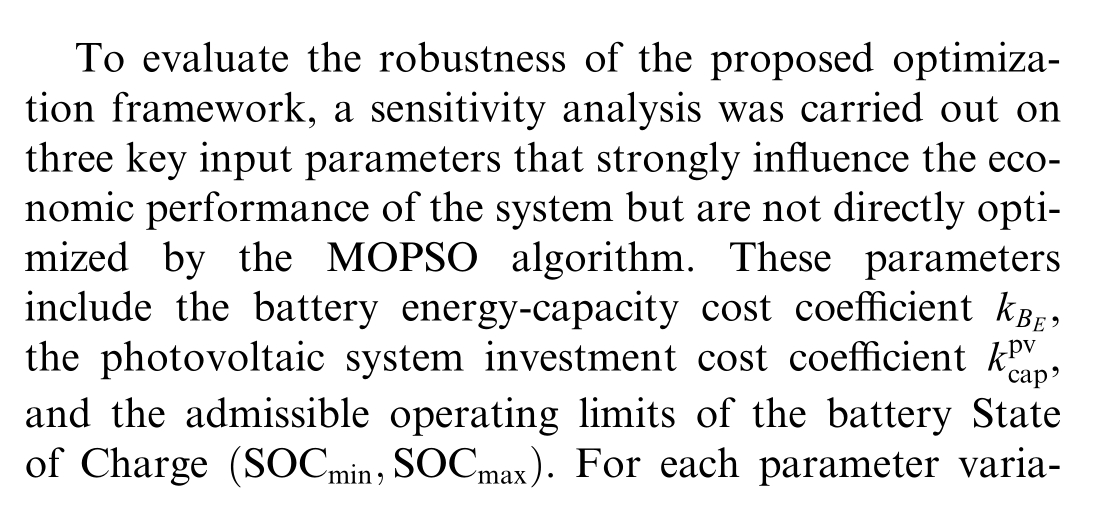
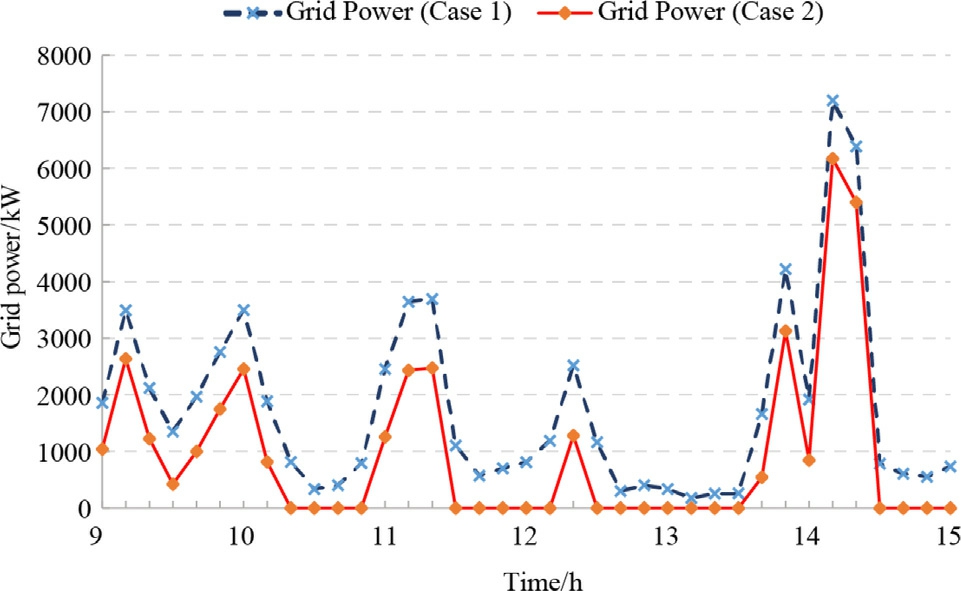
Fig. 6. Daily grid power case 1 and 2.
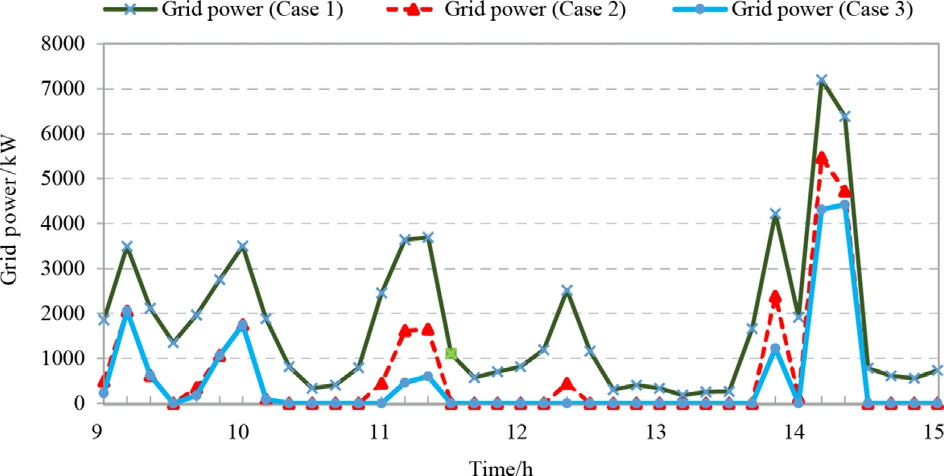
Fig. 7. Daily grid power case 1, 2 and 3.
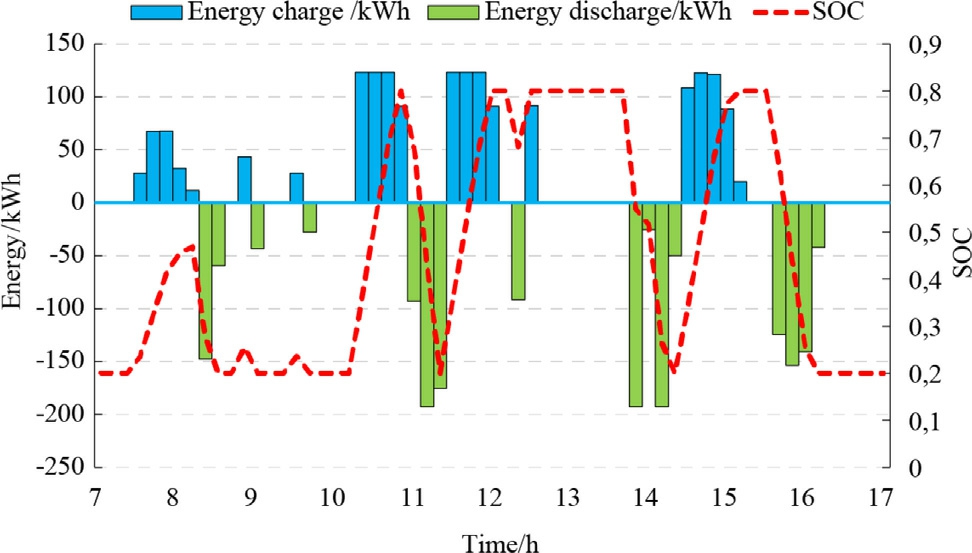
Fig. 8. Batteries charge and discharge energy.
The results in Tables 6–8 show that parameter variations mainly affect the optimal sizing of the PV generator and the battery storage system, while their impact on economic performance remains limited. A 20% increase in the battery energy-capacity cost coefficient reduces the rated battery power by 66% (from 924 kW to 310 kW) and the battery energy capacity by 18% (from 768.3 kWh to 629.3 kWh), whereas a 20% cost reduction increases the optimal battery energy by up to 181% (2159.8 kWh).
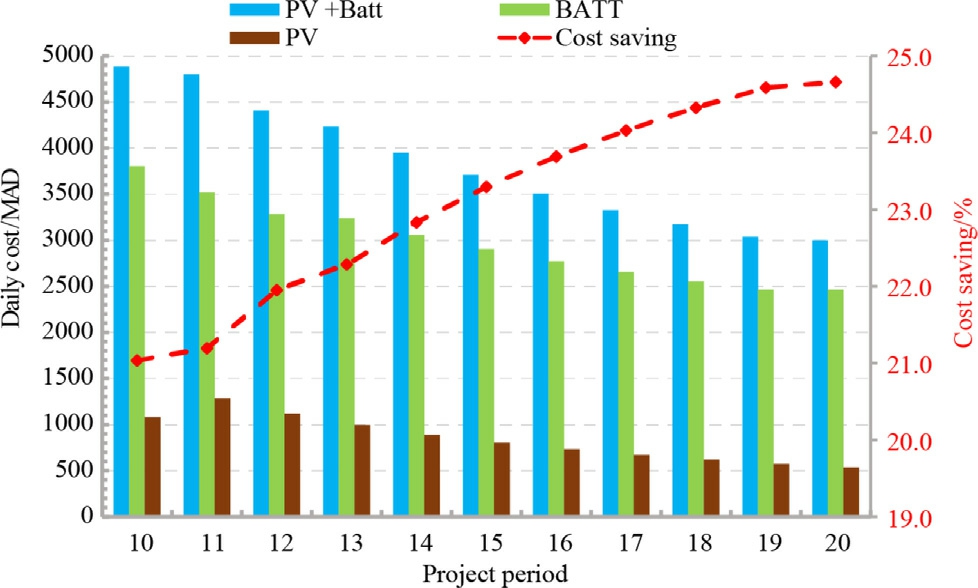
Fig. 9. Influence of project period on daily costs.
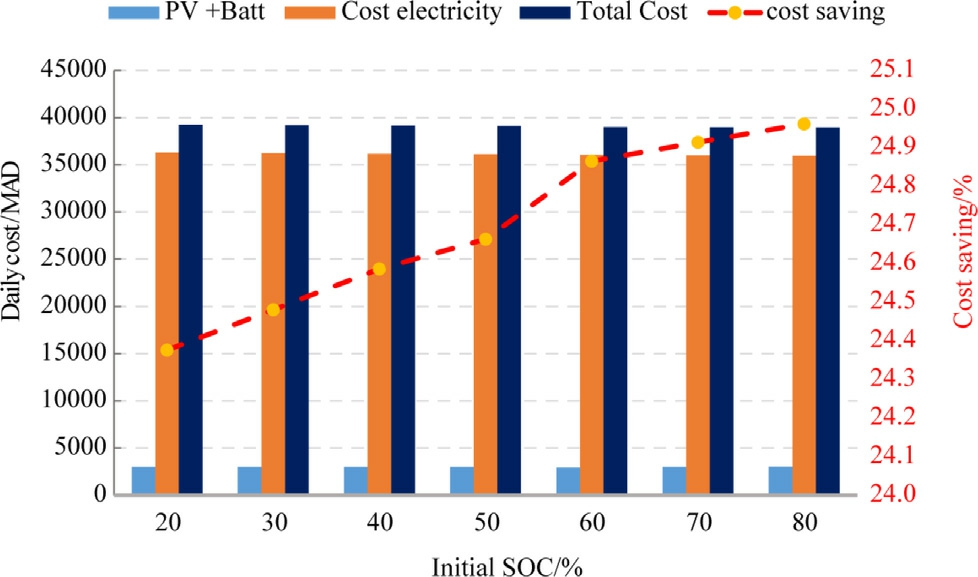
Fig. 10. Influence of initial SOC on daily costs.
Expanding the SOC range from (0.2–0.8) to (0.1–0.9)increases the optimal battery capacity by about 30% (to 1002.5 kWh). Similarly, a 20% increase in PV investment cost decreases the optimal battery power by 41% (to 546.7 kW) while increasing battery energy capacity by 80% (to 1385.5 kWh), highlighting the strong coupling between PV and ESS sizing. Despite these structural changes, both objective functions remain highly stable:variations in the total daily cost are confined between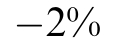 and +0.2%, confirming therobustness of the proposed optimization framework.
6.7 Comparison of optimization methods
To evaluate and compare the resolution performance of different optimization strategies, the proposed approach was benchmarked against two widely used methods:NSGA-II (Non-dominated Sorting Genetic Algorithm),based on evolutionary operators, and MOBO (Multi-Objective Bayesian Optimization). Fig. 11 presents the Pareto fronts obtained by the three algorithms (MOPSO,NSGA-II, and MOBO), where investment cost and electricity bill paid are treated as two independent objectives.This representation makes explicit the trade-off between long-term operational expend itures and upfront capital costs: larger PV and battery investments reduce electricity purchases from the grid, while lower investments result in higher operating costs.
The results highlight that MOPSO provides wellconverged and concentrated solutions in the lower-left region of the Pareto front, indicating stable convergence toward low-investment configurations with moderate electricity bill. By contrast, NSGA-II generates a more scattered distribution of solutions, exploring a wider region ofthe solution space and occasionally identifying configurations with lower electricity bill, though generally at higher investment levels. MOBO yields solutions positioned between the two extremes, offering a more balanced distribution of trade-offs. Although the global cost can be computed as an aggregate indicator for decision-making,representing the objectives separately provides deeper insights into the non-dominated solutions and better reflects the multi-objective nature of the proposed framework. This comparison confirms that the proposed approach achieves a more favora ble quantitative tradeoffbetween electricity bill reduction and investment cost than baseline heuristic control strategies, while preserving the multi-objective nature of the problem.
Table 6 Battery cost sensitivity (±20% onk BE).

Table 7 SOC limits sensitivity.

Table8 PVcost sensitivity (±20% on  ).
).

6.8 Comparative discussion with baseline studies
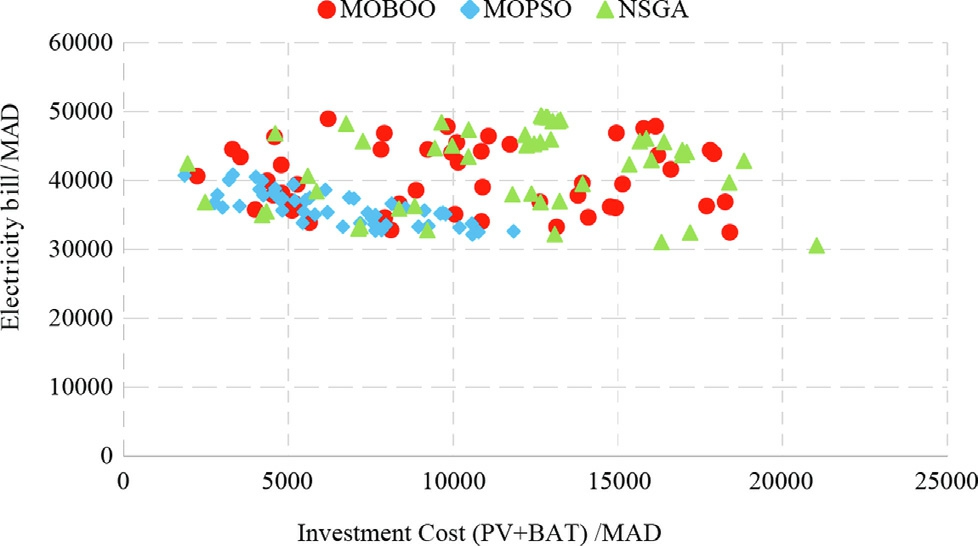
Fig. 11. PARETO solutio ns comparison.
To further contextualize the performance of the proposed method, a qualitative comparison is provided with repres entative state-of-the-art studies addressing PV–battery system optimization. Garip and Ozdemir [58] investigated PV–BESS sizing for a grid-connected microgrid using a PSO-based approach and reported significant economic benefits under flexible ope rating conditions,including permitted grid injection and relatively smooth load profiles. More recent contributions employing hybrid GWO–PSO optimization strategies [59] and solar microgrid design with integrated storage systems [60] similarly demonstrate high levels of renewable energy utilization,benefiting from favorable regulatory frameworks and relaxed operational constraints. In contrast, the operational environment considered in this study is substantially more restrictive. The investigated 3 kV DC railway traction substations prohibit reverse power injection, exhibit highly fluctuating traction loads, and do not benefit from regenerative braking energy recovery. Despite these constraints, the proposed MOPSO-based framework achieves meaningful reductions in electrici ty purchases while maintaining stable system operation under uncertainty. This comparison highlights that the performance improvements reported in this work are obtained under significantly tighter and more realistic conditions, thereby reinforcing the practical relevance and robustness of the proposed optimization strategy for railway electrification.
7 Conc lusion
This paper has presented a comprehensive two-stage optimization framework for hybrid traction substations,combining long-term sizing of photovoltaic and energy storage systems with short-term energy flow management.Akey contribution of this work lies in the integration of scenario-based uncertainty, renewable generation intermittency, storage degradation dynamics, and railway-specific grid constraints into a unified multi-objective decisionmaking framework.
The first stage minimizes the total life-cycle investment cost, explicitly accounting for the degradation and replacement of batteries and inverters. The second stage addresses operational energy management while considering the technical limitations imposed by both the railway network and the national grid. To achieve this balance, the MOPSO algorithm is employed to jointly optimize economic objectives and environmental targets, including CO2 emission reduction through increased renewable penetration.
A case study on the Asilah traction substation in Morocco demonstrated the effectiveness of the proposed framework, achieving electricity cost savings exceeding 28%. However, regulatory constraints such as the prohibition of grid injection and the absence of regenerative braking energy recovery limit further performance improvements and reduce the overall efficiency of battery usage compared to an idealized scenario.
The sensitivity analysis performed on key economic and operational parameters confirmed the robustness of the proposed methodology, showing that optimized solutions remain stable even under substantial parameter variations.Overall, these findings highlight the strong potential of renew able-based hybrid architectures to enhance the sustainability and efficiency of railway electrification, while also underscoring the need for a more supportive regulatory framework to fully harness their benefits.
CRediT authorship contribution statement
Mohamed Amine Ouaid: Writing – original draft,Resources, Methodology, Formal analysis, Data curation.Mohammed Ouassaid: Writing – review & editing, Validation, Supervision, Methodology, Funding acquisition,Formal analysis, Conceptualization.
Declaration of competing interest
The authors declare that they have no known competing financial interests or personal relationships that could have appeared to influence the work reported in this paper.
Acknowledgments
This work was supported in part by the Moroccan National Railways Office ‘‘ONCF” in the framework of the Railway Energy Efficiency Research project.
References
[1]H. Douglas, C. Roberts, S. Hillmansen, F. Schmid, An assessment ofavailable measures to reduce traction energy use in railway networks,Energy Conver.Manage.106(2015)1149–1165,https://doi.org/10.1016/j.enconman.2015.10.053.
[2]D. Ronanki, S.A. Singh, S.S. Williamson, Comprehensive topological overview of rolling stock architectures and recent trends in electric railway traction systems, IEEE Trans. Transp.Electrif. 3 (3) (2017) 724–738, https://doi.org/10.1109/TTE.2017.2703583.
[3]C. Feng, Z. Gao, Y. Sun, P. Chen, Electric railway smart microgrid system with integration of multiple energy systems and powerquality improvement, Electr. Pow. Syst. Res. 199 (2021), https://doi.org/10.1016/j.epsr.2021.107459 107411.
[4]H. Hayashiya, Y. Watanabe, Y. Fukasawa, T. Miyagawa, A.Egami, T. Iwagami, S. Kikuchi, H. Yoshizumi, Cost impacts of high efficiency power supply technologies in railway power supply—traction and station, in: Proc. 15th Int. Power Electronics and Motion Control Conf. (EPE-PEMC), Novi Sad,Serbia, 2012, pp. DS1b.3-1–DS1b.3-6, https://doi.org/10.1109/EPEPEMC.2012.6397441.
[5]T. Ratniyomchai, S. Hillmansen, P. Tricoli, Recent developments and applications of energy storage devices in electrified railways,IET Electr.Syst.Transp.4(1)(2014)9–20,https://doi.org/10.1049/iet-est.2013.0031.
[6]M. Brenna, F. Foiadelli, H.J. Kaleybar, The evolution of railway power supply systems toward smart microgrids: the concept of the energy hub and integration of distributed energy resources, IEEE Electrif. Mag. 8 (1) (2020) 52–61, https://doi.org/10.1109/MELE.2019.2962886.
[7]K. Suslov, A. Kryukov, A. Cherepanov, A. Batukhtin, Y. Luo, A novel balance method for determining the energy efficiency of electric traction networks, Global Energy Interconnect. (2025),https://doi.org/10.1016/j.gloei.2025.04.005.
[8]H. Liu, G. Chen, C. Xie, D. Li, J. Wang, S. Li, Research on energysaving characteristics of battery-powered electric-hydrostatic hydraulic hybrid rail vehicles, Energy 205 (2020), https://doi.org/10.1016/j.energy.2020.118079 117951.
[9]B. Milesevic, B. Filipovic-Grcic, I. Uglesic, B. Jurisic, Estimation of current distribution in the electric railway system in the EMTP-RV,Electr.Pow.Syst.Res.162(2018)83–88,https://doi.org/10.1016/j.epsr.2018.05.004.
[10]K. Kim, J. Kim, C. Lee, J. Kim, H. Lee, PSO-based initial SOC and capacity optimization for stationary energy storage systems in DCelectric railway system,J.Electric.Eng.Technol.16(1)(2021)189–198, https://doi.org/10.1007/s42835-021-00812-7.
[11]N.D. Kleftakis, N. Hatziargyriou, Optimal control of reversible substations and wayside storage devices for voltage stabilization and energy savings in metro railway networks, IEEE Trans.Transp. Electrif. 3 (3) (2017) 743–753, https://doi.org/10.1109/TTE.2019.2913355.
[12]G. Cui, Y. Wang, Y. Zhang, Y. Li, Supercapacitor integrated railway static power conditioner for regenerative braking energy recycling and power quality improvement of high-speed railway networks, Iran. J. Sci. Technol. Trans. Electric. Eng. 46 (3) (2022)1105–1121, https://doi.org/10.1109/TTE.2019.2936686.
[13]Z. Pan, M. Chen, S. Lu, Z. Tian, Y. Liu, Integrated timetable optimization for minimum total electrical energy consumption of anAC railway system, IEEE Trans. Veh. Technol. 69 (2) (2020)1621–1632, https://doi.org/10.1109/TVT.2020.2975603.
[14]J.A. Aguado, A.J. Sánchez-Racero, S. de la Torre, Optimal operation of electric railways with renewable energy and electric storage systems, IEEE Trans. Intell. Trans p. Syst. 17 (6) (2016)1532–1542, https://doi.org/10.1109/TSG.2016.2574200.
[15] G.S. Lee, P.I. Hwang, B.G. Lee, S.I. Moon, Loss minimizationof electrified railway traction systems using SVC based on particle swarm optimization, IEEE Trans. Power Delivery 32 (3) (2017)1501–1510, https://doi.org/10.1109/ACCESS.2020.3042467.
[16]H. Novak, M. Vasˇak, M. Gulin, V. Lesˇ ic´, Railway transport system energy flow optimization with integrated microgrid,Energies 12 (5) (2019) 857.
[17]L. Jiang, Z. Bie, T. Long, H. Xie, Y. Xiao, Distributed energy management of integrated electricity-thermal systems for highspeed railway traction grids and stations, CSEE J. Power Energy Syst 6 (4) (2020) 858–867, https://doi.org/10.17775/CSEEJPES.2020.02000.
[18]H. Yang, W. Shen, Q. Yu, J. Liu, Y. Jiang, E. Ackom, Coordinated demand response of rail transit load and energy storage system considering driving comfort, CSEE J. Power Energy Syst 6 (4)(2020) 1043–1052, https://doi.org/10.17775/CSEEJPES.2020.02590.
[19]M. Bozorg, A. Ahmadi-Khatir, R. Cherkaoui, Developing offer curves for an electric railway company in reserve markets basedon robust energy and reserve scheduling, IEEE Trans.Power Syst.35(3) (2020) 2153–2162, https://doi.org/10.1109/TPWRS.2015.2485938.
[20]S. Akbari, S.S. Fazel, S. Jadid, Optimal operation of a smart railway station based on a multi-energy hub structure considering environmental perspective and regenerative braking utilization,Energy Sci. Eng. 9 (4) (2021) 456–472, https://doi.org/10.1002/ese3.937.
[21]P. Pankovits, D. Abbes, C. Saudemon t,O.M.Abdou,J.Pouget,B.Robyns, Energy management multi-criteria design for hybrid railway power substations, Proc. 11th Int. Conf. Modeling and Simulation of Electric Machines, Converters and Systems(Electrimacs), Valencia, Spain, 2014.
[22]P. Pankovits, J. Pouget, B. Robyns, F. Delhaye, S. Brisset,Towards railway-smartgrid: energy management optimization for hybrid railway power substations, in: Proc. IEEE PES Innovative Smart Grid Technologies Europe,Istanbul,Turkey,2014,pp.1–6,https://doi.org/10.1109/ISGTEurope.2014.7028816.
[23]S. Park, S.R. Salkuti, Optimal energy management of railroad electrical systems with renewable energy and energy storage systems, Sustainability 11 (22) (2019) 6392, https://doi.org/10.3390/su11226293.
[24]Y. Liu, M. Chen, Z. Cheng, Y. Chen, Q. Li, Robust energy management of high-speed railway co-phase traction substation with uncertain PV generation and traction load, IEEE Trans.Intell. Transp. Syst. 23 (6) (2021) 5079–5091, https://doi.org/10.1109/TITS.2020.3046696.
[25]I. Sengo¨r, H.C. Kılıc¸kıran, H. Akdemir, B. Kekezog˘lu, O. Erdinc,J.P.S. Catalao, Energy management of a smart railway station considering regenerative braking and stochastic behaviour of ESS and PV generation,IEEE Trans.Sustain.Energy 9(3)(2017)1041–1050, https://doi.org/10.1109/TSTE.2017.2759105.
[26]H. Ehteshami, H. Hashemi-Dezaki, S. Javadi, Optimal stochastic energy management of electrical railway systems considering renewable energy resources’ uncertainties and interactions with utility grid,Energy Sci.Eng.10(2)(2022)578–599,https://doi.org/10.1002/ese3.1053.
[27]A. Panda, A.K. Dauda, H. Chua, R.R. Tan, K.B. Aviso, Recent advances in the integration of renewable energy sources and storage facilities with hybrid power systems,Cleaner Eng.Technol.12 (2023), https://doi.org/10.1016/j.clet.2023.100598 100489.
[28]S.V. Mitrofanov, N.G. Kiryanova, A.M. Gorlova, Stationary hybrid renewable energy systems for railway electrification:a review, Energies 14 (2) (2021) 304, https://doi.org/10.3390/en14185946.
[29]Y. Chen, Z. Tian, C. Roberts, S. Hillmansen, M. Chen, Reliability and life evaluation of a DC traction power supply system considering load characteristics, IEEE Trans. Transp. Electrif.6(3) (2020) 1067–1076, https://doi.org/10.1109/TTE.2020.3047512.
[30]A. Delle Femine, D. Gallo, D. Giordano, C. Landi, M. Luiso,D.Signorino, Power quality assessment in railway traction supply systems, IEEE Trans. Instrum. Meas. 69 (5) (2020) 2373–2382,https://doi.org/10.1109/TIM.2020.2967162.
[31]M.-R. Yaghoubi-Nia, H. Hashemi-Dezaki, A. Halvaei Niasar,Optimal stochastic scenario-based allocation of smart grids’renewable and non-renewable distributed generation units and protective devices, Sustainable Energy Technol. Assess. 44 (2021),https://doi.org/10.1016/j.seta.2021.101033 101033.
[32]L. Luo, S.S. Abdulkareem, A. Rezvani, et al., Optimal scheduling of a renewable-based microgrid considering photovoltaic system and battery energy storage under uncertainty,J.Storage Mater.28(2020), https://doi.org/10.1016/j.est.2020.101306 101306.
[33]H. Zhu, R. Hou, T. Jiang, Q. Lv, Research on energy storage capacity configuration for PV power plants using uncertainty analysis and its applications, Global Energy Interconnect. 4 (6)(Dec. 2021) 608–618, https://doi.org/10.1016/j.gloei.2022.01.004.
[34]A. Ashabi, S.B. Sahibuddin, M. Salkhordeh Haghighi, The systematic review of K-means clustering algorithm, in:Proceedings of the 9th International Conference on Networks,Communication and Computing (ICNCC 2020), Tokyo, Japan,18–20 December 2020, ACM, 2020, pp. 13–18, https://doi.org/10.1145/3447654.3447657.
[35]Y. Wang, J.-W. Zhang, K. Qiang, R. Han, X. Zhou, C. Song,B.Zhang, C. Putson, F. Belhora, H. Abdelowahed, IoT-based greensmart photovoltaic system under extreme climatic conditions for sustainable energy development,Global Energy Interconnect.7(6)(2024) 836–856, https://doi.org/10.1016/j.gloei.2024.11.006.
[36]M.A. Tankari, M.B. Camara, B. Dakyo, G. Lefebvre, Useof ultracapacitors and batteries for efficient energy managementin wind–diesel hybrid system, IEEE Trans. Sustainable Energy 4 (2)(2013) 414–424, https://doi.org/10.1109/TSTE.2012.2227067.
[37]M. Safitri, T.B. Adji, A.I. Cahyadi, Enhanced early predictionof Li-ion battery degradation using multicycle features andan ensemble deep learning model, Results Eng. 25 (2025), https://doi.org/10.1016/j.rineng.2025.104235 104235.
[38]V.V. Chandu, R. Muralee Gopi, R. Ramesh, Review of batterysupercapacitor hybrid energy storage systems for electric vehicles,Results Eng. 24 (2024), https://doi.org/10.1016/j.rineng.2024.103598 103598.
[39]V.L. Nezevak, Simulation of the operation of a traction power supply system with various types of electrical energy storage devices,E3S Web Conf.471(2024)02002,https://doi.org/10.1051/e3sconf/202447102002.
[40]C. Bordin, H.O. Anuta, A. Crossland, I. Lascurain Gutierrez, C.J.Dent, D. Vigo, A linear programming approach for battery degradation analysis and optimization in offgrid power systems with solar energy integration, Renew. Energy 101 (2017) 417–430,https://doi.org/10.1016/j.renene.2016.08.066.
[41]B. Gundogdu, D.T. Gladwin, A fast battery cycle counting method for grid-tied battery energy storage system subjectedto microcycles, in: Proceedings of the 2018 International Electrical Engineering Congress (IEECON), Krabi, Thailand, 7–9 March 2018, IEEE, Piscataway, NJ, USA, 2018, https://doi.org/10.1109/IEECON.2018.8712263.
[42]T.M. Layadi, G. Champenois, M. Mostefai, D. Abbes, Lifetime estimation tool of lead–acid batteries for hybrid power source s design, Simul. Model. Pract. Theory 54 (2015) 36–48, https://doi.org/10.1016/j.simpat.2015.03.001.
[43]H. Bindner, T. Cronin, P. Lundsager, J.F. M anwell,U.Abdulwahid, I. Baring-Gould, Lifetime Modelling of L ead Acid Batteries, Risø National Laboratory, Roskilde, Denma rk, 2005(Risø-R-1515(EN)).
[44]M. Hamdan, A. Al Zyoud, H. Al Bakri, A. Radwan, M. Ma’aitah,S.Ajib, Sustainable battery storage: a hybrid charging solution,Results Eng. 25 (2025), https://doi.org/10.1016/j.rineng.2024.103843 103843.
[45]B. Zhou, X. Liu, Y. Cao, C. Li, C.Y. Chung, K.W. Chan, Optimal scheduling of virtual power plant with battery degradation cost,IET Gener.Transm.Distrib.10(3)(2016)712–725,https://doi.org/10.1049/iet-gtd.2015.0103.
[46]I. Duggal, B. Venkatesh, Short-term scheduling of thermal generators and battery storage with depth of discharge-based cost model, IEEE Trans. Power Syst. 30 (4) (2014) 2110–2118, https://doi.org/10.1109/TPWRS.2014.2352333.
[47]C. Liu, X. Wang, X. Wu, J. Guo, Economic scheduling model of microgrid considering the lifetime of batteries,IET Gener.Transm.Distrb. 11 (3) (2017) 759–767, https://doi.org/10.1049/ietgtd.2016.0772.
[48]V. Ramasamy, J. Zuboy, E. O’Shaughnessy, D. Feldman, J. Desai,M. Woodhouse, P. Basore, R. Margolis. U.S. Solar Photovoltaic System and Energy Storage Cost Benchmarks, With Minimum Sustainable Price Analysis: Q1 2023. National Renewable Energy Laboratory (NREL), Technical Report NREL/TP-7A40-83586,2022. https://www.nrel.gov/docs/fy22osti/83586.pdf.
[49]Office National de l’électricité et de l’Eau Potable (ONEE), 2024.Available at: https://www.one.org.ma. (Accessed October 2024).
[50]M.A. Ouaid, M. Ouassaid, M. Tebaa, Gain assessment of powering train loads with rooftop solar panels: Case study of Morocco, in:Proceedings of the 2023 International Conference on Renewable Energy and Power Quality(ICREPQ).IEEE,2023,https://doi.org/
[51]Autorité Nationale de Régulationdel’électricité (ANRE), 2024.10.1109/GPECOM58364.2023.10175759.Available at: https://www.anre.ma. (Accessed October 2024).
[52]N. Zarei, A. Azari, M.M. Heidari, Improvement of the performance of NSGA-II and MOPSO algorithms in multiobjective optimization of urban water distribution networks based on modification of decision space, Appl. Water Sci 12(2022) 133, https://doi.org/10.1007/s13201-022-01610-w.
[53]S. Haneef, Z. Rashid, S.A. Haider, Z.A. Arfeen, N. Husain, A.Yahya, M. Amjad, H.U. Rehman, Stochastic optimal PV placement and command based power control for voltage and power factor correction using MOPSO algorithm,Ain Shams Eng.J.15 (2024), https://doi.org/10.1016/j.asej.2024.102990 102990.
[54]Office National des Chemins de Fer (ONCF), 2024. Available at:https://www.oncf.ma/en. (Accessed November 2024).
[55]M. Sharaf, M.S. Yousef, A.S. Huzayyin, Review of cooling techniques used to enhance the efficiency of photovoltaic power systems,Environ. Sci. Pollut. Res. 29 (2022)26131–26159,https://doi.org/10.1007/s11356-022-18719-9.
[56]Moroccan Agency for Solar Energy (MASEN),2024.Available at:https://www.masen.org.ma. (Accessed Decembe r 2024).
[57]L.Mauler, F. Duffner, W.G. Zeier, J. Leker, Battery cost forecasting: a review of methods and results with an outlook to 2050, Energy Environ. Sci. 14 (2021) 4712–4739, https://doi.org/10.1039/D1EE01530C.
[58]M. Garip, S. Ozdemir, Optimization of PV and battery energy storage size in grid-connected microgrid using particle swarm optimization, Appl. Sci. 12 (16) (2022) 8247, https://doi.org/10.3390/app12168247.
[59]M.A. Khan, S. Ali, S.A. Al-Ghamdi, et al., Optimal energy management of grid-connected photovoltaic–battery systems using a hybrid GWO–PSO algorithm, Energies 18 (22) (2025) 6036,https://doi.org/10.3390/en18226036.
[60]M. Rahman, S. Chowdhury, M. Islam, Design and optimization of solar photovoltaic microgrids with battery storage,Sustain.Energy Technol. Assess. 65 (2025), https://doi.org/10.1016/j.seta.2025.102427 102427.
Received 17 June 2025;revised 31 December 2025; accepted 2 February 2026
Peer review under the responsibility of Global Energy Interconnection Group Co. Ltd.
* Corresponding author.
E-mail addresses: ouaid.medamine@gmail.com (M.A. Ouaid),ouassaid@emi.ac.ma (M. Ouassaid).
https://doi.org/10.1016/j.gloei.2026.02.002
2096-5117/© 2026 Global Energy Interconnection Group Co. Ltd. Publishing services by Elsevier B.V. on behalf of KeAi Communications Co. Ltd.
This is an open access article under the CC BY-NC-ND license(http://creativecommons.org/licenses/by-nc-nd/4.0/).

Mohamed Amine Ouaid received the State Engineer degree in Electrical Engineering from the Mohammadia School of Engineers (EMI),Mohammed V University in Rabat, Morocco,in 2015. He is currently pursuing the Ph.D.degree in electrical engineering at the Department of Electrical Engineering, Mohammadia School of Engineers, Mohammed V University in Rabat, Morocco. He is currently working as a Senior Engineer with the National Office of Railways of Morocco (ONCF), where he is involved in rolling stock maintenance activities and maintenance centermanagement, with a focus on electrical systems ofrailway vehicles. Hisresearch interests include strategies for integrating solar energy into railway electrification systems, dynamic stability analysis of DC railway power systems, hybrid energy storage systems (battery and supercapacitor), advanced control strategies, and sustainable railway electrification.