
0 Introduction
With the goal of carbon neutrality, accelerating the construction of a clean, low-carbon, safe, and efficient energy system has become the consensus for development i n the energy and power sector [1]. By the end of 2024, China’s cumulative installed wind power capacity exceeded 530 million kW, demonstrating continuous growth in wind power installations. However, due to the intermittent,stochastic, and volatile nature of wind energy, the integration of high proportion wind power into power systems poses significant challenges to their secure and stable operation [2]. Accurate wind power forecasting technology serves as a critical supp orting technology to mitigate these challenges.
Wind power forecasting can be categorized into medium-to-long-term forecasting, short-term forecasting,and ultra-short-term forecasting based on the forecasting time span. Ultra-short-term forecasting with a time resolution of 15 min and a future output of 15 min to 4 h [3].Current modeling strategies for ultra-short-term power forecasting mainly fall into three categories: offline training [4], online training [5], and online fine-tuning [6].
Offline training is a traditional power forecasting modeling strategy. All available historical data are used for off-line model training and validation, and the trained offline model is deployed for forecasting [7].This modeling approach overlooks the time-varying characteristics of wind power sequences and fails to dynamically adapt to complex and variable scenarios [8]. To address the timevarying challenge, some scholars proposed monthlybased [9] or seasonal-based [10] modeling approaches;some are focused on refined sample selection, that is,matc hing similar samples prior to model construction[11,12]. A dynamic sample matching method based on NWP wind speed was introduced in reference [13]; however, due to the high uncertainty with NWP wind speed,it fails to achieve precise sample selec tion. Additionally,scholars have proposed methods for dynamically adjusting forecasting models[14]. In reference[15], historical meteorological data are categorized by weather patterns, with separate forecasting models established for each pattern.During actual forecasting, the forecasting model is dynamically adjusted based on real-time meteorological data.While this approach dynamically adjusts the model according current scenarios, the forecasting models are still trained on historical data, making it unable to adapt to new scenarios and failing to address the concept drift problem.
To address the concept drift problem, scholars have proposed dynamic modeling methods [16], which can be categorized into online training and online fine-tuning approaches.
1) The online training strategy retrains the forecasting model online for current scenari os to adapt to new scenarios.In reference[17], training sample selection and forecasting model retraining are conducted every 15 min. By selecting samples similar to both the input data and NWP wind speed as training samples,refined sample selection is achieve d, thereby significantly resolving the concept drift problem.However,this method requires frequent modeling, which demands high hardware requirements. In reference[18], real-time error monitoring is employed, and if the error exceeds a threshold, indicating the occurrence of concept drift, the model is retr ained using latest data. This method has a long training time and cannot meet the timeliness requirements of ultra-short-term power forecasting.
2)The online fine-tuning strategy trains a model offline using historical data and, during actual forecasting,the pretrained model is fine-tuned by learning new data to adapt to new scenarios. In reference [19],the latest wind power data stream is monitored online. If the data distribution changes exceed a threshold, indicating the occurrence of concept drift,the model needs to be fine-tuned. The method of determini ng model update timing based on data distribution changes has misjudgment,as data distribution changes do not always represent the occurrence of concept drift. Reference [20] proposed an integrated drift detection and adaptation LightGBM forecasting model. This approach uses a sliding window to calculate the error variation rate between adjacent windows and determines whether model adjustment is required based on this rate. However,methods that determine mod el update timing by analyzing error distributions have some lagging behind,as significant differences in the probability distribution of errors indicate that concept drift has already occurred[21]. In reference[22], a concept drift detection method based on dual moving windows and Kullback-Leible Divergence is proposed. After detecting concept drift, the model parameters are updated in real-time based on new wind power an d meteorological feature data. This updating method cannot balance historical and recent data,potentially ignoring the importance of historical data and leading to catastrophic forgetting of the model [23,24].
In summary, among existing ultra-short-term wind power forecasting model methods, dynamic modeling methods can significantly address concept drift problems,yet still face the following challenges: 1) Difficulty in determining the update time of the model; 2) Only latest data is used to adjust the model, which is prone to catastrophic forgetting problem. To address the aforem entioned challenges, this paper proposes a context-driven dynamic modeling method for ultra-short-term wind power forecasting.
The main contributions are as follows:
1) A contextual relevance-based concept drift detection method is proposed. The divergence degree of contextual relevance among samples similar to the model’s input power is calculated based on Euclidean distance, to determine the update time of the model.
2) An online fine-tuning method for the forecasting model that introduces future meteorological predict information is proposed. Samples with similar input power of the model and NWP wind speed are retrieved from the historical database, and then perform online fine-tuning of the model based on this sample set, which can address the problem of catastrophic forgetting.
3) The early stopping mechanism and callback function are employed to the training of online fine-tuning model to automatically adjust iteration count and learning rate, which can reduce training time, and ensure the timeliness requirements of ultra-shortterm power forecasting.
The structure of this paper is organized as follows.Section 1 briefly introduces the construction of initial forecasting model based on Seq2Seq. Section2 introduces the contextual relevance-based concept drift detection method. Section3 presents an online model fine-tuning method that introducing futur e meteorological predict information. Section4 summarizes the technical route of the context-driven ultra-short-term wind power dynamic modeling forecasting method.Section5 introduces the data and evaluation indexes.Section6 validates the effectiveness and robustness of the proposed method using actual operational data from two wind farms. Section7 concludes the paper.
1 Construction of initial forecasting model based on Seq2Seq
This paper selects the sequence-to-sequence (Seq2Seq)model as the forecasting model. The initial forecasting model is trained using all historical power data, where the historical 4-hour power sequence serves as the input and the future 4-hour power sequence is the output.
The Seq2Seq model is a classical sequence-to-sequence architecture in deep learning. Its core concept involves compressing the input sequence into a fixed-length context vector through an encoder,which is then transformed into the output sequence by a decoder. In this paper, both the encoder and decoder are constructed using long short-term memory (LSTM) units. The LSTM based Seq2Seq model not only enhances the forecasting model’s capacity to capture temporal dependencies in input data but also excavates the coupling relationships between input features[25].
LSTM is well-suited for processing large-scale input data and capturing temporal dependencies in highdimensional data. It can establish multi-step correlations in time-series data and deeply mine hidden features, making it highly applicable to solving time-s eries prediction problems. Each LSTM unit contains three gates (forget gate,input gate,output gate)and a cell state,with its internal structure illustrated in Fig. 1. The specific formulas are as follows:
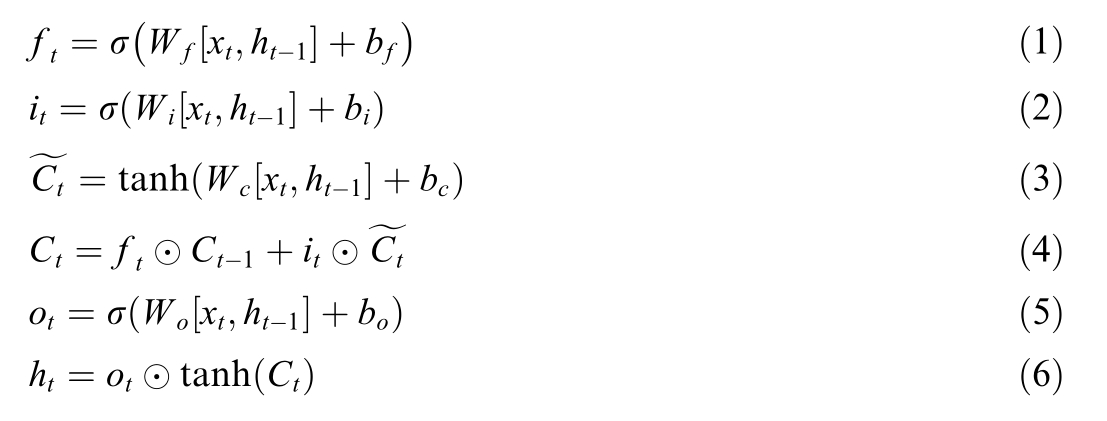
where,ft 、 it、otrepresent theforgetgate,inputgate,and output gate, respectively;Wf 、 Wi 、Wodenote the weights corresponding to the forget gate, input gate,and outputgate;bf、bi、borepresentthe biasparameters for theforget gate, input gate,and output gate;xtisthe input attime t;ht1isthe hidden state from the previous time;Ct1is the cellstate from the previous time;tanh denotesthehyperbolictangentfunction; σrepresentsthe Sigmoid function.
2 Online detection of concept drift based on contextual relevance
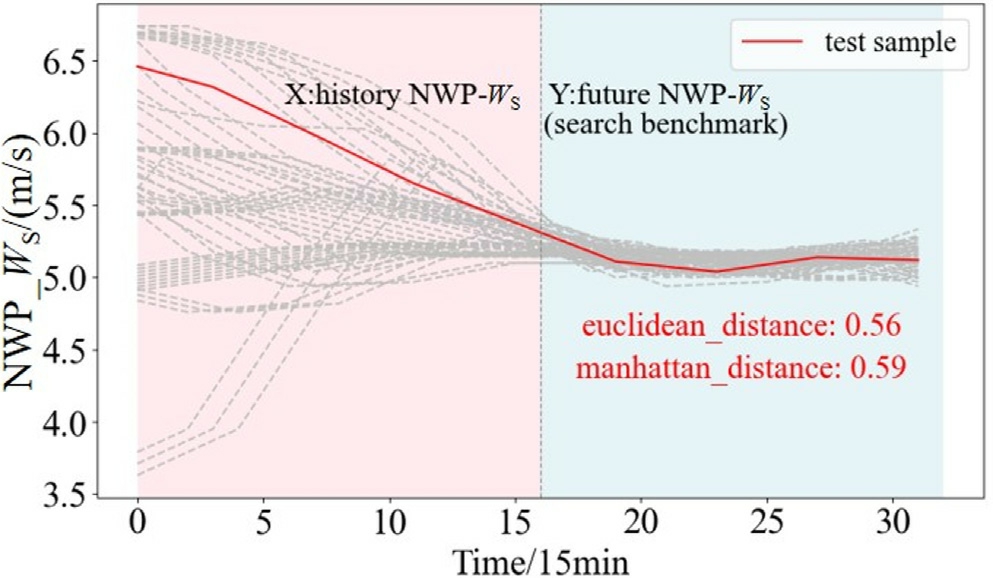
Fig. 1. Structure of LSTM.
In ultra-short-term wind power forecasting, due to changes in external conditions such as meteorological factors,turbine operating states,and wind turbine control strategies, the mapping relationships learned by the model from historical data become no longer applicable[26], i.e.,concept drift occurs, resulting in a significant degradation in forecasting accuracy. Therefore, how to accurately detect the occurrence of concept drift is one of the keys to improving ultra-short-term forecasting accuracy. In response to this,this paper proposes a concept drift detection method based on contextual relevance. The specific steps for concept drift detection are as follows:
Step1: Using Euclidean distance as the evaluation metric, select similar samples based on the model’s input power. Euclidean distances are sorted in ascending order,and the top n groups are selected to construct the sample set. In this paper, n is set to 500.
Euclidean distance is a commonly used distance metric function, widely applied in machine learning, K-means clustering, image processing, and other fields. Its formula is defined as follows:

Step2: To quantify the degree of divergence in the future 4-hour power sequences of the selected similar samples by calculating the Euclidean distance.
Step3: If the divergence degree exceeds a threshold (as shown in Fig. 2), it is determined that concept drift has occurred, and the initial model is fine-tuned online.
In Fig. 2, similar samples are selected solely based on the model’s input power. It is observed that the historical power sequences of these similar samples are extremely alike, exhibiting consistent trends and amplitudes. However, their future power sequences diverge significantly.This indicates that the input–output mapping relationship has altered, rendering the mapping relationship learned by the model from historical data become no longer applicable. Therefore, the method of selecting similar samples based solely on input power overlooks dynamic changes in external conditions,leading to the selected samples lacking representative.
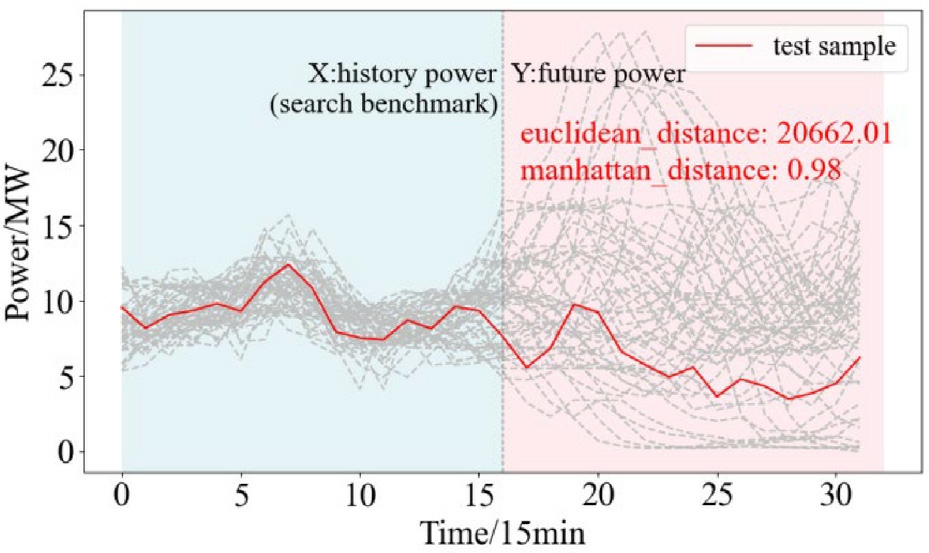
Fig. 2. Similar samples selection based on input power.
3 Online model fine-tuning introducing future met eorological predict information
The aforementioned study demonstrates that selecting similar samples based solely on input power fails to achieve refined sample selection. NWP involves solving fluid dynamics and thermodynamic equations that describe weather evolution processes under specific initial and boundary conditions based on actual atmospheric conditions to predict atmospheric motion states and weather phenomena over a future period. To a certain extent, it can describe the general trend of future power output. Therefore, by introducing NWP wind speed, we can retrieve samples similar in both input power and NWP wind speed, enabling refined sample selection. In Fig. 3, the similar samples are selected based on the future 4-hour NWP wind speed sequences. It shows that distinct historical sequences can correspond to similar future NWP wind speed sequences. Whereas this approach discards some samples with similar historical power, it ensures the retention of samples with similar future NWP wind speeds (i.e., similar future power trends).
Therefore, this section introduces an online model finetuning method that introducing future meteorological predict information. The method combines historical power data with NWP wind speed to select similar samples.The similar sample selection strategy is presented in Section 3.1, and the online model fine-tuning strategy is presented in Section 3.2.
3.1 Similar samples selection
The input power sequences and future NWP wind speed sequences can be expressed as:

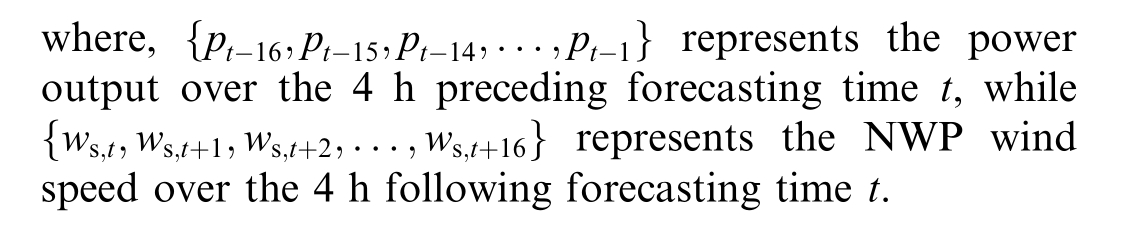
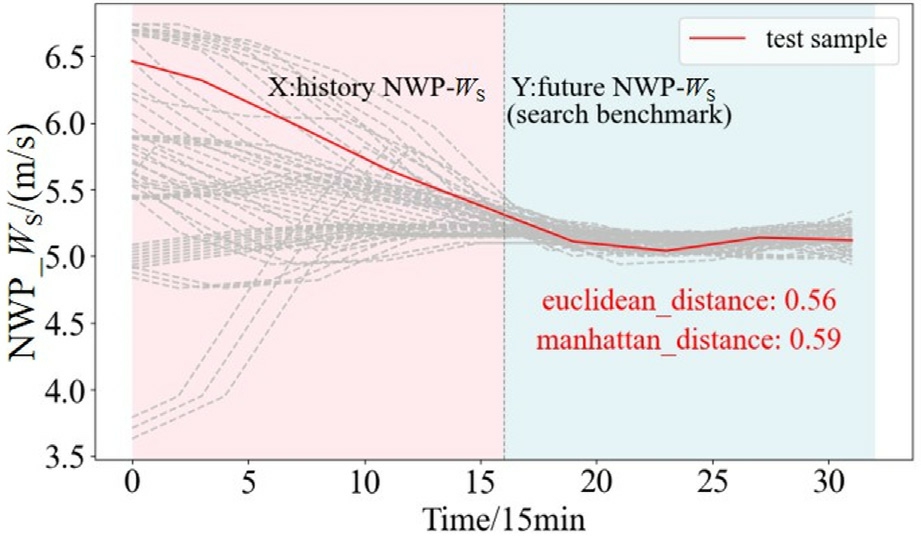
Fig. 3. Similar samples selection based on NWP wind speed.
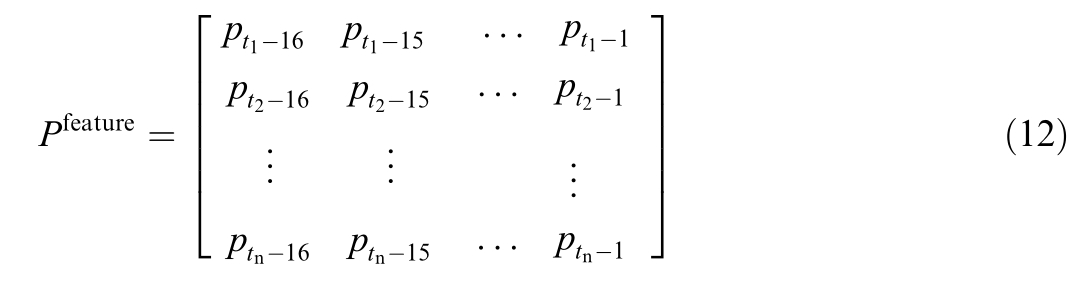
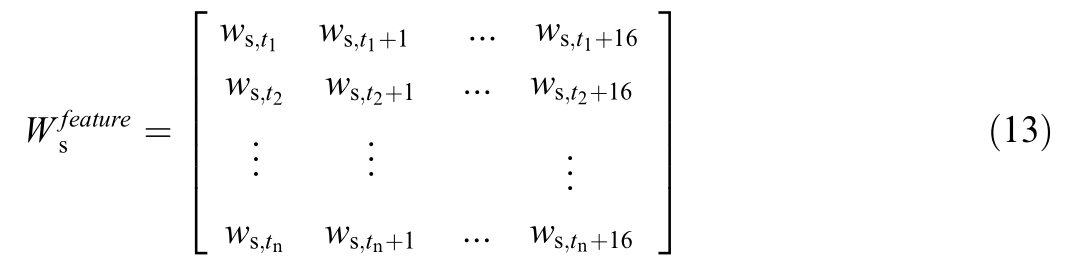
The power sequences and NWP wind speed sequences in the histo rical feature matrix can be expressed as:


Historical power feature matrix:
Historical wind speed featu re matrix:
During model forecasting, after each forecasting, the latest date are dynamically added to the historical feature matrix. This ensures that the model learns new concepts during online fine-tuning while preventing catastrophic forgetting of historical knowledge.
When matching similar samples, Euclidean distance is adopted as the evaluation metric to measure the simila rity of both the input power and future NWP wind speed respectively.
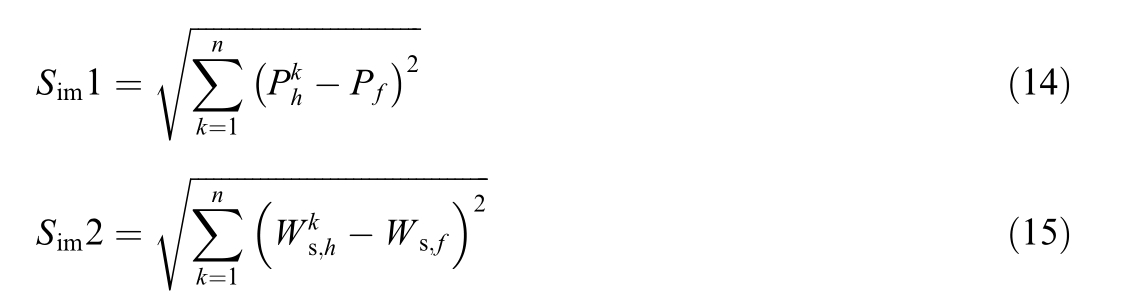
Sim1denotes the Euclidean distance between the input power and historical power, and Sim2denotes the Euclidean distance between the future NWP win d speed and historical NWP wind speed.but theirdimensionsare inconsistent,itisnecessaryto
Due totheneedfor a weightedsumofSim1andSim2,normalize them to within the range of [0,1]. The final similarity is calculated as the weighted sum of the normalized Sim1nor and Sim2nor ,as shown in (16). A smaller similarity indicates that the samples are more similar.

The similarity is sorted in ascending order, and the top 500 similar samples are selected to fine-tune the initial model online. Matching results of the partial samples are illustrated in Fig. 4.
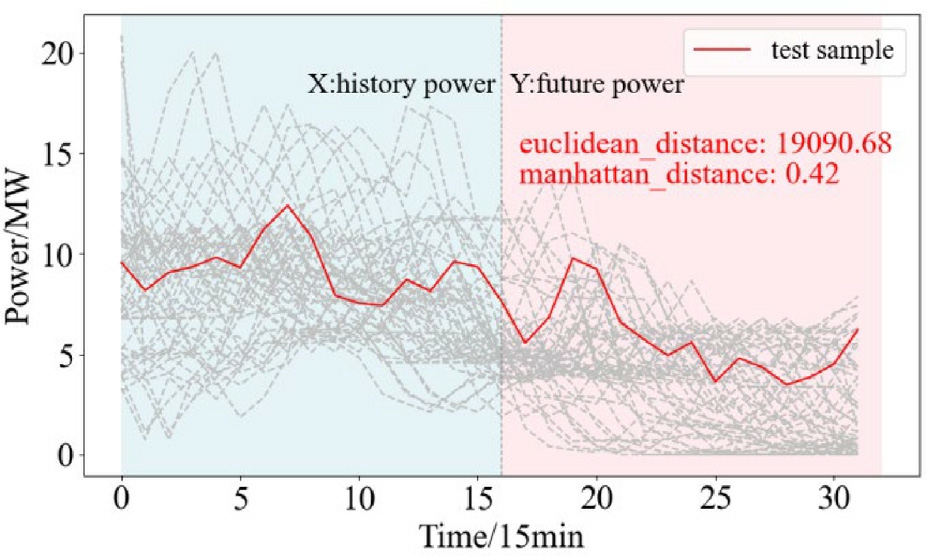
Fig. 4. Similar samples selection based on input power and NWP wind speed.
To further validate the effectiveness of the proposed similar sample selection method, Manhattan distance is additionally employed as an evaluation metric, alongside Euclidean distance.
Manhattan distance is a simple yet effective distance metric, particularly suitable for grid-like or highdimensional data scenarios. A smaller Manhatt an distance indicates better matching performance.Its calculation formula is as follows:

where cap represents the wind farm capacity.
By compari ng Figs. 2 and 4, it is evident from both Euclidean and Manhattan distances that the future power sequences of similar samples matched based on input power and future NWP wind speed exhibit higher similarity and the selected samples are more representative.
3.2 Online fine-tuning strategy
The model’s online fine-tuning employs a transfer learning approach, utilizing the initial model as a foundation and conducting online fine-tuning to the initial model using similar samples to adapt to new scenarios. Specifically, the feature extraction layers of the initial model are frozen, and only the final classification layer is retrained. This approach avoids excessive computational costs from retraining the entire model online, reduces training time to ensure timeliness,and prevents overfitting to new samples while mitigating catastrophic forgetting of historical data.
During the fine-tuning process, an early stopping mechanism is introduced to control iteration count. The validation loss (val_loss) is monitored in real-time, and training is halted prematurely if no improvement is observed within a limited cycle. This effectively avoids prolonged training times and overfitting problems caused by excessive iterations. Additionally, a callback function is utilized to dynamically adjust the learning rate. By continuously monitoring the val_loss, the learning rate is automatically modified if no improvement occurs within a limited cycle,thereby avoidi ng slow convergence and local optima traps associated with fixed learning rates.
4 Context-driven dynamic modeling method
Based on the above research content, we propose a context-driven dynamic modeling method for ultr a-shortterm wind power forecasting. The process is shown in Fig. 5, and the specific steps are introduced as follows:
Step1: To construct the initial forecasting model based on Seq2Seq according to all historical power data to achieve the learning of power mapping relationship, as proposed in Section 1.
Step2: To detect concept drift online by adopting the method proposed in Section 2. Select similar samples based on input power of the model, and quantify the divergence degree of future 4-hour power sequences of these similar samples by calculating Euclidean distances. If the divergence exceeds the threshold, concept drift is deemed to occurred, the forecasting model needs to be fine-tuned(Step 3 is executed). Otherwise, the initial model is used for forecasting.
Step3: If concept drift is detected, 1) employ the similar samples selection method proposed in Section 3. 1. Similar samples are selected from the historical database according to input power of the model and future NWP wind speed.2) Based on the obtain similar samples, the initial model is fine-tuned online by adopting the strategy proposed in Section 3.2. During fine-tuning of the model, the early stopping mechanism and callback function are introduced to automatically adjust iteration count and learning rate,thereby enhancing the training efficiency to meet the timeliness requirements of ultra-short-term forecasting.
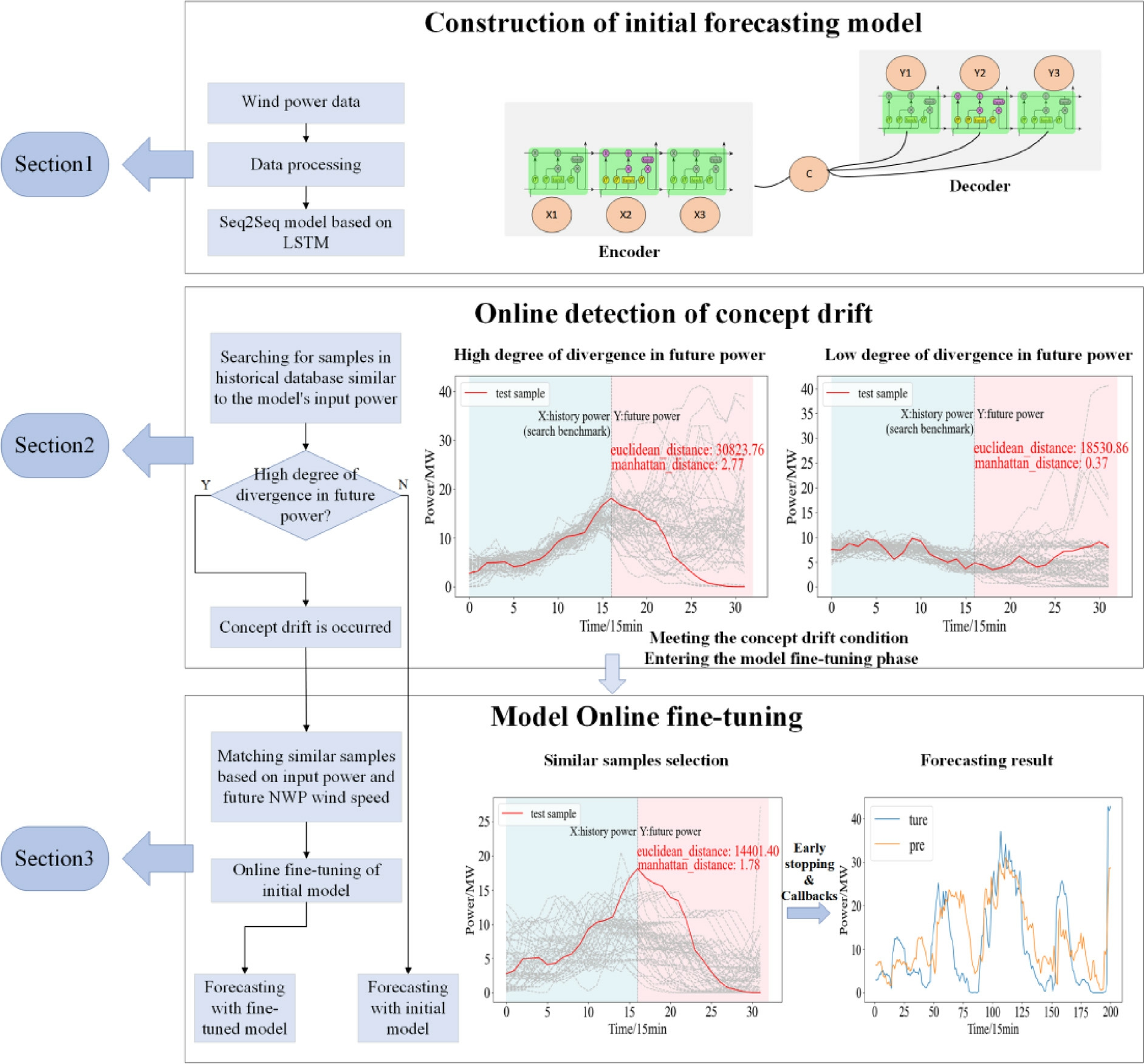
Fig. 5. Process of context-driven dynamic modeling method.
5 Data description and evaluation indexes
5.1 Data description
The proposed method is validated on datasets from two distinct wind farms: a wind farm in Northeast China and another in Northern China. The Northeast China wind farm has a capacity of 49.5 MW, while the Northern China wind farm has a capacity of 425 MW. The operational data include historical power data and historical NWP wind speed data, both with a 15-minute temporal resolution and spanning one year. The dataset is partitioned chronologically: for each month, the first 23 days are designated as training samples, and the remaining 7 days are used as testing samples.From the training samples, 10% are randomly extracted as the validation samples.
5.2 Evaluation indexes
Root mean squared error (RMSE) and mean absolute error (MAE) are employed for the quantitative assessment of the forecasting performance. RMSE focuses on evaluating the model’s ability to avoid extreme errors, the calculation formu la is shown in (18). MAE focuses on assessing the overall performance of the forecasting model,the calculation formula is shown in (19).
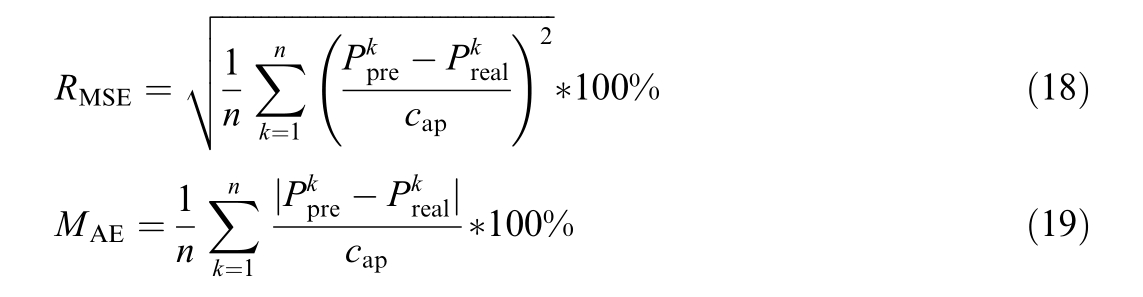
where, represents the forecasting power value,
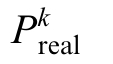 represents the actual power value, cap denotes the wind farm’s installed capacity, and n refers to the total number of samples.
6 Case study
6.1 Design of benchmark methods
To validate the effectiveness and robustness of the proposed method, four benchmark methods are designed, as shown in Table 1. Four benchmark methods are referred to case1 to case 4 in the following contents, while the method proposed in this paper is called case 5.The specific meanings of each case are as follows.
Table 1 Settings for various methods.
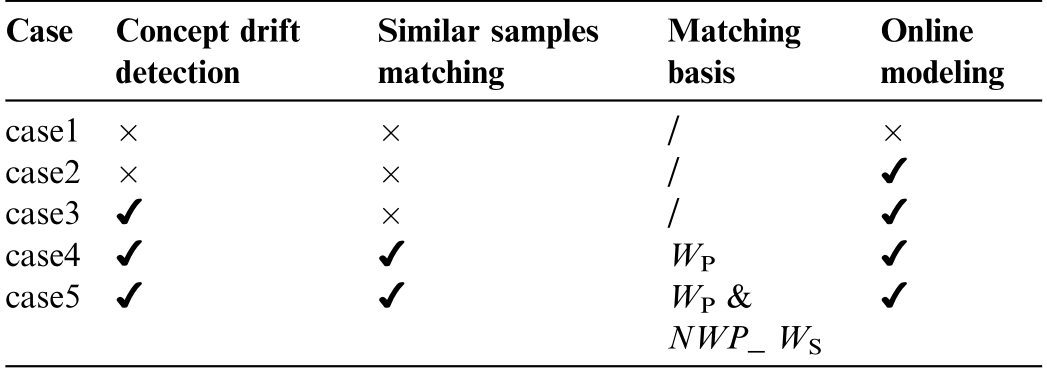
case1: The initial model is used for forecasting.
case2: A regularly updated method is adopted, where the model is fine-tuned every 2 h using the historical power data from preceding 2-hour window.
case3: Apply the proposed concept drift detection method, and employ the Elastic Weight Consolidation(EWC) incremental learning approach during online finetuning of the model. Adopt a sliding window mechanism to retain the latest 50 samples, and calculate the Fisher information matrix of historical data to impose regularization constraints on key parameters.
case4: Apply the proposed concept drift detection method, but only the input power is used to match similar samples during online fine-tuning.
case5: The proposed method in this paper.
6.2 Overall results
Based on the actual operational data of the two wind farms, five forecasting models were con structed. The forecasting errors of these models were calculated and presented in Table 2. Through comparative analysis, the following co nclusions can be drawn:
1) Except for case4, all other online modeling methods exhibited higher forecasting accuracy than the offline model. For the two wind farms, RMSE decreased by 6.95–16.07% and 8.78–19.76% respectively, while MAE decreased by 3.22–16.97% and 3.57–18.04%respectively. This indicates that online modeling methods can significantly overcome concept drift problems and improve forecasting accuracy.
Table 2 Performance of various methods.
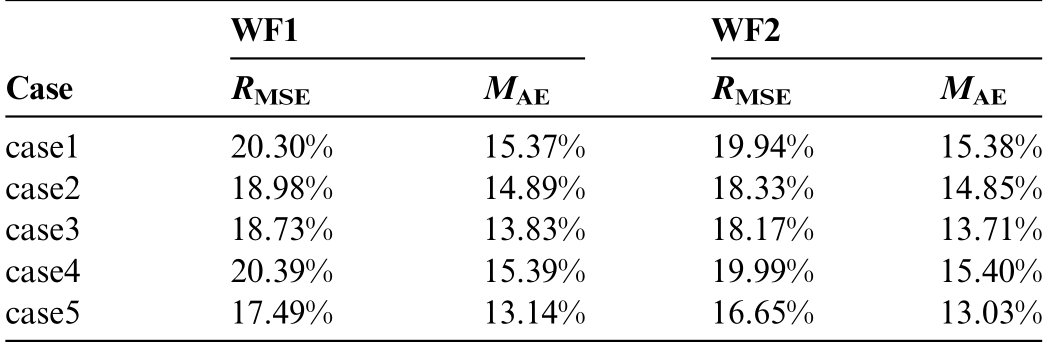
2) case5 achieved higher forecasting accuracy than case4, for the two wind farms, RMSE decreased by 16.58% and 20.06% respectively, while MAE decreased by 17.12% and 18.19% respectively. This demonstrates that without intro ducing NWP wind speed data, refined sample selection cannot be achieved, and irrelevant samples may be introduced,thereby reducing forecasting accuracy.
3) case5 achieved higher forecasting accuracy than case2, for the two wind farms, RMSE decreases by 8.52% and 10.09% respectively, while MAE decreases by 13.32% and 13.97% respectivel y. This suggests that the proposed method can effectively detect concept drift and enhance forecasting accuracy.
4) case5 achieved higher forecasting accuracy than case3, for the two wind farms, RMSE decreases by 7.09% and 9.13% respectively, while MAE decreases by 5.25% and 5.22% respectively. This suggests that the samples matched by the proposed method enable the model to better adapt to the current scenarios,thereby effectively overcoming concept drift and improving forecasting accuracy.
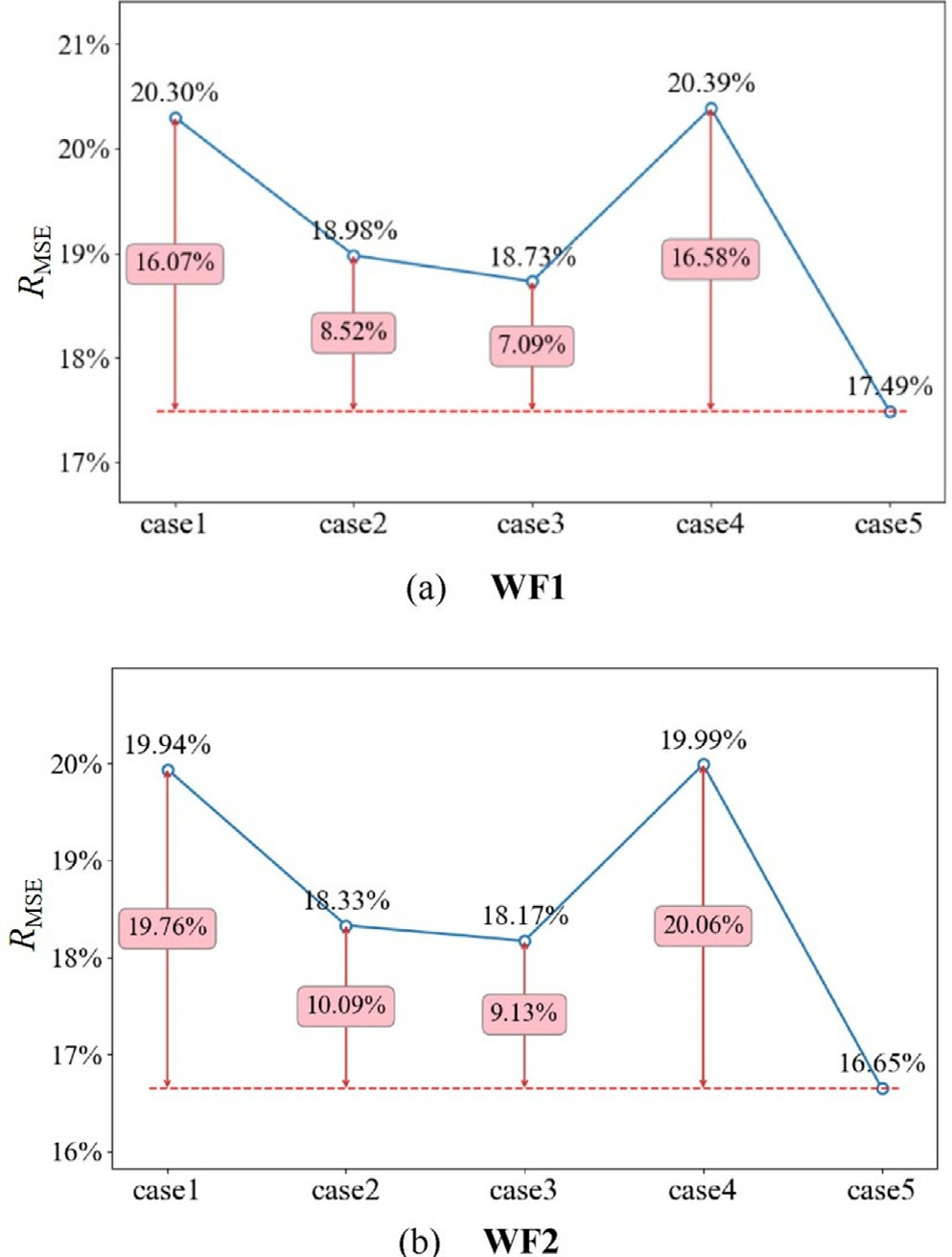
Fig. 6. RMSE of various methods.
To facilitate a more intuitive comparison of forecasting errors across different methods, the forecasting error of each approach are visualized in Figs. 6 and 7. These visualizations clearly demonstrate that the proposed method exhibits significant advantages over the other four approaches.
The power forecasting curves generated by each method are illustrated in Fig. 8. Here, the black line represents the actual power curve, while the red line denotes the forecasting results of the proposed method. It can be observed that the forecasting results from our approach are more closely with the true values and effectively track the actual wind power trends. Compared to the other four forecasting methods, the proposed method demonstrates a distinct advantage.
Taking the LSTM-based Seq2Seq model as an example,a sensitive parameter analysis is conducted on the forecasting model, by varying the batch size and encoder-decoder structure(number of LSTM units)respectively,the results are shown in Table 3. It is necessary to note that, callback function can dynamically adjust the learning rate during model training process, so it is not a fixed value in this study, the sensitive parameter analysis not includes the learning rate.
As shown in the Table 3, the following conclusions can be drawn
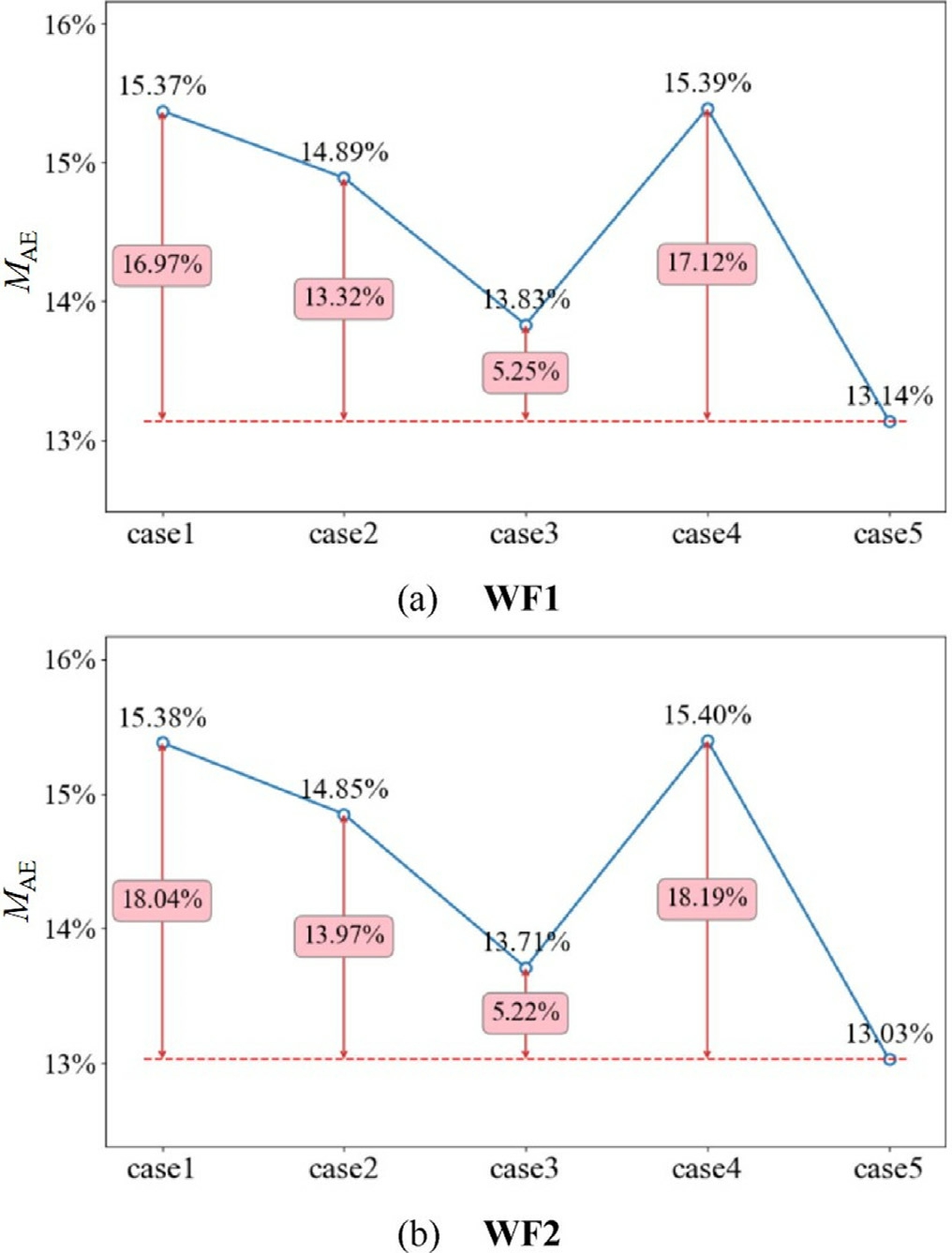
Fig. 7. MAE of various methods.
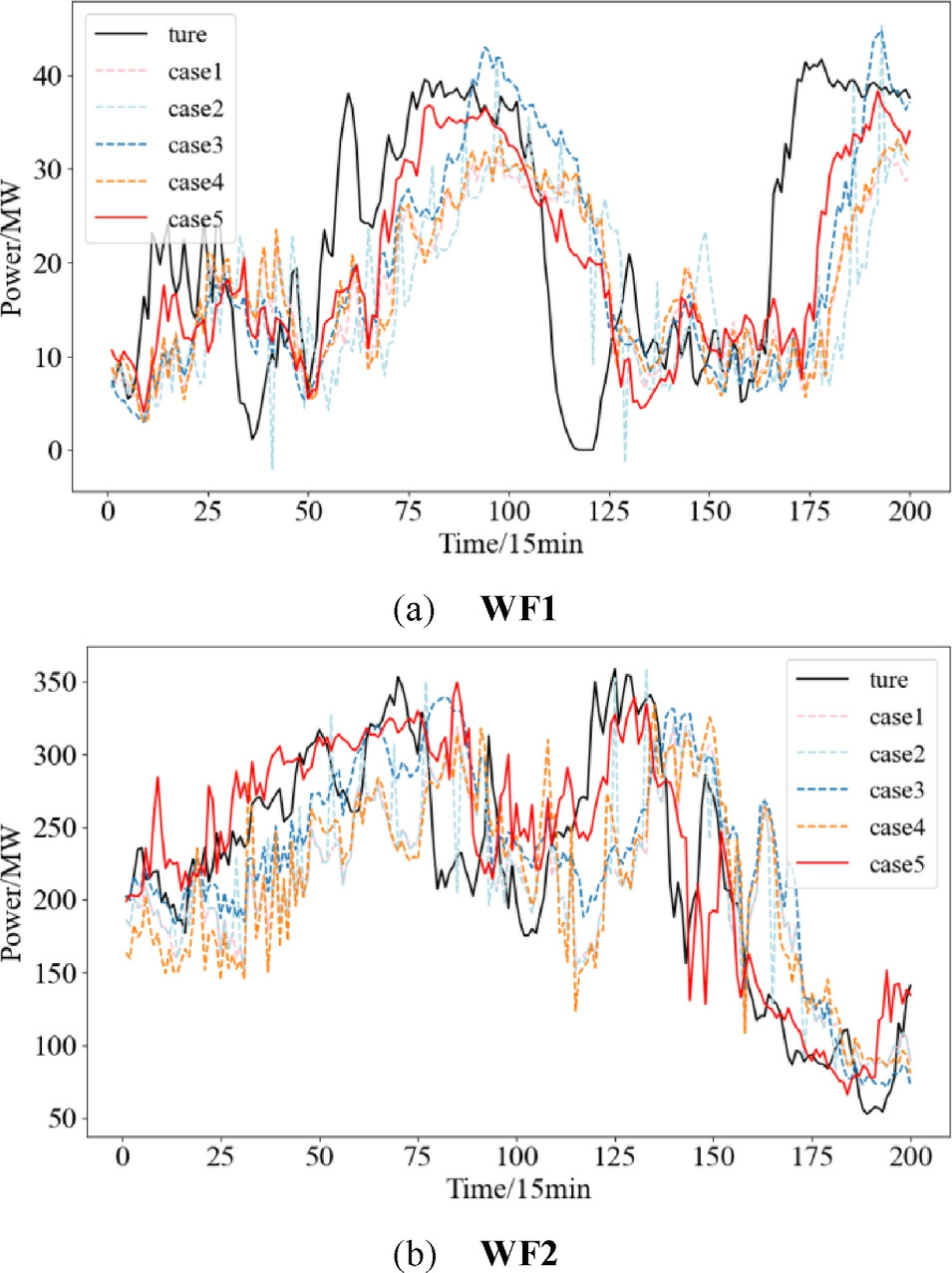
Fig. 8. Forecasting time series of various methods.
Table 3
Forecasting results of sensitive parameter analysis.
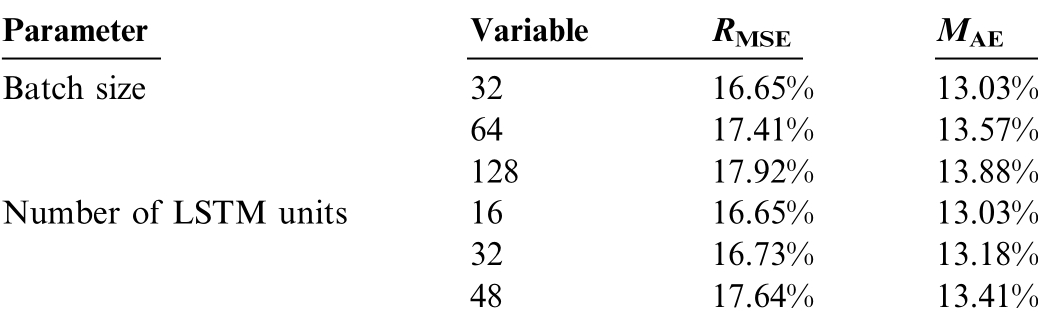
1) When keeping other parameters constant and only adjusting the batch size, a smaller batch size yields higher forecasting accuracy. Although smaller batch sizes are generally preferable, they necessitate increased computational resources.Therefore,selecting an appropriate batch size involves balancing these factors.
2) When keeping other parameters constant and only adjusting the number of LSTM units. It can be seen that the number of LSTM layers is not necessarily better with more layers; an increase in the number of layers not only leads to a higher computational burden but may also result in gradient loss during computation, causing a decline in forecasting accuracy.
6.3 Stability analysis of monthly forecasting
To further validate the effectiveness and robustness of the proposed method, box plots are employed to illustrate the monthly forecasting errors across different approaches.As shown in Figs. 9 and 10, the proposed method exhibits an average forecasting RMSE range of 12.95–21.03%(MAE:10.23–17.01%) with a median RMSE of 17.38%(MAE:12.98%) across the two wind farms. In comparison,the other three online forecasting methods exhibit an average forecasting RMSE range of 13.27–24.89% (MAE:9.80–19.29%) and a median RMSE of 18.42% (MAE:14.20%);the offline forecasting method exhibits an average forecasting RMSE range of 12.79–25.74% (MAE:10.09–20.01%) and a median RMSE of 18.92% (MAE:14.83%). As demonstrated by the box plot, the proposed method exhibits a more concentrated forecasting error distribution and a lower median error.It is evident that the proposed method offers enhanced forecasting stability and stronger adaptability to data variations.
6.4 Analysis of timeliness
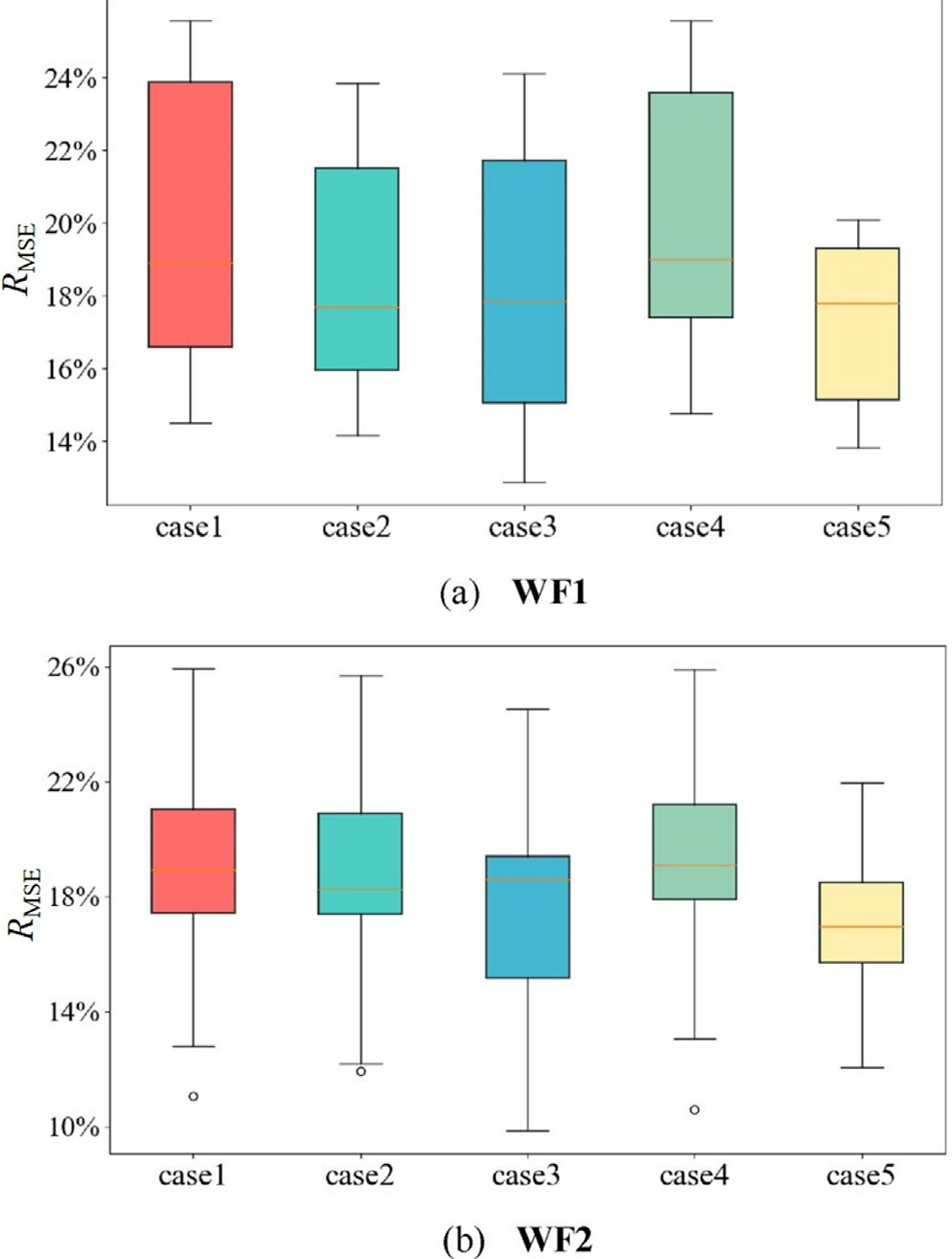
Fig. 9. Monthly forecasting RMSE box plot of various methods.
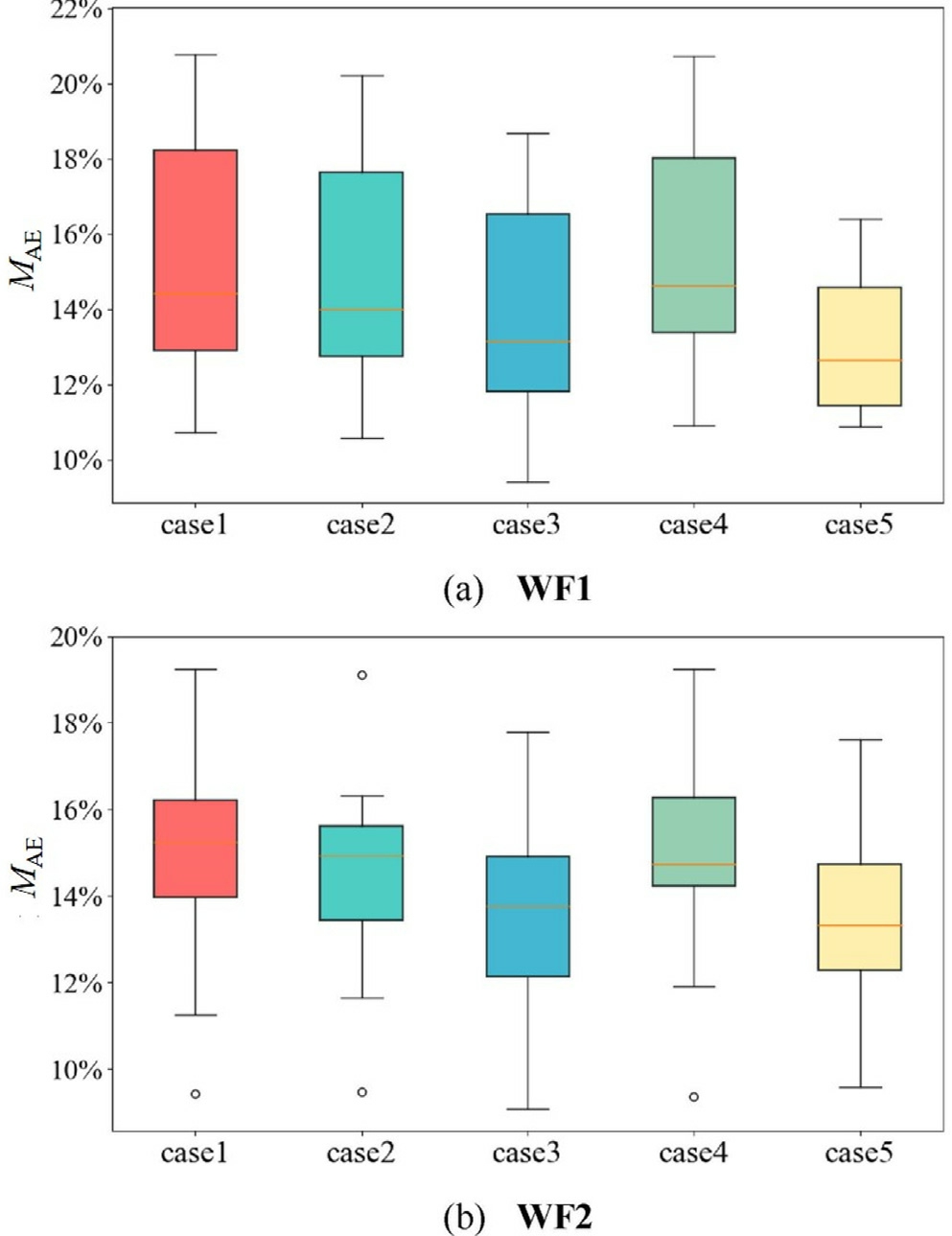
Fig. 10. Monthly forecasting MAE box plot of various methods.
Table 4 Forecasting time of various methods.
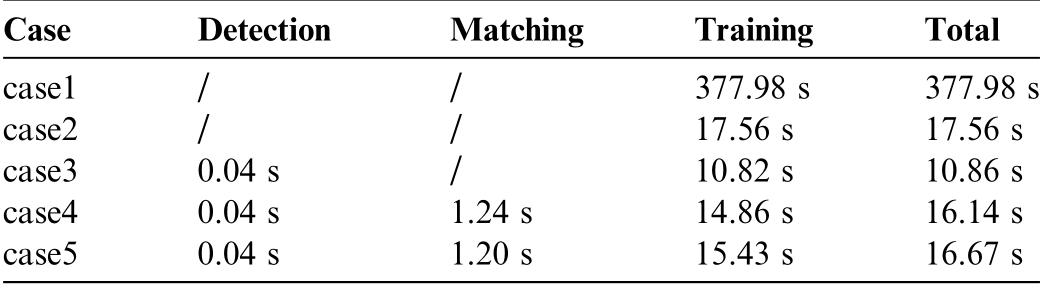
The forecasting time of all methods is p resented in Table 4. It can be observed that the online modeling strategies require less than 20 s, achieving nearly 23-fold reduction in time compared to the offline modeling strategy, thereby ensuring the timeliness requirements of ultra-short-term power forecasting. Among the online strategies, case3 and case4, whereas faster, fail to guarantee forecasting accuracy.In contrast, the proposed method (case5) effectively detects concept drift and selects more representative samples, ensuring both forecas ting accuracy and the timeliness requirements of ultra-short-term power forecasting.
6.5 Ablation study
The context-driven dynamic modeling method for ultrashort-term wind power forecasting incorporates two modules: online detection of concept drift based on contextual relevance and online model fine-tuning introducing future meteorological predict information.To separately validate the effectiveness of these two modules, two benchmark methods are established for ablation study, with configurations detailed as follows:
case5-1: Using an online detection of concept drift based on contextual relevance, if concept drift is detected,the forecasting model is fine-tuned with the previous 2-hour historical power data.
case5-2:Every 2 h,the model is updated using an online model fine-tuning introducing future meteorological predict information
Ablation study is conducted based on the actual operational data from two wind farms, with forecasti ng results presented in the Table 5. Through comparative analysis,the following conclusi ons can be drawn:
1) When comparing proposed method(case5) with case5-1, the RMSE for both wind farms decreased by 1.83% and 5.11% respectively, while MAE decreased by 3.19% and 6.14%. This indicates that the proposed online model fine-tuning introducing future meteorologi cal predict information enables the model to capture power mapping relationships under current scenarios, achieving adaptive optimization and effectively addressing concept drift.
2) When comparing proposed method(case5) with case5-2, the RMSE for both wind farms decreased by 10.29% and 11.71% respectively, and MAE decreased by 14.54% and 14.89%. This demonstrates that the proposed online detection of concept drift based on contextual relevance can effectively identify concept drift samples, prevent blind model updates,and significantly improve forecasting accuracy.
6.6 Robustness analysis of basic forecasting model
In addition to Seq2Seq, CNN (Convolutional Neural Network), GRU (Gated Recurrent Unit), BERT (Bidirectional Encoder Representations from Transformers), and DLinear (Decomposition-Linear) are respectively used as foreca sting models to validate the effectiveness of the proposed method. Their forecasting errors are respectively calculated as shown in Tables 6–Table 9.
It can be seen that regardless of which forecasting model is used, the forecasting accuracy of the proposed method is higher than that of the other four methods,which fully demonstrates the effectiveness of the proposed forecasting approach.
Table 5 Forecasting results of ablation study.
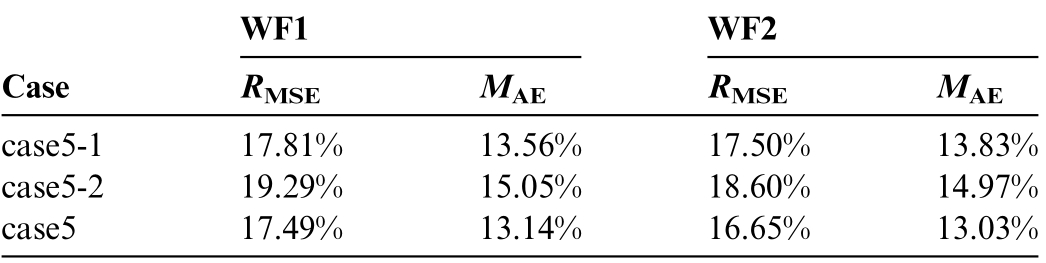
Table 6 Performance of various methods (CNN as basic model).
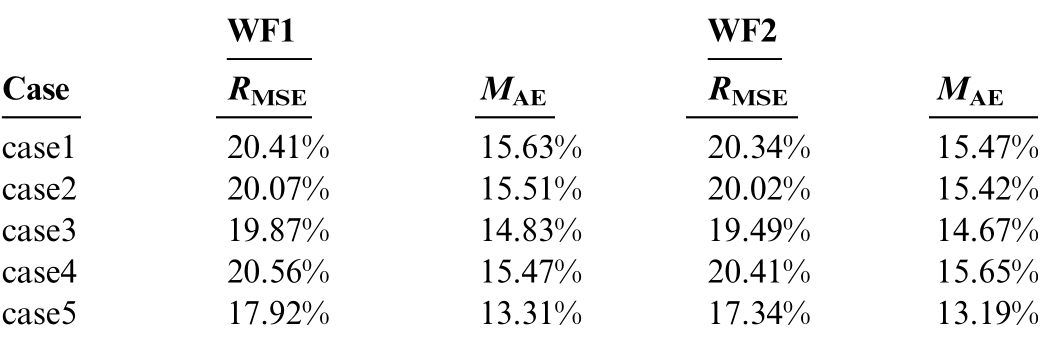
Table 7 Performance of various methods (GRU as basic model).
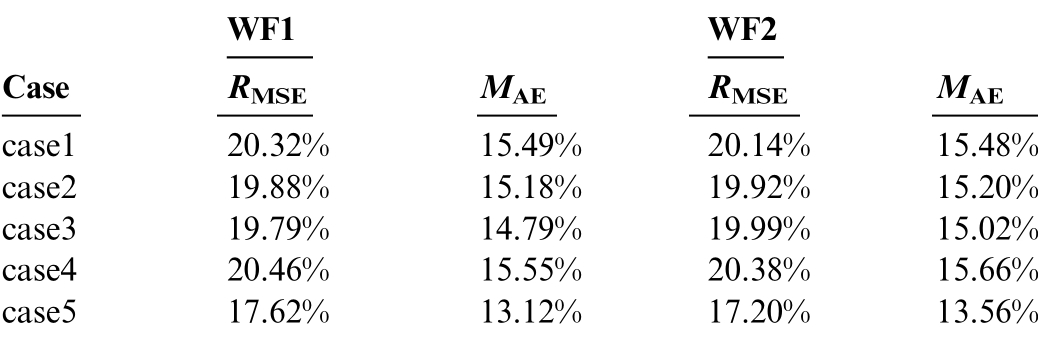
Table 8 Performance of various methods (BERT as basic model).
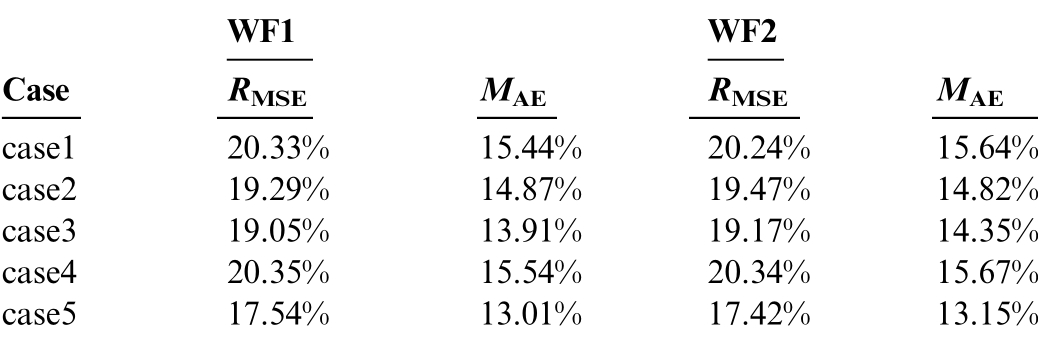
Table 9 Performance of various methods (DLinear as basic model).
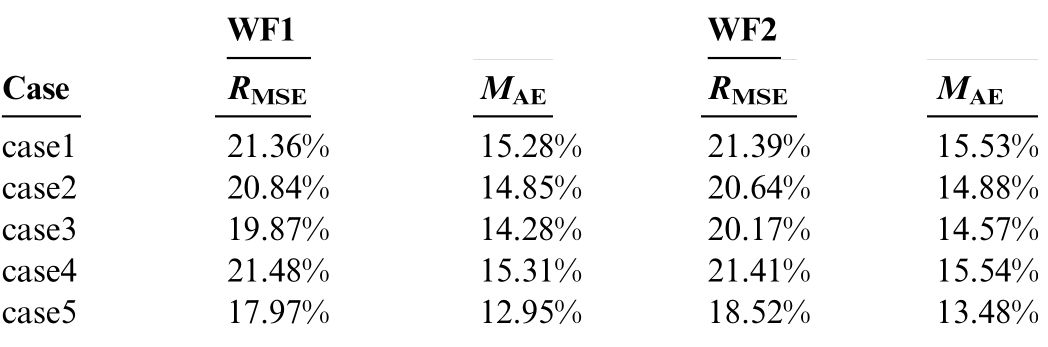
7 Conc lusion
This paper proposes a context-driven dynamic modeling method for ultra-short-term wind power forecasting,including three components: initial model construction,online concept drift detection, and online model finetuning. The proposed method fully considers contextual factors to effectively mitigate the concept drift problem,thereby enhancing the forecasting accuracy. Operational data of two wind farms in China is used to verify the effectiveness and robustness of the proposed method. Specific conclusions are as follows:
1) Compared to offline modelling method (case1), the proposed method reduces average forecasting error by16.07%and 19.76%of twowindfarms,respectively.
2) The update time of forecasting model is determined by calculating the degree of divergence in contextual relevance among samples similar to the model’s input power. It can effectively identify concept drift,provide accurate model update signals, and minimize forecasting error. At the same time, it can also avoid the problem of high computational costs caused by frequent model rebuilding.Compared to online periodic modeling(case2),the proposed method achieves error reduction of 8.52% and 10.09% in two wind farms, respectively.
3) The proposed online model fine-tuning method retrieves samples that are similar to both the model’s input power and NWP wind speed from the historical database. This approach effectively overcomes concept drift while avoiding catastrophic forgetting,thereby enhancing forecasting accuracy. Compared to the incremental learning-based fine-tuni ng method(case3) and fine-tuning method for similar samples selection based on input power(case4),the proposed method achieves average error reduction of 8.11%and 18.32% in two wind farms, respectively.
4) During online model fine-tuning, an early stopping mechanism and callback function are employed to control iteration count and learning rate. The proposed forecasting method completes a single training in approximately 20 s, ensuring meet the timeliness requirements of ultra-short-term power forecasting.
CRediT authorship contribution statement
Xuanru Chen: Writing – original draft, Software,Methodology, Formal analysis. Han Wang: Writing –review & editing, Supervision, Methodology, Funding acquisition, Conceptualization. Yuhao LI: Validation,Software, Method ology.Jie Yan:Writing–review&editing, Visualization. Shuang Han: Validation, Resources.Yongqian Liu: Supervision.
Declaration of competing interest
The authors declare that they have no known competing financial interests or personal relationships that could have appeared to influence the work reported in this paper.
Acknowledgments
This work was supported by National Key R&D Program of China (2025YFE0110900), Inner Mongolia autonomous region ‘‘Selecting The Best Candidates to Undertake Key Research” project (2024JBGS0054).
References
[1]F.L. Song, H. Mehedi, C.H. Liang, et al., Review of transition paths for coal-fired power plants, Global Energy Interconn. 4 (4)(2021) 354–370.
[2]Y.Q. Liu, H. Wang, S. Han, et al., Quantitative method for evaluating detailed volatility of wind power at multiple temporalspatial scales, Global Energy Interconn. 2 (4) (2019) 318–327.
[3]H. Wang, N. Zhang, E.S. Du, et al., A comprehensive review for wind, solar, and electrical load forecasting methods,Global Energy Interconn. 5 (1) (2022) 9–30.
[4]F. Shahid, A. Zameer, M. Muneeb, A novel genetic LSTM model for wind power forecast, Energy 223 (2021) 120069.
[5]J. Dowell, P. Pinson, Very-short-te rm probabilistic wind power forecasts by sparse vector autoregression, IEEE Trans.Smart Grid 7 (2) (2016) 763–770.
[6]J.W. Messner, P. Pinson, Online adaptive lasso estimation in vector autoregressive models for high dimensional wind power forecasting, Int. J. Forecast. 35 (4) (2019) 1485–1498.
[7]I. Karijadi, S.Y. Chou, A. Dewabharata, Wind power forecasting based on hybrid CEEMDAN-EWT deep learning method,Renew.Energy 218 (2023) 119357.
[8]M.X. Chen, L.F. Shen, H. Fu, et al., Calibration of time-series forecasting: Detecting and adapting context-driven distribution shift, in: Proceedings of the 30th ACM SIGKDD Conference on Knowledge Discovery and Data Mining, ACM, Barcelona Spain,2024, pp. 341–352.
[9]R. Yin, D.X. Li, Y.F. Wang, et al.,Forecasting method of monthly wind power generation based on climate model and long shortterm memory neural network, Global Energy Interconn. 3 (6)(2020) 571–576.
[10]L. Lledo´, V. Torralba, A. Soret, et al., Seasonal forecasts of wind power generation, Renew. Energy 143 (2019) 91–100.
[11]R.X. Bai, Y.T. Shi, M. Yue, et al., Hybrid model based on Kmeans++ algorithm, optimal similar day approach, and long short-term memory neural network for short-term photovoltaic power prediction, Global Energy Interconn. 6 (2) (2023) 184–196.
[12]K.J. Wang, X.X. Qi, H.D. Liu, et al.,Deep belief network based kmeans cluster approach for short-term wind power forecasting,Energy 165 (2018) 840–852.
[13]G.P. Sun, C.W. Jiang, P. Cheng, et al., Short-term wind power forecasts by a synthetical similar time series data mining method,Renew. Energy 115 (2018) 575–584.
[14]C.X. Miao, H. Li, X. Wang, et al., Ultra-short-term prediction of wind power based on sample similarity analysis, IEEE Access 9(2021) 72730–72742.
[15]L. Qin, Y.D. Xiong, K.P. Liu, Weather division-based wind power forecasting model with feature selection, IET Renew.Power Gener.13 (16) (2019) 3050–3060.
[16]R.J. Bessa, V. Miranda, A. Botterud, et al., Time-adaptive quantile-copula for wind power probabilistic forecasting, Renew.Energy 40 (1) (2012) 29–39.
[17]Y.H. Li, H. Wang, J. Yan, et al., Ultra-short-term wind power forecasting based on the strategy of ‘‘dynamic matching and online modeling”, IEEE Trans. Sustain. Energy 16 (1) (2025)107–123.
[18]X.R. Dai, G.P. Liu, W.S. Hu, An online-learning-enabled selfattention-based model for ultra-short-term wind power forecasting,Energy 272 (2023) 127173.
[19]C.Y. Pan, S.L. Wen, M. Zhu, et al.,Hedge backpropagation based online LSTM architecture for ultra-short-te rm wind power forecasting, IEEE Trans. Power Syst. 39 (2) (2024) 4179–4192.
[20]Y.T. Li, Z.Y. Wu, Y. Su, Adaptive short-term wind power forecasting with concept drifts, Renew. Energy 217 (2023)119146.
[21]L. Von Krannichfeldt, Y. Wang, T. Zufferey, et al., Online ensemble approach for probabilistic wind power forecasting,IEEE Trans. Sustainable Energy 13 (2) (2022) 1221–1233.
[22]J.D. Wang, Y.D. Cao, H.K. Jin, et al., An adaptive deep learning method integrating transfer learning and concept drift detection for wind power forecasting, in: 2024 43rd Chinese Control Conference(CCC), IEEE, Kunming, China, 2024, pp. 6275–6280.
[23]P. Kou, F. Gao, X.H. Guan, Sparse online warped Gaussian process for wind power probabilistic forecasting,Appl.Energy 108(2013) 410–428.
[24]H.P. Jin, Y.L. Li, B. Wang, et al., Adaptive forecasting of wind power based on selective ensemble of offline global and online local learning, Energ. Conver. Manage. 271 (2022) 116296.
[25]H. Wang, Y.Z. Li, J. Yan, et al., A novel minute-scale prediction method of incoming wind conditions with limited LiDAR data,Renew. Energy 240 (2025) 122235.
[26]C. Gallego, P. Pinson, H. Madsen, et al., Influence of local wind speed and direction on wind power dynamics–applica tion to offshore very short-term forecasting, Appl. Energy 88 (11) (2011)4087–4096.
Received 4 May 2025;revised 7 August 2025; accepted 27 September 2025
Peer review under the responsibility of Global Energy Interconnection Group Co. Ltd.
* Corresponding author at: State Key Lab of Alternate Electrical Power System with Renewable Energy Sources, China.
E-mail address: wangxiaohan0420@163.com (H. Wang).
https://doi.org/10.1016/j.gloei.2025.09.006
2096-5117/© 2026 Global Energy Interconnection Group Co. Ltd. Publishing services by Elsevier B.V. on behalf of KeAi Communications Co. Ltd.
This is an open access article under the CC BY-NC-ND license(http://creativecommons.org/licenses/by-nc-nd/4.0/).