
0 Intr oduction
1) Research background and significance
Driven by the global energy transition and the urgent‘‘dual carbon” goals (carbon peak and carbon neutrality),regional integrated energy system (RIES) planning is undergoing a paradigm shift from carbon reduction to negative carbon emissions [1]. Based on geographical scope and energy interaction characteristics, IES can be classified into cross-regional,regional,and user-level systems[2]. In recent years, with the proposal of‘‘dual carbon”goals,research on
RIES has received increasing attention [3]. RIES can achieve integrated utilization of traditional fossil fuels,renewable energy, and unutilized energy through various energy coupling devices, enabling conversion between heterogeneous energy sources to achieve multi-energy complementarity and cascade utilization—an effective pathwa y toward achieving ‘‘dual carbon” goals [4]. Furthermore,integrating flexible multi-energy loads (e.g., from data centers, electric vehicles, and smart buildings) increases complexity and opportunity, making accurate demand-side modeling equally critical for optimal system configuration and operation. Since RIES can adjust the spatiotemporal distribution of different energy sources,it plays a crucial role in optimizing energy structure and has gradually become a research hotspot.
Renewable energy sources offer advantages including high cleanliness, low generation costs, convenient installation, and mature grid-connection technologies, and have been widely applied in industrial production and daily life. However, the accommodation of renewable energy remains a significant challenge. This challenge originates from the intermittent and stochastic nature of solar and wind resources, introducing significant uncertainties into planning and operation. Consequently, advanced modeling frameworks beyond deterministic paradigms are necessary. The development of RIES provides new approaches for renewable energy integration[5]. Within RIES, difficult-to-accommodate renewable energy can be converted into other energy forms through various coupling devices, increasing renewable energy accommodation rates and reducing curtailment costs for wind and solar power. Nevertheless, joint research on wind, solar, gas, and other energy sources still requires deeper investigation, making further research on RIES highly necessary.
RIES comprise interconnected networks including intelligent distribution systems, medium–low pressure natural gas systems, and heating, cooling, and water supply systems, with active distribution networks, hybrid energy storage, and energy conversion technologies at their core.Compared with inter-regional integrated energy systems,RIES shows stronger coupling between energy subsystems;compared with user-level IES, RIES has a moderate scale,better implementation capabilities in engineering applications, and is well matched with industrial parks,large commercial complexes, residential communities and similar scenarios—in which the flexibility of heterogeneous energy interactions can be most effectively utilized. Therefore,RIES represent a crucial form for achieving low-carbon transformation of energy systems [6].
Internationally, RIES have become an important configuration for energy transition. The European Union’s Energy Union strategy positions RIES as a key pathway toward energy security, sustainability, and competitiveness. In Germany’s Energiewende (energy transition) plan,RIES planning plays a vital role in achieving highpercentage renewable energy integration. Denmark’s Samsø Island and Australia’s King Island have achieve d 100% renewable energy supply based on RIES. The UK’s Energy Systems Catapult has promoted multiple demonstration projects, such as Newcastle’s Smart Grid laboratory and Manchester’s Triangulum project, achieving electricity-heat-gas multi-energy complementarity.
Therefore, conducting a comprehensive and systematic review of RIES planning theories and methods, and deeply understanding its paradigm shift from single-energy system planning to multi-energy synergy and low/negative-carbon planning, holds significant theoretical and practical value for advancing the green and low-carbon transition of energy systems.
2) Scope and methodology of the review
We conducted the literature search using three major academic databases: Web of Science, Scopus, and China National Knowledge Infrastructure (CNKI). Web of Science and Scopus were selected for their comprehensive coverage of high-quality, peer-reviewed international publications in English, which are widely recognized in systematic reviews and bibliometric analyses. CNKI was included to capture seminal research published in Chinese, particularly those addressing regional policies, practical case studies,and modeling adaptations specific to China’s context—a critical aspect of RIES development. Although other databases (e.g., EI Compendex, IEEE Xplore, ScienceDirect)are also valuable, their content largely overlaps with Scopus and Web of Science, and they focus more on specific su bfields.Our three-database approach ensures broad coverage of international and Chinese literature, minimizes language and regional bias, and maintains methodological rigor.
We used a combination of keywords including ‘‘regional integrated energy system”, ‘‘RIES planning”,‘‘multi-energy flow”, ‘‘energy hub”, coupled with carbonrelated terms such as ‘‘carbon neutrality”, ‘‘carbon emission”, ‘‘carbon trading”, and ‘‘carbon capture”. The timespan was set from 2000 to 2025 to trace the field’s evolution from its conceptual origins to its current intelligent, lowcarbon paradigm. These articles present novel modeling frameworks, optimization algorithms, or empirical case studies related to RIES planning. We paid special attention to literature addressing the intersection of energy system integration and carbon management,which forms the core contribution of this review. This structured approach ensures the subsequent analysis rests on a representative and robust knowledge foundation, minimizes selection bias, and effectively captures the paradigm shift from carbon reduction to negative carbon in RIES planning.
A bibliometric analysis of the literature over the past two decades reveals a clear evolutionary path of research paradigms in the field of RIES planning. This evolution is not a linear accumulatio n of technologies but represents a fundamental shift in research focus and core cognitive dimensions.
Fig. 1 visually demonstrates the rapid growth trend in RIES research publications, notably accelerating after 2015 and exhibiting exponential growth following the proposal of the ‘‘dual carbon”goals in 2020.This macro-level trend confirms the field’s vigorous development and increasing importance.
More profoundly, a structural analysis of the literature content further uncovers the intrinsic logic of this paradigm shift. Fig. 2, categorizing publications by technical route, shows the rapid rise of artificial intelligence-driven models, signifying the adoption of style="vertical-align: middle; text-align: center;">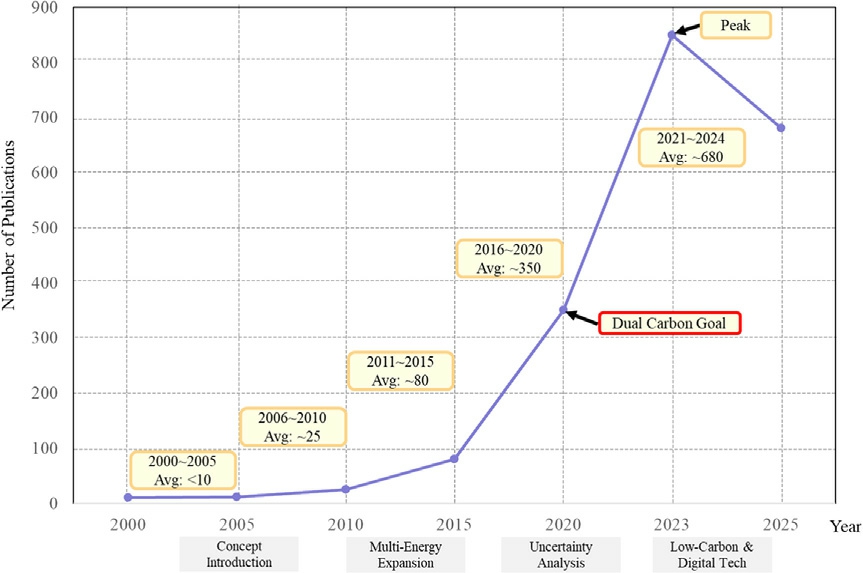
Fig. 1. RIES research papers change trend.
Guided by this ‘‘dimensional evolution” narrative and structured around the CEE (Carbon-Energy-Economy)framework, this paper is organized as follows:Section 1 formalizes the paradigm evolution and introduces the CEE framework as the new theoretica l core for RIES planning.Section 2 reviews the physical foundations of RIES, including multi-energy coupling, modeling, and flow analysis,under the CEE perspective. Section 3 examines optimization and decision-making methods, focusing on the integration of economic factors wi thin the planning process.Section 4 details the endogenous integration of carbon through constraints, trading mechanisms, and negative emission technologies. Section 5 validates the CEE framework by applying it to analyze and compare global RIES practices.Section 6 summarizes key challenges and outlines future research directions guided by the CEE framework.
1 Paradigm shift in RIES planning and the proposed CEE framework
The evolution of RIES planning is not merely a chronicle of technological accumulation but a reflection of a fundamental shift in research paradigms, driven by escala ting environmental imperatives and advancing analytical capabilities. This chapter first synthesizes the historical trajectory of RIES planning, delineating its clear evolution across three distinct yet interconnected paradigms. Building upon this evolutionary logic, we then introduce the core theoretical contribution of this paper: the CEE triple-dimensional governance framework. This framework is proposed to systematically address the complexities of multi-dimensional synergistic governance in the pursuit of carbon neutrality and negative emissions.
1.1 The evolutionary trajectory: from a single to a tripledimensional paradigm
A bibliometric analysis of the literature over the past two decades reveals a clear evolutionary path, which can be categor ized into three pivotal phases, each expanding the cognitive dimensions of planning.
1.1.1 Phase I: the energy dimension – establishing technical feasibility (Circa 2000–2010)
The initial phase of RIES research was predominantly focused on the energy dimension, addressing the fundamental question of technical feasibility. The primary research objectives were to establish the physical basis for how RIES operates. This period was characterized by conceptual proposals and theoretical modeling of multi-energy coupling, epitomized by the pioneering Energy Hub model. Research efforts concentrated on understanding the coupling mechanisms between different energy vectors (e.g., electricity, heat, gas) and developing foundational multi-energy flow analysis methods. The planning objective functions during this stage were often simplistic, primarily emphasizing technical performance indicators,while economic and environmental factors were typically treated as external boundary conditions rather than endogenous decision variables.
1.1.2 Phase II: the energy-economy dimension – pursuing technoeconomic viability (Circa 2011–2020)
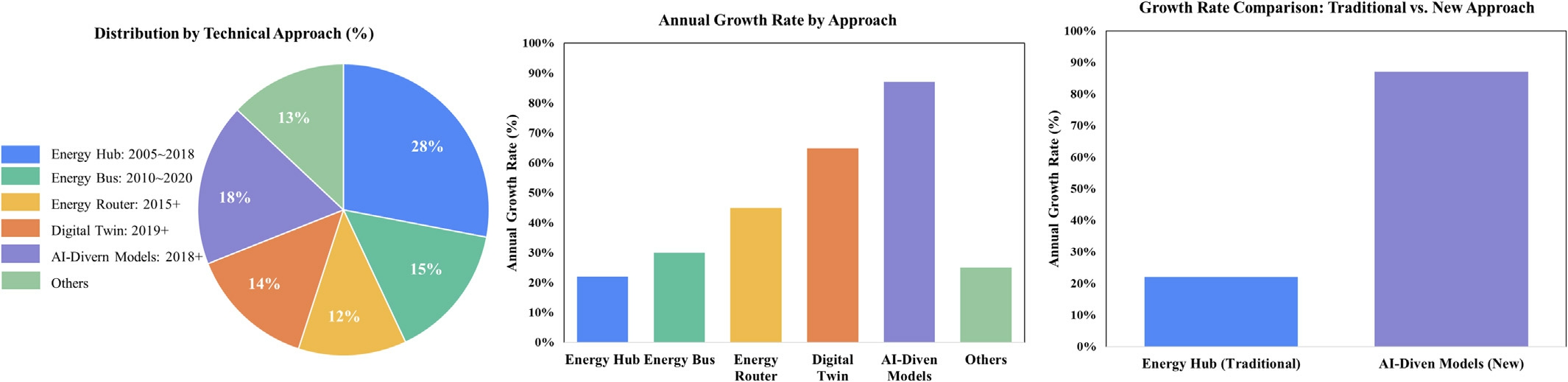
Fig. 2. Classified by technical route.
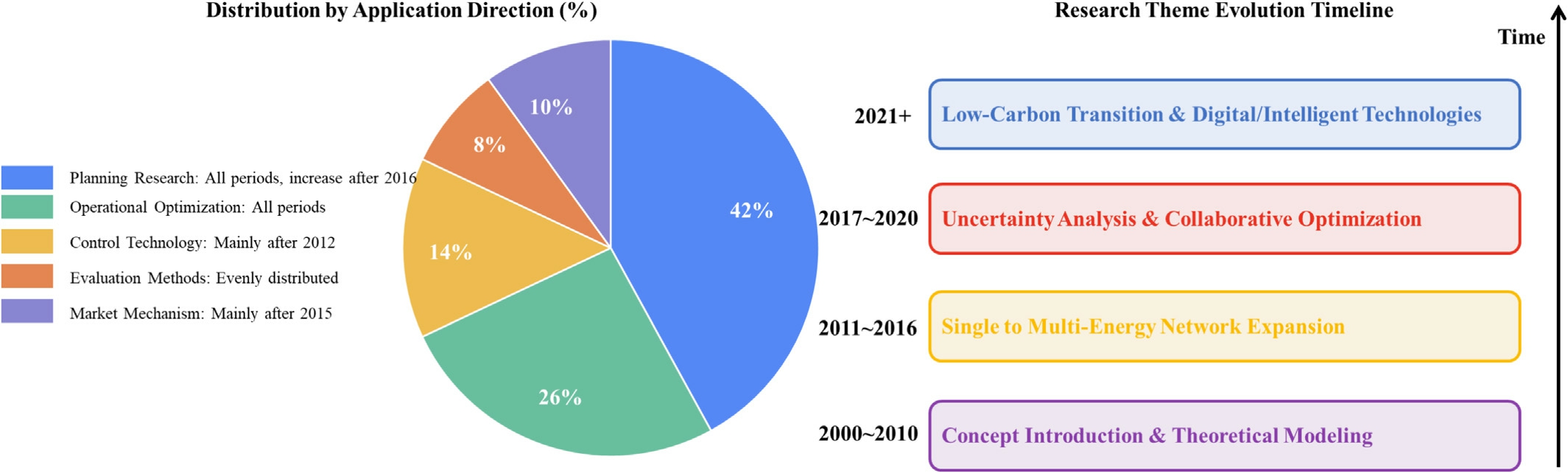
Fig. 3. Classified by application direction.
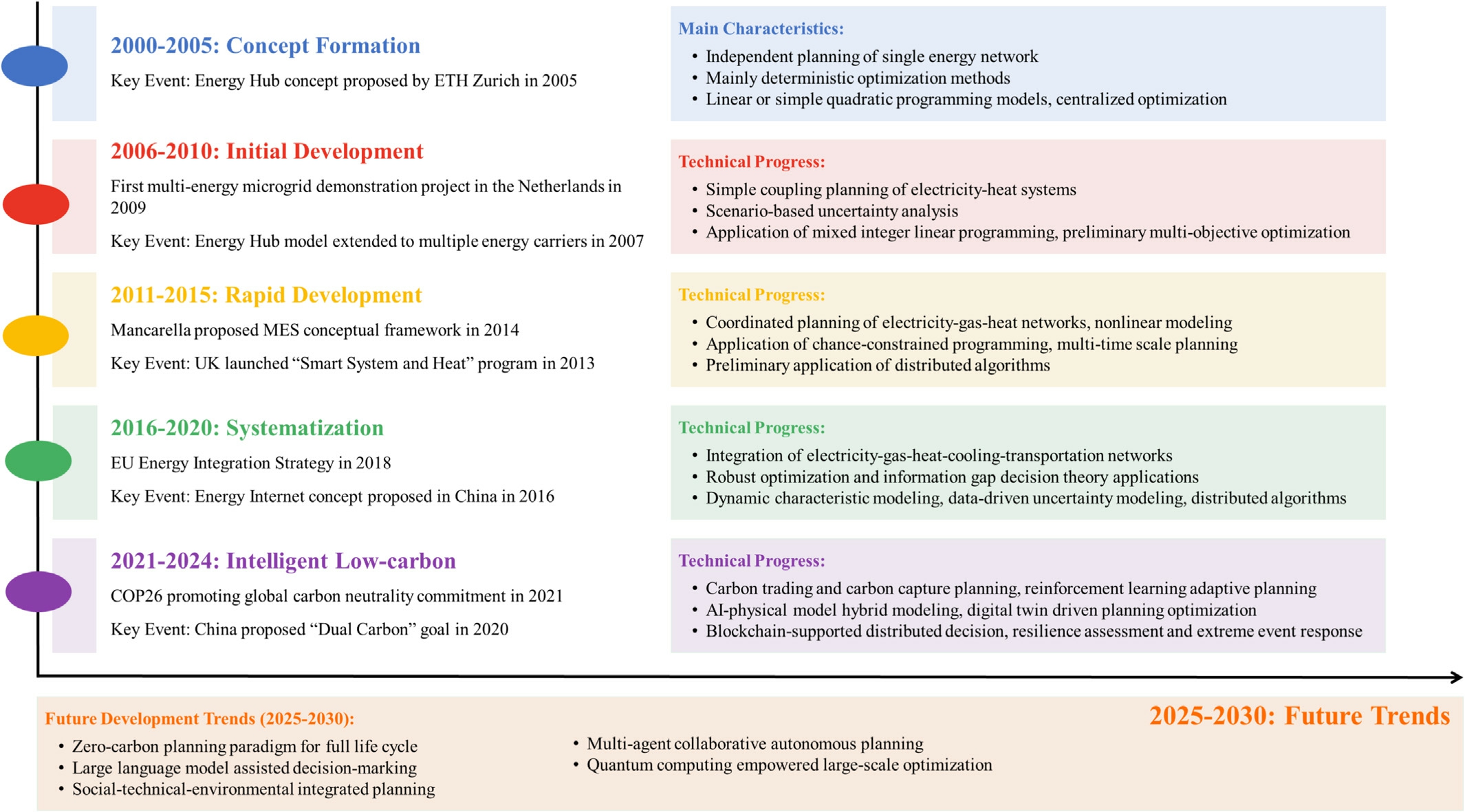
Fig. 4. RIES planning roadmap for key technologies.
The second phase witnessed the formal incorporation of the economic dimension, marking a shift towards technoeconomic viability. Research expanded beyond physical coupling to address the question of how to achieve economically optimal operation, especially under the uncertainty introduced by renewable energy integration. This period saw significant advancements in optimization objectives, which evolved from simple cost minimization to more comprehensive models incorporating operational and environmental costs. Sophisticated solution algorithms, including convex optimization and heu ristics,were developed to solve the resulting complex planning models.The focus on uncertainty analysis and collaborative optimization underscored the deep integration of economic considerations. However, within this two-dimensional framework, the carbon factor was still largely treated as an externality—either a rigid emission cap or a carbon tax internalized as a cost—failing to capture its profound interactive mechanisms with internal system dynamics.
1.1.3 Phase III: the emerging CEE dimension – striving for technoeconomic-environmental synergy (Circa 2021–Present)
Driven by the global ‘‘dual carbon” goals, the field is now entering a third phase, decisively turning towards the internalization of the carbon dimension. The core pursuit is techno-economic-environmental synergy. Research increasingly focuses on low-carbon transition pathways and the application of digital intelligence. As illustrated in the research roadmap, the carbon dimension has evolved from a peripheral concern to a core variable driving innovation and decision-making. This shift necessitates a planning paradigm that can actively manage carbon emissions as a strategic resource,on par with energy flows and economic value, to enable pathways toward ‘‘zerocarbon” and ‘‘negative-carbon” operations.
1.2 The CEE triple-dimensional governance framework
Based on the paradigm evolution analyzed above, it is evident that a novel theoretical framework is required to unify and guide planning decisions across the carbon,energy, and economy dimensions. This paper proposes the CEE triple-dimensional governance framework to fulfill this critical need.
The CEE framework represents a fundamental paradigm shift from traditional planning methods. Its core innovation lies in endogenizing carbon emissions as a central decision variable, seamlessly integrating it with energy flow dynamics and economic factors into a unified co-optimization model.This transforms carbon from an external constraint or a passive cost factor into an active, manageable element that interacts dynamically and bidirectionally with the other two dimensions. The framework provides a unifie d analytical lens for systematically planning and evaluating RIES targeting carbon neutrality and beyond.
A conceptual visualization of the CEE fram ework is presented in Fig. 5, illustrating the three dimensions a nd their interconnections.
Carbon dimension: the environmen tal imperative
This dimension internalizes the cost and impact of carbon emissions through out the system’s lifecycle. It is governed by:
Carbon emission constraints: These include absolute caps (e.g., annual tonnage limits) or intensity-based targets(e.g., grams of CO2/kWh), which directly dictate the feasible solution space for the energy mix and technology selection.
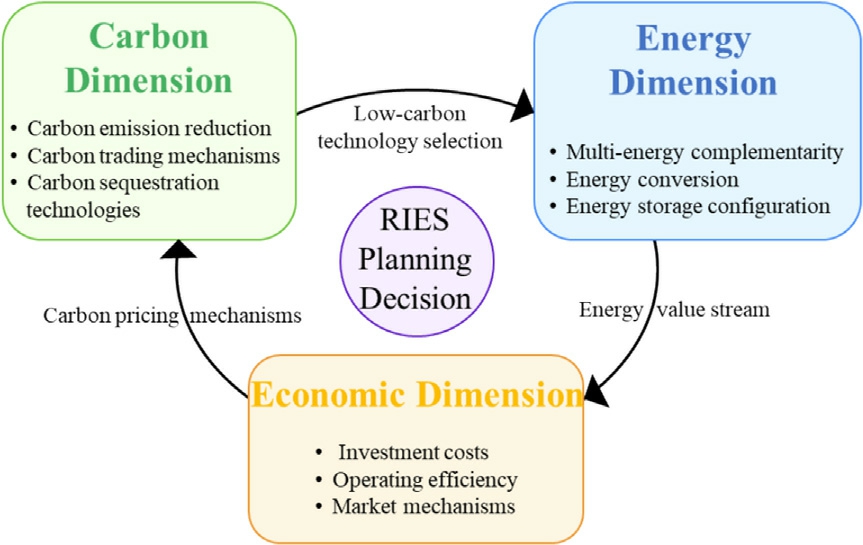
Fig. 5. CEE triple governance framework.
Carbon pricing mechanisms: These include carbon taxes and cap-and-trade systems. A carbon price assigns explicit monetary value to emissions, creating a powerful economic signal that bridges the carbon and economy dimensions. They incentivize investment in low-carbon technologies (e.g., renewables, storage) and penalize operating carbon-intensive assets (e.g., coal-fired generators).
Carbon Capture, Utilization, and Storage (CCUS) technologies: These technologies, including Bioenergy with CCUS (BECCS) and Direct Air Capture (DAC), transform the carbon dimension from a purely limiting factor into an enabling one. They enable negative emissions, fundamentally altering the planning objective from carbon red uction to carbon neutrality or even net-negative carbon operations.
Energy dimension: the physi cal core
This dimension encompasses the physical infrastructure and processes of the RIES, focusing on efficiency,reliability, and flexibility.
Multi-energy complementarity: The core advantage of RIES is the synergistic coupling of electricity, gas, heat,and cooling. Planning must optimize the capacity and operation of conversion devices (e.g., CHP, heat pumps,P2G) to exploit complementary characteristics of different energy vectors. For example, gas networks can provide seasonal storage, while electricity enables high-efficiency conversion.
Energy conversion efficiency: The efficiency of every conversion step (e.g., P2G, P2H) is a critical decision variable.Higher efficiency reduces both energy waste and associated carbon emissions, creating a direct positive feedback loop with the Carbon dimension.
Energy storage configuration: Storage devices (batteries,thermal storage, gas storage) are crucial flexibility resources. They decouple energy production from consumption, enabling higher penetration of intermittent renewables. Their optimal sizing and placement require joint evaluation of their contribution to energy arbitrage(Economic dimension), renewable curtailment reduction(Carbon dimension), and system reliability (Energy dimension).
Economic dimension: the value driver
This dimension ensures the financial feasibility and sustainability of the plan.
Investment & operational costs: This includes the capital expenditure (CAPEX) for new infrastructure and the operational expenditure (OPEX) for fuel, maintenance, and market participation. The trade-off between high-capita lcost/low-operational-cost technologies (e.g., renewables)and low-capital-cost/high-operational-cost technologies is a central planning problem.
Market mechanisms: Price signals from electricity markets, carbon markets, and ancillary service markets govern operational decisions. The framework considers how RIES can actively participate in these markets (e.g., via demand response, virtual power plants) to generate revenue and improve their economic performance.
System value streams: Beyond simple cost minimization,the economic evaluation incorporates broader value streams, including improved resilience, reduced environmental externalities (linked to the carbon dimension),and enhanced social welfare.
Interdimensional interactions and co-optimization: The innovation of the CEE framework lies in modelin g the dynamic interactions between these dimensions:
Carbon-energy Nexus: Carbon policies directly dictate the energy portfolio. A strict carbon constraint forces a shift towards renewables and high-efficiency gas CHP over coal. Conversely, the carbon intensity of the chosen energy mix determines whether carbon targets are met.Technologies like P2G can consume CO2,creating a physical circular flow between the carbon and energy cycles.
Carbon-economy Nexus: This is primarily mediated through carbon pricing. A higher carbon price increases the operational cost of emitting assets, improving the economic competitiveness of clean technologies and thereby reshaping investment decisions (CAPEX). Revenues from carbon trading can also be reinvested into decarbonization projects. The cost of CCUS technologies is a key variable in this nexus.
Energy-economy Nexus: This is the most traditional interaction. The Levelized Cost of Energy (LCOE) and the potential for market arbitrage determine the economic viability of energy technologies. Investments are directed towards technologies that offer the best risk-adjusted return,which is increasingly influenced by the carbon price signal from the carbon-economy nexus.
The central planning decision is therefore a multiobjective optimization problem that finds the Paretooptimal solution balancing these three dimensions. The CEE framework provides the theoretical structure for formulating this problem, where planners can evaluate tradeoffs—for instance, how much additional investment in a BECCS system (increasing CAPEX in the Economy dimension) is justified by the negative emissions it generates (benefit in the Carbon dimension) and the dispatchable power it provides (benefit in the Energy dimension).
The introduction of the CEE framework signifies a fundamental transformation in the philosophy of RIES planning. It expands the decision space of the planning problem from a two-dimensional energy-economy plane to a three-dimensional carbon-energy-economy space.Within this space, carbon is no longer merely an external cost to be minimized, but becomes a core element that can be actively managed and even generate value, for instance through negative emission technologies. Consequently,the objective of planning evolves from‘‘achieving economic optimality under carbon constraints” to ‘‘seeking a system-wide optimal synergistic evolution path across the carbon, energy, and economy dimensions.”
2 The energy dimension: physical foundations and multienergy coupling
2.1 Basic architecture and multi-energy coupling characteristics of RIES
As shown in Fig. 6, a typical RIES contains multiple energy forms including traditional energy, renewable energy, and unutilized energy. Through energy conversion devices such as electric heating, electric cooling, heat pumps, and absorption refrigerators, heterogeneous energy sources can be converted between forms, achieving multi-energy complementarity and cascade utilization.Simultaneously, through battery storage, Power-to-Gas(P2G) technology, heat storage, and cold storage equipment,energy that cannot be accommodated can be stored,balancing supply and demand while addressing the uncertainty and volatility introduced by renewable energy integration [7].
This typical system architecture reveals that the core characteristic of RIES is multi-energy coupling. It is not a simple superposition of multiple energy systems, but rather forms an organic whole through coupling devices and energy storage systems. This integrated structure enables the optimization of energy allocation and utilization across spatial and temporal dimensions, significantly enhancing comprehensive energy utilization efficiency and renewable energy integration capability [6].
2.2 Core modeling methods: from energy hub to energy router
Multi-energy coupling is an essential attribute of RIES,present across energy production, conversion, transmission, storage, and utilization stages. Various energy forms interact and complement each other to jointly maintain energy supply–demand balance in RIES. As the foundation for all analysis and optimization planning of RIES,multi-energy coupling theory and modeling represent the primary key issue in RIES research. RIES involves numerous energy production, storage, and network devices with diverse,tightly coupled,and complex characteristics,challenging comprehensive and efficient modeling of their multi-energy coupling.Research on multi-energy coupling models originated from the Energy Hub theory proposed by ETH Zurich in 2005 [8]. This model constructed a relatively comprehensive static multi-energy coupling model for RIES, encompassing source, network, load, and storage components, and analyzed optimization potential in coupling processes.
Internationally, RIES model research has yielded abundant results. ETH Zurich not only proposed the initial Energy Hub concept but has also developed a newgeneration multi-carrier energy system planning tool called Ehub in recent years, capable of handling city-scale multienergy system optimization problems. Their SCCERFEEB&D research center has applied this tool to multiple urban district planning projects in Zurich and Geneva,achievi ng carbon dioxide emission reductions exceeding 40%.
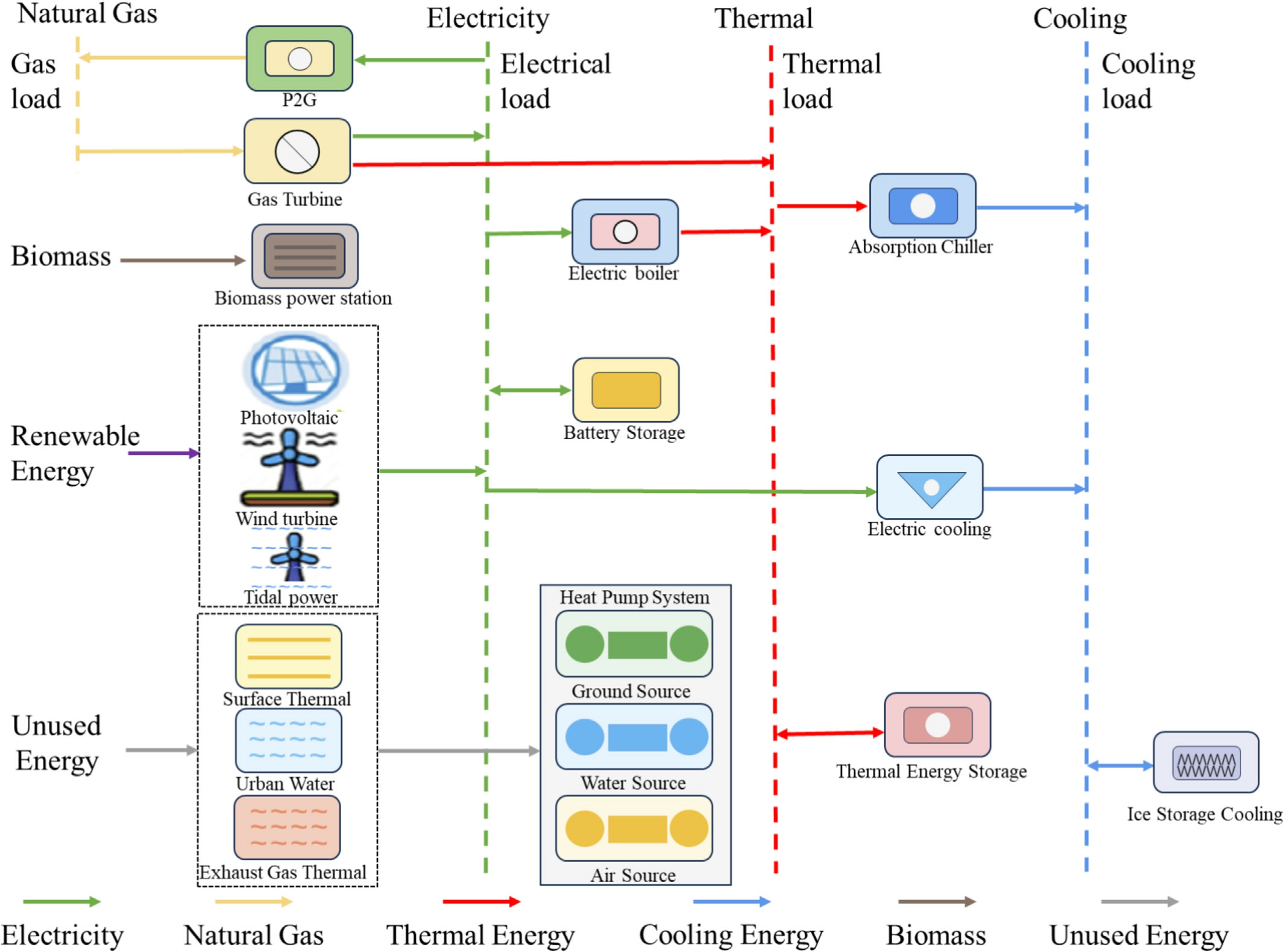
Fig. 6. Typical framework of RIES.
The Energy Hub characterizes the energy transformation relationship of various heterogeneous energies from source to load through energy conversion efficiency and distribution coefficients, serving as a lumped parameter model of different energy conversion devices. The Energy Bus model, in contrast, focuses more on energy flows between various energy conversion and storage devices,with homogeneous energy flowing in and out of corresponding energy buses and satisfying power balance equations. The differences between these two models [9] are shown in Table 1.
The Energy Router concept was proposed by Alex Q.Huang of the FREEDM Center at North Carolina State University to address information flow issues in the energy coupling process of RIES [10]. Unlike the Energy Hub,which focuses on describing power and energy balance and coupling in RIES, the Energy Router emphasizes the communication, control, and management of RIES. Its main components include solid-state transformers, energy management and control modules, and network communication modules. These components control energy flow based on information flow and possess functions including energy control, information assurance, customized demand management, and network operation management, serving as an intelligent control unit within the RIES.
The Energy Router and Energy Hub are two distinct but complementary concepts in RIES modeling. The Energy Hub serves primarily as a static modeling framework for analyzing power and energy balance through conversion efficiencies and coupling matrices. In contrast,the Energy Router is an intelligent physical device that emphasizes real-time communication, control, and management of energy flows based on information algorithms.While the Energy Hub provides the foundational theoretical model for energy coupling, the Energy Router acts as the physical implementation that enables intelligent con-trol and operational flexibility. Their key difference s are summarized in Table 2.
Table 1 A comparative summary of this paper and previous researches.

The classic Energy Hub model proposed by ETH Zurich requires manual execution of the modeling process,lacks scalability, and contains bilinear terms that render the model non-convex, disadvantageous for optim ization planning solutions.In recent years,Energy Hub standardized modeling methods based on graph theory have gained widespread application [11]. This method shares the same basic principle as the classic Energy Hub but sets each branch as a variable during the modeling process, constituting the input vector together with actual input variables, ultimately relating to the output vector through the coupling matrix. This method ensures the mod el is linear convex,improving optimization planning solution effi-ciency, and based on the unified standardized modeling concept, can achieve computer programming automatic modeling with good adaptability and scalability.
In summary, the Energy Hub and Energy Router offer complementary perspectives for modeling RIES: the former establishes the mathematical basis for static analysis and planning, while the latter embodies the physical enabler of intelligent, flexible operation. Together, they form the core pillars for modeling the energy dimension of RIES.
2.3 Multi-energy flow analysis: theoretical foundation and computational methods
As a foundational theory for RIES planning and operational optimization, multi-energy flow analysis has advanced significantly in recent years. Compared to traditional single-energy network analysis, multi-energy flow analysis must simultaneously consider the physical characteristics of different energy subsystems (e.g., electricity,natural gas, heat) and their complex coupling relationships. This presents greater theoretical and computational challenges.
Recent research has made important advances in unified modeling frameworks, solution algorithm efficiency,and network constraint considerations. Example s include the unified multi-energy flow model based on algebraic modeling languages [12], which can flexibly describe various energy networks and their coupling relationships;multi-energy flow calculation methods based on graph neural networks [13], which significantly improve computational efficiency; and multi-energy flow optimization methods that consider physical network constraints [14],making planning results more consistent with actual engineering requirements.
With the in-depth development of the Energy Internet concept, multi-energy flow analysis has also shifted from traditional centralized analysis paradigms toward distributed collaborative analysis. Researchers have proposed distributed multi-energy flow ca lculation methods based on ADMM algorithms[15], multi-agent reinforcement learning collaborative multi-energy flow optimization f rameworks[16], and other novel methods. These approaches can effectively adapt to the heterogeneous characteristics of largescale distributed RIES, improving computational efficiency,scalability, and operational resilience.
Furthermore, in-depth research has been conducted on multi-energy flow models for different coupling types,including electricity-heat coupled multi-energy flow models considering thermal inertia characteristics [17],electricity-gas coupled models considering gas dynamics characteristics [18,19], and electricity-gas-heat fully coupled multi-energy flow models integrating multiple e nergy forms [20]. These models provide a solid theoretical foundation for planning and operation of various types of RIES.
Table 2
Comparison between energy hub and energy router concepts.

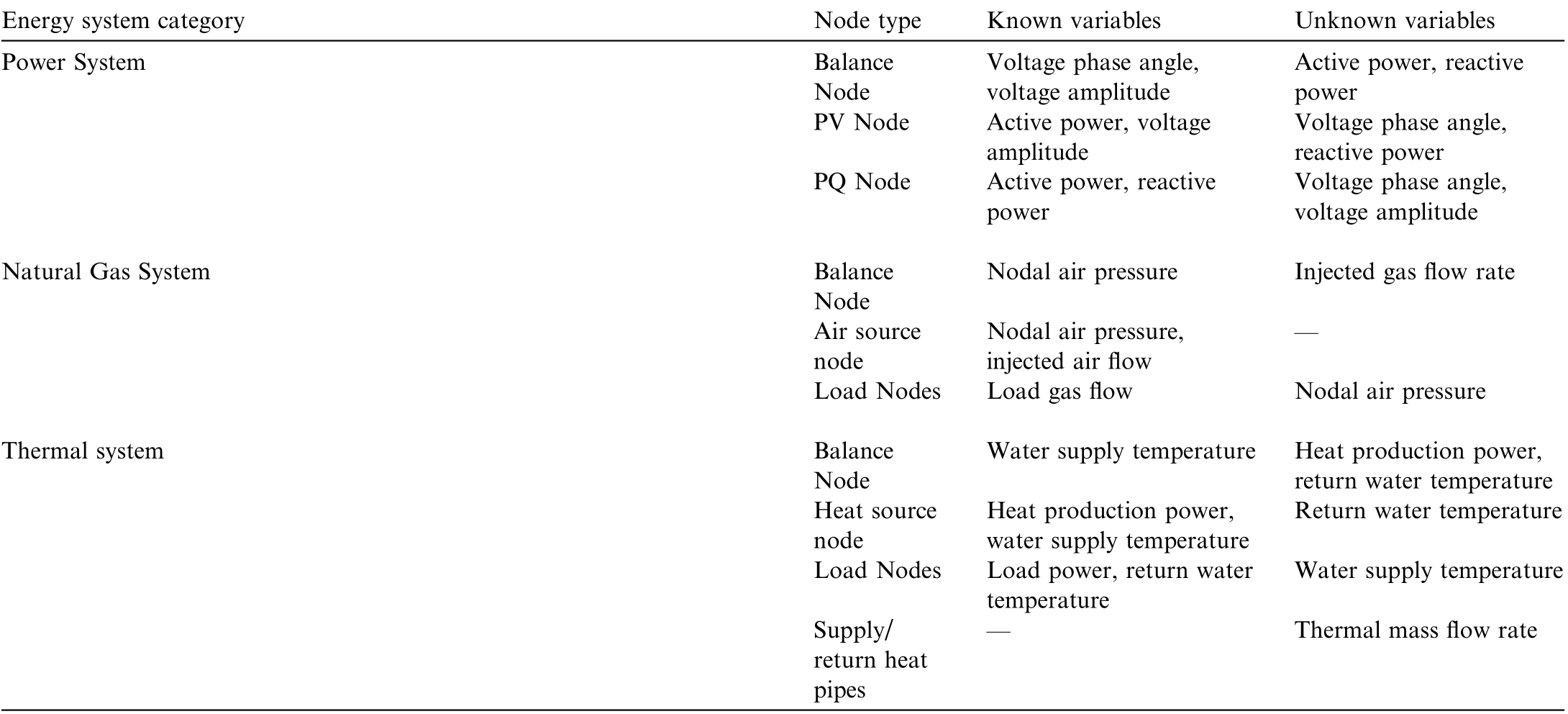
Multi-energy flow calculation first requires classifying nodes in each energy subsystem to clarify known and unknown variables for t he solution process, as shown in Table 3. Power system node types include balance nodes,PQ nodes, and PV nodes, with corresponding variables including voltage phase angle, voltage magnitude, active power, and reactive power. Natural gas system node types include balance nodes, gas source nodes, and load nodes,with corresponding variables including node pressure,injected gas flow rate, and load gas flow rate. Thermal system node types include balance nodes, heat source nodes,load nodes, and supply/return heating pipes, with corresponding variables including heat production powe r, load power,supply water temperature,return water temperature,and thermal mass flow rate in supply/return heating pipes.
Due to different physical characteristics of energy flow transmission media, the time scales of dynamic characteristics across energy subsystems differ significantly. In power systems, energy propagates at nearly the speed of light, with extremely short transient processes typically described by sets of algebraic equations for steady-state power flow. Natural gas system states follow multiple physical laws including mass conservation, momentum conservation, and gas state equations, generally described by partial differential–algebraic equation sets [21–24].Thermal systems rely on thermal mass flow for energy transmission, with energy flow transmission processes characterized by both hydraulic and thermal models.Common thermal system models include delay-loss models[25], piecewise linear models[26,27], nodal method models[28,29], and partial differential equation models based on thermodynamics [30].
Although calculation methods for individual energy systems have matured, developing accurate and computationally efficient multi-energy flow models for RIES remains challenging due to complex coupling relationships and significant time-scale differences among energy types.Currently, the most common method for solving RIES multi-energy flows is the Newton-Raphson method,which can be categorized into unified solution methods and decomposition solution methods based on whether equations from different subsystems are processed simultaneously during solution. Unified solution methods [31,32]simultaneously consider complete equation sets from all subsystems, offering stronger convergence, but when system scale increases, Jacobian matrix dimensions increa se dramatically, significantly raising computational complexity.Decomposition solution methods[33,34] adopt specialized algorithms most suitable for each subsystem to solve separately, then calculate correction quantities through energy flow balance relationships at coupling nodes for iteration, achieving higher compu tational efficiency but potentially requiring more iterations and possibly encountering convergence issues in strongly coupled systems.
To improve the efficiency and accuracy of multi-energy flow calculations, recent research has proposed various innovative algorithms, such as fast multi-energy flow calculation methods based on deep neural networks [35],which establish multi-energy flow mapping relationships through offline learning of historical data, enabling online millisecond-level calculations; dynamic multi-energy flow calculation frameworks based o n model predictive control[36], effectively handling dynamic characteristics of multitime scale systems; and multi-energy flow algorithmsadopting distributed parallel computing [37], significantly improving computational efficiency for large-scale systems through task decomposition and parallel processing. These methods provide strong support for real-time dispatching and optimization of RIES.
Table 3 Node types of RIES.
These methods offer distinct trade-offs in terms of computational effici ency, accuracy, and applicable scale.Table 4 provides a comprehensive comparison of unified solution methods, decomposition methods, neural network-based fast computation, model predictive control frameworks, and distributed parallel computing methods.This comparison offers researchers a clear guide for selec ting the appropriate multi-energy flow calculation method based on specific problem characteristics, such as system size and computational speed requirements.\
2.4 Coping with the uncertainty challenge: modeling and response strategies
Compared to power systems, gas and heating systems have relatively slower transient processes, primarily determined by their lower pressure propagation speeds and medium flow rates, and influenced by system scale. Generally, electrical transmission approaches the speed of light(3 108 m/s), with time scales typically in seconds or microseconds; hydraulic propagation in pipelines approaches the speed of sound (340 m/s), with time scales in minutes or seconds;mass flow rates of fluids in pipelines are relatively slow, with time scales in minutes or hours.Differences in time scales impact the planning, operation,and economic and reliability metrics calculation of RIES.
The large-scale integration of renewable energy introduces significant uncertainties into RIES. Consequently,multi-energy flow analysis must account for these uncertainties. Uncertainties in RIES mainly include random fluctuations in renewable energy output, time-varying characteristics of multi-energy loads, and component failures. Based on mathematical characteristics of different types of uncertainties, researchers have developed various uncertain multi-energy flow calculation methods, primarily including probabilistic multi-energy flow, interval multi-energy flow, and fuzzy multi-energy flow methods.
When sufficient historical data is available to construct accurate probability distribution models for uncertainties,probabilistic multi-energy flow calculation methods are ideal for analyzing renewable energy integration impacts.Current main methods for solving RIES probabilistic multi-energy flows include Monte Carlo simulation method [38], point estimation method [39], and cumula nt method [40]. Characteristics and applicable scenarios of each method are shown in Table 5.
With advances in computational technology and optimization algorithms, probabilistic multi-energy flow calculation methods have also seen important innovations.Researchers have proposed adaptive Monte Carlo methods based on Latin hypercube sampling [41], significantly reducing sample size requirements through optimized sampling strategies; hybrid uncertainty multi-energy flow calculation frameworks based on multi-point estimation[42], capable of simultaneously processing multiple different types of random variables; and higher-order cumulant methods considering non-Gaussian distributions [43],effectively overcoming distribution assumption limitations of traditional methods and improving calculation accuracy.
In RIES applications, probabilistic multi-energy flow has expanded to various coupling scenarios. Examples include electricity-heat RIES probabilistic multi-energy flow calculation methods based on Gaussian mixture models (GMM) and multi-point linear cumulant method [44],accurately describing multi-modal probability distribution characteristics of thermal and electric loads; electricity-gas interconnected RIES probabilistic multi-energy flow calculation methods considering wind and s olar output correlation[45], constructing multi-dimensional joint distribution models through Copula functions; and cooling-heatingelectricity-gas fully coupled probabilistic multi-energy flow methods considering correlation among multipl e uncertainty factors[46], comprehensively evaluating uncertainty propagation mechanisms.
Table 4 Comprehensive comparison of multi-energ y flow calculation methods.
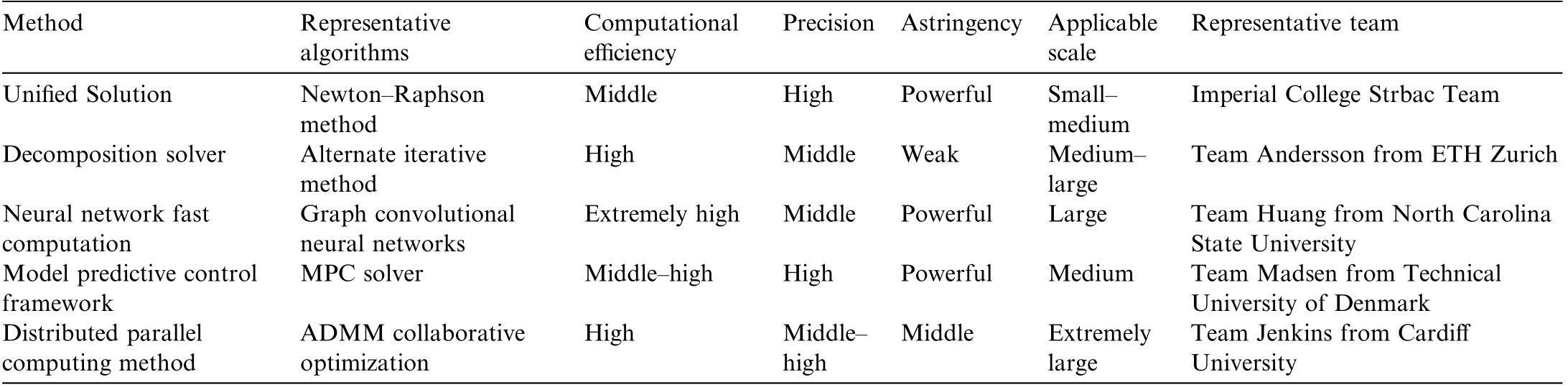
Table 5 Comparison among calculation methods of probabilistic multi-energy flow.

Uncertainty constitutes an inescapable core challenge in RIES planning and operation. It stems from both internal system characteristics, such as the inherent, deterministic uncertainty arising from the time-scale differences in the dynamic behaviors of various energy carriers, and the external environment, including the stochastic nature of renewable energy output and load forecast deviations.Consequently, developing multi-energy flow calculation methods capable of effectively characterizing and handling these uncertainties is crucial for obtaining robust and reliable planning schemes. Beyond probabilistic methods,interval methods and fuzzy methods demonstrate unique advantages when data is scarce or when subjective epistemic uncertainty needs consideration. In recent years,artificial intelligence technologies, particularly Generative Adversarial Networks and deep learning, have provided powerful new tools for more refined and efficient uncertainty modeling.
However, research in this dimension primarily focuses on the system’s technical feasibility and physical laws.The planning objective functions are often relatively simple or solely emphasize technical performance indicators.Economic factors, such as investment return and operational costs, and environmental impacts, particularly carbon emissions, were often treated as externally given conditions or secondary factors during this stage. They were not systematically and endogenously integrated into the core decision-making mechanism of the planning models. This implies that a solution techni cally optimal from the energy dimension might be economically infeasible or environmentally unsustainable. This indicates that relying solely on energy-dimension research is insufficient for guiding practical planning decisions, thereby calling for an expansion of the research paradigm towards broader dimensions—specifically, the formal incorporation of the economic dimension into the core framework of RIES planning.
3 The economic dimension: optimization, decision-making,and market integration
3.1 Objective functions
A low-carbon RIES planning model can generally be represented by Equation(1). Due to the complexity,diversity, and differing characteristics of planning elements,low-carbon RIES planning models can take many forms.Therefore, planning models should be constructed and selected based on actual decision-making needs, focusing on major influencing factors and specific problems to be addressed.


Based on the actual situation of the system to be planned, the objective functions of low-carbon RIES planning mainly include the following categories:
Investment and construction costs: expenditures required for constructing new facilities or renovating existing ones during planning, including energy station investment costs,energy conversion equipment investment costs, power distribution line investment costs, gas pipeline investment costs, hydrother mal pipeline investment costs,energy storage equipment investment costs, etc. These are generally converted to equivalent annual values for calculation alongside other costs.
System operation costs: refer to costs incurred during system operation after planning, including energy station operation costs, energy conversion equipment operation costs, power distribution line operation costs, gas pipeline operation costs, hydrothermal pipeline operation costs,energy storage equipment operation costs, etc. These are also generally calculated using annual operation costs for joint calculation.
Environmental costs: These refer to additional costs incurred for environmental protection. They include actual expenditures (e.g., CO2/NOx treatment costs, carbon emission allowance purchases) or penalty functions within mathematical models (e.g., curtailment penalties for wind/solar) that incentivize carbon reduction and clean energy use.
With the proposal of the ‘‘dual carbon” goals, the weight of environmental costs in RIES planning has increased continuously. Recent research has proposed more refined environmental cost models, such as environmental cost assessment methods considering full life-cycle carbon emissions [47], environmental cost calculation models based on carbon emission flows [48], and dynamic environmental cost assessment frameworks integ rating carbon trading mechanisms [49].
Load shedding costs: These are the costs incurred from forced shedding of electrical, gas, and thermal loads. They generally consist of two parts: the economic cost of the lost load and the responsibility cost of safety accidents caused by the shedding (typically referring to electrical loads).
In recent years, with the development of reliability economics, load shedding cost assessment methods have also been refined. Researchers have proposed differentiated load shedding cost models based on value loss, multienergy load shedding optimization methods considering user satisfaction [50], and load shedding economic impact assessment frameworks based on big data analysis [51].
Beyond mere cost assignment, the flexibility of inherent in certain multi-energy loads can be positively harnessed to achieve planning objectives. Instead of incurring costs through load shedding, schedulable loads can be deliberately shifted to reduce peak demand, mitigate renewable curtailment, and enhance overall system efficiency. For example, shifting computation tasks in data centers [10]or adjusting thermal loads in building clusters can be modeled through demand response constraints, effectively turning a cost center into a valuable planning asset. This appro ach directly influences the optimal capacity of supporting equipment,such as energy storage and conversion devices.
Other objective functions: since the above objective functions can all be uniformly expressed through costs, by assigning appropriate weights, multiple objective functions can be considered simultaneously and solved as a singleobjective optimization problem. However, in low-carbon RIES planning problems, there are also some objective functions that cannot be converted to costs, such as maximizing clean energy penetration rate, minimizing carbon emissions per unit energy consumption, etc. If cost minimization needs to be considered simultaneously, the planning problem becomes a multi-objective optimization problem.
With the diversification of social values, RIES planning objective functions have also become increasingly diverse.Recent research focuses not only on economic and environmental aspects but also considers energy security [52],system resilienc e [53], user satisfaction [54], social equ ity[55], and other objectives, constructing more comprehensive mult i-objective planning frameworks.
As the complexity of planning problems increases, the objective function has also evolved from the initial singleobjective of cost minimization to a complex system that comprehensively considers multiple objectives such as economic efficiency, environmental f riendliness, reliability, and social acceptance. This evolution reflects that RIES planning decisions have shifted from merely pursuing technical optimality towards seeking a balance among multiple values encompassing techno logy, economy, society, and the environment.
3.2 Constraint conditions
Common constraint categories for low-carbon RIES planning mainly include investment constraints and simulation operation con straints. Different problems may also introduce additional constraint.
Investment and construction constraints: Energy system planning problems are essentially investment and construction problems, making investment and construction constraints a critically important category that determines the feasibility of planning schemes. Investment and construction constraints vary depending on planning objects and forms.For example,in multi-stage planning of RIES,equipment and line remaining service life is quantified as residual value,with equipment and lines depreciated using the straight-line method [56]; in phased coordinated planning of RIES, equipment and pipeline selection constraints are considered [57].
With the innovation and diversification of investment and financing models, investment and construction constraints have also increased in complexity and diversity.Recent research has considered the impacts of government subsidies[58], commercial loans[59], Energy Service Company (ESCO) models [60], Public-Private Partnership(PPP) models [61], and other investment and financing methods, leading to the con struction of more practical investment constraint models.
Simulation operation constraints: The most fundamental simulation constraints include multi-energy flow equations, upper and lower power limits for sources (electric,gas, heat), lines, and pipelines, and operational constraints for energy conversion equipment. Additionally, due to the complexity of planning objectives, numerous operational constr aints for various planning elements have been introduced. For example, in electricity-gas-transportation coupled RIES planning, various operational constraints for transportation energy replenishment stations are considered [62]; mathematical modeling of operation modes for fuel cells, electric heat pumps, electric refrigerators, lithium bromide refrigerators, and energy storage devices has been conducted, with energy balance, safety constraints, and operational state constraints for these devices considered in the operation and dispatch model of cooling-heatingelectricity trigeneration RIES [63].
With advancements in digitalization and intelligent technologies, simulation operation constraints have become more refined and dynamic. Recent research has considered equipment dynamic characteristics[64], startup and shutdown constraints [65], ramp constrain ts [66], and various safety constraints [67], making planning results more consistent with actual operational requirements.
Other constraints: besides more regular constraints,many studies have established special constraints to solve problems from different perspectives such as safety, uncertainty, and general modelin g. For RIES operating in island mode, a security constraint considering N 1 grid security has been proposed [68]; considering the potential issue of gas pressure falling below lower limits in natural gas pipelines, natural gas security constraints have been proposed and met through interruptible gas loads [69];an object-oriented modeling method has been proposed for RIES, defining standard models for various components that can establish corresponding power balance and other constraints through paradigms [70].
Recent research has further considered system resilience constraints [71], user comfort constraints [72], renewable energy accommodation constraints[73], and others, which guarantee the safe, economic, environmentally friendly,and user-friendly operation of RIES from different perspectives.
As the scale and complexity of RIES increase, constraint handling has also become more flexible and effi-cient. Constraint automatic generation methods based on knowledge graphs[74], constraint approximation methods based on deep learning [75], and distributed parallel constraint processing technologies[76] provide strong support for planning large-scale complex RIES.
The Energy Futures Lab at Imperial College London,led by Professor Goran Strbac, has developed SIREN(Strategic Investment Model for Renewable Energy Networks), a multi-energy system planning tool based on stochastic mixed-integer programming, which has been successfully applied to London’s low-carbon energy transition planning and adopted by the UK National Grid as a strategic planning tool.
The EnergyPLAN model developed by Professor Henrik Lund’s team at the Energy Systems Analysis Center, Technical University of Denmark, has been applied in over 100 countries worldwide. This model particularly emphasizes the coordinated optimization of combined heat and power systems with intermittent renewable energy, providing theoretical support for Denmark’s achievement of 100%renewable energy supply.
The formulation of constraint conditions is crucial for ensuring the technical feasibility, safety reliability, and operational attainability of a planning scheme. They collectively define the feasible region of the planning problem.Investment constraints delineate the decision space, while simulation operation constraints ensure that any solution selected within this space adheres to the system’s physical laws and safety requirements. As considered factors increase, such as system resilience and user comfort, the constraint set becomes increasingly complex,posing higher demands on solution algorithms.
3.3 Solution algorithms
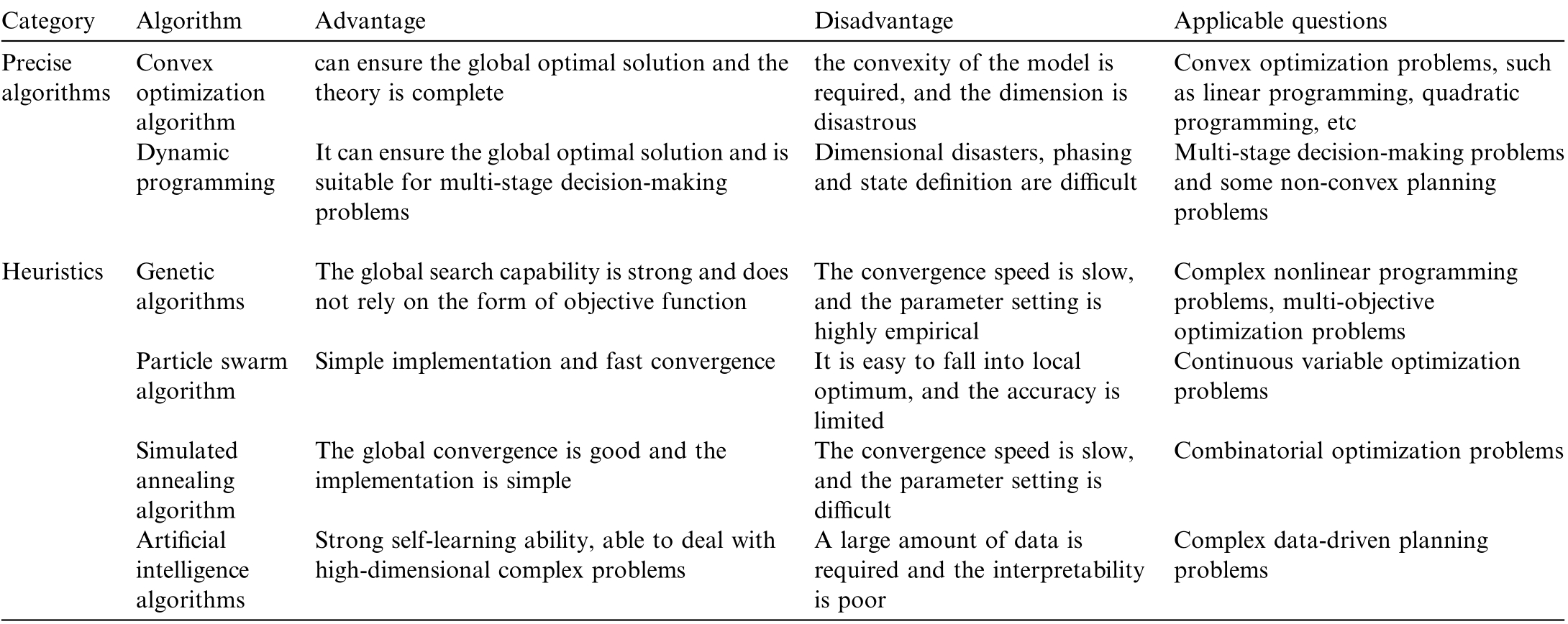
Solution algorithms can be categorized into two major types: exact algorithms and heuristic algorithms. Based on principles, exact algorithms can be further divided into convex optimization algorithms and dynamic programming. Each has advantages and disadvantages, as shown in Table 6, requiring flexible selection of appropriate solution algori thms based on actual problems.
3.3.1 Convex optimization algorithms
Convex optimization algorithms for planning problems typically refer to solution algorithms based on convex analysis, which can be subdivided into deterministic pro-gramming such as linear programming, quadratic programming, semidefinite programming, second-order cone programming, and uncertainty programming such as stochastic programming, robust programming, and distributionally robust programming. In practical applications,there are mainly three approaches: directly constructing convex optimization models, converting non-convex models to convex ones, and establishing convex problems equivalent to the original non-convex problems.
Table 6 Comparison of commonly used solution algorithms for RIES planning.
With deeper theoretical research and development of computational technology, convex optimization algorithms have made important progress in handling RIES planning problems. Recent research has proposed power distribution network power flow relaxation methods based on second-order cone programming [77], non-convex multi-energy flow optimization methods based on semidefinite programming [78], and distributed convex optimization frameworks based on the ADMM [79], which significantly expand the application scope and solution efficiency of convex optimization algorithms.
In handling uncertainty, convex optimization algorithms have also seen new developments, such as uncertainty modeling methods based on interval linear programming [80], style="font-size: 1em; text-align: justify; text-indent: 2em; line-height: 1.8em; margin: 0.5em 0em;">Particularly with the development of large-scale optimization technology, convex optimization algorithms have achieved breakthroughs in handling large-scale RIES planning problems. Examples include large-scale mixed-integer linear prog ramming solution methods based on column generation [83], complex planning problem solution frameworks based on Benders decomposition [84], and distributed optimization algorithms using paralle l computing[85], which greatly enhance the capability of convex optimization algorithms to handle large-scale problems.
The advantage of convex optimization algorithms is their ability to guarantee optimal solutions, but they impose high requirements on models. If the model itself is non-convex, its conversion to convex form introduces relax ation gaps, potentially resulting in solutions that may not be feasible,thereby failing to obtain optimal solutions for the original problem before relaxation.
3.3.2 Dynamic programming
The cornerstone of dynamic programming is the principle of optimality for multi-stage decision-making proposed by Bellman, which has a basic assumption: no aftereffect,meaning that given the state of a certain stage, the states of future stages are not influenced by previous stages.The basic approach of dynamic programming solution is to divide the original problem into multiple stages, establish state transition equations and indicator functions for each stage,then recursively calculate backward to sequentially solve for the optimal strategy of each stage, thereby obtaining the global optimal strategy.
With the development of computational technology and advancement of optimization theory, applications of dynamic programming in RIES planning have also achieved new breakthroughs. Approximate dynamic programming (ADP) [86] adopts forward recursive decisionmaking, using approximate value functions for decisions and implementing state transitions through simulation prediction, effectively overcoming the curse of dimensionality in traditional dynamic programming. Additionally,new dynamic programming methods such as DRL [87]and Q-learni ng [88] have also been applied in RIES planning, combining the advantages of AI and dynami c programming to handle more complex planning problems.
In specific applications, dynamic programming has been used for operation sch eduling of cooling-heatingelectricity trigeneration RIES [89], multi-stage planning of energy centers[90], and optimized control of RIES considering energy storage systems [91]. These applications indicate that dynamic programming is suitable for solving multi-stage planning problems and can also obtain global optimal solutions for some non-convex planning problems. However, it imposes relatively high requirements on problem structure, needing appropriate stage division and establishment of state transition equations,with stages satisfying the no-aftereffect property, and solution effi-ciency significantly decreasing with increases in stage numbers and decision variables.
3.3.3 Heuristic algorithms
Heuristic algorithms, constructed based on intuition or experience, provide feasible solutions within acceptable timeframes. Heuristic algorithms include traditional heuristic algorithms and intelligent optimization algorithms. Traditional heuristic algorithms (e.g., hillclimbing) are local search algori thms that perform poorly for complex models. In contrast, intelligent optimization algorithms offer better global optimization performance and greater generality.
With the rapid development of AI technology, applications of intelligent optimization algorithms in RIES planning have also made important progres s. Recent research has proposed improved quantum particle swarm optimization algorithms[92], hybrid multi-objective particle swarm algorithms[93], improved ε-constraint algorithms[94], and multi-objective natural aggregation algorithms [95], all showing significant improvements in solution effici ency and solution quality.
Particularly, the combination of deep learning with heuristic algorithms has produced a series of new intelligent optimization algorithms, such as optimizati on methods based on DRL [96], evolutionary algorithms based on neural networks [97], and meta-heuristic algorithms assisted by deep learning [98]. These methods combine the representation capabilities of deep learning with the global search capabilities of heuristic algorithms, providing new solutions for complex RIES planning problems.
In multi-objective optimization, heuristic algorithms have also seen new developments, such as Pareto solution set screeni ng methods based on hierarchically constructed hybrid strategy games[99], multi-objective decision frameworks based on fuzzy satisfaction [100], and distributed solution algorithms for multi-objective optimization[101]. These methods can more effectively balance multiple objectives in RIES planning, meet ing the preference needs of different decision-makers.
DeepMind, in collaboration with Imperial College London, has developed a reinforcement learning-based RIES planning framework. This method uses deep neural networks to build system models and optimizes long-term planning decisions through reinforcement learning, having been applied in energy planning for multiple cities in the UK. The Pentland team at MIT uses social physics methods to study the impact of user energy behavior on RIES planning, proposing adaptive planning methods based on artificial intelli gence that can dynamically adjust planning schemes according to changes in user behavior. Aalto University in Finland has developed a big data analysisbased energy demand prediction model,integrating socioeconomic factors, meteorological data, and historical energy consumption patterns to significantly improve the accuracy of RIES planning.
Heuristic algorithms have strong adaptability and can solve any problem with explicit objective functions. Their advantages include generally acceptable solution time and computational load, with very low model requirements. However, heuris tic algorithms cannot determine whether the obtained solution is optimal,results may differ with each solution, and convergence time is unstable.
3.3.4 Critical evaluation of algorithm performance
Although existing algorithms have distinct theoretical advantages, significant gaps remain in their practical application:
1) Computational complexity vs. engineering feasibility:While exact algorithms can guarantee global optimality,for actual RIES scales (typically involving thousands of decision variables), computational time is often measured in days. A RIES planning project in a European city employed the M ILP method, which required 72 h to solve for a system with merely 200 nodes, severely compromising decision-making timeliness.
2) Discrepancy between model assumptions and actual systems: Most optimization algorithms rely on linearization or convex relaxation. However, actual RIES contain nonlinearities—such as CHP unit effi-ciency curves and natural gas pipeline pressure-flow relationships—that often invalidate these assumptions, leading to infeasibl e planning schemes during implementation.
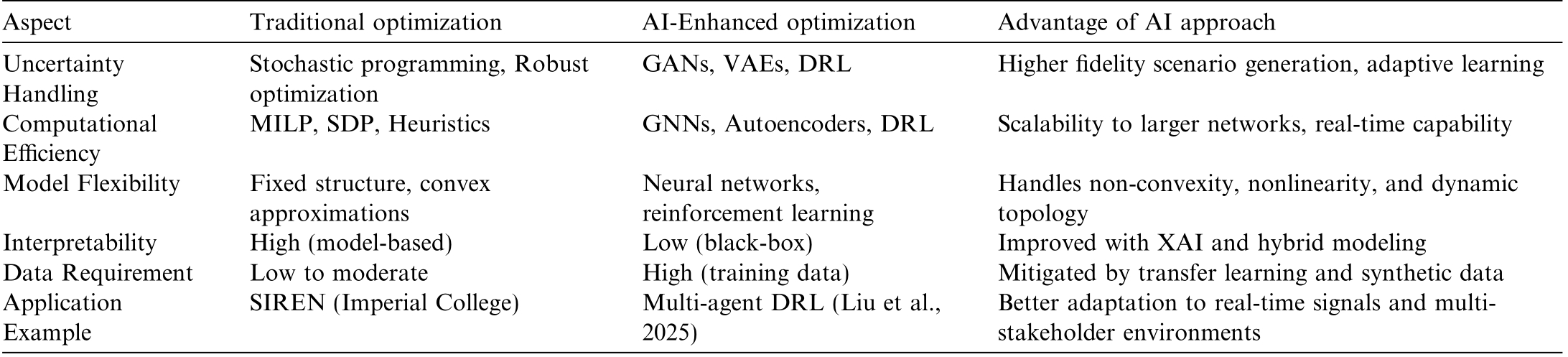
3.3.5 AI-enhanced optimization algorithms
Recent years have witnessed growing synergy between AI and optimization algorithms, leading to hybrid frameworks that leverage the stre ngths of both domains. These approaches can be categorized into three main types:
1) AI for uncertainty modeling: Deep generative models(e.g., GANs, VAEs) are used to synthesize highfidelity renewable generation and load scenarios,which are then fed into stochastic or robust optimization models [102].
2) AI for dimensionality reduction: GNNs and autoencoders are employed to reduce the computational burden of large-scale multi-energy flow optimization,enabling near-real-time planning decisions [103].
3) AI for adaptive optimization: DRL frameworks, such as Proximal Policy Optimization (PPO) and Soft Actor-Critic (SAC), are used to solve multi-stage planning problems with continuous action spaces,adapting to real-time market and environmental signals [104].
For instance, Ref. [103] proposed a multi-agent DRL framework for cooperative energy management in RIES,demonstrating a 15% reduction in operatio nal costs and improved resilience under extreme events. Similarly, Ref.[103] utilized GNNs for rapid topology optimization in electricity-hydrogen-heat networks, reducing computation time by 40% compared to conventional MILP solvers [9].
However, these methods also face challenges, including high data dependency, limited interpretability, and the need for robust transfer learning across different RIES configurations. Future research should focus on developing hybrid AI-physical models that integrate domain knowledge to enhance gen eralization and trustworthiness.A visual comparison of the advantages and disadvantages between the traditional method and the AI method for RISE planning is shown in Table 7.
The selection of solution algorithms is a critical decision in RIES planning, directly impacting both the quality of the planning results and the computational efficiency. Exact algorithms pursue mathematical optimality but are often limited by computational complexity and model convexity requirements. Heuristic algorithms, particularly intelligent optimization algorithms, demonstrate strong flexibility in handling complex, nonlinear, and high-dimensional problems. AI-enhanced optimization methods represent the latest developmental trend, aiming to combine artificial intelligence techniques with traditional optimization theory to overcome computational bottlenecks and enhance adapt-ability to uncertainties while maintaining solution quality.However, these new methods also introduce challenges such as in terpretability and data dependency.
Table 7 Comparison of AI-enhanced vs. traditional optimization methods in RIES planning.
3.4 The impact of renewable energy uncertainty on planning
The integration of high-penetration renewable energy resources, while central to decarbonization goals, i ntroduces significant intermittency and stochasticity into RIES [105].These inherent characteristics pose a fundamental challenge to traditional deterministic planning paradigms, as they can lead to substantial discrepancies between planned and actual system operation[106]. Ignoring this uncertainty may result in under-sized flexibility resources, over-estimated renewable consumption rates, and ultimately, systems vulnerable to operational security risks and economic inefficiencies.
The core of the challenge lies in the multi-energy coupling effect: the uncertainty from wind and solar power propagates through conversion devices (e.g., HP, P2G) and is amplified by the diverse time-scale dynamics of electricity,natural gas, and heating networks. Therefore, moving beyond deterministic models towards stochastic and robust optimization frameworks is not mere ly an option but a necessity for credible RIES planning. As demonstrated by Ref.[107], the feasible operation region of a system is drastically altered by renewable output, and flexibility-enhancing technologies like Electric Heat Pumps (EHP) and Absorption Heat Pumps (AHP) are most effective when their ca pacity is optimized considering this variability.
Furthermore, the correlation between different renewable sources and multi-energy loads must be modeled,using techniques like Copula functions, to avoid unreali stic assumptions of independence and ensure planning outcomes are both robust and economically viable.
The uncertainty of renewable energy is a core issue that RIES planning must confront. It compels planning methodologies to shift from deterministic ‘‘single-point” forecasts towards stochastic or robust optimization that considers multiple possible futures. This transition not only increases model complexity but also transforms the planning outcome from a single ‘‘optimal solution” into a set of ‘‘optimal strategies” or a ‘‘robust scheme”, placing greater emphasis on t he system’s adaptability and resilience under various scenarios.
However, within this energy-economy two-dimensional framework, the carbon factor is typically treated as an externality. It is either incorporated as a rigid constraint in the form of an emission cap or internalized as a penalty within the objective function via a carbon tax or environmental cost. This treatment fails to fully capture the profound interactive mechanisms between carbon emission reduction and the internal technological choices and operational strategies of the energy system. Furthermore, it fails to elevate carbon management to the strategic decision-making level, on par with energy supply security and economic efficiency. Carbon emissions have not yet become an active, core variable capable of dynamically influen cing energy flows and value streams within the system.This relatively‘‘passive”role limits the ability of planning models to exploit deep decarbonization potential and hinders the systematic planning of pathways towards ‘‘zero-carbon” or ‘‘negative-carbon”operations.This indicates the necessity for a more profound evolution of the research paradigm—one that fully endogenizes the carbon dimension, establishing it as the third pivotal decision-making pillar alongside energy and economy.
4 The carbon dimension: from emission const raints to negative-carbon pathways
4.1 RIES planning considering carbon emissions
Carbon constraints provide a crucial perspective (‘‘carbon perspective”) for low-carbon RIES planning. They represent a key feature that distinguishes it from conventional integrated energy planning. Carbon constraints mainly divide into carbon emission flow constraints and total carbon emission constraints.
Based on carbon emission flow analysis methods, carbon emission flows can be linked with power flows in RIES operations, thereby establishing e mission flow constraints[108]. Total carbon emission constraints set upper limits on carbon emissions for certain time periods, and considering multi-regional shared carbon emission constraints allows more flexible power flow dispatching, achieving higher econo mic benefits while reducing overall emission reduction pressure [109].
Recent research has further developed differentiated carbon constraint models, such as constraints based on carbon emission intensity [110], constraints based on lifecycle carbon emissions[111], and dynamic constraints considering carbon emission rights trading [112]. These constraint models can more flexibly and precisely control carbon emissions from RIES.
Regarding planning methods, RIES planning considering carbon emissions has also seen new developm ents,such as style="font-size: 1em; text-align: justify; text-indent: 2em; line-height: 1.8em; margin: 0.5em 0em;">Practical case studies indicate that RIES planning considering carbon emissions can significantly reduce system carbon emission intensity. For instance, in wind-solargas-storage RIES planning, by considering carbon emission costs, the proporti on of various energy sources can be optimized,increasing renewable energy utilization rates and achieving low-carbon efficient system operation [116].
Under the CEE framework, carbon constraints directly define the boundaries of the carbon dimension, shape the scope of technological choices within the energy dimension,and are intrinsically linked to the economic dimension by influencing technology investments and operational costs.Diff erent types of carbon constraints offer planners distinct policy compliance pathways.
4.2 RIES planning considering carbon trading
Carbon trading mechanisms have become effective tools for controlling pollution and carbon emissions. Many studies incorporate these mechanisms into RIES to reduce system emissions and improve economic benefits. Introducing carbon trading mechanisms into RIES provides more solutions for RIES to varying degrees.
With the establishment and operation of the national carbon market, applications of carbon trading mechanisms in RIES planning have deepened.
The carbon trading mechanism is a quintessential manifestation of the carbon-economy nexus within the proposed CEE framework. It creates a critical feedback loop where carbon emissions are assigned a direct monetary value, thereby efficiently internalizing environmental externalities into econ omic decisions. This price signal directly influences operational strategies and investment planning,incentivizing the adoption of low-carbon technologies and shifting the energy portfolio towards cleaner alternatives.
Recent research has constructed RIES dispatch models including carbon trading costs by considering differences between actual carb on emissions and carbon emission quotas, using traditional carbon trading mechanisms[117]; adopting stepped carbon trading models, proposing low-carbon dispatch strategies for electricity-heat-gas coupling from both demand response and source-side centralized dispatch perspectives [118,119]; analyzing impacts of carbon emission total trading mode and carbon emission intensity trading mode on multi-RIES optimized dispatch considering heating network constraints [120]; studying the impact of carbon prices on power system carbon emissions by establishing a three-stage optimal stepped carbon price model for power systems, with results indicating that baseline ca rbon prices and carbon price increments in stepped carbon trading mechanisms are the main factors affecting system carbon emissions and operations [121];constructing a robust optimization model for RIES based on reward and penalty stepped carbon trading, considering load transfer uncertainties [122].
Furthermore, considering external carbon benefits brought by carbon trading market establishment,researchers have proposed multi-stage planning methods for RIES considering external carbon trading benefits.Carbon trading mechani sms have been introduced into planning models,constructing reward and penalty stepped carbon trading cost models to constrain carbon emissions[123]; a planning model for RIES has been established,using minimum full life-cycle cost including carbon trading fees as the objective function to make optimal decisions on equipment configuration during the planning period[124].
On the demand side, carbon-aware scheduling of flexible loads presents a novel pathway for emission reduction.By incentivizing load shifting to high-renewable periods through carbon price signals or market mechanisms, the carbon intensity of energy consumption can be significantly lowered. This demand-side flexibility reduces the reliance on carbon-intensive peak-shaving units and complements supply-side decarbonization technologies, ultimately contributing to a more economical and resilient pathway toward zero-carbon RIES.
Recent research has also explored coordinated optimization of carbon trading with other market mechanisms, such as carbon-electricity joint markets [125],carbon-gas joint markets [126], and carbon-electricitygas-heat multi-market coordinated optimization [127],providing new ideas for low-carbon planning of RIES in multi-market environments.
The carbon trading mechanism serves as the most direct market-based bridge connecting the carbon dimension(emission allowances) and the economic dimension (carbon price). It plays a pivotal role of price discovery and resource allocation within the CEE framework. An active carbon market can provide continuous economic incentives for low-carbon and negative-carbon technologies within the RIES, enabling them to gain a competitive edge over traditional high-carbon technol ogies and thereby guiding investment towards more sustainable directions.
4.3 RIES planning considering carbon capture, utilization and storage
Currently, carbon capture equipment has relatively high investment and operational costs. Large-scale carbon capture power plants offer clearer technical and economic advantages due to economies of scale.Therefore,considering integration of carbon capture equipment in cross lowcarbon RIES planning has more practical significance.
With advancements in carbon capture technology and cost reductions, applications of carbon capture in RIES have become increasingly widespread. CCUS technologies fundamentally alter the interaction between the carbon and energy dimensions within the CEE framework. Unlike mere reduction strategies, CCUS enables a proactive management of the carbon cycle, potentially achieving negative emissions. This transforms the role of the carbon dimension from a passive co nstraint into an active, manageable resource.The planning problem thus evolves to include the optimal sizing and siting of CCUS infrastructure,evaluating its techno-economic performance within the RIES,and understanding its role in forming circular carbon-energy pathways (e.g., coupling with P2G).
Recent research has considered the different impacts of various carbon capture technologies on power plant energy consumption and generation costs[128]; introduced technology maturity factors to measure the staging and uncertainty of carbon capture technology development [129]; planned carbon capture power plant site selection considering factors such as fuel sources, power loads, a nd CO2 storage locations[130]; considered changes in carbon capture technology investment costs across different stages, including both carbon capture units and carbon capture reserved units as units to be planned, reserving interfaces for carbon capture equ ipment with minimal investment cost increments[131]; established a clean energy generation and transmission multistage expansion planning model considering shutdown of aging coal-fired power plants o r retrofitting with carbon capture equipment [102].
Particularly significant progress has been made in integrating carbon capture with RIES. The practical implementation of the CEE framework faces several technological and economic challenges that require innovative solutions. Recent advancements in CCUS technologies demonstrate promising developments in aligning the three dimensions. For instance, Shangu Power’s chemical looping mineralization CCUS technol ogy represents a breakthrough in integrating the carbon and energy dimensions. This innovation directly mineralizes CO2 from industrial flue gas (with concentrations >3%) without energy-intensive capture and purification processes,simultaneously addressing waste treatment (utilizing calciumcontaining solid wastes like carbide slag and steel slag)and carbon reduction while producing valuable negativecarbon products. This technology achieves ‘‘zero wastewater, zero waste gas, zero waste residue” emissions and reduces compression power consumption by 10% compared to traditional projects through advanced aerodynamic computing technology and comprehensive upgrades to host model stages, sealing systems, and intelligent control systems.
From an economic perspective, recent technological innovations show potential for significantly reducing carbon management costs. The membrane-free carbon capture technology developed by the Unive rsity of Houston research team achieves over 90%carbon removal efficiency while reducing energy consumption[132]. This system captures CO2 at approximately 490 CNY/t, comparable to today’s most advanced amine scrubbing technologies. Furthermore, the integration of vanadium flow battery systems enables simultaneous carbon capture and grid stabilization, where CO2 is captured during charging and released during discharge, addressing both carbon reduction and renewable energy storage challenges with a single device. The interaction between the carbon and economy dimensions is particularly evident in the cost distribution of CCUS projects. Full lifecycle cost analysis reveals that CO2 capture accounts for 70–73% of total costs, while pipeline transportation represents 24–27%[133]. Although CO2-ECBM can generate 2.845 billion CNY in revenue,deep saline aquifer storage remains the main choice(>90%), highlighting the limitations of relying solely on revenue-driven models. This economic reality necessitates policy support and innovative business models to make CCUS projects economically viable while achieving carbon reduction goals.
These technological advances make the economic dimension of the CEE framework more feasible for widespread implementation.
Research indicates that combining carbon capture with P2G technology can form closed-loop carbon cycle systems, such as using CO2 captured by carbon capture equipment as raw material for P2G methane production,enhancing coupling between gas turbines and P2G equipment compared to traditional RIES [134]. Additionally,combinations of carbon capture with hydrogen energy systems [107] and carbon capture with biomass energy and other novel low-carbon technology routes also provide new possibilities for carbon neutrality in RIES.
The CEE triple-dimensional governance framework systematically elevates carbon management to a strategic height equal to that of energy supply and economic optimization. It achieves this by setting the evolutionary boundaries of the system through carbon constraints, providing the economic driving force via carbon trading mechanisms, and enabling the realization pathway through negative-carbon technologies like CCUS. The innovation of the CEE framework lies in its revelation of the profound, dynamic, and bidirectional interactions existing among the carbon, energy, and economy dimensions. Plannin g decisions thus involve identifying the system-wide Pareto front within this three-dimensional space.
This framework signifies that the RIES planning paradigm has formally advanced from two-dimensional‘‘energy-economy” optimization into a new era of threedimensional ‘‘carbon-energy-economy” synergistic governance. It represents not only a theoretical advancement but also provides a powerful practical tool for analyzing and designing RIES aimed at a carbon–neutral future.Next, we will employ this framework as an analytical lens to examine RIES practice cases from around the globe.
5 International practices through the CEE lens: a comparative analysis
The aforementioned theory indicates that the CEE framework is an effective paradigm for guiding RIES planning. This chapter will select three representative cases—Vienna, Amsterdam, and Boston—for analysis through the CEE lens to verify its practical explanatory power and guiding value.
5.1 Case selection and cee dimensional analysis
Vienna Aspern Smart City Project: This represents Europe’s largest case of coordinated planning between a lowtemperature district heating network and power system.The project adopts a multi-source complementary energy supply structure using geothermal, solar energy, and waste heat, achieving a 98% renewable heating ratio through a large-scale seasonal thermal storage system (240,000 cubic meters) and intelligent energy management system. The planning employed innovative multi-objective optimization methods, balancing economic viability, low-carbon perfor mance, and system resilience.
Key system configuration parameters, providing a concrete technical basis for this case study,are summarized in Table 8. Holistic energy system simulations, optimizing the trade-off between high renewable penetration and investment costs, determined the design of the 240,000 m3 seasonal borehole thermal energy storage (BTES) [135]. Its massive capacity allows for the storage of excess solar thermal energy from summer to meet the winter heat demand,which is crucial for achieving the 98% renewable heat share. The configuration of the low-temperature district heating network (55–60° C supply temperature) is justified by the widespread use of low-temperature heat emitters(e.g., underfloor heating) in the new buildings, which enables highly efficient heat pump operation and the integration of low-grade renewable heat sources [133].
Amsterdam Johan Cruijff Arena Energy Hub, Netherlands: This is the world’s first large-scale sports venue RIES.Its planning adopted a blockchain-based energy trading mechanism, combining 4200 rooftop solar panels, electric vehicle charging stations, and a 3 MW/2.8 MWh secondlife electric vehicle battery storage system to form an energy self-sufficient microgrid. The project implemented an innovative stakeholder parti cipation model during the planning phase,exemplifying energy democratization planning.
The system configuratio n(Table 9) is designed for maximum self-sufficiency and resilience, enabling it to serve as a backup power source during stadium events and grid outages. The 3 MW/2.8 MWh battery energy storage system (BESS) is composed of 148 s-life and 63 new Nissan LEAF battery packs. This hybrid configuration was selected for its optimal economic and environmental performance. It reduces costs by util izing second-life batteries while ensuring reliability with new ones [136]. The 4200 solar panels (approx. 1.2 MWp) cover a significant portionof the stadium’s annual electricity consumption. The sizing was based on available roof space and a cost-benefit analysis, ensuring a reasonable payback period under the Dutch subsidy scheme (SDE++). The integration of EV charging station s creates synergistic flexibility, allowing the BESS to also buffer charging demand.
Table 8 Key system configuration parameters of the Vienna Aspern smart city RIES.
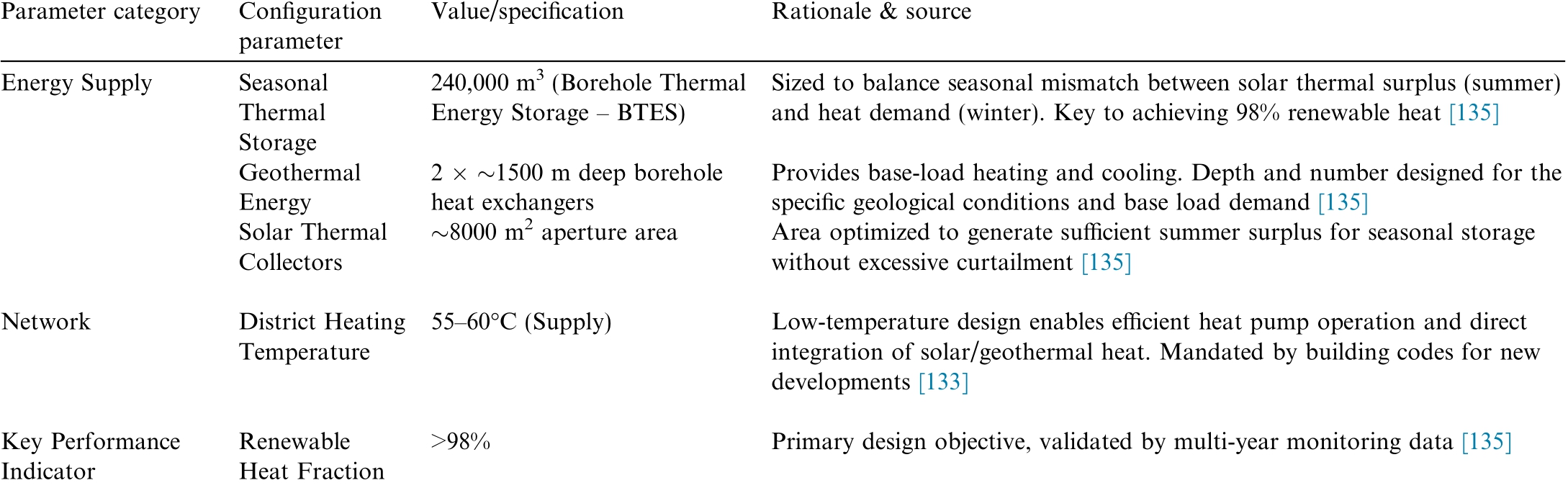
Table 9 Key system configuration parameters of the Amsterdam Johan Cruijffarena energy hub.
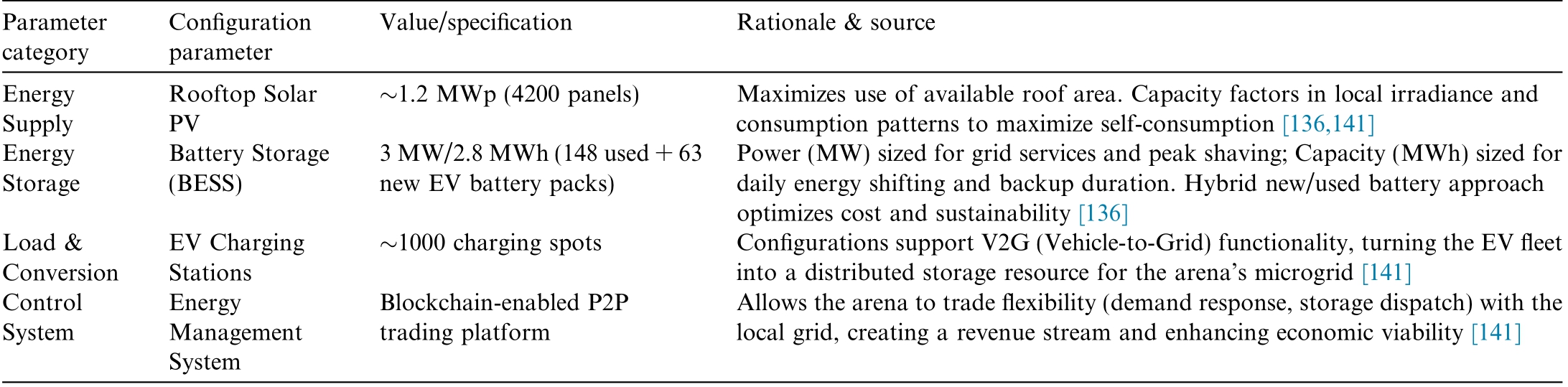
Boston Community Energy Planning (BCEP): This project is the United States’ first RIES to adopt ‘‘energy equity” as a core planning principle. The project pays special attention to energy reliability and affordability in vulnerable communities, developing multi-objective optimization models that include social dimensions. Its innovation lies in its bottom-up planning approach based on community participation, establishing a decisionmaking mechanism involving local residents, businesses,and institutions.
The principle of energy equity, which prioritizes reliability and affordability in vulnerable communities, fundamenta lly guides the system configuration of the BCEP project(Table 10). The 15 MW distributed solar PV capacity is strategically allocated across community centers and low-income households rather than concentrated in a single farm. This design maximizes local consumption,reduces grid congestion, and directly benefits the target communities[137]. The 5MWh of distributed battery storage is sized to provide critical backup power to community resilience hubs for up to 72 h during grid outages, a key requirement identified through communi ty engagement sessions to address historical inequities in disaster response[138]. Furthermore, retrofitting over 1000 low-income households with heat pumps and insulation is a calculated intervention to reduce their energy burden. The technology selection and scale were based on energy audits and economic models to ensure the greatest reduction in heating costs per dollar invested, a core metric for this equityfocused planning approach.
Analyzed through the lens of the CEE framework, the Vienna case demonstrates a pursuit of ultimate decarbonization in the carbon dimension (98% renewable heating), achieves highly efficient integration in the energy dimension by leveraging large-scale seasonal thermal storage and a low-temperature heating network, and balances costs and benefits in the economic dimension through multi-objective optimization. The Amsterdam case focuses on emission reduction via renewable energy in the carbon dimension, realizes flexible aggregation and interaction of distributed resources in the energy dimension, and innovatively employs blockchain-based trading and second-life battery utilization models in the economic dimension,highlighting market mechanisms and the circular economy. The Boston case, while addressing the three core dimensions, particularly emphasizes the extended valueof social equity. Its technological choices in the carbon and energy dimensions—such as distributed PV, energy storage, and heat pump retrofits—are closely aligned with the core objective of ‘‘energy equity” within the economic dimension,reflecting a social expansion of planning goals.
Table 10 Key system configuration parameters of the Boston Community Energy Planning (BCEP) Project.
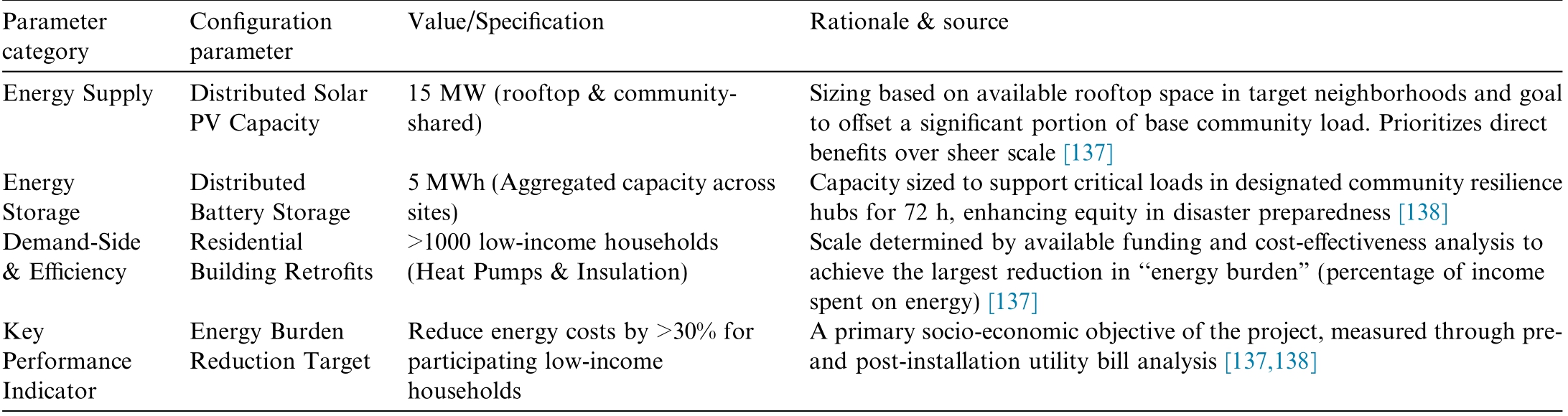
5.2 Comparative synthesis based on the CEE framework
The diverse international case studies reveal both converging strategies and context-driven distinctions in RIES planning, offering valuable insights for future system design. A clear commonality across all cases is the central role of renewable integration and waste-heat recovery exemplified by Vienna’s 98% renewable heating rate and Singapore’s industrial waste heat-driven cooling systems.Furtherm ore,the adoption of digitalization and intelligent management platforms – such as Hamburg’s digital twin and Amsterdam’s blockchain-based trading--proves essential for enhancing operational efficiency and enabling realtime coordination across multi-energy networks.
Another critical common thread is the emphasis on multi-stakeholder engagement and institutional collaboration. The Boston BCEP project’s bottom-up participatory model and the EU’s RESPN network each highlight the importance of aligning techni cal planning with social and governance structures. Such approaches not only improve project acceptability but also facilitate the integration of distributed resources.
Significant regional variations persist, reflecting differing policy frameworks and resource endowments. European cases typically exhibit strong top-down policy support (e.g., the EU Energy Union strategy) and system-wide optimization, often prioritizing carbon neutrality and security. North American projects tend toward market-driven mechanisms and scalability, as seen in Fort Collins’ hydrogen-enabled net-zero district and Toronto’s risk-managed phased implementation. Asia-Pacific implementations frequently address high-de nsity urban challenges and resilience demands (e.g., Singapore’s humidclimate CCHP optimization and Fukushim’s disasterresponse design). (Consider breaking long sentence into multiple sentences for readability, or keep as is but ensure parallel structure. Changed ‘‘e.g., EU” to ‘‘e.g., the EU”).
Collectively, these cases underscore that successful RIES planning requires adaptive, multi-dimensional frameworks incorporating local energy policies, resource availability, social needs, and climatic conditions. They also highlight the growing necessity of embedding carbon management from emission tracking to negative-carbon pathways as a core planning objective rather than an external constraint. Such synthesized insights can inform more robust, transferable strategies for achieving carbon–neutral energy systems globally.
The comparative analysis above, conducted through the lens of the CEE framework, yields insights that extend beyond those typically found in case-study aggregations.It reveals that the most successful and forward-looking RIES projects are those that have already begun to internalize carbon management into their planning plan, moving beyond treating it as an add-on compliance requirement. This synthesis of international best practices,structured around the carbon-energy-economy interactions, provides a novel taxonomy and evaluation criteri on for RIES planning.It allows us to not only document technological trends but also to critically assess how different policy,market,and social contexts either enable or hinder the deep decarbonization of RIES, a dimension often underexplored in previous reviews.
To enable more systematic comparison, we can construct a case analysis table (Table 11) based on the CEE framework. This table will categorize and examine the cases from perspectives such as the salient features of the carbon dimension (e.g., policy objectives, key technologies), the prominent technologies in the energy dimension(e.g., coupling methods, energy storage technologies), the innovative mechanisms in the economic dimension (e.g.,investment and financing,market models),and the characteristics of multidimensional synergy.
This table clearly reveals that, although each case emphasizes different aspects and adopts distinct technical pathways within the three dimensions due to varying regional contexts, resource endowments, and policy environments, they all embody the synergistic governance philosophy emphasized by the CEE framework. Successful projects are not victories in a single dimension but are the outcomes of synergistic optimization across all three dimensions. They focus not only on technological advancement and economic feasibility but, more importantly, treat low/zero-carbon objectives as core drivers for system design and ope rational strategies. This analysis demonstrates that the CEE framework is not merely a theoretical construct but represents a high-level generalization and distillation of the common principles and success factors inherent in cutting-edge global RIES planning practices, possessing strong explanatory power and practical guidance. The diverse practices from different regions also provide varied exemplars for applying the CEE framework in distinct contexts.
6 Challenges and future perspectives
This paper systematically reviews the paradigm evolution of RIES planning theories and methods driven by the ‘‘dual carbon” goals. The research trajectory clearly demonstrates that the field has progressed from an initial focus on the physical modeling and multi-energy flow analysis within the energy dimension, to gradually incorporating the economic dimension for optimized decisionmaking, and ultimately advancing to a new stage where the carbon dimension is endogenized as a core decision variable.
The core theoretical contribution of this paper lies in proposing a novel CEE triple-dimensional governance framework. By transforming carbon emissions from an external constraint into an endogenous variable that interacts dynamically and bidirectionally with energy flow dynamics and economic factors, this framework achieves a fundamental breakthrough in the RIES planning paradigm. It provides a unified analytical foundation and theoretical guidance for systematically understanding,planning,and evaluating RIES transitioning from‘‘carbon reduction” to ‘‘zero carbon” and even ‘‘negative carbon.”
Examining international typical international through the lens of the CEE framework confirms that it is not a detached theoretical concept but a high-level generalization of the success factors inherent in cutting-edge global practices, possessing strong real-world explanatory power and universal guiding value. Although current research still faces challenges such as full lifecycle carbon accounting, multidimensional objective trade-offs, and technological lock-in effects, future developments—including new modeling paradigms integrating physics and data, AI-enhanced optimization methods, innovative technology pathways enabling negative emissions, and coordinated source-network-loadstorage design—hold the potential to overcome these bottlenecks. Guided by the CEE framework, RIES planning is poised to offer crucial technical support and decisionmaking basis for the deep decarbonization and sustainable development of global energy systems.
6.1 Current key challenges in CEE-aligned planning
Despite the tremendous potential demonstrated by these international cases, in-depth analys is reveals critical challenges in current practices:
1) Integrated carbon accounting across lifecycle: A significant challenge lies in the carbon dimension, where current accounting practices often focus solely on operational emissions. The embodied carbon from the manufacturing, construction, and decommissioning of system components (e.g., the massive thermal storage in Vienna) is frequently excluded, leading to an incomplete and potentially misleading assessment of the true carbon footprint.
2) The tri-lemma of economy, carbon, and equity: Within the economic dimension, a profound trade-off exists between cost-effectiveness, ambitious carbon reduction, and social equity. Projects like Boston’s BCEP highlight the difficulty of providing affordable, clean energy to vulnerable communities while maintaining economic viability, revealing the complex interplay and potential conflicts between the economic, carbon, and social objectives.
3) Technological lock-in and path dependency: The inherent coupling between the energy and economic dimensions can create long-term lock-in effects.Phased implementation strategies (e.g., Toronto’s DLCEN), while reducing short-term financial risk,may commit the system to early-stage technological choices that hinder the future integration of more advanced, cost-effective, or efficient solutions, thereby limiting the system’s adaptive capacity within the CEE decision space.
These challenges are not isolated but stem from systemic issues, including a lack of standardized lifecycle assessment databases, computationally intractable uncertainty-quantification tools that integrate across dimensions,and policy frameworks that favor incremental upgrades over transformative, integrated planning.
6.2 Future research directions guided by the CEE framework
To overcome these challenges and fully realize the potential of the CEE framework, future research should prioritize the followin g directions, which correspond to enhancing the governance of each dimension and their synergies:
Advancing the carbon dimension: Future work must develop and standardize full lifecycle carbon footprint assessment methodologies integrated directly into planning models. Research should also focus on the optimal system integration and business models for breakthrough negative emission technologies (NETs) like Bioenergy with Carbon Capture and Storage (BECCS) and Direct Air Capture(DAC), treating carbon as a manageable resource.
Innovating in the energy dimension: The focus should be on creating next-generation modeling tools. This includes developing physics-informed style="font-size: 1em; text-align: justify; text-indent: 2em; line-height: 1.8em; margin: 0.5em 0em;">Evolving the economic dimension: Exploring novel market and business models is essential. This involves designing dynamic pricing mechanisms and multi-market participation strategies (e.g., coupled carbon-electricityheat markets) that properly value flexibility and resilience.For decision-support, AI-enhanced optimization methods,such as multi-agent reinforcement learning for distributed cooperative planning, need to be advanced to solve the high-dimensional, stochastic problems inherent in CEE co-optimization.
Fostering cross-dimensional synergy: The ultimate goal is seamless integration. This requires moving towards systemic co-design that actively treats demand-side flexibility as a planned resource. Research should develop frameworks for co-optimizing source-grid-load-storage expansion, quantifying the value of flexibility across all three dimensions, and creating aligned policy-techno-economic paradigms that reward holistic CEE performance over isolated objectives.
This section based on the CEE framework, systematically analyzes the major challenges faced by current RIES planning practices in the transition towards carbon neutrality, challenges which are rooted in systemic aspects spanning technology, economy, and policy. Looking ahead, overcoming these bottlenecks requires deeply integrated, cross-disciplinary research guided by the CEE framework. Future efforts should concentrate on developing more accurate, efficient, and uncertainty-resilient new models, new algorithms, new market mechanisms, and new technological pathways, ultimately achieving the deep co-design of source-network-load-storage. The ultimate objective is to establish a virtuous policy-technologyeconomy paradigm that systematically incentivizes and rewards holistically optimal performance across the carbon,energy,and economy dimensions,rather than merely focusing on the deployment of individual technologies or isolated optimization objectives.
CRediT authorship contribution statement
Ruopu Yang: Writing – original draft, Visualization,Software, Methodology, Data curation, Conceptualization. Jia Liu: Writing – review & editing, Data cu ration.Mohan Lin: Writing – review & editing. Pingliang Zeng:Supervision, Resources, Funding acquisition.
Declaration of competing interest
The authors declare that they have no known competing financial interests or personal relationships that could have appeared to influence the work reported in this paper.
Acknowledgments
This work was supported by the Natural Science Foundation of China (Grants U2166211), and Zhejiang Provincial Natural Science Foundation of China (Grants LY24E070006 and LMS2 5E070002). The authors are grateful to the editor and the anonymous reviewer for their insightful comments and suggestions.
References
[1]J.H. Yang, Analysis of sustainable developmen t of natural gas market in China, Nat. Gas Ind. B 5 (6) (2018) 644–651.
[2]Y.B. Kang, J.G. Zhang, Y. Zhang, The development status,problems and suggestions of China’s CHP centralized heat supply,China Energy 10 (2008) 8–13.
[3]C.C. Shao, X.F. Wang, X.L. Wang, et al., A first look at multienergy system analysis and planning, Chinese J. Electr. Eng. 36(14) (2016) 3817–3828.
[4]D.C. Liu, S.C. Peng, Q.F. Liao, et al., Outlook for the future shape of integrated power distribution system for energy internet,Grid Technol. 39 (11) (2015) 3023–3034.
[5]P. Iodice, A. Amoresano, G. Langella, et al., Energy advantages and thermodynamic performance of Scheffler receivers as thermal sources for solar thermal power generation, Energies 17 (21)(2024) 1–17.
[6]Z.F. Liu, Y.Y. Liu, H.J. Jia, et al.,Bi-level energy co-optimization of regional integrated energy system with electric vehicle to generalized-energy conversion framework and flexible hydrogenblended gas strategy, Appl. Energy 390 (2025) 125868.
[7]X.O. Liu, Research on collaborative scheduling of internet data center and regional integrated energy system based on electricityheat-water coupling, Energy 292 (2024) 130462.
[8]J. Naus, G. Spaargaren, B.J.M. van Vliet, et al., Smart grids,information flows and emerging domestic energy practices,Energy Policy 68 (2014) 436–446.
[9]J.H. Zhou, J.B. Wang, Research review on multi-port energy routers adapted to renewable energy access, Electronics 13 (8)(2024) 1493.
[10]J.W. Lyu, S.X. Zhang, H.Z. Cheng, et al., A graph theory-based optimal configuration method of energy hub considering the integration of electric vehicles, Energy 243 (2022) 123078.
[11]K. Wu, M. Jiang, Y.S. Huang, et al., Optimization of multiobjective capacity allocation and performance analysis for integrated energy systems considering hydrogen storage, Energy 325 (2025) 136160.
[12]K.L. He, Q. Chen, H. Ma, et al.,An isomorphic multi-energy flow modeling for integrated power and thermal system considering nonlinear heat transfer constraint, Energy 211 (2020) 119003.
[13]C. Yilmaz, M. Arslan, S.N. Ozdemir, et al., Thermal design and genetic algorithm optimization of geothermal and solar-assisted multi-energy and hydrogen production using artificial neural networks, Energy 324 (2025) 135941.
[14]D.F. Yang, X. Wang, Y. Sun, et al., Optimised configuration of multi-energy systems considering the adjusting capacity of communication base stations and risk of network congestion,Energy 313 (2024) 133873.
[15]J.F. Chen, K. Li, H.Y. Wang, et al., Distributed parallel optimal operation for shared energy storage system – multiple park integrated energy system based on ADMM, Energy 317 (2025)134677.
[16]X.S. Xu, K. Xu, Z.Y. Zeng, et al., Collaborative optimization of multi-energy multi-microgrid system: a hierarchical trust-region multi-agent reinforcement learning approach, Appl. Energy 375(2024) 123923.
[17]Z.M. Li, Y. Xu, P. Wang, et al., Coordinated preparation and recovery of a post-disaster Multi-energy distribution system considering thermal inertia and diverse uncertainties, Appl.Energy 336 (2023) 120736.
[18]B. Li, X. Li, Q.Y. Su, A system and game strategy for the isolated island electric-gas deeply coupled energy network, Appl. Energy 306 (2022) 118013.
[19]L.G. Kang, J.Z. Wang, X.X. Yuan, et al., Research on energy management of integrated energy system coupled with organic Rankine cycle and power to gas, Energ. Conver. Manage. 287(2023) 11711.
[20]B. Zhang, J. Li, L. Zhang, et al.,Reliability evaluation of electricgas-thermal coupling systems considering the post-fault operation modes of user-level integrated energy system, iScience 27 (10)(2024) 110922.
[21]O. Bamisile, Q. Huang, M. Dagbasi, et al., Steady-state and process modeling of a novel wind-biomass comprehensive energy system: an energy conservation, exergy and performance analysis,Energ. Conver. Manage. 220 (2020) 11313.
[22]F. Gori, A new theory to forecast the price of nonrenewable energy resources with mass and energy-capital conservation equations, Int. Scholar. Res. Notices 2014 (1) (2014) 529748.
[23]H.K. Ren, S. Schuster, D. Brillert, Method for considering real gas equations of state in through-flow programs, Energy 298(2024) 131282.
[24]S.S. Goldsborough, C. Banyon, G. Mittal, A computationally efficient, physics-based model for simulating heat loss during compression and the delay period in RCM experiments,Combust.Flame 159 (12) (2012) 3476–3492.
[25]A. Ka¨mper, L. Leenders, B. Bahl, et al., AutoMoG: automated name="ref26" style="font-size: 1em; text-align: justify; text-indent: 2em; line-height: 1.8em; margin: 0.5em 0em;">[26]V.Breschi,D.Piga,A.Bemporad,Onlineend-useenergydisaggregation via jump linear models, Control Eng. Pract.89(2019)30–42.
[27]P. Han, H.B. Hua, H. Wang, et al., A graphic partition method based on nodes learning for energy pipelines network simulation,Energy 282 (2023) 128179.
[28]Q.Y. Su, C. Chen, X. Huang, et al., Interval TrendRank method for grid node importance assessment considering new energy,Appl. Energy 324 (2022) 119647.
[29]Q. Hong, Q. Wang, Y.Z. Gong, High-order supplementary variable methods for thermodynamic ally consistent partial differential equations, Comput. Methods Appl. Mech. Eng. 416(2023) 116306.
[30]M. Aristizabal, J.L. Herna´ndez-Estrada, M. Garcia, et al.,Solution and sensitivity analysis of nonlinear equations using a hyper complex-variable Newton-Raphson method, Appl. Math Comput. 451 (2023) 127981.
[31]J. Dancker, M. Wolter, Improved quasi-steady-state power flow calculation for district heating systems: a coupled Newton-Raphson approach, Appl. Energy 295 (2021) 116930.
[32]P.A. Østergaard, N. Duic, Y. Noorollahi, et al., Recent advances in renewable energy technology for the energy transition, Renew.Energy 179 (2021) 877–884.
[33]C.X. Xia, Z.L. Wang, G.W. Xu, et al., Quantitative decomposition of China’s industrial energy consumption structure based on production-th eoretical decomposition method, J. Clean. Prod. 379 (2022) 134467.
[34]F. Gao, Z.D. Xu, L.F. Yin, Bayesian deep neural networks for spatio-temporal probabilistic optimal power flow with multisource renewable energy, Appl. Energy 353 (2024) 122106.
[35]G. Ceusters, R.C. Rodrı´guez, A.B. Garcı ´a, et al., Modelpredictive control and reinforcement learning in multi-energy system case studies, Appl. Energy 303 (2021) 117634.
[36]J.S. Yu, D.C. Yang, Z.C. Chen, Multi-energy flow calculation based on energy cell and parallel distribute d computation, Int. J.Electr. Power Energy Syst. 131 (2021) 107147.
[37]H. Jiang, P.H. Yang, C.M. Liu, et al., Probabilistic multi-energy flow calculation method for integrated heat and electricity systems considering correlation of source–load power, Energy Rep. 9(2023) 1651–1667.
[38]T. Niknam, F. Golestaneh, A. Malekpour, Probabilistic energy and operation management of a microgrid containing wind/photovoltaic/fuel cell generation and energy storage devices based on point estimate method and self-adaptive gravitational search algorithm, Energy 43 (1) (2012) 427–437.
[39]J.J. Kas, T.D. Blanton, J.J. Rehr, Exchange-correlation contributions to thermodynamic properties of the homogeneous electron gas from a cumulant Green’s function approach, Phys.Rev. B 100 (19) (2019) 195144.
[40]D. Cong, L.L. Liang, S.X. Jing, et al., Energy supply efficiency evaluation of integrated energy systems using novel SBM-DEA integrating Monte Carlo, Energy 231 (2021) 120834.
[41]J.A. Vargas-Guzma´n, Heavy tailed probabili ty distributions for non-Gaussian simulations with high er-order cumulant parameters predicted from sample data, Stoch. Environ. Res. Risk A 26 (6)(2012) 765–77 6.
[42]B. Mohseni-Gharyehsafa, S. Hussain, A. Fahy, et al., A hybrid Gaussian process-integrated deep learning model for retrofitted building energy optimization in smart city ecosystems, Appl.Energy 388 (2025) 125643.
[43]H.H. Li, P. Wang, H.H. Hu, et al., name="ref44" style="font-size: 1em; text-align: justify; text-indent: 2em; line-height: 1.8em; margin: 0.5em 0em;">[44]L. Liu, J.J. Salazar, H. Jo, et al.,Minimum acceptance criteria for subsurface scenario-based uncertainty models from single image generative adversarial networks (SinGAN), Comput. Geosci. 29(1) (2025) 6.
[45]X. Zhang, J.F. Cai, Y.M. Wei, Interval iterative methods for computing Moore–Penrose inverse, Appl. Math Comput. 183 (1)(2006) 522–532.
[46]S.X. Wang, K. Wang, F. Teng, et al., An affine arithmetic-based multi-objective optimization method for energy storage systems operating in active distribution networks with uncertainties,Appl.Energy 223 (2018) 215–228.
[47]X.G. Zhao, S.R. Hu, H. Wang, et al., Energy, economic, and environmental impacts of electricity market-or iented reform and the carbon emissions trading: a recursive dynamic CGE model in China, Energy 298 (2024) 131416.
[48]K. Ma, R.C. Zhang, J. Yang, et al., Collaborative optimization scheduling of integrated energy system considering user dissatisfaction, Energy 274 (2023) 127311.
[49]A. Jindal, M. Singh, N. Kumar, Consumption-aware data analytical demand response scheme for peak load reduction in smart grid, IEEE Trans. Ind. Electron. 65(11) (2018) 8993–9004.
[50]S. Wang, G.X. Tian, Does renewable energy consumption reduce the energy security risk, Energy 320 (2025) 135182.
[51]D. Dwivedi, K.V.S.M. Babu, P.K. Yemula, et al., A comprehensive metric for resilience evaluation in electrical distribution systems under extreme condition s, Appl. Energy 380 (2025) 125001.
[52]Q. Lu, Q.S. Guo, W. Zeng, Optimization scheduling of integrated energy service system in community: a bi-layer optimization model considering multi-energy demand response and user satisfaction, Energy 252 (2022) 124063.
[53]B. Crowley, J. Kazempour, L. Mitridati, How can energy communities provide grid services? A dynamic pricing mechanism with budget balance, individual rationality, and fair allocation, Appl. Energy 382 (2025) 125154.
[54]S. Kim, W. Ko, S. Youn, et al., Advanced depreciation cost analysis for a commercial pyroprocess facility in Korea, Nucl.Eng. Technol. 48 (3) (2016) 733–743.
[55]Q.C. Wang, L. Pan, L. Heistrene, et al., Signal-devices management and name="ref56" style="font-size: 1em; text-align: justify; text-indent: 2em; line-height: 1.8em; margin: 0.5em 0em;">[56]B.Q. Lin, Y.J. Xie, The impact of government subsidies on capacity utilization in the Chinese renewable energy industry:does technological innovation matter, Appl. Energy 352(2023)121959.
[57]P. Mathew, P. Issler, N. Wallace, Should commercial mortgage lenders care about energy efficiency lessons from a pilot study,Energy Policy 150 (2021) 112137.
[58]U. Rai, J. Chen, G. Oluleye, A. Hawkes, Stochastic optimisation model to optimise the contractual generation capacity of a battery-integrated distributed energy resource in a balancing services contract, Energy 322 (2025), https://doi.org/10.1016/j.energy.2025.135525 135525.
[59]S. Mostafayi Darmian, M. Tavana, S. Ribeiro-Navarr ete, An investment evaluation and incentive allocation model for publicprivate partnerships in renewable energy development projects,Socioecon. Plann. Sci. 95 (2024) 101953.
[60]D. Diskin, S. Pisnoy, I.Y. Ben-Hamo, et al., Decarbonizing transportation: a critical examination of strategy effectiveness within sustainable energy capacity constrain ts, Energ. Conver.Manage. 321 (2024) 119058.
[61]A. Davoodi, A. Reza Abbasi, S. Nejatian, Multi-objective dynamic generation and transmission expansion planning considering capacitor bank allocation and demand response program constrained to flexible-securable clean energy, Sustain.Energy Technol. Assess. 47 (2021) 101469.
[62]H. Cheung, S.W. Wang, C.Q. Zhuang, et al., A simplified power consumption model of information technology (IT) equipment in data centers for energy system real-time dynamic simulation,Appl. Energy 222 (2018) 329–342.
[63]A. Rezaei-Zare, A.H. Etemadi, Optimal placement of GIC blocking devices considering equipment thermal limits and power system operation constraints, IEEE Trans. Power Delivery 33 (1) (2018) 200–208.
[64]Y.M. Zhang, G.H. Huang, Q.G. Lin, et al., Integer fuzzy credibility constrained programming for power system management, Energy 38 (1) (2012) 398–405.
[65]Z.N. Wei, S. Chen, G.Q. Sun, et al., Probabilistic available transfer capability calculation considering static security constraints and uncertainties of electricity–gas integrated energy systems, Appl. Energy 167 (2016) 305–316.
[66]V. Sarfi, H. Livani, An economic-reliability security-constrained optimal dispatch for microgrids, IEEE Trans. Power Syst. 33 (6)(2018) 6777–6786.
[67]E. Erfani Haghani Kerman, H. Rajabi Mashhadi, M.J.Poursalimi Jaghargh, A bi-level economic evaluation of interruptible loads for daily energy acquisition of a distribution company, Electr. Power Syst. Res. 226 (2024) 109914.
[68]A. Martı´n-Crespo, E. Baeyens, S. Saludes-Rodil, et al.,Aggregated demand flexibility prediction of residential thermostatically controlled loads and participation in electricity balance markets, Int. J. Energy Res. 2025 (2025) 8819201.
[69]A. Toffolo, A. Lazzaretto, M.R. von Spakovsky,On the nature of the heat transfer feasibility constraint in the optimal synthesis/design of complex energy systems, Energy 41 (1) (2012) 236–243.
[70]J. Serra, D. Pubill, A. Antonopoulos, et al.,Smart HVAC control in IoT: Energy consumption minimization with user comfort constraints, Sci. World J. 2014 (1) (2014) 161874.
[71]Y.T. Xu, T. Ding, M. Qu, et al.,Adaptive dynamic programming for gas-power network constrained unit commitment to accommodate renewable energy with combined-cycle units,IEEE Trans. Sustain. Energy 11 (3) (2020) 2028–2039.
[72]J.B. Wang, J. Lei, S.N. Sun, et al.,Embeddings based on relationspecific constraints for open world knowledge graph completion,Appl. Intell. 53 (12) (2023) 16192–16204.
[73]X.S. Wang, Y. Gu, Y.H. Cheng, et al.,Approximate policy-based accelerated deep reinforcement learning, IEEE Trans. Neural Netw. Learn. Syst. 31 (6) (2020) 1820–1830.
[74]G.D. Liu, T. Jiang, T.B. Ollis, et al., Distributed energy management for community microgrids considering network operational constraints and building thermal dynamics, Appl.Energy 239 (2019) 83–95.
[75]B. Zhou, X.M. Ai, J.K. Fang, et al., Mixed-integer second-order cone programming taking appropriate approximation for the unit commitment in hybrid AC–DC grid, J. Eng. 2017 (13) (2017)1462–1467.
[76]J.S. Zeng, K. Ma, Y. Yao, On global linear convergence in stochastic nonconvex optimization for semidefinite programming,IEEE Trans. Signal Process. 67 (16) (2019) 4261–4275.
[77]J. Liu, Z. Tang, Y.K. Liu, et al., Region-inspired distributed optimal dispatch of flexibility providers in coordinated transmission-distribution framework, Energy 319 (2025) 134985.
[78]W.C. Yue, S.J. Yu, M. Xu, et al., A Copula-based interval linear programming model for water resources allocation under uncertainty, J. Environ. Manage. 317 (2022) 115318.
[79]M. Esfahani, A. Alizadeh, N. Amjady, et al., A distributed VPPintegrated co-optimization framework for energy scheduling,frequency regulation, and voltage support using name="ref80" style="font-size: 1em; text-align: justify; text-indent: 2em; line-height: 1.8em; margin: 0.5em 0em;">[80]A. Ahmadi, M. Charwand, P. Siano, et al., A novel two-stage stochastic programming model for uncertainty characterization in short-term optimal strategy for a distribution company, Energy 117 (2016) 1–9.
[81]D. Siface, M.T. Vespucci, A. Gelmini, Solution of the mixed integer large scale unit commitment problem by means of a continuous Stochastic linear programming model, Energy Syst. 5(2) (2014) 269–284.
[82]Z.P. Deng, X.Z. Wang, B. Dong,Integrating quantum computing into building-to-grid control framework: Applicatio n of benders decomposition in mixed-integer nonlinear programming, Build.Simul. 18 (5) (2025) 1163–1178.
[83]X.X. Zhu, X.C. Hou, J.H. Li, et al.,Distributed online prediction optimization algorithm for distributed energy resources considering the multi-periods optimal operation, Appl. Energy 348 (2023) 121612.
[84]A. Chakrabarty, D.K. Jha, G.T. Buzzard, et al.,Safe approximate dynamic programming via kernelized lipschitz estimation, IEEE Trans. Neural Netw. Learn. Syst. 32 (1) (2021) 405–419.
[85]J. Cardo-Miota, H. Beltran, E. Pe´rez, et al., Deep reinforcement learning-based strategy for maximizing returns from renewable energy and energy storage systems in multi-electricity markets,Appl. Energy 388 (2025) 125561.
[86]L. Xiang, A large-scale equilibrium model of energy emergency production: Embedding social choice rules into Nash Q-learning automatically achieving consensus of urgent recovery behaviors,Energy 259 (2022) 125023.
[87]J.F. Zheng, Z.G. Zhou, J.N. Zhao, et al.,Effects of the operation regulation modes of district heating system on an integrated heat and power dispatch system for wind power integration, Appl.Energy 230 (2018) 1126–1139.
[88]X.R. Ma, M. Wang, P. Wang, et al., Energy supply structure optimization of integrated energy system considering load uncertainty at the planning stage, Energy 305 (2024) 132187.
[89]X.Y. Li, N. Wu, L. Lei, Nash-Stackelberg-Nash three-layer mixed game optimal control strategy for multi-integrated energy systems considering multiple uncertainties, Energy 320 (2025) 135418.
[90]Z.K. Feng, W.J. Niu, C.T. Cheng, Multi-objective quantumbehaved particle swarm optimization for economic environmental hydrothermal energy system scheduling, Energy 131 (2017) 165–178.
[91]S.W. Ding, R.R. Lu, Y. Xi, et al., Efficient well placement optimization coupling hybrid objective function with particle swarm optimization algorithm, Appl. Soft Comput. 95 (2020)106511.
[92]H.F. Teymoori, A. Safari, M. Kamalina sab, Augmented εconstraint algorithm applied to multi-objective optimization programs of residential micro-CHP systems, Process Integr.Optim. Sustain. 6 (4) (2022) 1143–1161.
[93]J. Ajith, S.J. Nanda, R.K. Maddila, A multi-objective natural aggregation algorithm for optimizing user allocation matrix in visible light communication, Optik 267 (2022) 169692.
[94]Z.G. Yi, Y.S. Luo, T. Westover, et al., Deep rein forcement learning based optimization for a tightly coupled nuclear renewable integrated energy system, Appl. Energy 328 (2022)120113.
[95]X.P. Ren, M.C. Wang, G.M. Dai, et al., Multi-objective evolutionary algorithm based on transfer learning and neural networks: dual operator feature fusion and weight vector adaptation, Inf. Sci. 686 (2025) 121364.
[96]X.T. Dong, G.X. Wan, P. Zeng, A heuristic-assisted deep reinforcement learning algorithm for flexible job shop scheduling with transport constraints, Complex Intell. Syst. 11(5) (2025) 210.
[97]Y.X. Chen, K.P. Qu, Z.N. Pan, et al., Multi-objective electricitygas flow with stochastic dispersion control for air pollutants using two-stage Pareto optimization, Appl. Energy 279 (2020) 115773.
[98]M. Sakawa, H. Yano, T. Yumine, An interactive fuzzy satisficing method for multiobjective linear-programming problems and its application, IEEE Trans. Syst. Man Cybern. 17 (4) (1987) 654–661.
[99]L.F. Yin, T. Wang, B.M. Zheng, Analytical adaptive distributed multi-objective optimization algorithm for optimal power flow problems, Energy 216 (2021) 119245.
[100]S.W. Yu, Y.M. Wei, H.X. Guo, et al.,Carbon emission coefficient measurement of the coal-to-power energy chain in China, Appl.Energy 114 (2014) 290–300.
[101]J.N. Wu, G.Y. Pu, Y. Guo, et al., Retrospective and prospective assessment of exergy, life cycle carbon emissions, and water footprint for coking network evolution in China, Appl. Energy 218 (2018) 479–493.
[102]J. Luis Mı´guez, J. Porteiro, R. Pe´ rez-Orozco, et al., Evolution of CO2 capture technology between 2007 and 2017 through the study of patent activity, Appl. Energy 211 (2018) 1282–1296.
[103]J.J. Liu, Y.N. Ma, Y. Chen, et al.,Multi-agent deep reinforcement learning-based cooperative energy management for regional integrated energy system incorporating active demand-side management, Energy 319 (2025) 135056.
[104]H.Y. Wu, Z. Xu, Multi-energy flow calculation in integrated energy system via topological graph attention convolutional network with transfer learning, Energy 303 (2024) 132018.
[105]Q.H. Ngo, B.L.H. Nguyen, T.V. Vu, et al., Physics-informed graphical neural network for power system state estimation,Appl.Energy 358 (2024) 122602.
[106]X. Ao, J. Zhang, R.J. Yan, et al., More flexibility and waste heat recovery of a combined heat and power system for renewable consumption and higher efficiency, Energy 315 (2025) 134392.
[107]H.S. Hu, W.H. Dong, The goal of carbon peaking, carbon emissions, and the economic effects of China’s energy planning policy: analysis using a CGE model, Int. J. Environ. Res. Public Health 20 (1) (2023) 165.
[108]B.Q. Lin, Q.X. Zhang, Green technology innovation under differentiated carbon constraints: the substitution effect of industrial relocation, J. Environ. Manage. 345 (2023) 118764.
[109]C.J. Meinrenken, D. Chen, R.A. Esparza, et al.,Carbon emissions embodied in product value chains and the role of life cycle assessment in curbing them, Sci. Rep. 10 (2020) 6184.
[110]C.H. He, W. Zhang, The impact of carbon emission trading on the financing constraints of high-emiss ion enterprises: evidence from China, Financ. Res. Lett. 67 (2024) 105927.
[111]X.J. Qiao, S.M. Xu, D. Shi, et al., name="ref112" style="font-size: 1em; text-align: justify; text-indent: 2em; line-height: 1.8em; margin: 0.5em 0em;">[112]Y.Y. Niu, Y.X. Han, Y.D. Li, et al., Low-carbon regulation method for greenhouse light environm ent based on multiobjective optimization, Expert Syst. Appl. 252 (2024) 124228.
[113]C. He, Y. Zhou, X. Liu, et al., Reliability-constrained distributionally robust expansion planning of integrated electricity-gas distribution system with demand response, Energy 321 (2025) 135409.
[114]E.E. Elattar, S.K. ElSayed, Modified JAYA algorithm for optimal power flow incorporating renewable energy sources considering the cost, emission, power loss and voltage profile improvement, Energy 178 (2019) 598–609.
[115]J.L. Jin, P. Zhou, C.Y. Li, et al.,Low-carbon power dispatch with wind power based on carbon trading mechanism,Energy 170(C)(2019) 250–260.
[116]C.Z. Gao, H. Lu, M.Z. Chen, et al.,A low-carbon optimization of integrated energy system dispatch under multi-system coupling of electricity-heat-gas-hydrogen based on stepwise carbon trading,Int. J. Hydrogen Energy 97 (2025) 362–376.
[117]L. Zhang, G.D. Guan, Z.L. Yang, et al., Low-carbon economic dispatch of regional electro-thermal coupled system considering dynamic constraints of CHP units, Energy Rep.9(2023)1400–1414.
[118]L. Wang, X.X. Su, Carbon reduction decision-making in the supply chain considering carbon allowance s and bidirectional option trading mode of carbon emission rights, Energy Rep. 13(2025) 2678–2696.
[119]H. Hobbie, M. Schmidt, D. Mo¨st, Windfall profits in the power sector during phase III of the EU ETS: Interplay and effects of renewables and carbon prices, J. Clean. Prod. 240 (2019) 118066.
[120]E.A. Martı´nez Cesen˜a, P. Mancarella, Energy systems integration in smart districts: Robust optimisation of multi-energy flows in integrated electricity, heat and gas networks, IEEE Trans. Smart Grid 10 (1) (2019) 1122–1131.
[121]K.Y. Li, J.Y. Ran, M.K. Kim, et al.,Optimizing long-term parklevel integrated energy system through multi-stage planning: a study incorporating the ladder-type carbon trading mechanism,Results Eng. 22 (2024) 102107.
[122]S. Shan, M. Ahmad, Z.X. Tan, et al., The role of energy prices and non-linear fiscal decentralization in limiting carbon emissions:tracking environmental sustainability, Energy 234 (2021) 121243.
[123]T. Abdallah, A. Farhat, A. Diabat, et al., Green supply chains with carbon trading and environment al sourcing:formulation and life cycle assessment, App. Math. Model.36(9)(2012)4271–4285.
[124]S.S. Deng, D.L. Xiao, Z.P. Liang, et al.,Information gap decision theory-based optimization of joint decision making for power producers participating in carbon and electricity markets,Energy Rep. 9 (2023) 74–81.
[125]A. Kiani, Electric vehicle market penetration impact on transportenergy-greenhouse gas emissions nexus: a case study of United Arab Emirates, J. Clean. Prod. 168 (2017) 386–398.
[126]D.D. Li, M.N. Wang, Y.W. Shen, et al., Low-carbon operation strategy of virtual power plant considering progressive demand response, Int. J. Electr. Power Energy Syst. 161 (2024) 110176.
[127]M. Wu, J.Z. Xu, Y. Li, et al., Low carbon economic dispatch of integrated energy systems considering life cycle assessment and risk cost, Int. J. Electr. Power Energy Syst. 153 (2023) 109287.
[128]H. Pouran Manjily, M. Alborzi, T. Behrouz, et al., Intelligent oil field technology maturity level assessment: using the technology readiness level criteria, J. Sci. Technol. Policy Manage. 15 (6)(2024) 1223–1246.
[129]D. Baskaran, P. Saravanan, L. Nagarajan, et al., An overview of technologies for capturing, storing, and utilizing carbon dioxide:technology readiness, large-scale demonstration, and cost, Chem.Eng. J. 491 (2024) 151998.
[130]C.X. Tan, J. Wang, S.P. Geng, et al., Three-level market optimization model of virtual power plant with carbon capture equipment considering copula–CVaR theory, Energy 237 (2021)121620.
[131]A´. Garcı´a-Cerezo, L. Baringo, R. Garcı´a-Bertrand, Expansion planning of the transmission network with high penetration of renewable generation: a multi-year two-stage adaptive robust optimization approach, Appl. Energy 349 (2023) 121653.
[132]P. Gabrielli, F. Charbonnier, A. Guidolin, et al., Enab ling lowcarbon hydrogen supply chains through use of biomass and carbon capture and storage: a Swiss case study,Appl.Energy 275(2020) 115245.
[133]E. Popovski et al., The role of low-temperature district heating in the transition to renewable energy systems, Energy Proc. 18(2022).
[134]K. Tokimatsu, R. Yasuoka, M. Nishio, Global zero emissions scenarios: the role of biomass energy with carbon capture and storage by forested land use, Appl.Energy 185(2017)1899–1906.
[135]ASPERN Seestadt Smart City Research, Energy monitoring and evaluation report (2022). https://www.smartcityaspern.at/en/projects.
[136]Jaguar Land Rover & Eaton. Second life battery ecosystem: case study on Johan Cruijff ArenA. https://www.jlr.com/.
[137]City of Boston, Carbon free Boston: social equity report. (2019).https://www.boston.gov/sites/default/files/embed/c/2019-02-carbon-free-boston-full-report-2019.pdf.
[138]E. Sussman, S.B. Hecht, Energy Justice in Boston:A Framework for Technology and Policy Development, MIT Science Impact Collaborative, 2020.
[139]D.P. Koottappillil, R.M. Naidoo, N.T. Mbungu, et al.,Distribution of renewable energy through the energy internet: a routing algorithm for energy routers, Energy Rep. 8 (2022) 355–363.
[140]Y.X. Zhu, H.Y. Wu, Z.W. Zhang, et al., Optimal power flow research of AC–DC hybrid grid with multiple energy routers,Electr. Pow. Syst. Res. 228 (2024) 110090.
[141]Johan Cruijff ArenA Official Website. Sustain. Innov. https://www.johancruijffarena.nl/.
Received 29 July 2025;revised 9 October 2025; accepted 12 November 2025
Peer review under the responsibility of Global Energy Interconnection Gro up Co. Ltd.
* Corresponding author.
E-mail addresses: ruopu@hdu.edu.cn (R. Yang), sjtu_lj@hdu.edu.cn (J. Liu), mohan_lin@hdu.edu.cn (M. Lin), plzeng@hotmail.com (P. Zeng).
https://doi.org/10.1016/j.gloei.2025.11.004
2096-5117/© 2025 Global Energy Interconnection Group Co. Ltd. Publishing services by Elsevier B.V. on behalf of KeAi Communications Co. Ltd.
This is an open access article under the CC BY-NC-ND license(http://creativecommons.org/licenses/by-nc-nd/4.0/).

Ruopu Yang received the M.S. degree from the Department of Automation, Hangzhou Dianzi University, Hangzhou, China, in 2022. She is currently pursuing the Ph.D. degree in Control science and engineering with Hangzhou Dianzi University, Hangzhou, China. Her research interests include the planning of power and energy systems.