
0 Intr oduction
There is a consensus that achieving carbon neutrality is essential to mitigate climate change and foster a sustainable future [1–4]. Sustainable, high-efficiency energy storage technologies and the carbon–neutral coalition were established to address the escalating energy challenges.These methodologies exhibit potential [5,6]. A primary strategy is to supply the electrical system with energy that is both sustainable and environm entally friendly. Due to its volatile characteristics, energy storage systems are essential for regulating energy generation and usage [7,8].
Lithium-ion (Li-ion) batteries have emerged as the most efficient energy storage solution, owing to their extended lifespan, broad temperature tolerance, high energy density,low self-discharge, and substa ntial power density. These properties make them indispensable in modern applications such as electric vehicles, laptops, and smartphones[9,10]. Despite their advantages, increasing power demands have begun to strain the technical limitations of Li-ion batteries. Developing and sustaining highperformance batteries has become more challenging, especially under dynamic operational conditions.
To address these challenges, BMS play a crucial role in improving storage capacity and in monitoring the health and operational status of battery packs [11,12]. A welldesigned BMS that accurately estimates internal battery states particularly the SOC, SOH, and TR can significantly enhance power transmission efficiency, improve battery safety, prevent overcharging and deep discharging, and extend overall battery lifespan [13,14].
Among the key estimation techniques for battery state prediction, Kalman filter-based methods have gained widespread attention due to their ability to model dynamic systems with uncertainty and noise. Classical variants like the EKF and UKF are frequently used in Li-ion battery modelling for their recursive estimation capa bilities and real-time implementation potential. However, the effectiveness of these filters can vary depending on real-world battery parameter variations, including temperature shifts,resistance drift, current fluctuations, and aging-related capacity fade.
Several studies have validated the effectiveness of Kalman filtering methods in SOC and SOH estimation [15],for instance, applied EKF for SOC estimation using nonlinear battery models, while highlighted UKF’s superi or performance in handling nonlinearities under dynamic load conditions [16]. More recent efforts have introduced Bucy variants, such as the EKBF and UKBF, which enable continuous-time estimation. However, the comp arative performance of these methods under real-world conditions remains underexplored.
In reality, battery operations are far from ideal. Batteries are often subject to temperature fluctuations, measurement and process noise, capacity degradation, selfdischarge, and bidirectional current flows, all of which complicate the accuracy of SOC, SOH, and TR estimation. They have emphasized the importance of adaptive and robust filtering techniq ues that can dynamically adjust to evolving battery behaviours [17,18].
Moreover, as Li-ion batteries degrade over time, their performance dimin ishes, necessitating reliable health management systems [19]. SOH estimation methodologies can generally be categorized into model-based and style="font-size: 1em; text-align: justify; text-indent: 2em; line-height: 1.8em; margin: 0.5em 0em;">Li-ion batteries remain one of the few energy storage technologies capable of meeting the stringent demands of both transportation systems and power grids [23,24].Recent advancements in materials, safety mechanisms,and energy density have enabled the mass production of high-performance Li-ion batteries [25,26]. Nevertheless,challenges such as high manufacturing costs, performance variability, and degradat ion over time continue to lim it their broader adoption [27]. Fig. 1 shows the various battery parameters involved in SOC and SOH estimation.
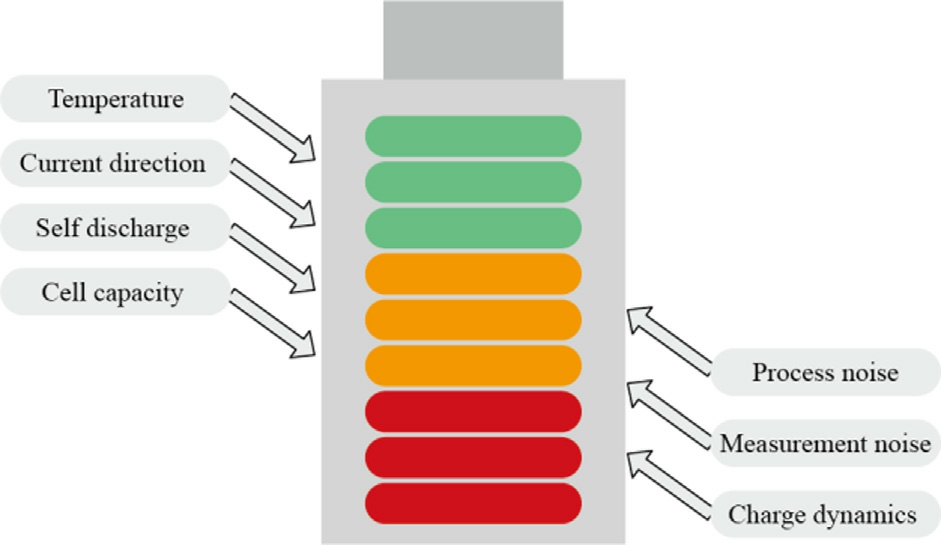
Fig. 1. Battery Parameters involved in SOC and SOH.
Main Contribution s:
We present a detailed comparative study of EKF,EKBF, UKF, and UKBF filters applied to Li-ion battery SOC and SOH estimation.
We evaluate their robustness under real-world parameter variations including temperature, Current direction, Self Disch arge, cell capacity, Process and measur ement uncertainties.
We demonstrate, through simulation, that UKF provides the most stable and accurate performance under noise-prone environm ents, while EKF excels when model dynamic s are well-characterized.
The study provides actionable insights for BMS developers to select appro priate filters based on specific application conditions.
1 Role of battery parameters in SO C and SOH estimation
The ratio of the maximum available capacity (Qrate) to the residual capacity (Q current) indicates the state of charge of a Li-ion battery:

The battery’s condition deteriorates over time, with greater charging and discharging cycles, as well as extended periods of inactivity. This results in heightened internal resistance, diminished capacity, and reduced power and capacity. Thus, internal resistance and capacity frequent ly serve as the determinants of the SOH.
1) SOH is a crucial metric for Li-ion batteries, modified in accordance with variations in battery capacity, as detailed below.
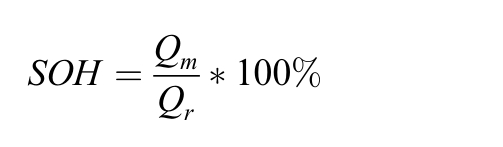
In this context, Qr represents the rated capacity, while Qm denotes the maximum usable capacity of the battery.
2) SOH is ascertained by the battery’s internal resis
tance, as will be elaborated further.
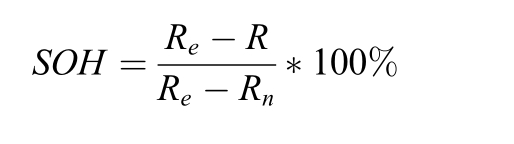
In this context, R denotes the current internal resistance of the battery, Re represents the internal resistance when the batte ry is depleted, and Rn signifies the internal resistance when the battery is new.
Employing realistic models to predict the performance and longevity of Li-ion batteries may address these diffi-culties. Researchers and consumers of Li-ion batte ries can evaluate the battery’s technical and economical feasibility for a specific application using precise models [28–30]. Consequently, battery models can diminish the necessity for costly and protracted field experiments. The primary objective of Li-ion battery performance models is to predict the dynami c short-term behaviour (e.g., power,voltage, etc.) under varying varia bles (e.g., temperature,load current, and SOC) [31,32].
Internal resistance is a critical factor in assessing the power efficiency of lithium-ion batteries. Understanding the degradation of internal resistance in Li-ion batteries,and consequently their power capacity, enables more precise measurement and design of battery packs and systems to meet application requirements. Moreover, precise data on the degradation characteristics of Li-ion battery internal resistance is essential for choosing and formulating the optimal approach for battery cooling systems. Finally,precise information about the increase in internal resistance with the aging of Li-ion batteries should advise appropriate energy management strategies, mitigating safety issues and extending battery lifespan [33,34].
2 Experimental set up using filtering approac hes
The state of a physical process can be forecasted via the Kalman Filter by resolving a seque nce of differential equations. The method for filtering batteries is illustrated in Fig. 2 [35]. Consequently, it diminishes the margin of error for the state variables related to the anticipated and actual outcomes of a linear system.
SOC and SOH estimation are critical functions in BMS,especially for electric vehicle and grid storage applications.Numerous algorithms have been proposed over the years,ranging from mod el-based methods such as the EKF and UKF to style="font-size: 1em; text-align: justify; text-indent: 2em; line-height: 1.8em; margin: 0.5em 0em;">However, most existing studies assume static battery parameters during estimation. In practical settings, battery internal resistance, capacity, and other model parameters vary with temperature, aging, and usage patterns significantly affecting estimation accuracy and filter stability.As battery degradation accelerates under real-world operation, a filter’s adaptability to dynamic parameter variations becomes critical.
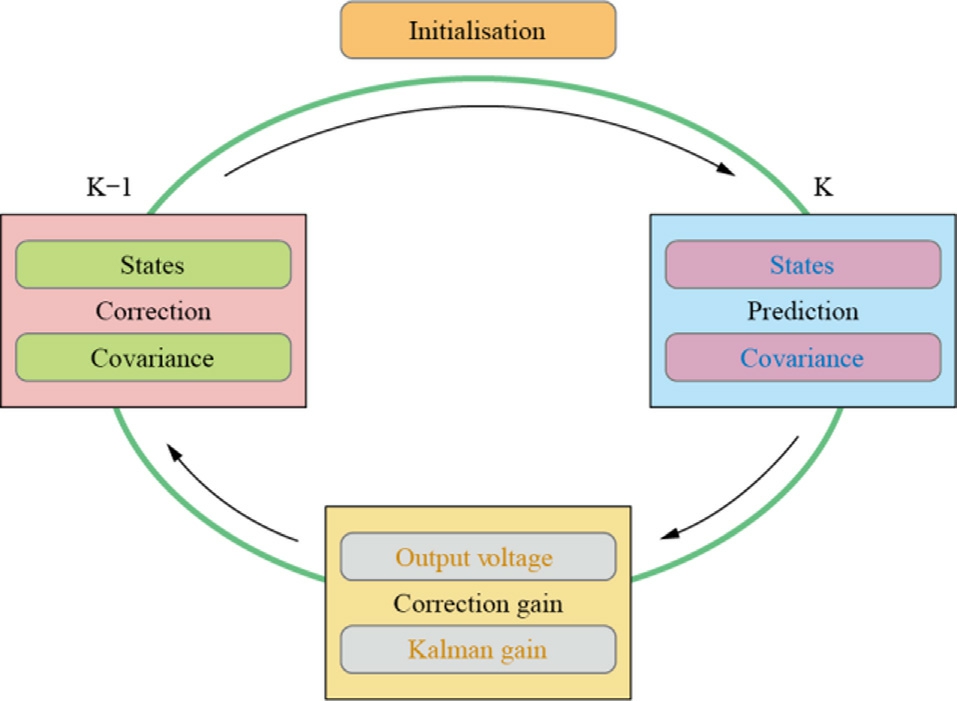
Fig. 2. Filtering Process in a battery.
This study aims to systematically evaluate the performance of four Kalman Filter variants EKF, EKBF,UKF, and UKBF under such parameter variations. By comparing their robustness in hand ling nonlinearity and uncertainty, we aim to bridge the gap between theoretical estimation performance and real-world deployment constraints.
A prevalent application of the filter in the battery domain is to compute the anticipated output utilizing an ECM and a coulomb counter. Consequently, the correlation between the SOC and the Open Circuit Voltage(OCV) is examined.
The LKF is hardly utilized in scholarly publications due to the non-linear behaviour of cells. A first-order Taylor approximation of the differential equations can linearize the system and measurement matrices in the current state,facilitating the use of the Kalman Filter for batteries.This method is referred to as EKF [39]. However, filter estimation may result in insufficient errors and filter divergence due to linearization errors and the omission of higherorder derivatives in the Taylor approximation. This resulted in the development of the Sigma Point Kalman Filter, or SPKF. In this situation, derivatives are omitted;rather, the linearizat ion is approximated by a collection of sigma points.
By looking at the variety of parameters, this analysis aims to increase the accuracy of different scenarios. The real SOC is determined using the coulomb counting method, and the estimated SOC can be o btained using the EKF, EKBF, UKF, UKBF. Fig. 3 illustrates that the actual SOC is ascertained by the Coulomb count ing method. Fig. 4 indicates that Kalman filters will be utilized to implement the filtering methods for calculating SOC,SOH, and TR.
An Estimated SOC is provided with the SOH estimate,which is derived using temperature, SOC, and TR inputs.Distinct differences in each sample exhibit battery attributes such as temperatur e, self-discharge, cell capacity,charge dynamics, discharge cycles, and noise variables including covariance process noise and measurement noise.
3 Battery modelling and related equati ons for SOC estimation
Typically, ECMs will utilize either a single or double RC term. This enables the incorporation of five RC terms into the model. Here are examples of ECMs that include either one or two RC words which is shown in Figs. 5 and 6.
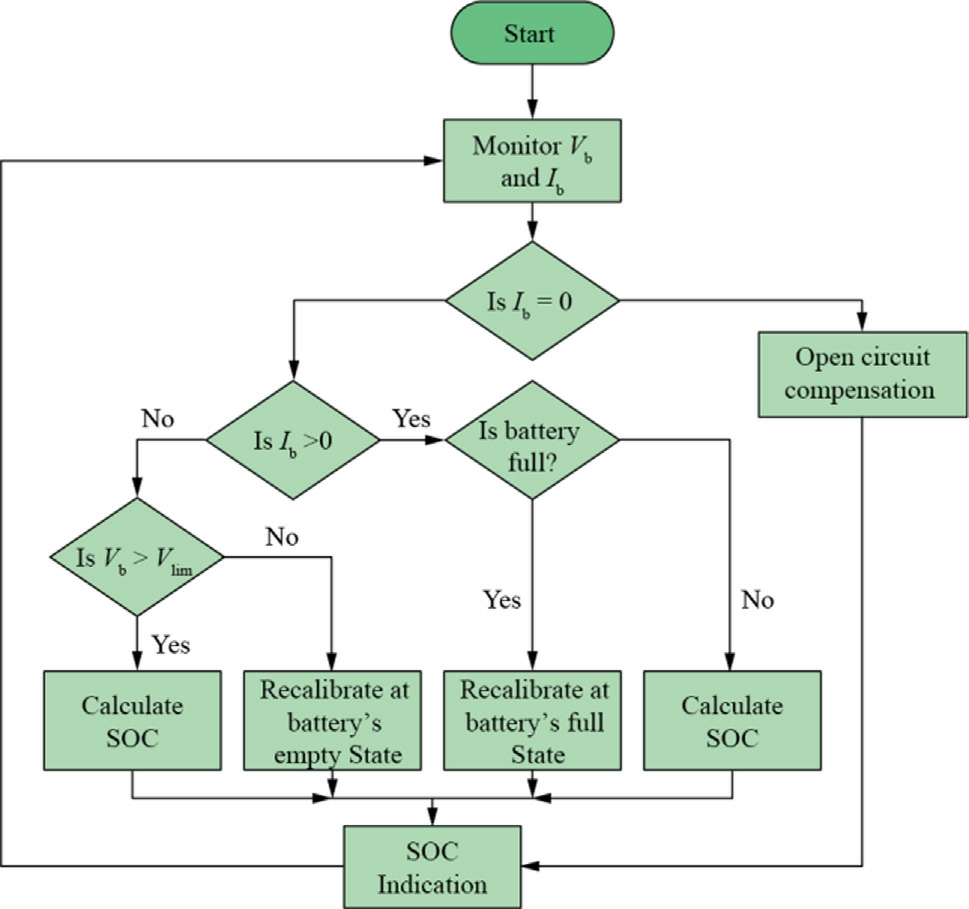
Fig. 3. Flowchart for SOC Calculation.
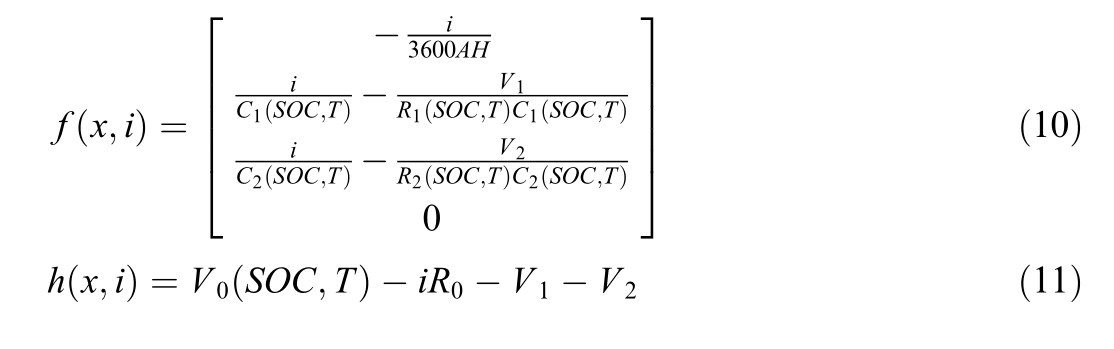
Incorporating two time-constant dynamics and the terminal resistance R0 as an additional state, the subsequent circuit equatio ns are analogous:
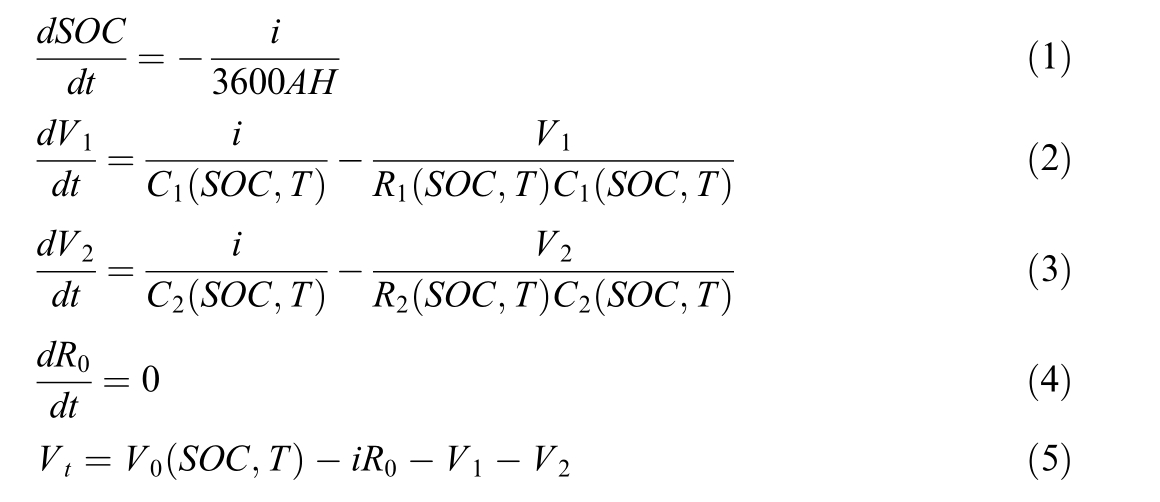
The equation C1 = τ1/R1 delineates the time constant τ1 for the initial parallel segment, which is linked to the first parallel RC capacitance C1 and the first polarization resistance R1.
The equation C2 = τ2/R2 delineates the time constant τ2 for the second parallel segment, which is linked to the second parallel RC capacitance C2 and the first polarization resistance R2.
The nonlinear process and observation functions are utilized alongside the Kalm an filter methodologies, which employ this state:
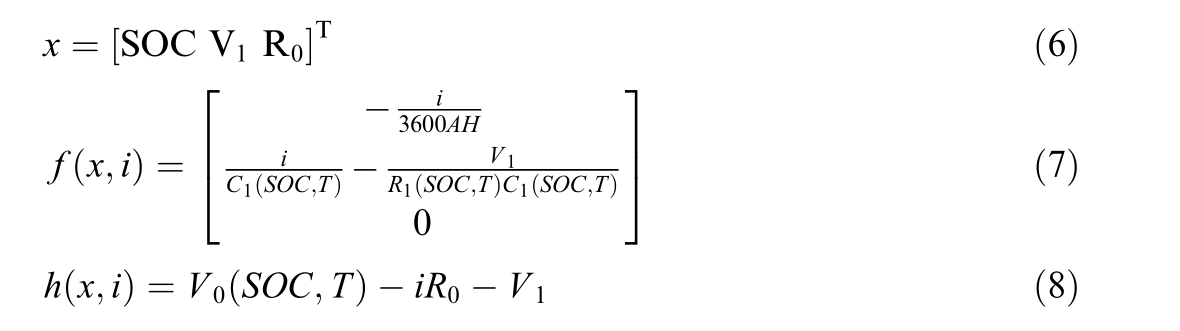
The Kalman filter techniques employ this state in conjunction with the relevant process and observation functions when the Charge dynamics parameter is configured to Two time-constant dynamics.

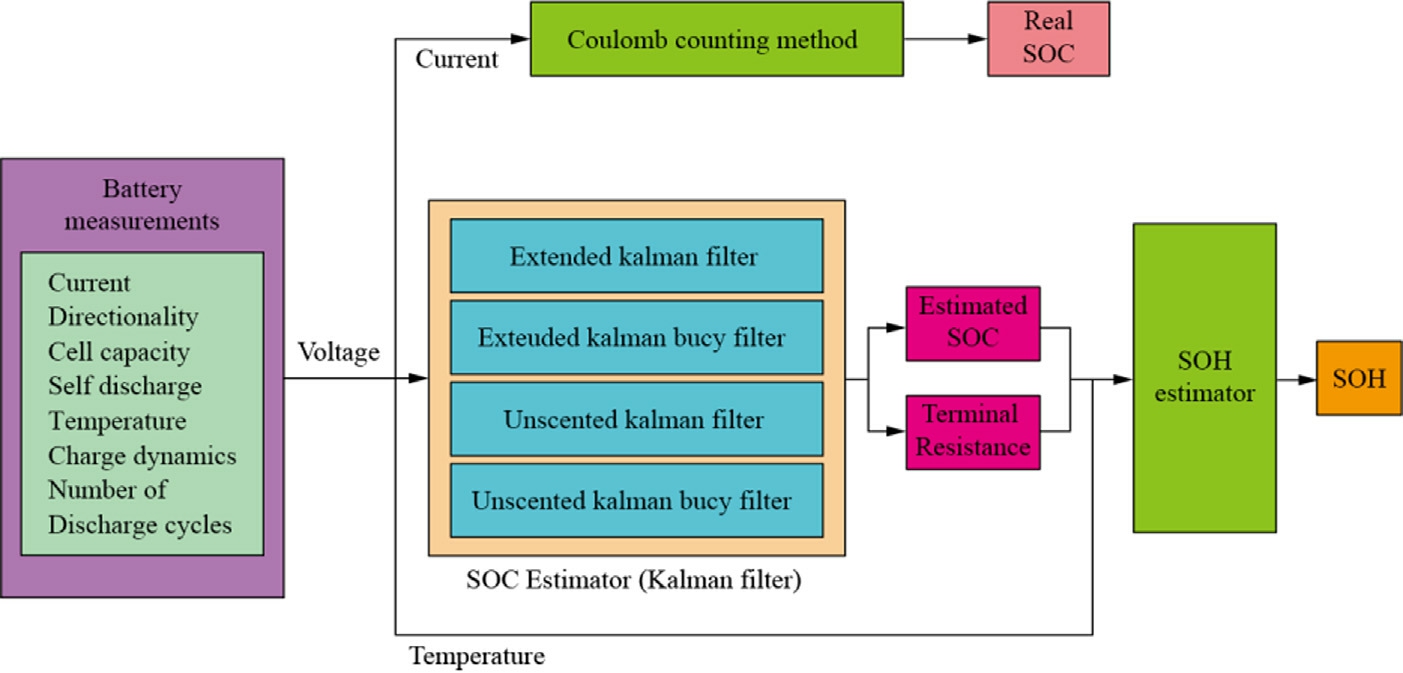
Fig. 4. Model Diagram for SOC and SOH Estimation.
3.1 Extended Kalman Filter
Fig. 7 illustrates the structure of the EKF.
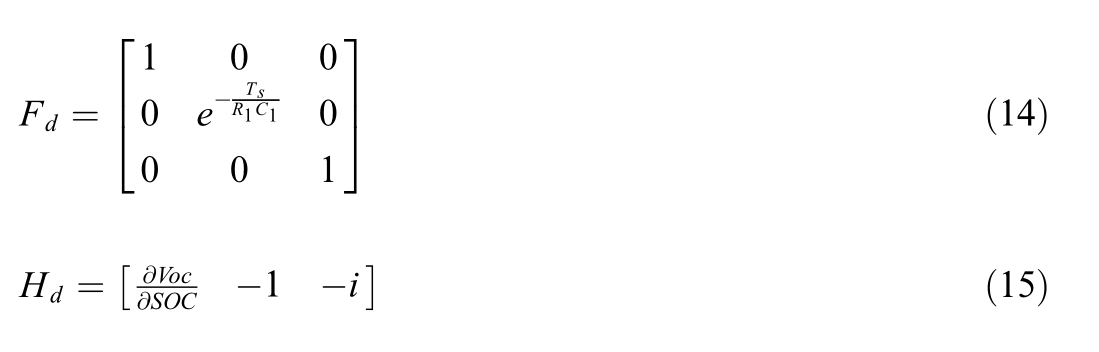
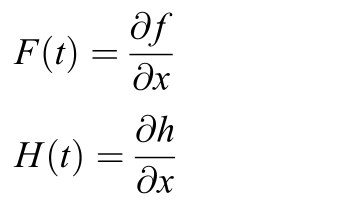
The EKF method employs linearization at each time step to approximate the nonlinear system. At each time step, the approach linearizes the system by computing these Jaco bians:
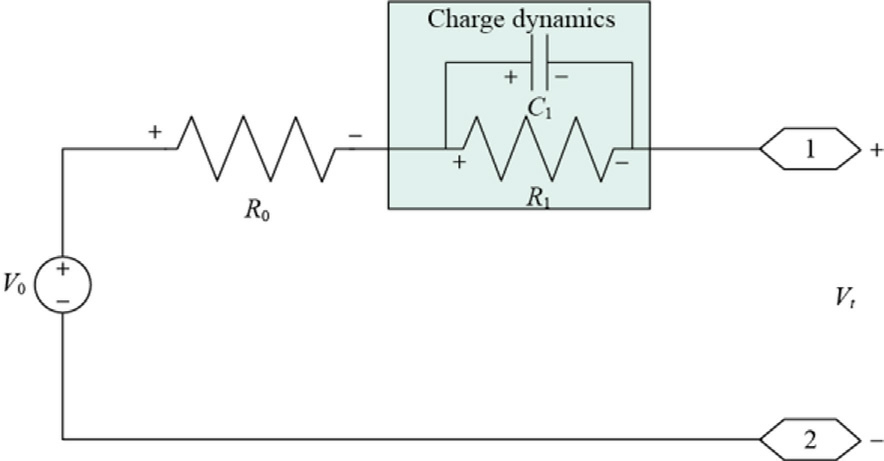
Fig. 5. One RC ECM.
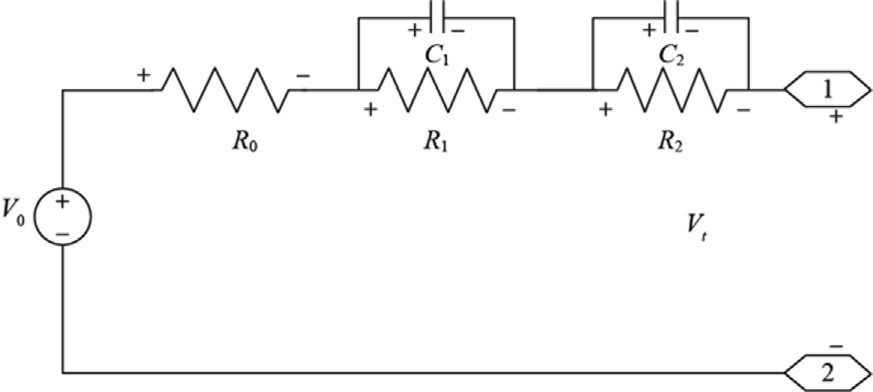
Fig. 6. Two RC ECM.
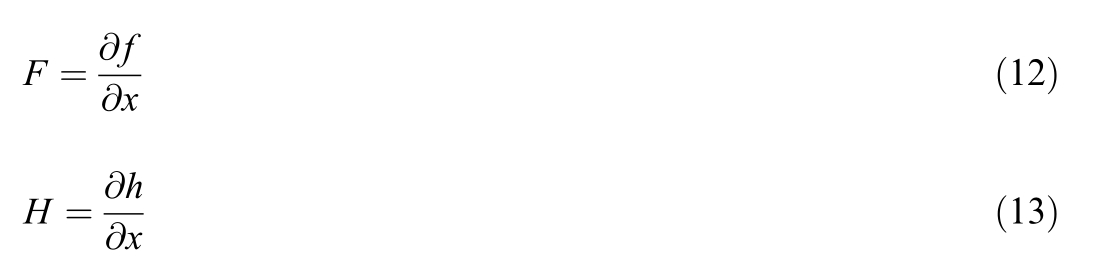
The EKF employs a discrete-time algorithm. The Jacobians for the estimated state of charge of the battery postdiscretization are presented here:
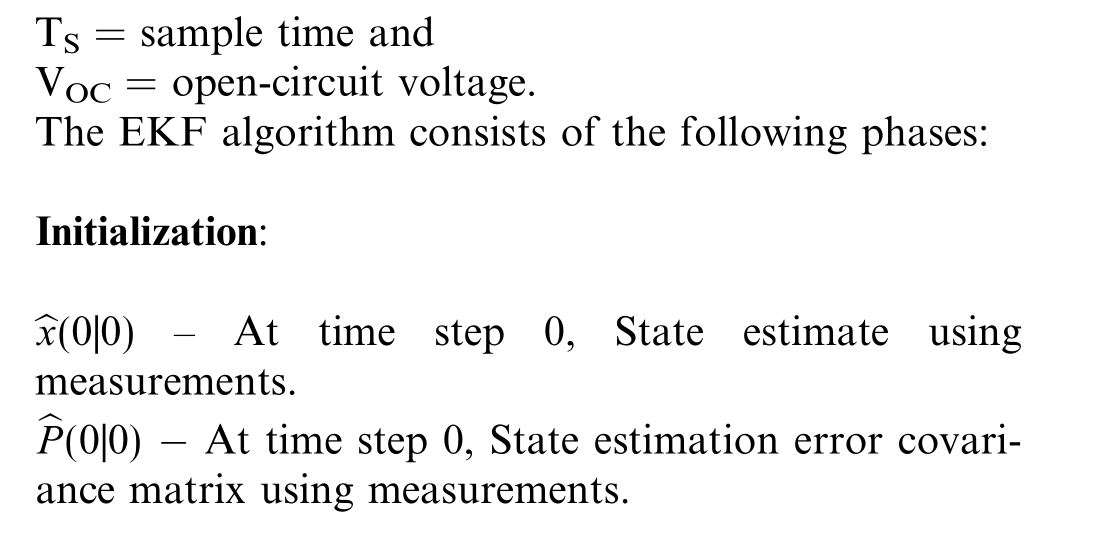
Prediction:
Project the states ah ead (a priori):

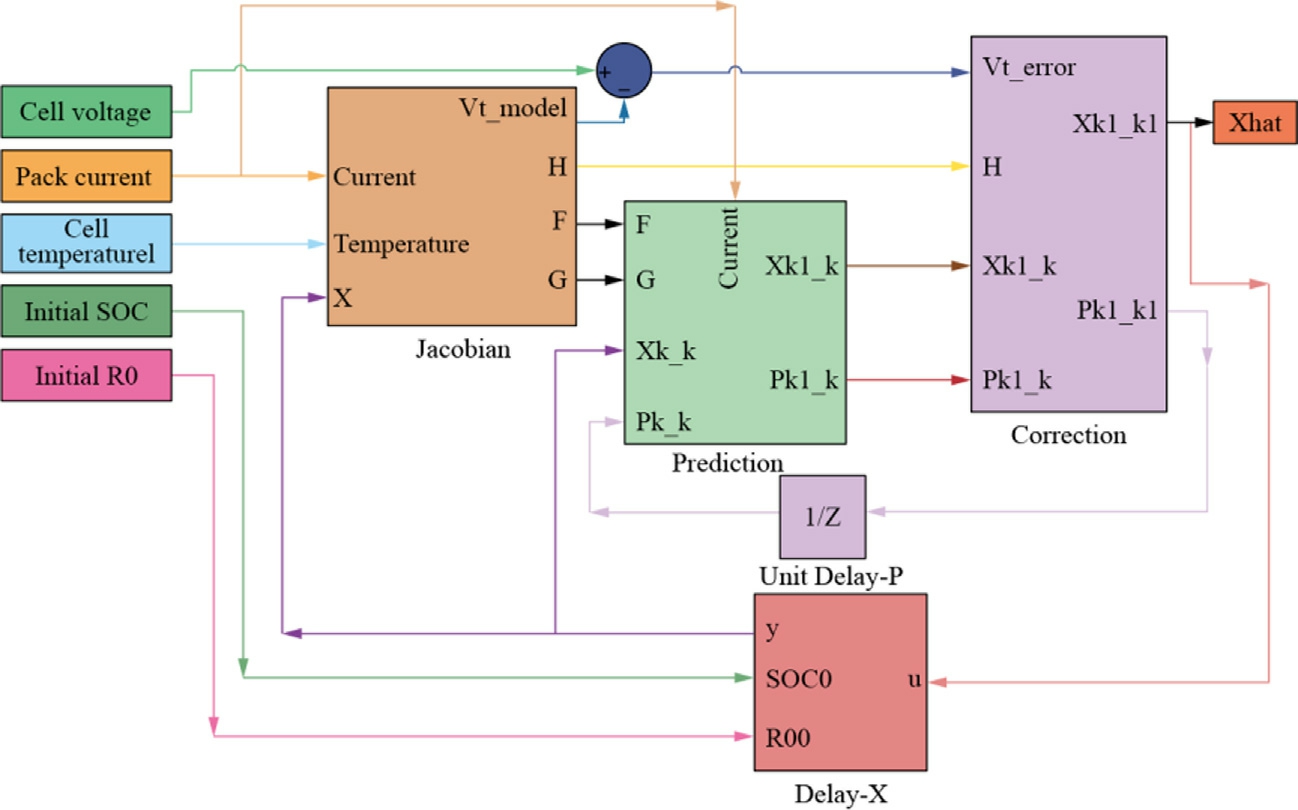
Fig. 7. Structure of Extended Kalman Filter.
Project the error cova riance ahead:

Q = covariance of the process noise.
Correction:
Compute the Kalman gain:

R = covariance of the measurement noi se.
Update the estimate with the measur ement y(k)(a posteriori):

Update the error covariance:

3.2 Extended Kalman-Bucy Filter
Fig. 8 illustrates the structure of the EKBF.
The components constituting the EKF algorithm are as follows: The continuous-time analogue of the Kalman filter is the EKBF. The processes of prediction and correction are interconnected within a continuous temporal framework. The components comprising the EKBF algorithm are as follows:
Initialization

Prediction-Correction EKBF algor ithm
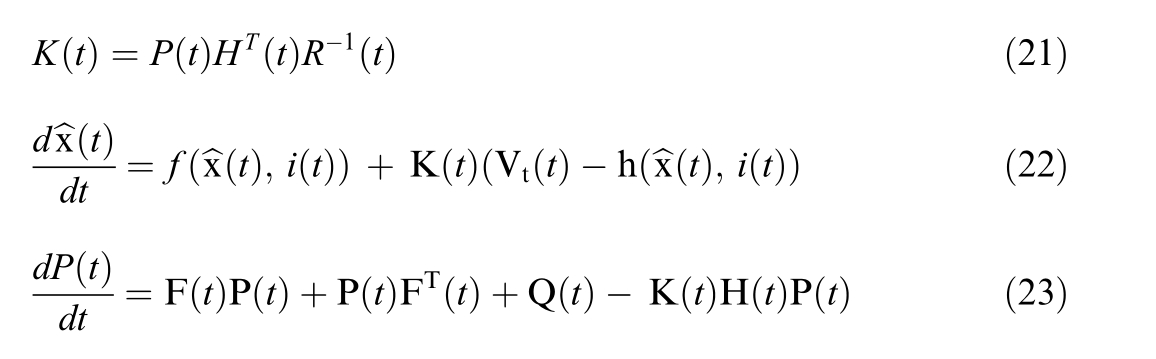
where:
3.3 Unscented Kalman Filter
This Fig. 9 shows the structure of the UKF:
The EKF derives local approximations for nonlinear functions by solving linear equations derived from the Taylor expansion, concentrating solely on the first component of the expansion. In a highly nonlinear system, their responses are not precise.
The UKF applies nonlinear transformations on a deterministically selected set of sigma points for analysis. This approach is referred to as aromaless transformation. The updated points’ mean and covariance matrix yield second-order precision in the Taylor series expansion.
The UKF algorithm adheres to the following pro tocols:
Initialization
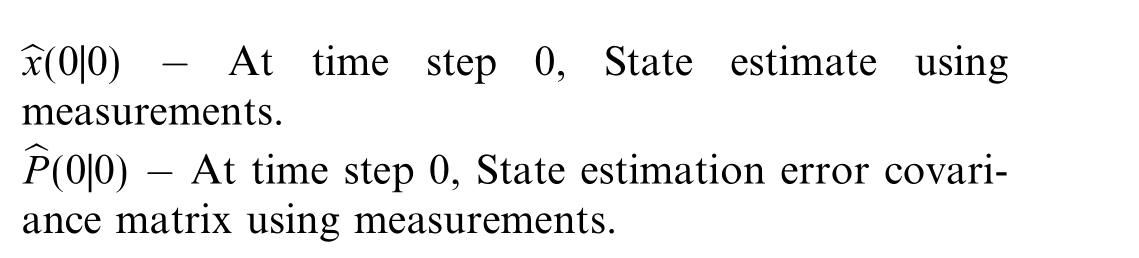
Specify the mean and covariance weights for each sigm a point.
Choose the sigma values, x(i) (k|k)
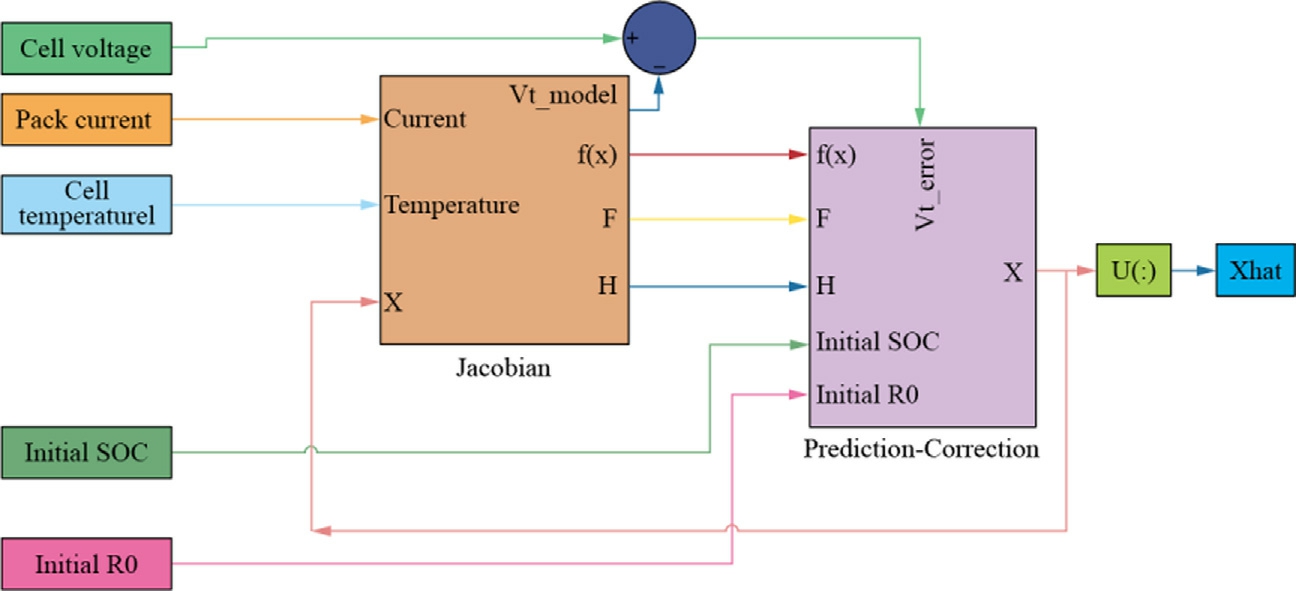
Fig. 8. Structure of Extended Kalman Bucy Filter.
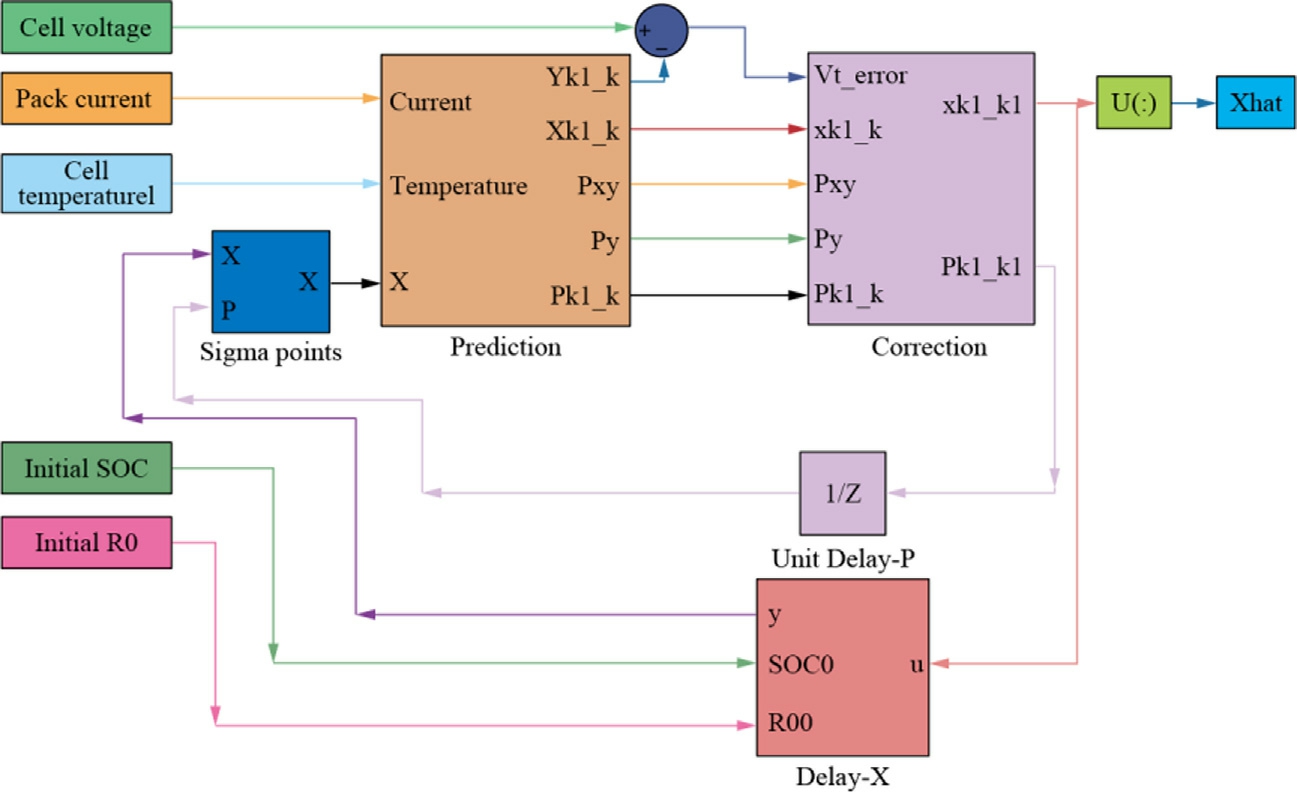
Fig. 9. Structure of Unscented Kalman Filter.
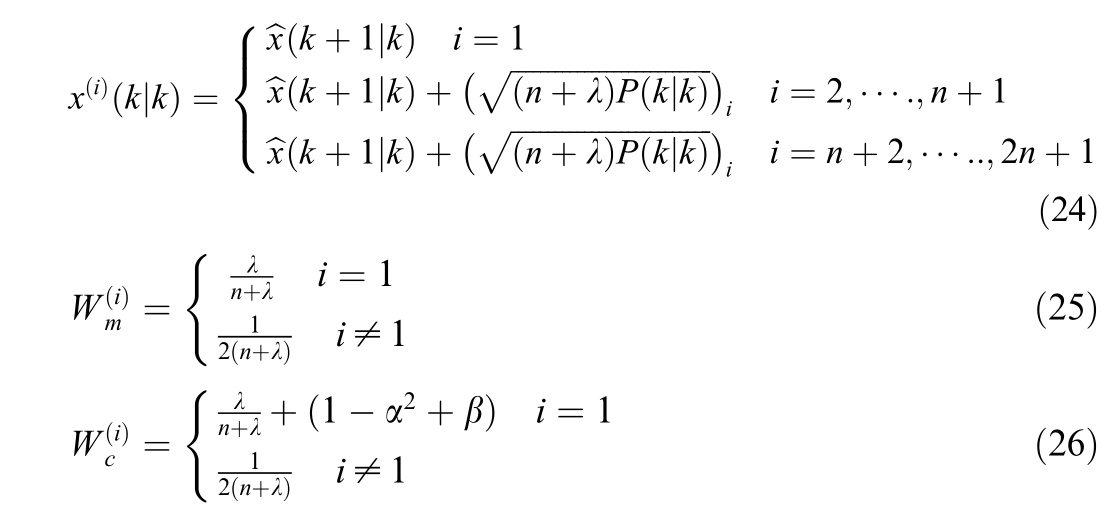
Here
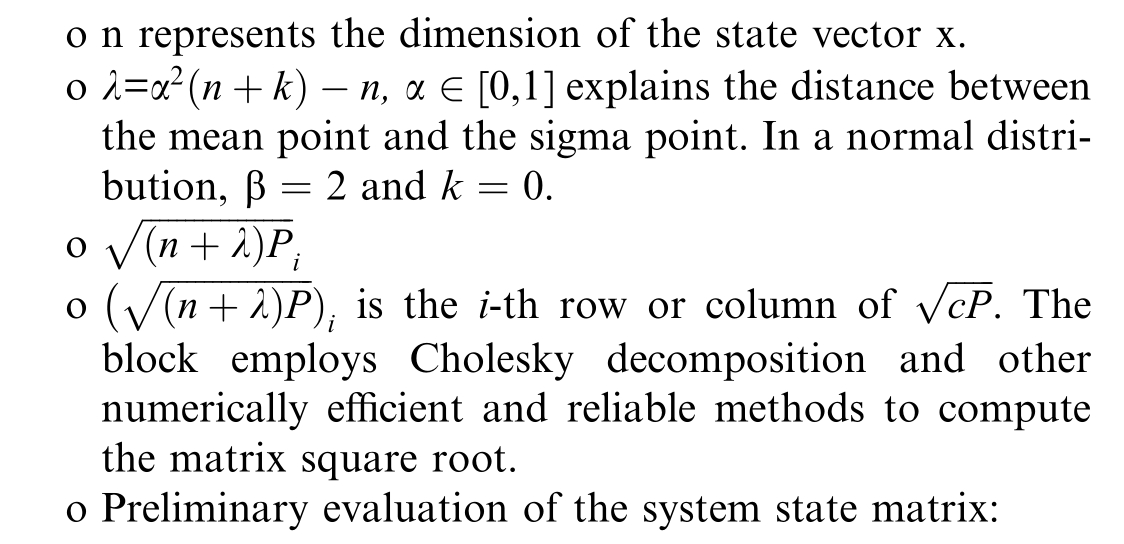

First estimation of the covariance matrix of the state variables:

Estimation of the measur ed varia bles:


Estimation of the covariance of the measurement (Py) and covariance between the measurement and the state (Pxy):
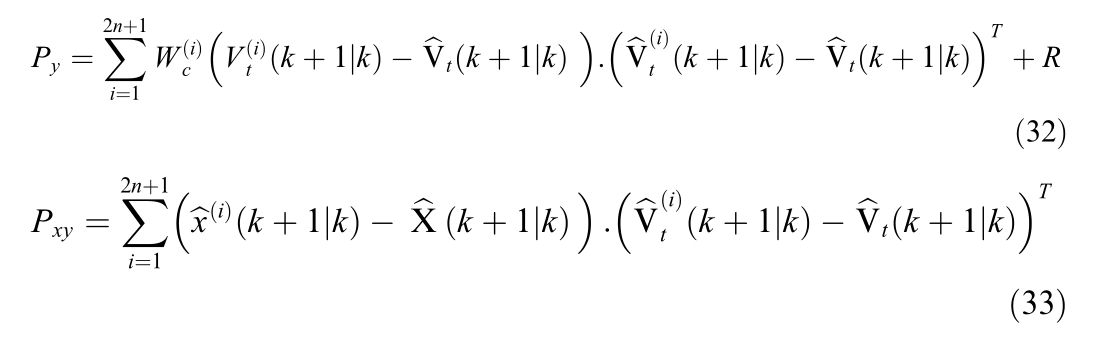
Kalman filter gain:

Second update of the state matrix and of the covariance of the stat e variables:
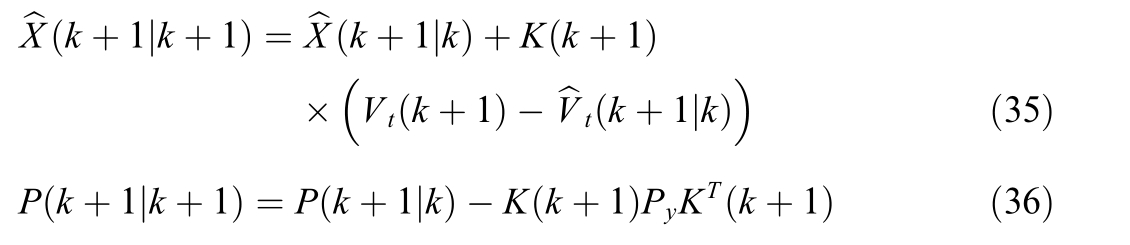
3.4 Unscented Kalman-Bucy Filter
This Fig. 10 shows the structure of the UKBF:
The continuous-time filtering equations of the UKBF resemble those of the EKBF.
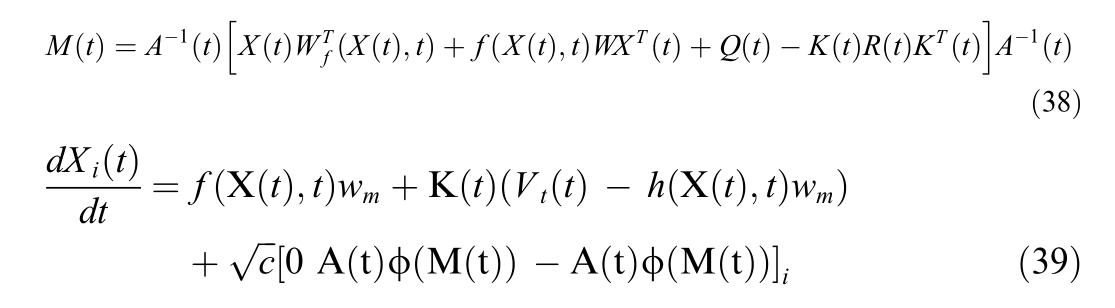
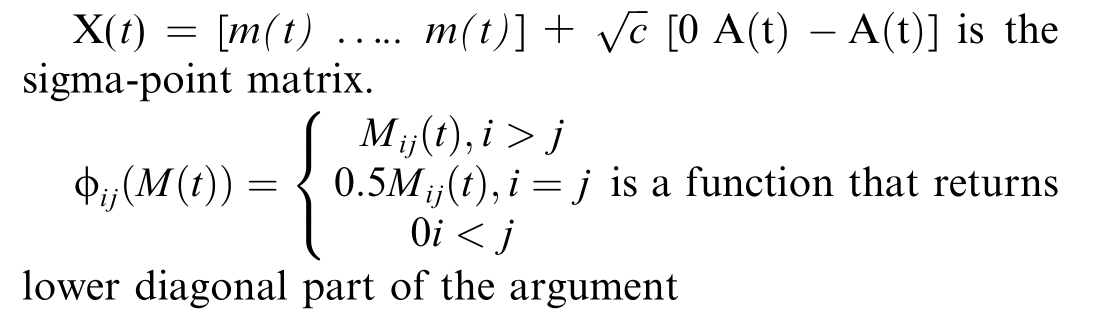
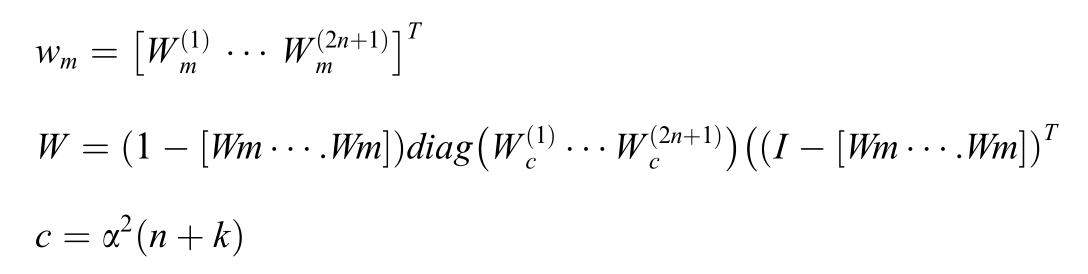
The square-root variant of the Unscented Kalman Filter (UKF) can be derived by formulating the filter as a differential equation for the sigma points, facilitated by the UKF’s utilization of matrix square roots in its sigma points. The formulas for the square root of UKBF are provided below:

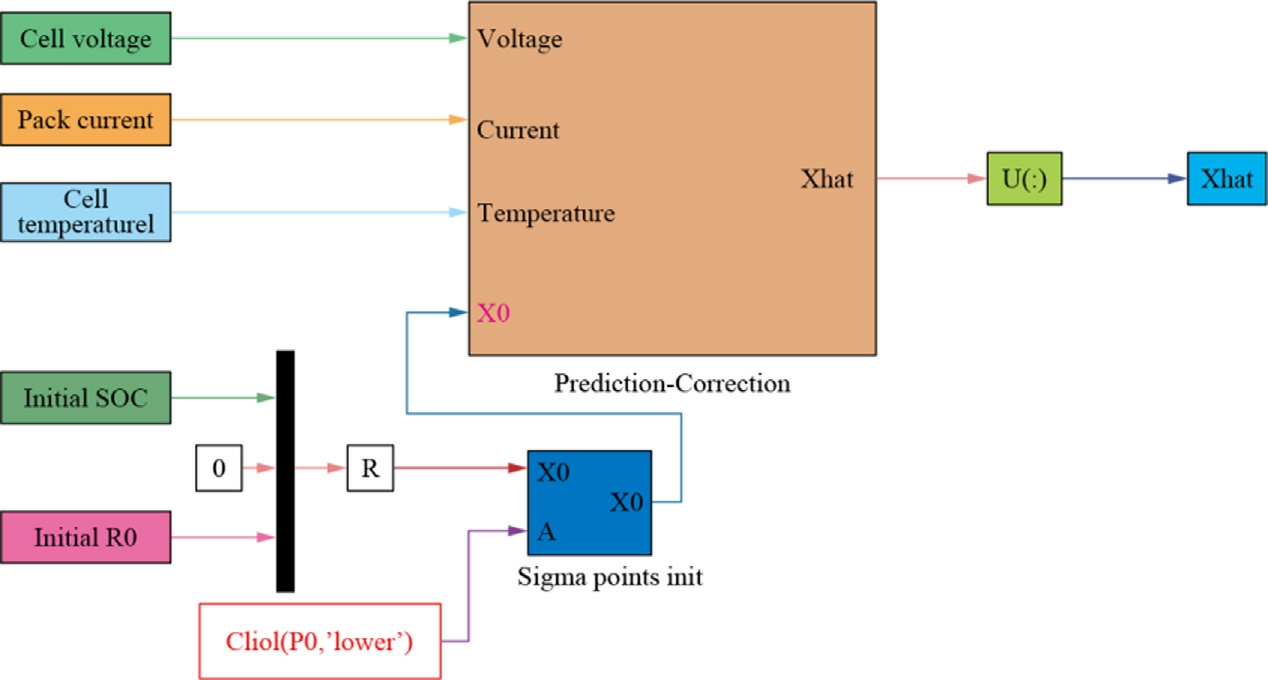
Fig. 10. Structure of Unscented Kalman Bucy Filter.
where

4 Simulation results & discussion
In this we perform MATLAB Simulink on EKF,EKBF, UKF, UKBF under different varying parameters like temperature variation, number of life cycles and vary resistance in terms of current direction and self-discharge.Here we observed the values like real SOC, estimated SOC, State of health, SOC error and terminal resistance and the resulting graphs which is shown in Fig. 11.
In this we perform MATLAB Simulink on EKF,EKBF, UKF, UKBF under different varying parameters like temperature variation, number of life cycles and vary resistance in terms of current direction and self-disch arge.Here we observed the values like real SOC, estimated SOC, State of health and terminal resistance and the resulting graphs which is shown in Figs. 11 and 12.
SOH:
The main observation is SOH performance is reduced when there is increase in temperature and change in selfdischarge resistance and improve the SOH with the decrease in both self-discharge resistance and current direction resistance which are shown in Tables 1– 4.
Terminal Resistance:
The terminal resistance or internal resistance value is increased with increase in temperature and get reduced resistance in the case of decrease in current direction resistance and self-discharge resistance.
SOC error:
The extended Kalman filter gives the better performance with the change in battery parameters like current direction resistance but error is more when both selfdischarge resistance and current direction resistance is decreased.
Comparison of Filt ers:
Case 1: EKF/EK BF
From the Tables 1–4 if we compare EKF and EKBF,EKF gives the better performance in terms of SOC a nd EKBF gives the better performance for SOH and terminal resistance.
Case 2: UKF /UKBF
From the Tables 1–4 if we compare UKF and UKBF,UKF gives the better performance in terms of SOC, terminal resistance and SOH compare to UKBF but some cases only like change in current direction and self-discharge resistance UKBF gives the better performance in SOH compare to UKF.
Case 3: EKF/UK F
From the Tables 1–4 if we compare EKF and UKF,UKF gives the better performance than EKF in terms of SOC, SOH and terminal resistance.
Case 4: EKBF/UKBF
From the Tables 1–4 if we compare EKBF and UKBF,the UKBF gives better performance in SOC with the change in current direction resistance. For SOH and terminal resistance EKBF gives better performance.
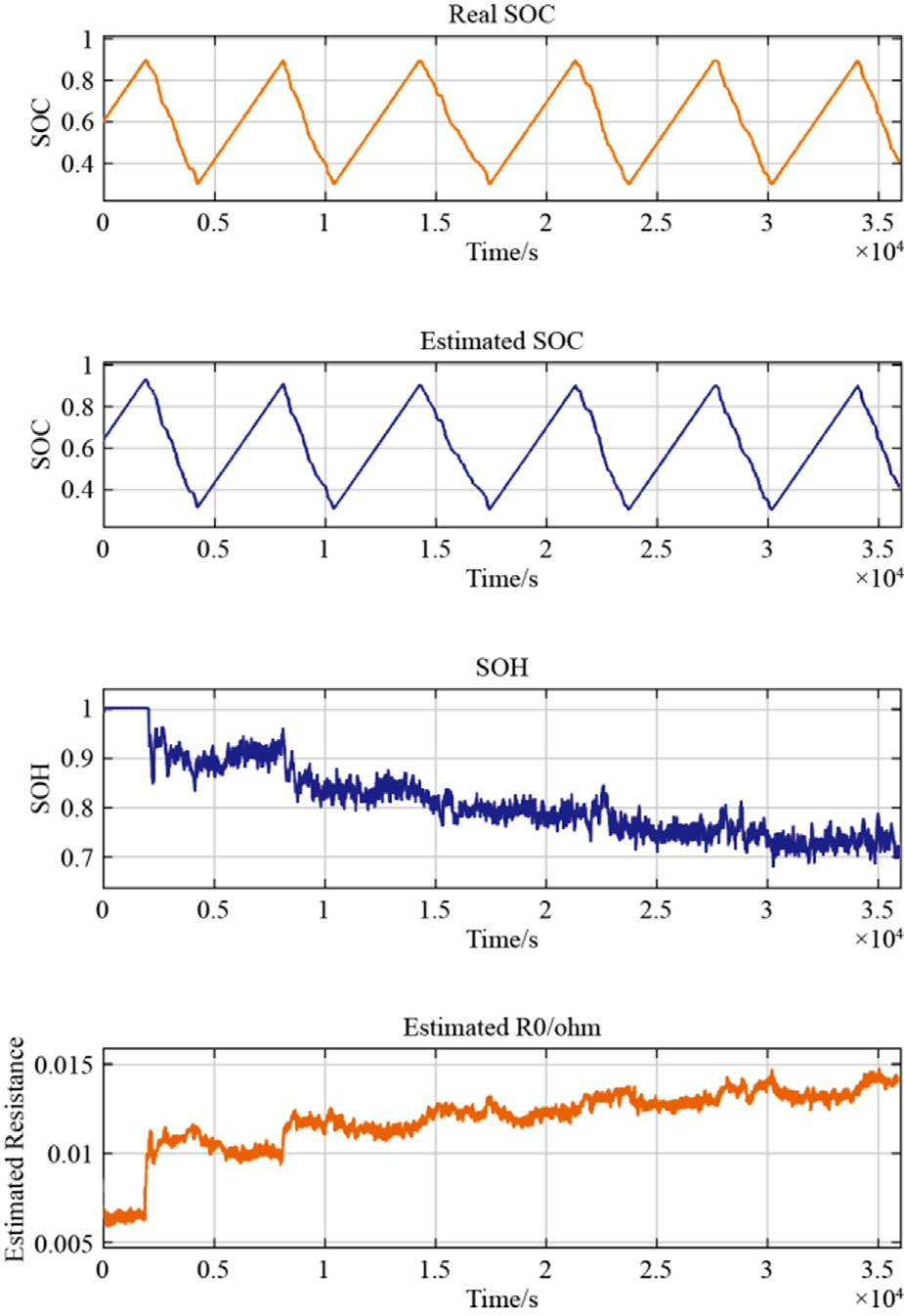
Fig. 11. Simulation Results for SOC, SOH, TR.
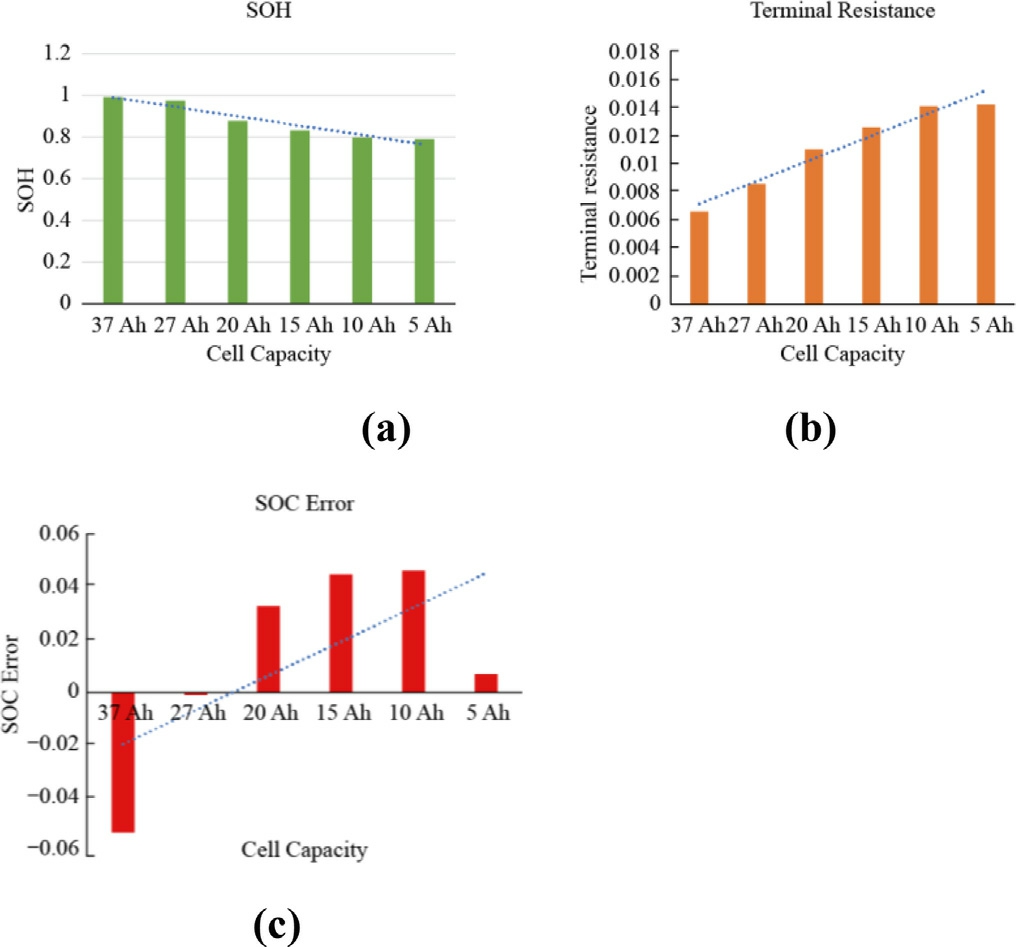
Fig. 12. Comparison results with cell capacity variation.
Variation of parameters in terms of cell capaci ty:
Here we can compare the SOC, SOH, terminal resistance for variation of ce ll capacity rating for the batte ry which is shown in Fig. 12. The actual cell capacity rating of battery is chosen as 27Ah.
1) When the cell capacity rating is decreased, the SOH is decreased and terminal resistance and SOC was increased and having major deviations in terms of estimate d SOC with real SOC.
2) When the cell capacity rating is increased, the SOH is increased and terminal resistance and SOC was decreased and having less effect in terms of estimated SOC with real SOC.
Overall performance in EKF, EKB F, UKF, UKBF:
SOH: The overall performance of SOH variation with cell capacity values in EKF, EKBF, UKF, UKBF are represented in Table 5.
i) When the cell capacity is reduced in EKF, EKBF,UKF, UKBF, the SOH is reduced in all filters and UKF gives the better performance compare to all filters which is shown in Fig. 13.
ii)When the cell capacity is increased in EKF, EKBF,UKF, UKBF, the UKF gives reduced performance compared to EKF , EKBF, UKBF.
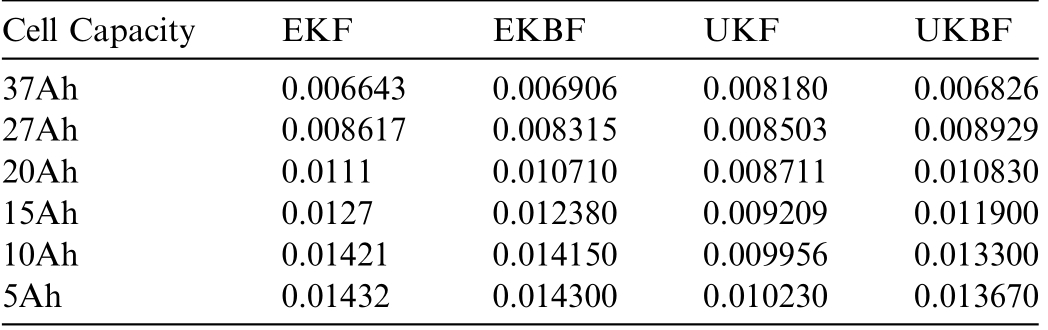
Resistance: The overall performance of Terminal resistance variation with cell capacity values in EKF, EKBF,UKF, UKBF are represented in Table 6.
i)When the cell capacity is reduced in EKF, EKBF,UKF, UKBF, the UKF gives the better performance compare to all filters which is shown in Fig. 14.
ii)When the cell capacity is increased in EKF, EKBF,UKF, UKBF, the UKF gives reduced performance compared to EKF , EKBF, UKBF.
SOC Error: The overall performance of SOC Error variation with cell capacit y values in EKF, EKBF, UKF,UKBF are represented in Table 7.
i)When the cell capacity is reduced in EKF, EKBF,UKF, UKBF, the UKF gives the negative error i.e., better performance compare to all filters which is shown in Fig. 15.
ii) When the cell capacity is increased in EKF, EKBF,UKF, UKBF all filters have the negati ve error and gives the better pe rformance in all filters.
Variation of parameters in terms of Covariance of process noise:
Table 1 Battery parameter variations in extended Kalman filter.
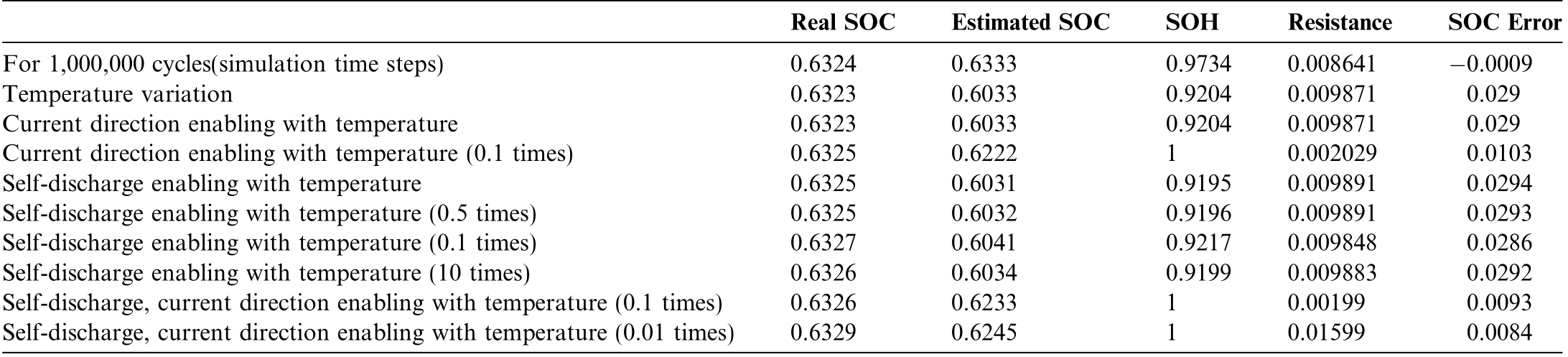
Table 2 Battery parameter variations in extended Kalman Bucy filter.
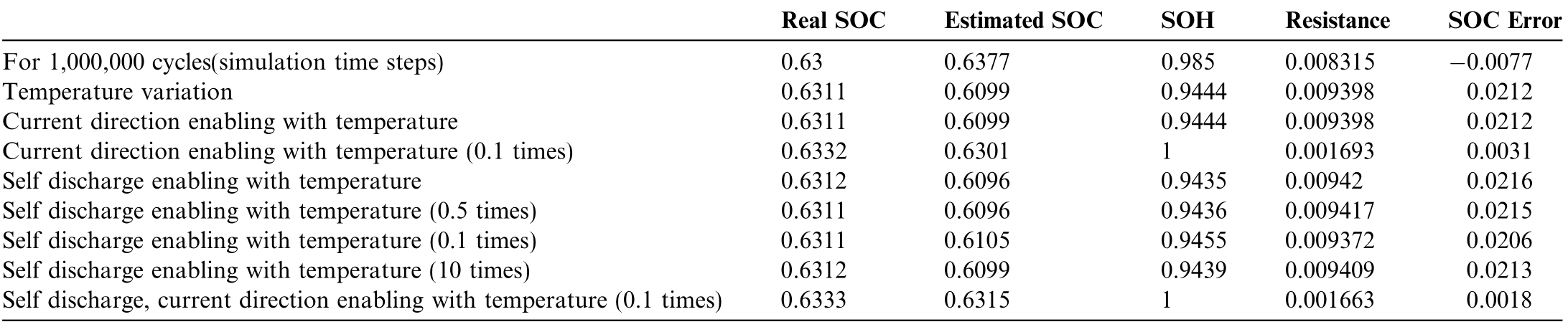
Table 3 Battery parameter variations in unscented Kalman Filter.
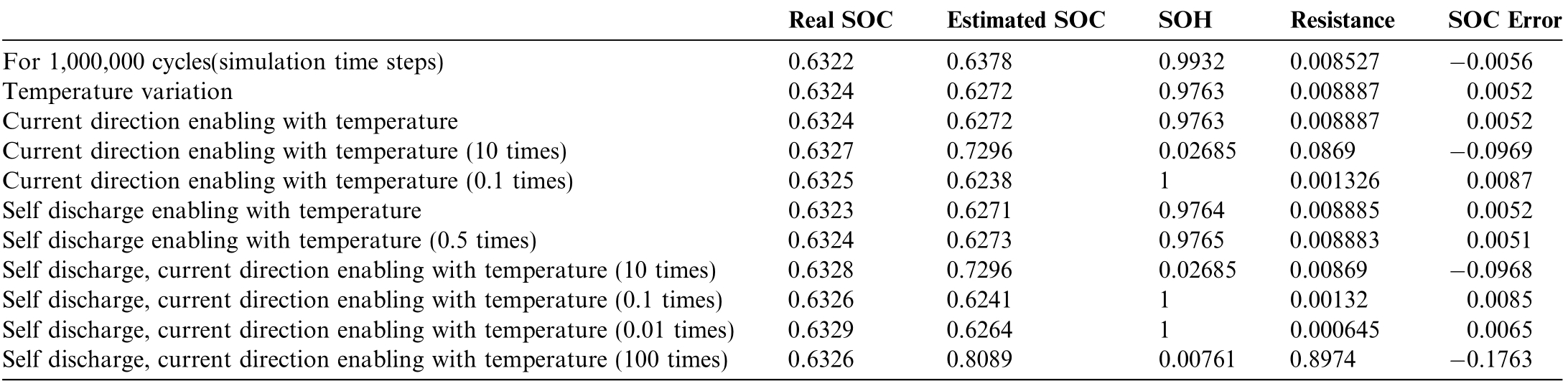
Table 4 Battery parameter variations in unscented Kalman Bucy filter.
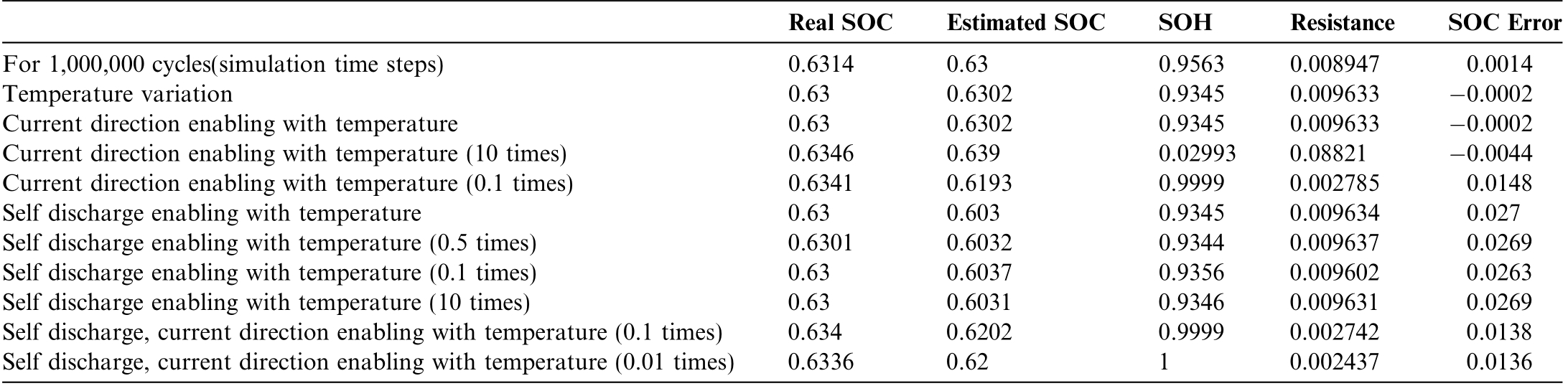
Table 5 SOH variation with cell capacity.
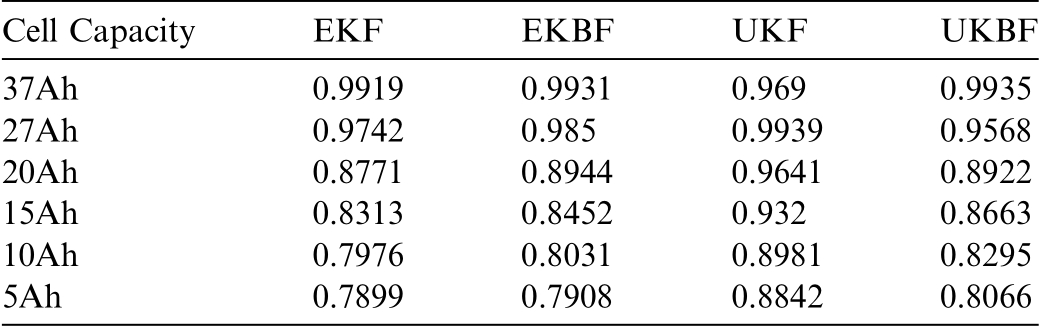
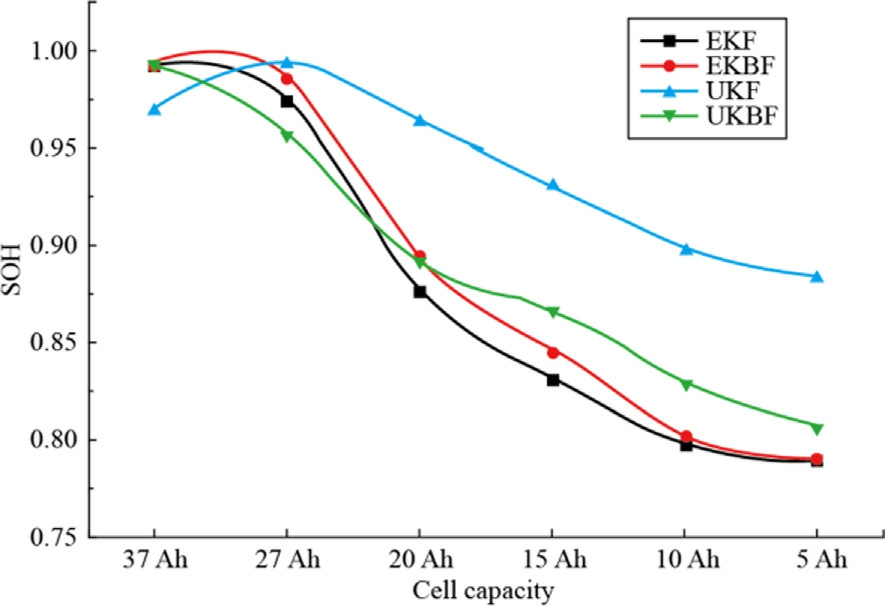
Fig. 13. Graphical Analysis of SOH in filters with cell capacity variation.
Table 6 Terminal resistance variati on with cell capacity.
Here we can compare the SOC, SOH, terminal resistance for variation of Covariance of process noise for the battery which is shown in Fig. 16. The actual Covariance of process noise of battery is chosen as 0.0001.
1) When the Covariance of process noise is decreased,the SOH is increased and reduced terminal resistance and has negative SOC error.
2) When the Covariance of process noise is increased,the SOH is decreased and terminal resistance is increased and has positive SOC error.
Overall performance in EKF, EK BF, UKF, UKBF:
SOH: The overall performance of SOH variation with Covariance of process noise values in EKF, EKBF,UKF, UKBF are represented in Table 8.
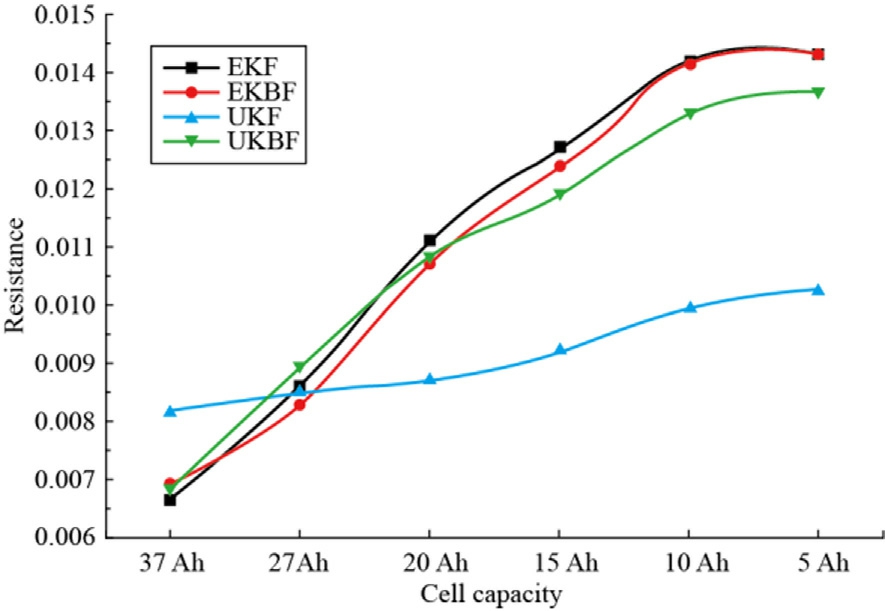
Fig. 14. Graphical Analysis of Terminal Resistance in filters with cell capacity variation.
Table 7 SOC Error variation with cell capacity.
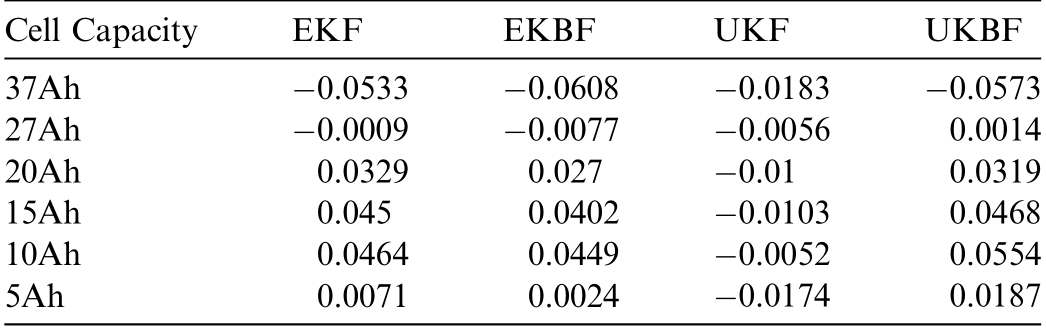
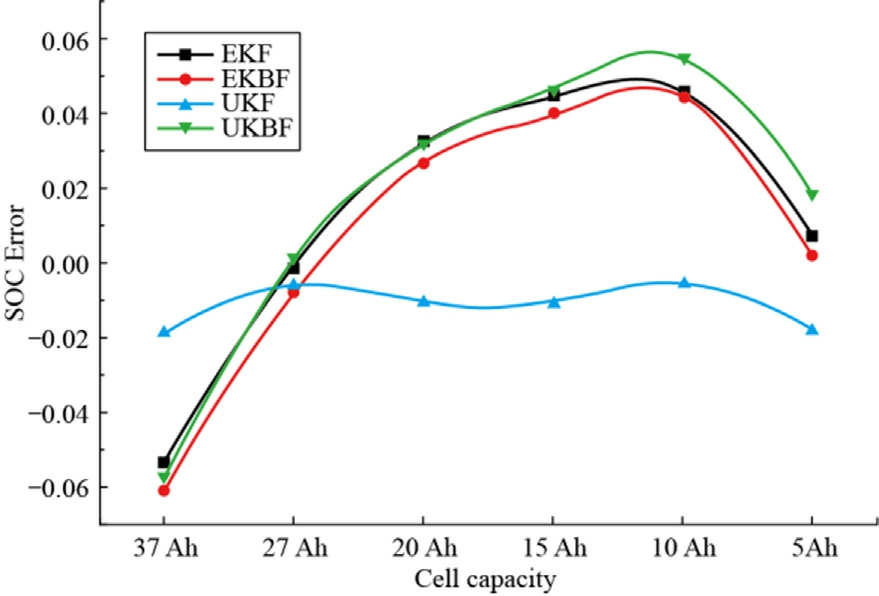
Fig. 15. Graphical Analysis of SOC Error in filters with cell capacity variation.
i) When the Covariance of process noise is reduced in EKF, EKBF, UKF, UKBF, the UKF gives the better performance compare to all filters which is shown in Fig. 17.
ii) When the Covariance of process noise is increased in EKF, EKBF, UKF, UKBF, it has less impact on SOH and EKBF is not suitable for increase in Covariance of process noise.
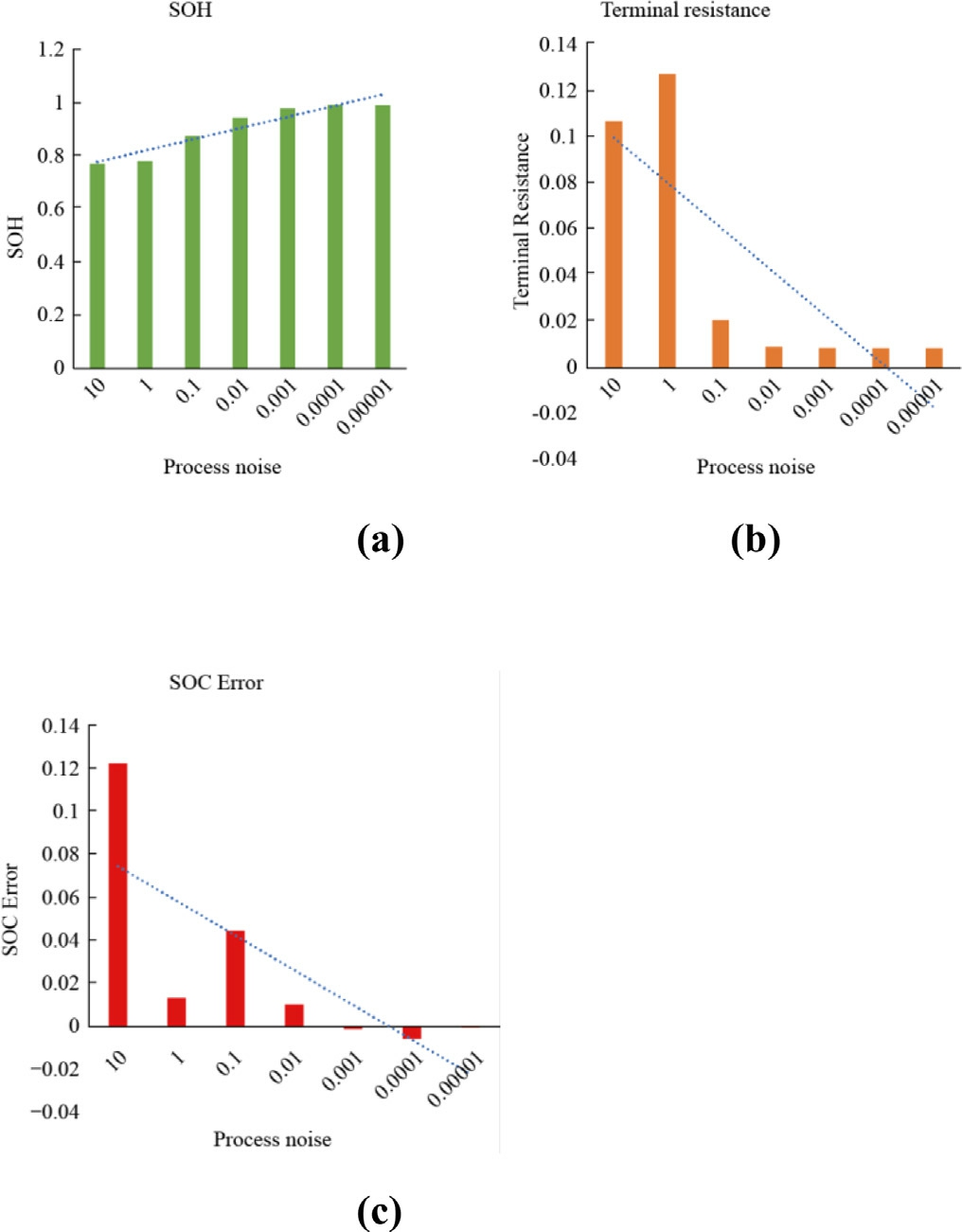
Fig. 16. Comparison results with Covariance of process noise variation.
Table 8 SOH variation with Covariance of process noise.
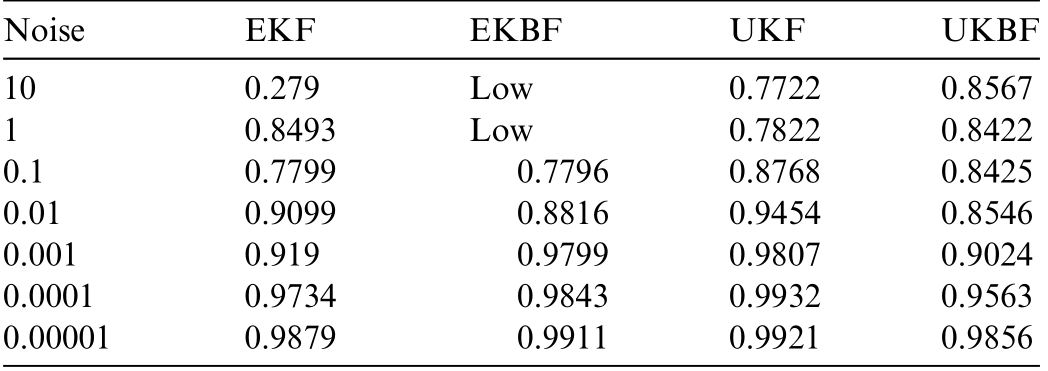
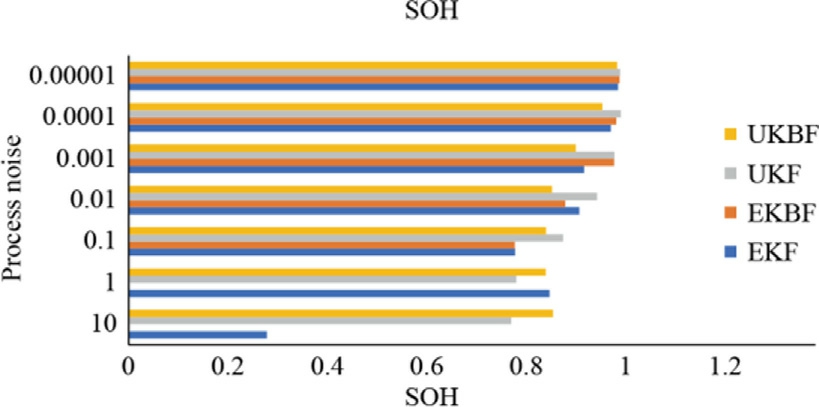
Fig. 17. Result Analysis of SOH in filters with Covariance of process noise variation.
SOC Error: The overall performance of SOC Error variation with Covariance of process noise values in EKF, EKBF, UKF, UKBF are represented in Table 9.
With the change in covariance process noise EKBF gives the better performance in terms of SOC but limited to some values which is shown in Fig. 18.
Variation of parameters in terms of Measurement noise:
Here we can compare the SOC, SOH, terminal resistance for variation of Me asurement noise for the battery which is shown in Fig. 19. The actual Measurement noise of battery is chosen as 0.05.
1) When the Measurement noise is decreased, the SOH is decreased and increa sed terminal resistance and has negative SOC error.
2) When the Measurement noise is increased, the SOH is increased and less impac t on terminal resistance and has positive SOC error.
Overall performance in EKF, EKB F, UKF, UKBF:
SOH: The overall performance of SOH variation with Measurement noise values in EKF, EKBF, UKF, UKBF are represented in Table 10.
i) When the Measurement noise is reduced in EKF,EKBF, UKF, UKBF, the UKBF gives the be tter performance compare to all filters which is shown in Fig. 20.
Table 9 SOC Error variation with covariance of process noise.
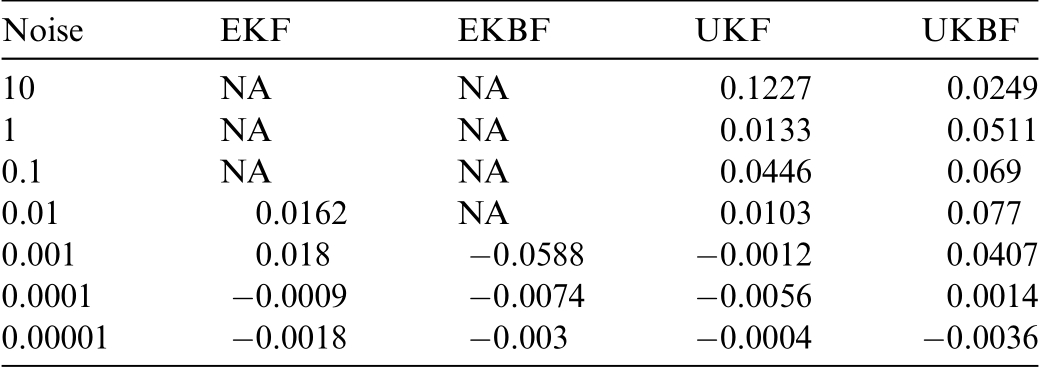
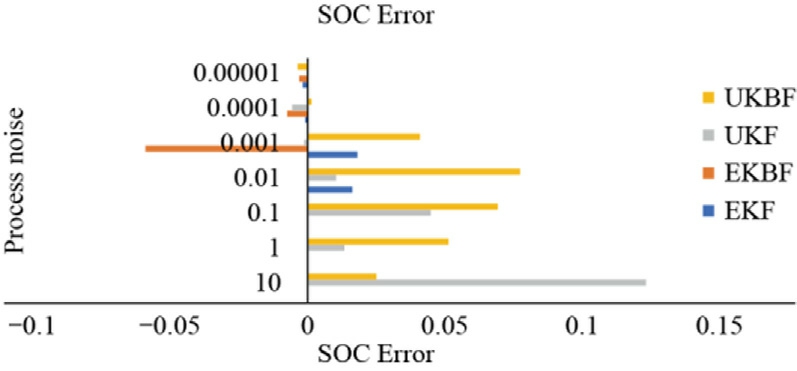
Fig. 18. Result Analysis of SOC Error in filters with Covariance of process no ise variation.
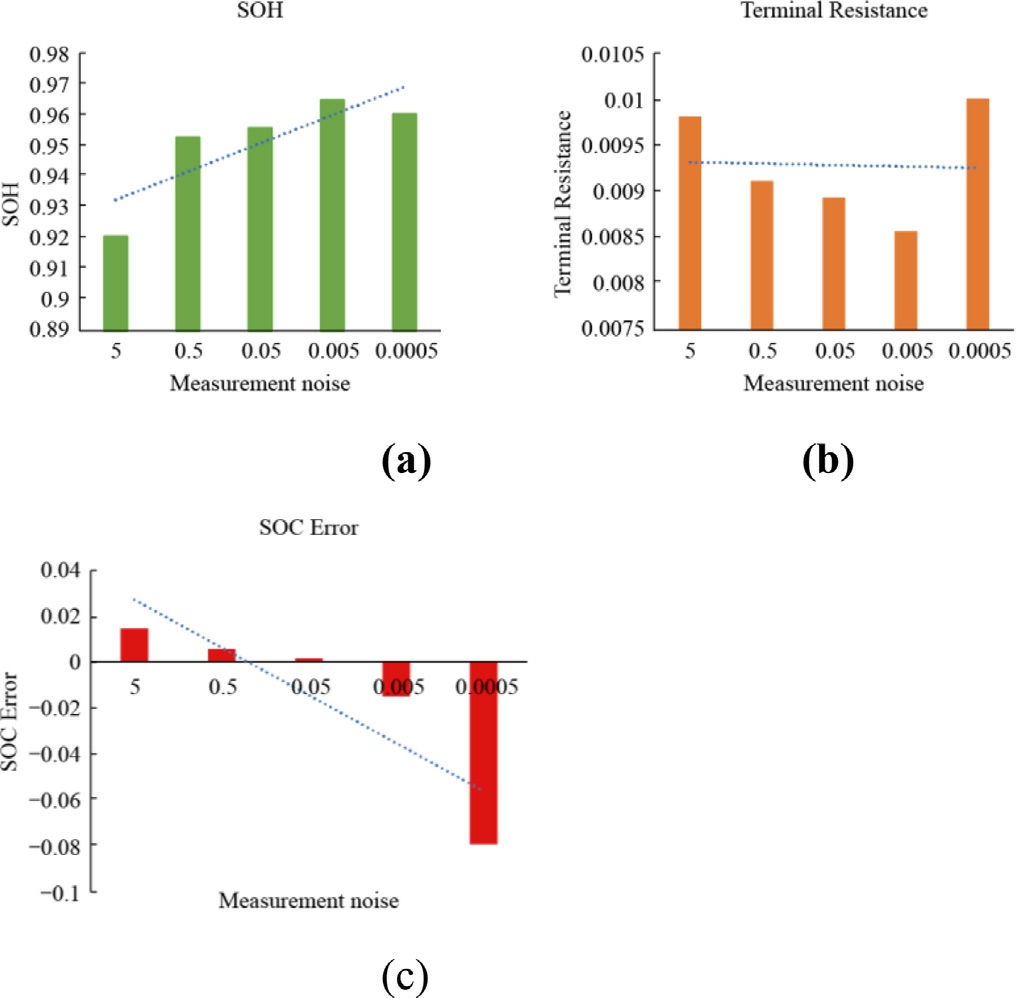
Fig. 19. Comparison results with measurement noise variation.
Table 10 SOH variation with measurement noise.
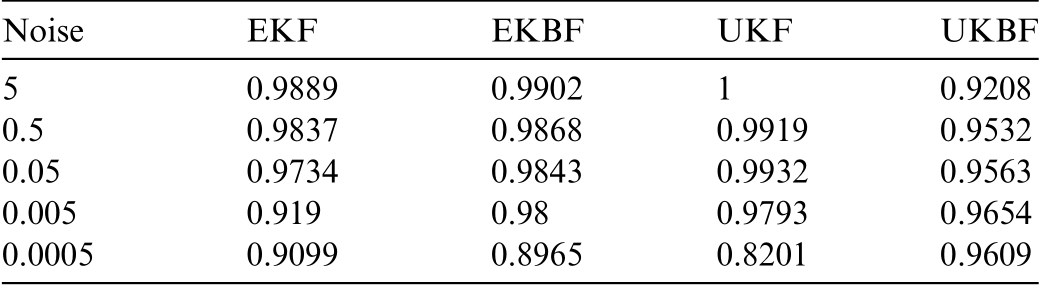
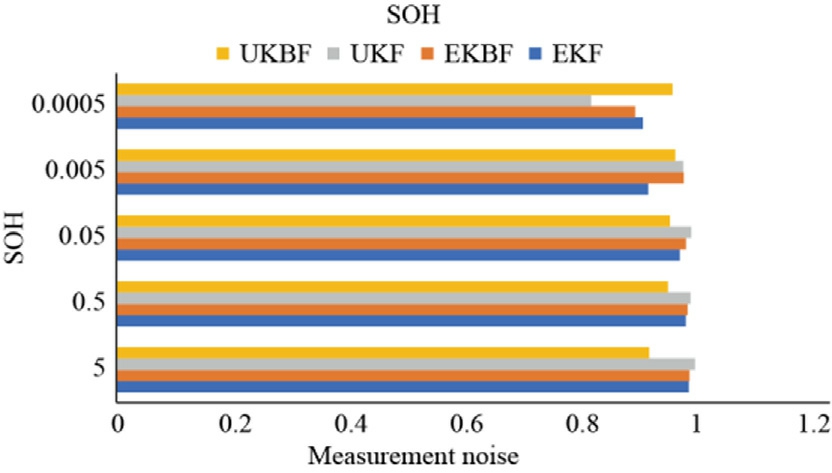
Fig. 20. Result Analysis of SOH in filters with Measurement noise variation.
ii) When the Measurement noise is increased in EKF,EKBF, UKF, UKBF, the UKF gives the better performance co mpare to all filters.
Resistance: The overall performance of Terminal Resistance variation with Measurement noise values in EKF,EKBF, UKF, UKBF are represented in Table 11.
Table 11 Terminal resistance variation with measurement noise.
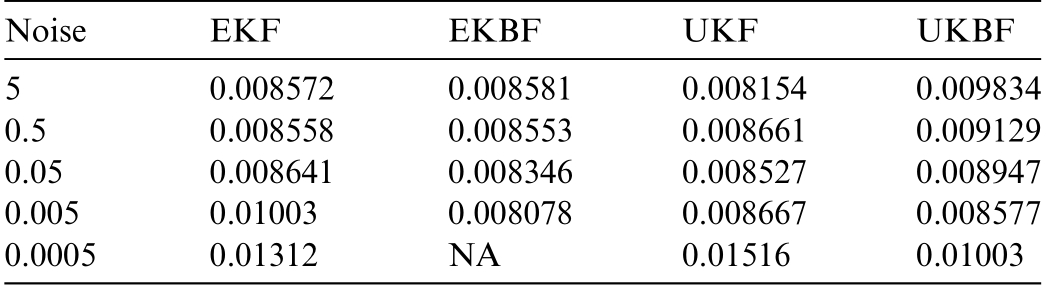
i) When the Measurement noise is reduced in EKF,EKBF, UKF, UKBF, the UKBF gives the better performance compare to all filters and EKBF is not suitable for decreased measur ement noise which is shown in Fig. 21.
ii)When the Measurement noise is increased in EKF,EKBF, UKF, UKBF, the UKF gives the better performance compare to all filters.
SOC Error: The overall performance of SOC Error variation with Measurement noise values in EKF, EKBF,UKF, UKBF are represented in Table 12.
i)When the Measurement noise is reduced in EKF,EKBF, UKF, UKBF, the UKBF has reduced error compare to all filters which is shown in Fig. 22.
ii) When the Measurement noise is increased in EKF,EKBF, UKF, UKBF, the EKF and EKBF gives the better performance.
Variation of parameters in terms of Dynam ics:
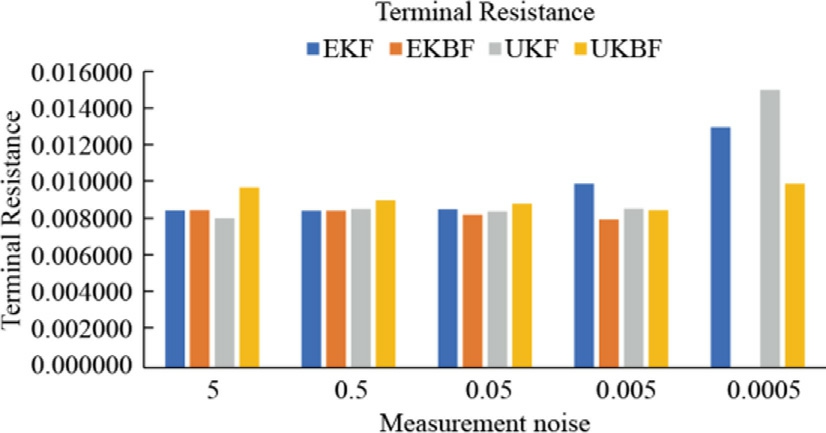
Fig. 21. Result Analysis of Terminal resistance in filters with Measurement noise variation.
Table 12 SOC Error variation with measurement noise.
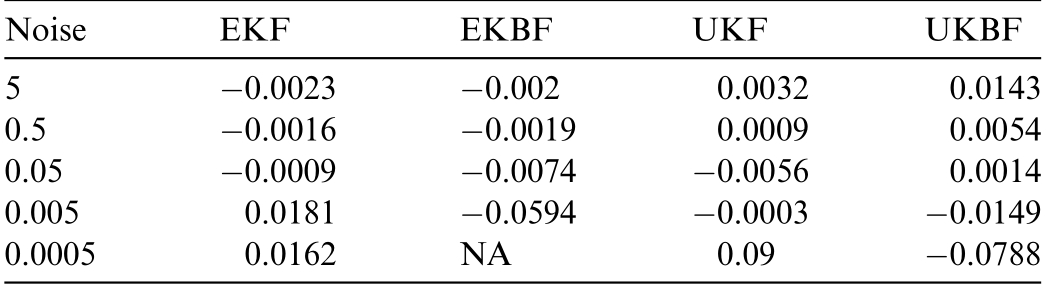
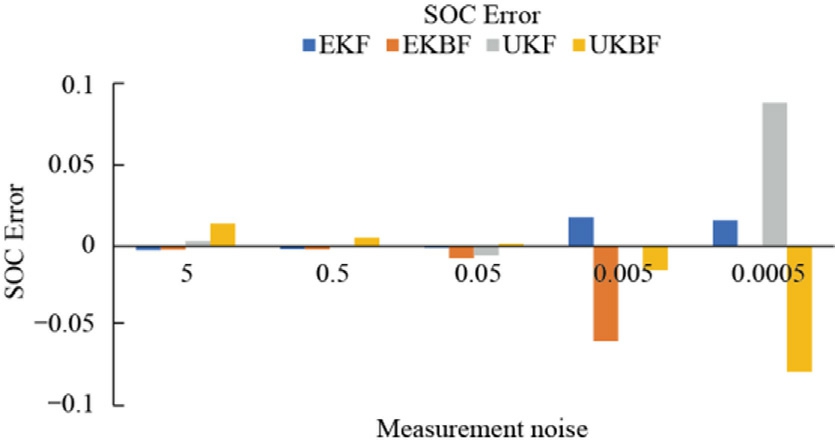
Fig. 22. Result Analysis of SOC Error in filters with Measurement noise variation.
Dynamics is the another key parameter for battery in terms of SOH, Terminal resistance, SOC. If the dynamics are varied from 1RC to 5RC for EKF, EKBF, UKF,UKBF there is the difference in battery performance.From the results it is observed that when dynamics changed from 1RC to 5RC there is a reduction in SOH and increase in terminal resistance and SOC. It is difficult for 4RC and 5RC to estimate SOC, SOH and terminal resistance. The Variation of parameters in terms of Dynamics values in EKF, EKBF, UKF, UKBF are represented in Table 13–16.
Among all the filters UKF gives better performance in terms SOH, EKF gives the better performance in terminal resistance and EKBF gives the better performance in terms of SOC error.
Table 13 Charge dynamics variation in extended Kalman Filter.

Table 14 Charge dynamics variation in extended Kalman Bucy Filter.

Table 15 Charge dynamics variation in unscented Kalman Filter.

Table 16 Charge dynamics variation in unscented Kalman Bucy Filter.

5 Conc lusion
This research investigated the impact of various battery parameter variations, including cell capacity, process noise, measurement noise, system dynamics, current direction, and self-discharge, on the accuracy of SOC,SOH, and TR estimation. Four filtering technique EKF,UKF, EKBF, and UKBF were employed to estimate these parameters. The simulation results revealed that parameter variations significantly influence the performance of all filters. While all filters exhibited sensitivity to these variations, UKF and UKBF demonstrated superior robustness to process and measurement noise uncertainties. How ever, EKF and EKBF may offer better performance in specific scenarios with accurate system dynamics.
To enhance the accuracy and reliability of battery management systems, future research should focus on developing adaptive filtering techniques that can dynamically adjust to changing battery conditions. Additionally,advanced parameter identification methods can improve the initial estimates and reduce the impact of parameter variations. By addressing these challenges, we can improve the overall performance and lifespan of battery-powered systems.
This research analyzed the performance of four Kalman filter-based approaches (EKF, EKBF, UKF, UKBF) for estimating SOC, SOH, and terminal resistance of Li-ion batteries under varying system parameters. Our findings show that while all filters are sensitive to noise, capacity,and dynamics, the UKF consistently offers superior estimation accuracy and robustness, particular ly in noisy environments. EKF performs favourably under known system dynamics but is less robust to parameter uncertainty. These insights can guide the selection of optimal filtering techniques in practical BMS implementations.
Future wor k:
While this study evaluated the performance of several Kalman filter variants under battery parameter variation,future extensions could explore more advanced nonlinear filtering methods such as Particle Filters (PF). Unlike Kalman-based filters, PFs do not require linearization or Gaussian noise assumptions, making them suitable for systems with strong nonlinearity, model uncertainty, a nd non-Gaussian noise distributions. Future studies will compare PF-based methods to EKF and UKF in terms of estimation accuracy, computational load, and real-time feasibility for BMS applications under aging and highdynamic load conditions.
Future work will focus on integrating real-time adaptive filtering, exploring particle filter methods, and validating the simulation results with experimental hardware-inthe-loop testing. Such advancements are essential to further improving prediction reliability and operational safety in modern battery-powered systems.
CRediT authorship contribution statement
Ranagani Madhavi: Writing – original draft, Software,Methodology, Formal analysis, Data curation, Conceptualization. Indragandhi Vairavasundaram: Writing – review& editing, Supervision, Project administration, Investigation, Funding acquisition, Conceptualization.Declaration of competing interest
The authors declare that they have no known competing financial interests or personal relationships that could have appeared to influence the work reported in this paper.
Acknowledgement
The corresponding author, Indragandhi V, acknowledges the funding support for carrying out this research activity. This research work is supported by the Royal Academy of Engineering, UK, in the scheme of Distinguished International Associate (DIA-2424-5-134).
Data availabil ity
The datasets used and/or analysed during the current study available from the corresponding author on reasonable request.
References
[1]L. Lanz, B. Noll, T.S. Schmidt, B. Steffen, Comparing the levelized cost of electric vehicle charging options in Europe, Nat. Commun.13 (1) (2022) 5277.
[2]H. Xu, Facilitating full and effective implementation of the Paris Agreement for carbon neutrality vision, Carbon Neutr. 1 (1) (2022)3.
[3]Z.A. Needell, J. McNerney, M.T. Chang, J.E. Trancik, Potential for widespread electrification of personal vehicle travel in the United States, Nat. Energy 1 (9) (2016) 1–7.
[4]J. Wang, L. Feng, P.I. Palmer, Y. Liu, S. Fang, H. Bo¨sch, C. Xia,Large Chinese land carbon sink estimated from atmospheric carbon dioxide data, Nature 586 (7831) (2020) 720–723.
[5]X. Chen, H. Lei, R. Xiong, W. Shen, R. Yang, A novel approach to reconstruct open circuit voltage for state of charge estimation of lithium-ion batteries in electric vehicles, Appl. Energy 255 (2019)113758.
[6]W. Hao, D. Kong, J. Xie, Y. Chen, J. Ding, F. Wang, T.Xu,Selfpolymerized dopamine nanoparticles modified separators for improving electrochemical performance and enhancing mechanical strength of lithium-ion batteries, Polymers 12 (3)(2020) 648.
[7]R.K. Jain, J. Qin, R. Rajagopal, name="ref8" style="font-size: 1em; text-align: justify; text-indent: 2em; line-height: 1.8em; margin: 0.5em 0em;">[8]J. Guo, P. Zhang, D. Wu, Z. Liu, H. Ge, S. Zhang, X. Yang, A new collaborative optimization method for a distributed energy system combining hybrid energy storage, Sustain. Cities Soc. 75 (2021)103330.
[9]W.Q. Hao, J.M. Xie, X.Q. Bo, F.H. Wang, Resistance exterior force property of lithium-ion pouch batteries with different positive materials, Int. J. Energy Res. 43 (9) (2019) 4976–4986.
[10]H. Shi, L. Wang, S. Wang, C. Fernandez, X. Xiong, B.E. Dablu,W. Xu, A novel lumped thermal characteristic modeling strategy for the online adaptive temperature and parameter co-estimation of vehicle lithium-ion batteries, J. Storage Mater. 50 (2022) 104309.
[11]W. Hao, J. Xie, F. Wang, The indentation analysis triggering internal short circuit of lithium-ion pouch battery based on shape function theory, Int. J. Energy Res. 42 (11) (2018) 3696–3703.
[12]P. Iurilli, C. Brivio, M. Merlo, SoC management strategies in battery energy storage system providing primary control reserve,Sustain. Energy Grids Networks 19 (2019) 100230.
[13]L. Dang, Y. Huang, Y. Zhang, B. Chen, Multi-kernel correntropy based extended Kalman filtering for state-of-charge estimation,ISA Trans. 129 (2022) 271–283.
[14]F. Yang, D. Shi, K.H. Lam, Modified extended Kalman filtering algorithm for precise voltage and state-of-charge estimations of rechargeable batteries, J. Storage Mater. 56 (2022) 105831.
[15]G.L. Plett, Extended Kalman filtering for battery management systems of LiPB-based HEV battery packs: Part 1, Background. J.Power Sourc. 134 (2) (2004) 252–261.
[16]H. He, R. Xiong, H. Guo, S. Li, Comparison study on the battery models used for HEV state of charge estimation, Energ. Conver.Manage. 64 (2012) 113–121.
[17]W. Waag, S. Ka¨bitz, D.U. Sauer, Critical review of the methods for monitoring of lithium-ion batteries in electric and hybrid vehicles,J. Power Sourc. 258 (2013) 321–339.
[18]X. Hu, S. Li, H. Peng, A comparative study of equivalent circuit models for Li-ion batteries, J. Power Sourc. 198 (2012) 359–367.
[19]D.Y. Reddy, B. Routh, A. Patra, S. Mukhopadhyay, Gaussian process regression-based state of health estimation of lithium-ion batteries using indirect battery health indicators, in: 2021 IEEE International Conference on Prognostics and Health Managemen t(ICPHM), IEEE, 2021, pp. 1–7.
[20]C. Qian, B. Xu, Q. Xia, Y. Ren, B. Sun, Z. Wang, SOH prediction for Lithium-Ion batteries by using historical state and future load information with an AM-seq2seq model, Appl. Energy 336 (2023)120793.
[21]M. Ahwiadi, W. Wang, An enhanced mutated particle filter technique for system state estimation and battery life prediction,IEEE Trans. Instrum. Meas. 68 (3) (2018) 923–935.
[22]S.K. Rahimian, Y. Tang, A practical name="ref23" style="font-size: 1em; text-align: justify; text-indent: 2em; line-height: 1.8em; margin: 0.5em 0em;">[23]B. Dunn, H. Kamath, J.M. Tarascon, Electrical energy storage for the grid: a battery of choices, Science 334 (6058) (2011) 928–935.
[24]S. Vazquez, S.M. Lukic, E. Galvan, L.G. Franquelo, J.M.Carrasco, Energy storage systems for transport and grid applications, IEEE Trans. Ind. Electron. 57 (12)(2010)3881–3895.
[25]G. Huff, A.B. Currier, B.C. Kaun, D.M. Rastler, S.B. Chen, D.T.Bradshaw, W.D. Gauntlett, DOE/EPRI 2013 electricity storage handbook in collaboration with NRECA, Rep. Sand 340 (2013).
[26]J.B. Goodenough, K.S. Park, The Li-ion rechargeable battery: a perspective, J. Am. Chem. Soc. 135 (4) (2013) 1167–1176.
[27]V. Viswanathan, M. Kintner-Meyer, P. Balducci, C. Jin, National assessment of energy storage for grid balancing and arbitrage phase II volume 2: cost and performance, in: PNNL-21388 PHASE II,vol. 2, Pacific Northwest National Laboratory, 2013.
[28]M. Swierczynski, D.I. Stroe, A.I. Stan, R. Teodorescu, Lifetime and economic analyses of lithium-ion batteries for balancing wind power forecast error, Int. J. Energy Res. 39 (6) (2015) 760–770.
[29]J.W. Lee, S.W. Kim, Y.H. Song, S. Kim, Y.T. Yoon, Economic benefit of energy storage system for frequency regulation, in: 2016 IEEE Power and Energy Conference at Illinois (PECI), IEEE,2016, pp. 1–5.
[30]J. Fleer, S. Zurmu¨hlen, J. Badeda, P. Stenzel, J.F. Hake, D.U.Sauer, Model-based economic assessment of stationary battery systems providing primary control reserve, Energy Procedia 99(2016) 11–24.
[31]A. Hentunen, T. Lehmuspelto, J. Suomela, Time-domain parameter extraction method for the´ venin-equivalent circuit battery models, IEEE Trans. Energy Convers. 29 (3) (2014) 558–566.
[32]M. Chen, G.A. Rincon-Mora, Accurate electrical battery model capable of predicting runtime and IV performance, IEEE Trans.Energy Convers. 21 (2) (2006) 504–511.
[33]D. Andre, C. Appel, T. Soczka-Guth, D.U. Sauer, Advanced mathematical methods of SOC and SOH estimation for lithium-ion batteries, J. Power Sources 224 (2013) 20–27.
[34]K. Lim, H.A. Bastawrous, V.H. Duong, K.W. See, P. Zhang,S.X.Dou, Fading Kalman filter-based real-time state of charge estimation in LiFePO4 battery-powered electric vehicles, Appl.Energy 169 (2016) 40–48.
[35]C. Campestrini, T. Heil, S. Kosch, A. Jossen, A comparative study and review of different Kalman filters by applying an enhanced validation method, J. Storage Mater. 8 (2016) 142–159.
[36]C. Zhang, X. Wei, Y. Li, W. Zhang, A review on state of health estimation for lithium-ion batteries, J. Power Sources (2018),https://doi.org/10.1016/j.jpowsour.2017.12.064.
[37]X. Hu, G. Jain, et al., Advanced algorithms for lithium-ion battery state of charge and state of health estimation: a review, Energy(2021), https://doi.org/10.1016/j.energy.2020.119994.
[38]G.L. Plett, Battery Management Systems, Volume I & II:Modeling, Estimation, and Control. Artech House, 2015.
[39]Y. He, X. Liu, C. Zhang, Z. Chen, A new model for State-of-Charge (SOC) estimation for high-power Li-ion batteries, Appl.Energy 101 (2013) 808–814.
Received 10 March 2025;revised 3 July 2025; accepted 4 August 2025
Peer review under the responsibility of Global Energy Interconnection Group Co. Ltd.
* Corresponding author.
E-mail addresses: ranagani.madhavi@gmail.com (R. Madhavi),indragandhi.v@vit.ac.in (I. Vairavasu ndaram).
https://doi.org/10.1016/j.gloei.2025.08.004
2096-5117/© 2025 Global Energy Interconnection Group Co. Ltd. Publishing services by Elsevier B.V. on behalf of KeAi Communications Co. Ltd.
This is an open access article under the CC BY-NC-ND license(http://creativecommons.org/licenses/by-nc-nd/4.0/).

Ranagani Madhavi received the B.E. degree in electrical and electronics engineering from JNTUA, in 2012 and the M.E. degree in power electronics from the G. Pullareddy Engineering College, Kurnool, in 2014. She is currently a Research Scholar with the School of Electrical Engineering, VIT University, Vellore, Tamil Nadu. Her research interests include power converters, artificial intelligence, and electric vehicle.