
0 Introduction
With the global climate crisis intensifying, accelerating the energy transition and establishing a sustainable energy system have become an international consensus and an urgent imperative. Confronted with the dual pressures of energy shortages and environmental degradation, nations worldwide are driving deep transformations of their energy mix toward greater efficiency, cleanliness, and diversification, aiming to raise the share of non fossil sources in overall consumption. Although renew able technologies, particularly wind and solar, have made remarkable strides, with total installed capacity reaching 3870 GW by 2023 [1], the International Energy Agency(IEA) reports that fossil fuels still supplied over 60 % of global electricity generation in 2023[2]. These figures highlight the critical need to enable large scale grid integration of renewables and to mitigate their inherent varia bility,thereby reducing carbon emissions in the energy sector and advancing toward global carbon neutral targets.
In power systems with high renewable penetration, the stochastic and intermittent nature of wind and solar generation poses severe challenges to grid stability, power quality, and supply–demand balance, and can even drive up both capital and operating costs. Integrating energy storage with renewable generation is therefore regarded as a key solution. A prominent real-world example of this principle is the Sinopec Kuqa Green Hydrogen Pilot Project in China, which utilizes a 260 MW array of alkaline electrolyzer powered by a dedicated solar farm to produce 20,000 tonnes of green hydrogen annually, effectively converting surplus photovoltaic power into a storable energy carrier[3]. For applications requiring rapid, short duration response, technologies such as batteries and supercapacitors have seen widespread deployment; for long duration,large scale storage needs, pumped hydro and hydrogen storage systems exhibit tremendous potential. Compared with geographical constraints of pumped hydro, hydrogen storage offers site flexibility, high energy density, and the capability for seasonal storage, marking it as a highly promising candidate for large scale energy buffering [4–6].
Water electrolysis for hydrogen production, which splits water into hydrogen and oxygen using electrical energy, serves as a crucial link between renewable power and hydrogen utilization [7–9]. During periods of excess renewable generation, electrolyzers can produce green hydrogen, thereby absorbing variable power locally to reduce curtailment and converting electrical energy into chemical energy for storage and transport. The generated hydrogen is applicable in fuel-cell power generation, industrial feedstocks, transportation fuels, and other sectors,enabling flexible energy dispatch and cross-sector integ ration. Notably, electrolyzers, as controllable loads, can dynamically respond to grid commands or fluctuations in renewable output, providing demand-side management,peak shaving, and frequency regulation services to enhance grid flexibility and resilience[10]. Water electrolysis technologies are categorized into alkaline water electrolysis (AWE), proton exchange membrane electrolysis(PEM), solid oxide electrolysis (SOEC), and anion exchange membrane electrolysis (AEM). In parallel,hybrid seawater elect rolysis (SWE) has recently been reported to mitigate chlorine evolution and reduce energy consumption via alternative anodic reactions and tailored cells [11,12]. Compared to AWE that is the focus in this review, PEM electrolysis offers faster dynamic response and higher operational flexibility, albeit at higher cost and with greater sensitivity to water/gas management,while SOEC operates at high efficiency but exhibits slower thermal dynamics due to high-temperature operation.Among these technol ogies, alkaline water electrolysis is the leading technology currently able to support megawatt-scale and larger commercial applications for producing bulk green hydrogen,owing to its maturity,relatively low equipment cost, and long operational lifetime.However, this leadership is challenged by AWE’s inherent limitations, such as slower start-up times and reduced effi-ciency under fluctuating loads, when compared to PEM systems. It is precisely this trade-off between the economic viability for large-sca le production and the technical diffi-culty in handling variable renewable energy that creates a critical and urgent need for the advanced control strategies.
When coupling alkaline electrolyzers directly with highly fluctuating renewable energy sources, the syst em encounters a series of severe technical challenges[13]. Frequent and large-scale power variations force the electrolyzer to undergo repeated start-stop cycles and rapid load changes. Studies have shown that such non steady state operation not only reduces hydrogen production and degrades energy efficiency but also accelerates aging and deterioration of key components (e.g., electrodes,membranes), significantly shortening equipment lifespan and increasing operation and maintenance costs [14].Moreover, rapid power drops can exacerbate hydrogen–oxygen gas mixing within the cell, presenting safety hazards. Therefore, designing advanced and effective control strategies that enable alkaline electrolyzers to operate safely, efficiently, and stably under fluctuating renewable inputs, thereby maximizing their value in energy systems,has become a critical scientific and engineering challenge in this field.
In recent years, extensive research in both academia and industry has been devoted to the control and optimization of alkaline water electrolysis systems for hy drogen production. Existing studies have comprehensively explored mathematical modeling methods for alkaline electrolyzers[15], parameter identification techniques [16], analyses of factors influencing performance [17], and dynamic behavior simulations [18]. Meanwhile, as the energy conversion interface between renewable generation units or the grid and the electrolyzer, the hydrogen production power supply, typically composed of AC/DC rectifiers and DC/DC converters [19], has been the focus of invest igations into topology optimization[20], transistor material innovations[21], power quality enhancement [22], and fast dynamic response control strategies [23]. These efforts have significantly advanced understanding of individual electrolyzer charact eristics and power converter performance.
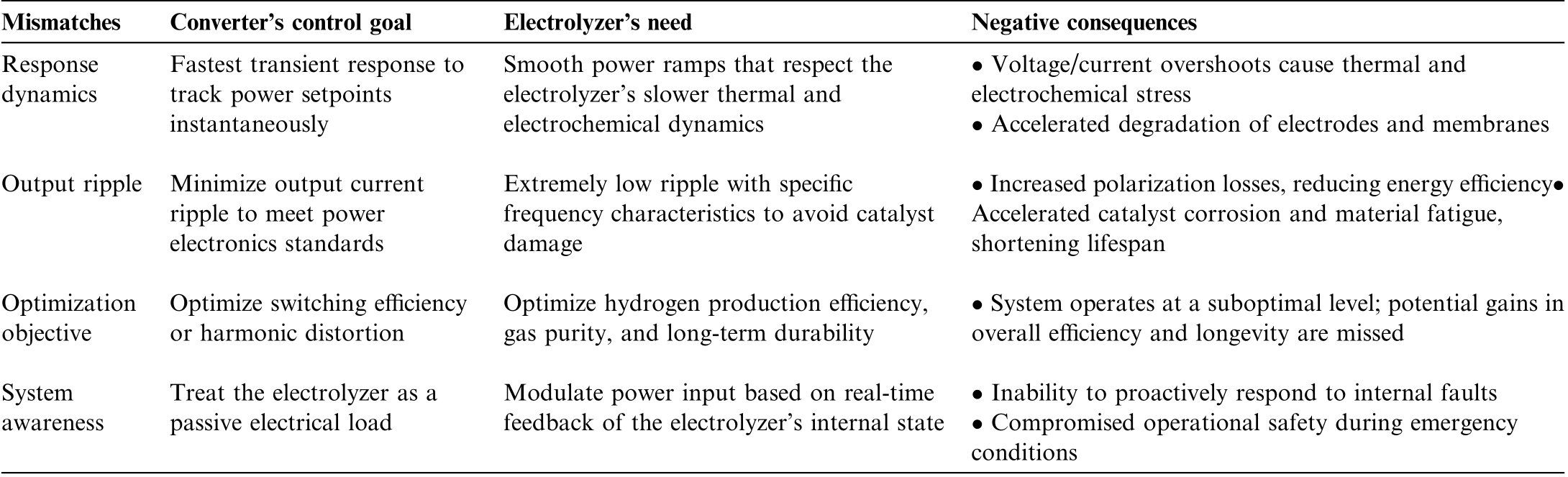
Despite these advances, a thorough review of the literature reveals a significant limitation: control designs for the hydrogen production power supply are often considered independently from the operational characteristics and demands of the electrolyzer. On one hand, studies targeting the electrolyzer concentrate on internal electrochemical processes, thermodynamic behavior, and material-level optimizations, generally assuming an idealized or simplified power input; on the other hand, research on the power supply prioritizes power electronic converter metrics, such as conversion efficiency,harmonic distortion,and response speed, while seldom examining how output characteristics,e.g., voltage/current ripple magnitude and frequency,overshoot, settling time, affect the electrolyzer’s complex multiphysical interactions (including reaction kinetics,mass and heat transfer, and bubble dynamics) or addressing the specific power supply requirements under various operating conditions (start up, steady state, load variation,fault). This decoupled paradigm, failing to treat the power converter and electrolyzer system as a strongly coupled,nonlinear whole in co designing control strategies, gives rise to several potential issues: for example, overly aggressive converter responses may mismatch the electrolyzer’s slower thermal dynamics, causing ove rshoot or oscillations; excessive current ripple may accelerate catalyst degradation;and sophisticated controls optimized for converter side metrics may not yield commensurate improvements in electrolyzer efficiency or longevity.Consequently, this disintegration limits the potential for global optimization of the entire power to hydrogen conversion system and hinders full exploitation of its dynamic performance. To further illustrate these issues, Table 1 summarizes the key mismatches that arise from decoupled control design, whi ch reinforces the need for integrated control strategies.
To systematically address the aforementioned research gap and bridge the disconnect between power supply control and the electrolysis process, this paper adopts an integrated control perspective to comprehensively review control strategies for alkaline water electrolysis systems and outline future research directions.The discussion begins with a detailed explanation of the working principles and key performance determinants of alkaline electrolyzers, identifying the main controllable variables during hydrogen produ ction, such as voltage, current, pressure, temperature, and flow rate,and analyzing their specific functional roles within the electrochemical process. On this basis, the paper reviews a broad spectrum of control strategies currently applied to electrolyzer regulation, including PID control in classical control theory, optimal control, adaptive control and sliding mode control (SMC) from modern control theory, and advanced strategies such as model predictive control (MPC), fuzzy logic (FL), machine learning (ML),and reinforcement learning (RL). For each method, its capabilities in managing dynamic response, multivariable coupling, operational constraints, and performance optimization are critically analyzed, along with representative application cases from the literature. The focus then shifts to the performance requirements of hydrogen-production rectifiers, discussing their core control objectives under different application scenarios,such as improving hydrogen production efficiency, reducing output current ripple, enhancing dynamic response speed, and enabling adaptive thermal regulation. Relevant control techniques and strategies for the power supply are reviewed accordingly.
Eventually, this paper proposes three prospective research directions to inspire future developments. First,it identifies the critical issue of decoupled control design between hydrogen production power supplies and electrolyzer operational needs, and analyzes how this separation may negatively impact system performance,efficiency, and durability. Second, it defines a framework of coordinated control objectives for integrated power converter and electrolyzer systems under steady-state,variable-load, and emergency operating conditions,emphasizing the importance of designing power supply output characteristics and control logic to match electrolyzer-specific requirements. Third, it explores the potential of using advanced optimization techniques such as optimal predictive control to realize the integrated control framework, highlighting how predictive capability, constraint handling, and multivariable optimization can enhance the adaptability and synergy of power supplies and electrolyzers under complex dynamic conditions.
Table 1 Key mismatches between converter and electrolyzer under decoupled control.
1 Alkaline water e lectrolysis system
Fig. 1 illustrates the schematic structure of a renewablepowered water electrolysis hydrogen production system,depicting the conversion of electrical energy from renewable sources into hydrogen, followed by its storage and various end-use applications. Serving as a bridge between renewable electricity generation and hydrogen storage and utilization, the electrolysis system consists primarily of two components: the hydrogen production power supply and the alkaline electrolyzer. The hydrogen production power supply is responsible for delivering the electrical energy required for the electrolysis process. It typically comprises an AC/DC rectifier and a DC/DC converter to ensure that the electrolyzer operates under appropriate current and voltage conditions. Acting as the core device for energy conversion,the alkaline electrolyzer splits water molecules into hydrogen and oxygen through electrochemical reactions. The produced hydrogen is then collected and stored in dedicated hydrogen tanks, establishing a foundation for subsequent hydrogen applications within the system.
1.1 Alkaline electrolyzer
1.1.1 Electrolyzer characteristics
Alkaline water electrolysis is one of the most commercially mature hydrogen production technologies, widely adopted in large-scale indu strial applications due to its relatively low equipment cost and long operational lifespan[17]. The layout of an alkaline electro lyzer is shown in Fig. 2. It primarily consists of three key components: electrodes,electrolyte,and a diaphragm[24,25]. The electrodes are typically made from corrosion-resistant materials(nickel coated perforated stainless steel) with good catalytic activity to facilitate the half-cell reactions. The electrolyte is usually an alkaline solution (potassium hydroxide (KOH) 5–7 mol/L), whose concentration significantly affects the electrolyzer’s performance. While higher concen trations improve ionic conductivity, excessively high concentrations can increase viscosity and hinder mass transfer [26].
The core electrochemical process is driven by an externally applied electric field, where water molecules are reduced at the cathode to generate hydrogen, and hydroxide ions are oxidized at the anode to produce oxygen.The specific electrode reactions and the overall cell reaction are as follows [28]:

This reaction pathway gives the alkaline electrolyzer distinct multiphysics coupling characteristics involving electrochemical, thermal, and fluid dynamic fields. Under steady-state conditions, its voltage-current characteristic curve exhibits strong nonlinearity, and system efficiency is highly dependent on key state variables such as current density, temperature, and pressure. In particular, the hydrogen producti on rate is approximately linearly proportional to current density, however, high current densities may also induce adverse effects such as bubble coverage, ion transport inhibition, and accelerated material degradation.
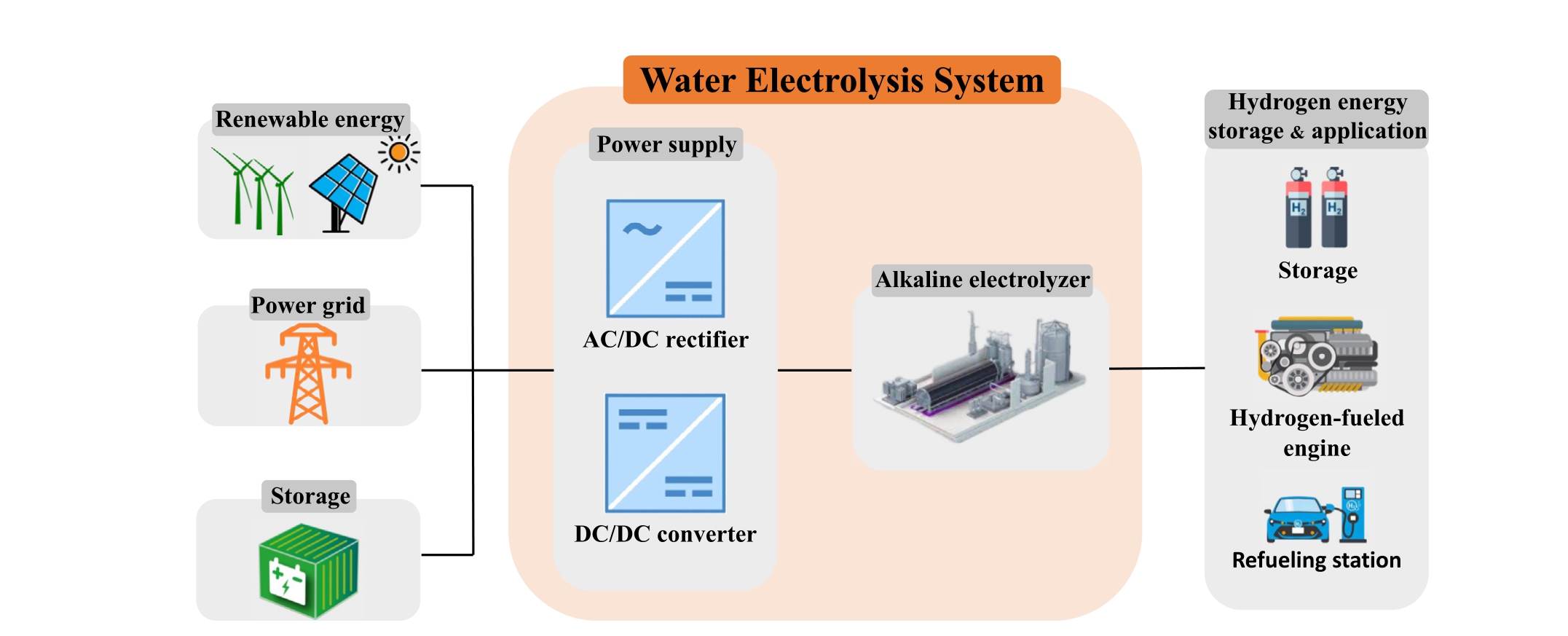
Fig. 1. Schematic diagram of the renewable energy hydrogen production system.
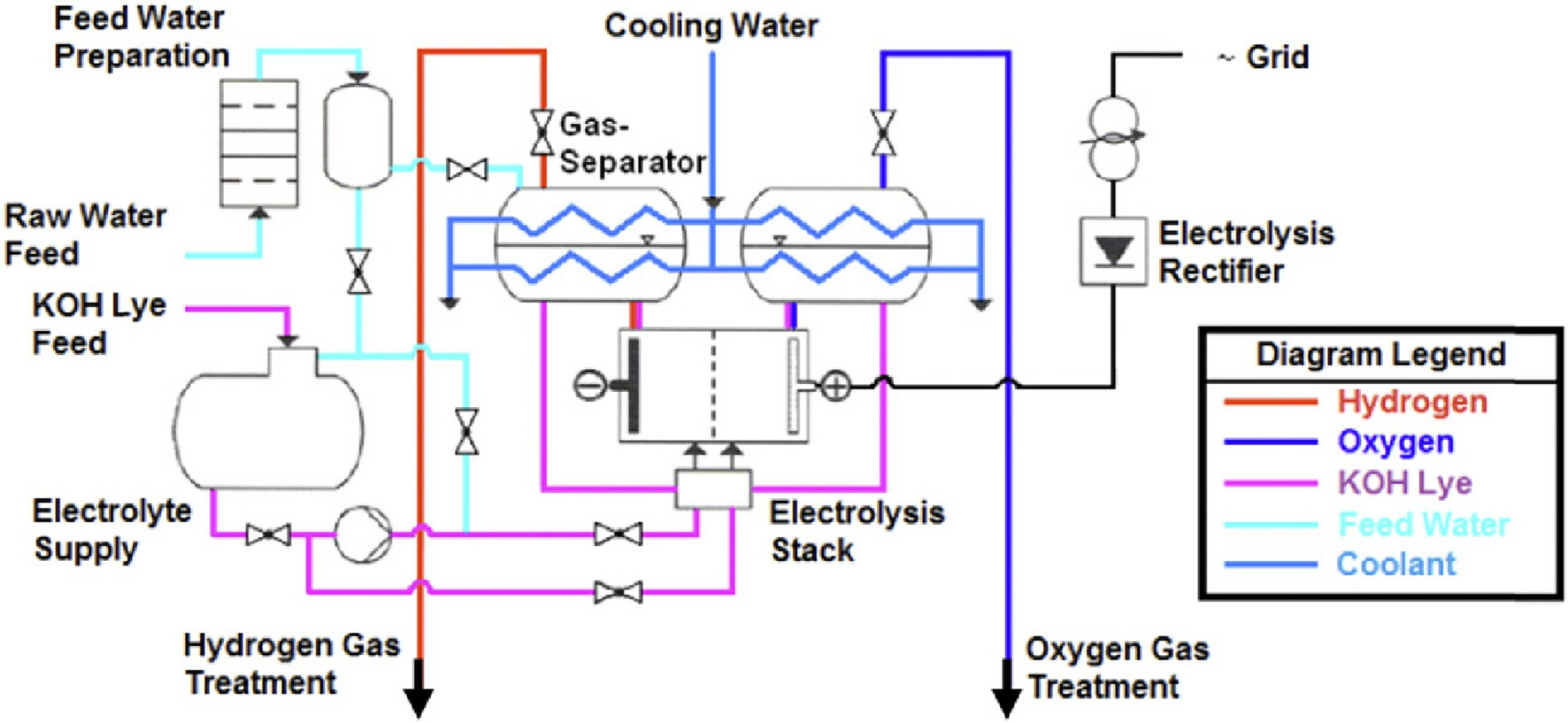
Fig. 2. Flow diagram of an alkaline electrolysis system [27].
In practical operation, the single-cell voltage of an alkaline electrolyzer (Ucell) is significantly higher than the theoretical decomposition voltage of water, which is approximately 1.23 V under standard conditions. This discrepancy arises from the need to overcome multiple energy barriers during electrolysis, including various overpotentials (η) and ohmic losses (IRohm) caused by the internal resistance of components such as the electrolyte, electrodes, and diaphragm. These overpotentials include the anodic activation overpotential (ηact,a) and cathodic activation overpotential (ηact,c), both closely related to the catalytic activity of electrode materials and electrochemical reaction kinetics, as well as the concentration overpotential (ηconc), which results from mass transport limitations at the electrode surfaces. Consequently, the actual cell voltage can be approximately expressed as:

where Erev is the reversible cell voltage under current temperature and pressure conditions. These overpotentials and ohmic losses play a decisive role in determining the energy conversion efficiency of the electrolyzer and are thus central parameters in performance evaluation and optimization.
The material selection and structural design of key electrolyzer components are critical to both overall performance and long-term durability. As the core sites for electrochemical reactions, the electrodes must exhibit excellent catalytic activity and stability. Conventional alkaline electrolyzers commonly use nickel-based materials, such as pure nickel mesh or porous sintered nickel plates, due to their good corrosion resistance in strong alkaline environments and relatively low cost. To further enhance electrocatalytic efficiency and reduce the activation overpotentials, especially for the oxygen evolution reaction, which typically presents a higher barrier,researchers have explored electrode surface modifications and the development of novel catalytic materials. Common approaches include the application of high surface-area Raney nickel coatings or the integration of transition metal oxides, e.g., NiCo2O4, NiFe2O4,and sulfides with superior oxygen evolution reaction and hydrogen evolution reaction catalytic activity. Ideal electrode materials must offer high intrinsic catalytic performance and electrical conductivity while maintaining excellent chemical and mechanical stability under harsh operating conditions such as high temperature, strong alkalinity, and dynamic current fluctuations. Additionally, material availability and cost-effectiveness must be considered to ensure feasibility for large-scale deployment.
The diaphragm in an alkaline electrolyzer performs two critical functions. First, it acts as a physical barrier to effectively separate the hydrogen and oxygen gases generated at the cathode and anode, respectively, thereby preventing gas mixing that could approach explosive limits and pose serious safety risks. Second, it serves as an ionconducting pathway that allows efficient transport of hydroxide ions (OH– ) between the electrodes, completing the electrical circuit. Traditionally, asbestos diaphragms were widely used, but due to their associated health risks,they have been gradually replaced by advanced materials.Modern alkaline electrolyzers typically employ porous polymer composite membranes, such as Zirfon diaphragms reinforced with alkali-resistant polymers like polyphenylene sulfide, or specially modified polymer membranes. Key performance metrics for diaphragms include low ionic resistance, high gas impermeability, good wettability in electrolyte solutions, strong chemical and thermal stability under high-temperature and highly alkaline conditions, and sufficient mechanical strength to withstand operational pressure differentials and assembly stress.Microstructural parameters such as diaphragm thickness,pore size and distribution, and porosity significantly influence both the level of ohmic loss and the purity of output gases, making them essential factors in balancing system efficiency and safety.
Furthermore, the electrolyte, serving as the ion transport medium, has a direct impact on the internal resistance and operational stability of the electrolyzer. In industrial practice, concentrated aqueous solutions of potassium hydroxide (KOH, typically 25–35 wt%) or sodium hydroxide (NaOH) are commonly used. The primary reason for using high-concentration alkaline solutions is to achieve higher ionic conductivity, which helps reduce the electrolyte’s intrinsic ohmic resistance and improves electrolysis efficiency. However, a higher concentration does not always equate to better performance. Excessively concentrated electrolytes may significantly increase solution viscosity, impeding effective ion transport and potentially hindering surface wettability and timely detachment of gas bubbles from electrode surfaces. Additionally, electrolyte purity is crucial to avoid catalyst poisoning, minimize unwanted side reactions, and reduce corrosion of system components.Long-term operation also necessitates attention to electrolyte maintenance and regeneration.
Overall, alkaline electrolyzers maintain a dominant position in current large-scale, centralized hydrogen production projects due to their mature technological foundation, relatively low manufacturing cost, and less stringent feedwater requirements compared to PEM electrolyzers,offering advantages such as reduced investment in water purification systems. Nevertheless, the technology also faces several inherent limitations. These include relatively low current densities, which constrain hydrogen production rates and limit system compactness, slow dynamic response due to large thermal inertia and complex mass transport processes, and increased risk of gas crossover during low-load operation or start-up and shutdown phases. These challenges pose significant barriers to the direct coupling of alkaline electrolyzers with highly variable renewable energy sources such as PVs and wind power.
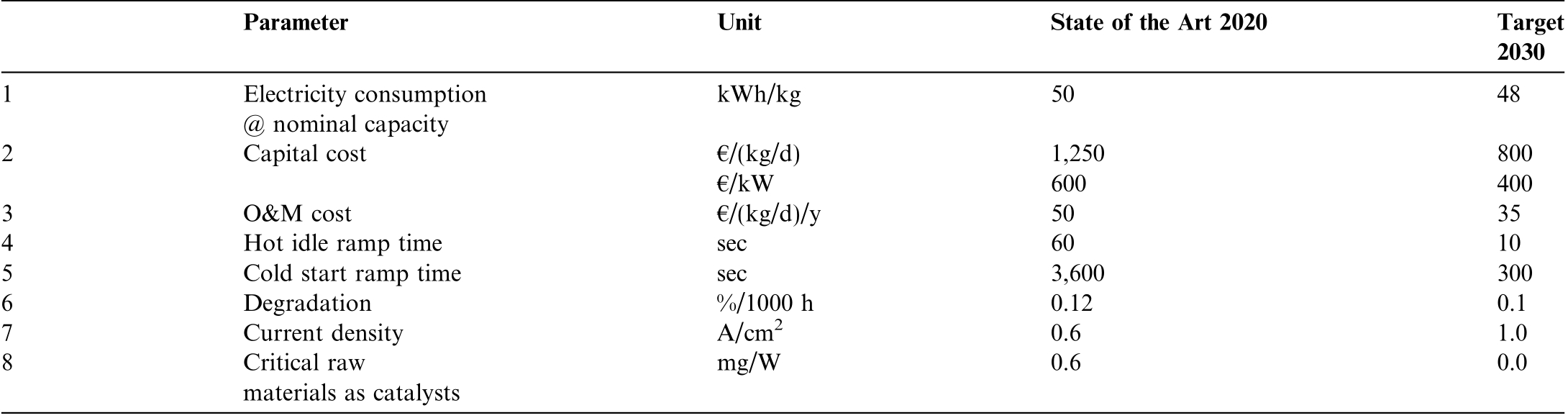
The technology developments targeted until 2030 can be determined by analysing the exp ected Key Performance Indicators(KPIs),such as the ones in Table 2 published by Clean Hydrogen Partnership[29]. This table highlights the required technological advancements and underscores the critical role of advanced control strategies. Specifically,dynamic control, e.g., MPC and adaptive control, is essential to reduce hot idle and cold start ramp times (KPI 4–5),while ripple suppression and voltage regulation contribute significantly to lowering degradation rates (KPI 6). Similarly, optimization-based and fuzzy logic methods can improve electricity consumption (KPI 1). However,trade-offs must be carefully considered. For instance,aggressive ramp-time reduction may accelerate component degradation, whereas stringent ripple suppression may compromise system efficiency. Therefore, selecting control strategies requires balancing short-term performance with long-term durability and energy efficiency.
1.1.2 Control challenges and controllable variables
Directly coupling alkaline electrolyzers with highly fluctuating renewable energy sources such as wind and solar power is currently considered one of the most promising pathways for achieving large-scale, low-cost green hydrogen production. However, this coupling aiming at maximizing renewable energy utilization also presents unprecedented challenges to the stability, efficiency, and long-term operational safety of the electrolyzer system from a control perspective. The root of these challenges lies in the dynamic mis match between the intrinsic characteristics of the electrolyzer (e.g., electrochemical kinetics,thermodynamics, and mass transport limitations), and the intermittent, stochastic, and rapidly changing nature of renewable power inputs. In particular, the trade-offbetween dynamic response capability and overall system efficiency constitutes a core control dilemma.
Alkaline electrolyzers generally have relatively slow dynamic response characteristics due to their internal physical structure. Large volumes of electrolyte, electrodes and diaphragms with non-negligible thickness and thermal capacity, along with the complex behavior of gas bubbles on electrode surfaces, which affect the effective reaction area and local conductivity, all contribute to this sluggishness. Moreover, the delayed ion transport in porous electrodes and diaphragms further hinders rapid adaptation.As a result, when exposed to renewable power fluctuations, electrolyzers struggle to promptly and accurately adjust key internal states (e.g., current density, temperature distribution) to track the input power in real time.This often leads to frequent operation away from the optimal design point, substantially lowering both average energy conversion efficiency and the effective utilization rate of renewable energy over the system’s lifecycle.According to literature[30], the startup process of a typical alkaline electrolyzer from cold conditions to rated load and stable operation can take tens of minutes to over an hour. Even under preheated conditions, thermal startup still requires several minutes to ramp up power and stabilize, indicating a significant response lag.This intrinsic limitation restricts the applicability of alkaline electrolyzers in advanced energy scenarios that demand fast power regulation, such as grid-support functions or rapid renewable energy smoothing.
To further understand how renewable intermittency impacts hydrogen production performance, the dynamic behavior of large-scale electrolyzers under constant power supply, fluctuating wind power, and accelerated wind power ramping have been analysed [31]. The results revealed that wind fluctuations significantly reduce hydrogen yield and increase production costs. Similarly, safety concerns in the hydrogen production process under wind variability, especially the sharp decline in hydrogen purity as electrolyzer power drops has been highlighted [32]. The instability of PV generation can lead to frequent elec-trolyzer startup and shutdown cycles, accele rating equipment aging [33]. Experimental studies confirmed the importance of matching the PV maximum power point with the electrolyzer operating point to avoid efficiency losses [34]. Furthermore, it is found that the quality of electrolyzer operation is closely related to its powertracking capability which means electrolyzers with higher ramping rates and better load adaptability more effectively handle renewable power fluctuations [35]. These studies collectively underscore the tight coupling between renewable power variability and the operational quality and hydrogen production performance of alkaline electrolyzers. In industrial-scale hydrogen production, alkaline electrolyzers are expected to operate stably over extended durations to meet high output demands, necessitating high energy efficiency and reliability. In contrast, distributed energy systems require faster respon se to power fluctuations for effective energy storage and utilization.Thus,different application scenarios impose different operational requirements on alkaline electrolyzers, with each scenario tightly linked to a specific set of controllable variables,which are introduced below:
Table 2 KPIs for alkaline electrolysis [29].
1) Operating Voltage. The operating voltage of an electrolyzer plays a vital role in the performance and durability of water electrolysis systems. Excessively high voltage can accelerate catalyst degradation and material wear, while excessively low voltage fails to activate the electrochemical reaction effectively.Moreover, due to the relatively low terminal voltage of the electrolyzer stack, coupling with renewable energy systems or the power grid typically requires the use of step-down converters. Given the fluc tuating voltage outputs of renewable sources such as PV systems or wind turbines, active control of the step-down converter is essential for maximizing the overall efficiency of green hydrogen production.For instance, it is reported that intermittent power supply and cycling between open-circuit voltages lead to increased iridium dissolution and higher contact resistance at the anode[36]. Several studies have shown that direct control of the stack terminal voltage can also enable secondary regulation of other system variables,such as current density,power consumption, and hydrogen production rate. In literature [37], a single voltage ramp was decomposed into two segments, and the rate and duration of each segment were optimized to enhance overall system performance, indicating that precise voltage control is beneficial for prolonging stack life.
2) Current Density. The rate of hydrogen production is directly proportional to current density, which is also closely linked to other critical system metrics such as gas crossover rate, Faradaic efficiency, and voltage degradation, making it a widely studied variable in the literature[38]. According to fundamental electrochemical principles, the net current density determines the theoretical hydrogen yield per unit time.Although high current density can boost instantaneous hydrogen output, it also significantly increases the specific energy consumption per unit of hydrogen(i.e., reduces voltage efficiency) and can accelerate aging and degradation of critical components, such as electrode catalysts and membrane materials, due to intensified Joule heating effects [36]. Conversely,operating at excessively low current densities leads to poor production efficiency and may push the system below the minimum thresho ld required for safe and stable operation,raising the risk of gas crossover and impurity[39]. To ensure safe operation, the electrolyzer must be maintained above a critical current density, below which shutdow n is required. This threshold depends on parameters such as membrane thickness, pressure differential, and temperature.
Moreover, rapid changes in current density can adversely impact electrolyzer components, which is why commercial stacks typically impose limits on the all owable current ramp rate [40]. According to the study [41],repeated cycling causes accelerated dissolution of iridium at active anode sites, increasing stack degrad ation. In the literature [42], it was observed that when operated under cyclic loading, the terminal voltage of the electrolyzer declines over time, and the degradation pattern varies with the load cycle duration. Furthermore, output current ripple, introduced by hydrogen production power supplies with specific amplitude and frequency characteristics, has been experimentally and theoretically shown to negatively affect the long-term efficiency of alkaline electrolyzers by inducing additional polarization losses and reducing component lifespan through mechanisms such as electrode corrosion and material fatigue [43,44].
Therefore, control strategies applied for current density must account for its complex interactions with system effi-ciency, component longevity, and product purity. It is essential to identify optimal ope rating points under varying conditions while strictly regulating the current ramp rate to avoid damage from rapid power fluctuations [40].Advanced converter topologies and control techniques should also be employed to sup press or eliminate harmful current ripple during electrolysis.
3) Stack Pressure. During water electrolysis, the regulation of stack pressure provides an important operational dimension for optimizing the performance and system integration of alkaline electrolyzers.Within a suitable range, moderately increasing the operating pressure can reduce the average diameter of gas bubbles formed on electrode surfaces during the electrochemical reaction and accelerate their detachment from active sites. This effect helps to alleviate bubble-induced blockage of reactive surfaces,thereby lowering ion and electron transport resistance, indirectly reducing ohmic losses, and potentially improving the uniformity of current density distribution across the electrod e surface. More importantly, from a system integration perspective,producing hydrogen directly at elevated pressure significantly reduces the need for subsequent multistage gas compression for storage or utilization.This results in substantial energy savings and avoids the high capital cost of compression equipment, offering considerable economic and system-level advantages in certain application scenarios, such as integrated hydrogen production and refueling stations [45].
However, increasing stack pressure also introduces nonnegligible technical challenges and adverse effects. According to fundamental gas dissolution and diffusion principles, higher pressure raises gas solubility in membrane materials and increases the rate of cross-membrane gas permeation. This can exacerbate gas crossover between the anode and cathode compartments,leading to a decline in Faradaic efficiency and reduced product gas purity[46–48]. Additionally, high-pressure operation imposes stricter requirements on sealing performance, material mechanical strength, and overall safety design of the electrolyzer and its auxiliary systems. In particular, precise control of the pressure differential between the anode and cathode is essent ial to prevent membrane deformation or rupture caused by excessive unidirectional pressure,thereby ensuring the long-term safe and stable system operation [49].
Consequently, the control objective for stack pressure must be carefully optimized based on downstream application requirements, such as desired hydrogen purity and pressure, as well as full lifecycle techno-economic analysis,balancing electrolysis efficiency, compression costs, and equipment investment. Furthermore, strict compliance with safety constraints is mandatory. This requires accurate control of internal pressure and inter-electrode pressure differential through precise adjustment of actuator elements such as inlet/outlet valve positions and buffer tank pressures.
4)Water Feed Flow Rate. The water feed flow rate is foundational in ensuring the stable and efficient operation of alkaline electrolyzers under various operating conditions. Whether as part of the circulating alkaline electrolyte or, in the case of zero-gap electrolyzer designs, as continuously supplied deionized water, the flow within the electrolyzer fulfills several essential functions. First, it facilitates the prompt removal of gaseous products generated at the electrode surfaces, preventing excessive bubble accumulation, growth, or channel blockage that could impair mass transport and reduce the availability of active sites. This ensures continuous exposure of the electrode reaction interfaces and maintains efficient electrochemical conversion. Second, the circulating fluid acts as the primary medium for heat transfer, carrying away both Joule heat and reaction heat generated during electrolysis from the core region to external heat exchange systems, thus contributing to precise temperature control and uniform thermal distribution within the electrolyzer.Third, the feed flow replenishes water consumed as a reactant and maintains the local concentration of water molecules and hydroxide ions near the electrode surfaces, avoiding depletion that could otherwise intensify concentration polarization or reduce reaction rates.
Improper setting or control of the flow rate can lead to a range of operational issues. For example, insufficient flow may cause severe gas bubble accumulation on electrode surfaces or within narrow flow channels, resulting in gas blockage, increased ohmic losses, localized hot spots due to uneven temperature distribution, or even reactant starvation when water supply becomes inadequate, each of which can significantly degrade electrolyzer performance and reduce component lifespan [50–52]. On the other hand, an excessively high flow rate unnecessarily increases the energy consumption of the circulation pump,thereby reducing the net energy efficiency of the hydrogen production system. The core control objective, therefore, is to dynamically optimize the flow rate of the electrolyte or water feed based on real-time system conditions, including operating current density, internal heat generation, gas evolution rate, and overall system design, in order to balance multiple requirements:effective gas–liquid separation,uniform thermal distribution, sufficient reactant supply,and minimal auxiliary energy consumption [53].
Notably, emerging advanced control strategies have begun to explore water flow rate as a potential auxiliary control variable. For instance, in response to specific disturbances, such as rapid changes in input current density,flow rate adjustments have been proposed as a means of indirectly influencing stack voltage or hydrogen production dynamics [54]. Furthermore, reducing dependence on freshwater resources is a growing concern, especially in water-scarce regions or offshore renewable integration scenarios. In such cases, integration with seawater desalination units may be necessary, and the associated energy consumption must be factored into the system’s total energy balance [55].
5) Stack Temperature. Stack temperature is a critical controllable environmental parameter that significantly influences the electrochemical performance,material stability, and energy efficiency of alkaline electrolyzers. From the perspective of electrochemical reaction kinetics, moderately increasing the operating temperature typically yields several beneficial effects. On one hand, it lowers the activation energy required for electrochemical reactions at the electrode surfaces, thereby reducing the activation overpotential. On the other hand, elevated temperature enhances ion mobility and conductivity in the electrolyte solution, which decreases the liquid-phase ohmic resistance. Together, these effects generally lead to a lower overall operating voltage at a given current density, thereby improving the energy conversion efficiency [56,57].
However, increased temperature may also introduce a range of adverse effects that cannot be omitted. For instance, it can accelerate the corrosion of active electrode materials and promote hydrolysis, oxidation, or structural degradation of polymeric components such as diaphragms. These phenomena can significantly shorten the service life of critical electrolyzer components and compromise the long-term durability of the entire system [58]. In large-scale industrial electrolyzers, maintaining uniform temperature distribution, both along the flow channels and across cross-sectional areas, is particularly important due to the complexity of internal flow and heat transfer patterns. Uneven thermal profiles can lead to nonuniform current density distribution, premature failure of mate rials at localized hot or cold spots, and reduced predictability and stability of overall electrochemical performance [52].
Nevertheless, in practical applications, temperature control remains challenging due to the inherently slow thermal response of the system. As a result, many studi es and control models have traditionally underrepresented or neglected thermal dynamics in their formulations [59].Ensuring accurate, real-time control of stack temperature,including precise thermal management systems and integration of thermal feedback into control algorithms, is essential for achieving high-performance, long-lifespan alkaline electrolyzer operation.
6)Hydrogen Output Flow Rate. Beyond the internal variables of the electrolyzer, the hydrogen output flow rate is a critical system-level controllable variable, particularly when the electrolysis unit is integrated with downstream processes. While the instantaneous hydrogen production rate is directly proportional to the current density, the delivery of a stable and reliable flow of hydrogen gas is a distinct control objective. For many industrial applications,such as synthetic fuel production (e.g., H2-to-CH4)or ammonia synthesis (H2-to-NH3), the downstream chemical reactors require a constant and precisely controlled feedstock flow to ensure stable operation,high conversion efficiency,and protection of sensitive catalysts.
Control over the output flow rate is typically achieved through a combination of intermediate buffer storage tanks and actuators such as mass flow controllers or proportional control valves. These components decouple the potentially variable hydrogen production from the constant demand of the downstream process. A feedback control loop measures the output flow and adjusts the actuator to maintain a desired setpoint. The control ch allenge lies in coordinating this flow control with the electrolyzer’s production control, managing the pressure dynamics of the buffer tank, and ensuring the system can respond to changes in downstream demand without compromising the electrolyzer’s own operational safety and stability.
To consolidate the detailed discussion of control variables, Table 3 provides a systematic overview of the principal control objectives and associated operational constraints for the key variables in water electrolysis systems. These controllable parameters govern system effi-ciency, dynamic stability, component durability, and downstream integration. The summarized objectives and constraints establish a formal basis for control-oriented modeling and guide the selection of appropriate strategies for reliable and efficient operation.
1.1.3 Electrolyzer control strategies
Based on the previously discussed controllable variables, including voltage, current, pressure, flow rate, and temperature, numerous control strategies have been developed with the electrolyzer as the controlled object. These strategies range from traditional PID control to advanced artificial intelligence (AI)-based techniques, each offering unique advantages and applicable scenarios. This section reviews and analyzes existing control strategies for alkaline electrolyzers, highlighting the challenges encountered in practical applications and exploring potential future directions.The aim is to provide a comprehensive reference for selecting intelligent control strategies tailored to water electrolysis hydrogen production systems.
Control strategies for electrolyzers can be broadly classified into two categories: model-driven methods and datadriven methods. Model-driven methods rely on accurate representations of the system’s physical and dynamic behavior. These approaches regulate and optimize system performance by adjusting control variables in accordance with mathematical or physics-based models. Common model-driven techniques include PID control, optimal control, adaptive control, sliding mode control, and model predictive control. These approaches are particularly effective in achieving performance optimization and managing system uncertainties but require precise modeling of system dynamics, which can be complex and computationally intensive. In contrast, style="font-size: 1em; text-align: justify; text-indent: 2em; line-height: 1.8em; margin: 0.5em 0em;">1) PID Control. PID control has been widely applied in hydrogen production systems because of its advantages of fast response, good stability, and ease of implementation. The general structure of PID controlled system is shown in Fig. 4.
In water electrolysis systems, PID controllers are commonly used for regulating stack current, gas pressure,and coolant temperature, ensuring safe and stable operation under varying load demands. The key advantage of PID lies in its straightforward implementation and low computational burden, which makes it suitable for largescale electrolyzers integrated with power electronic converters. In the literature [60], a PID-based controller was designed for the thermal model of an alkaline electrolyzer,achieving fast and stable temperature regulation. A thirdorder time-delay thermal model and two novel temperature controllers are developed to mitigate temperature disturbances under dynamic operating conditions [61]. The PID control was used to regulate the electrolyzer temperature under highly dynami c load conditions, achieving precise thermal control [62]. Moreover, a PID regulation algorithm implemented on a programmable logic controller was used to control the valve opening of a pneumatic diaphragm valve, thereby adjusting the cooling water flow rate and maintaining the electrolyzer temperature within an optimal range [63]. This control approach significantly improved hydrogen produ ction stability and extended equipment lifespan.
Despite its effectiveness in regulating key parameters,PID control faces notable limitations when dealing with the growing complexity of modern electrolyzer systems,particularly in scenarios involving multivariable coupling,nonlinear dynamics, and large-scale deployments. As system scale increases and interactions among thermal, electrical, and fluid subsystems become more pronounced,PID’s simple struc ture and single-loop nature may fail to adequately capture the full behavior of the system,leading to suboptimal control performance.
Table 3 Summary of control goals and constraints for key variables in alkaline water electrolysis.
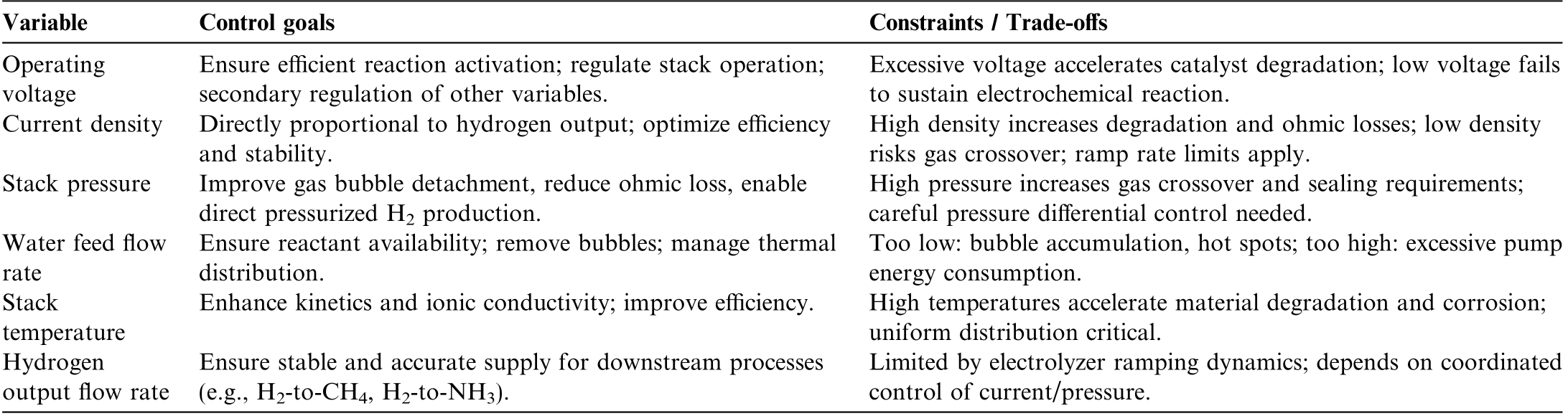
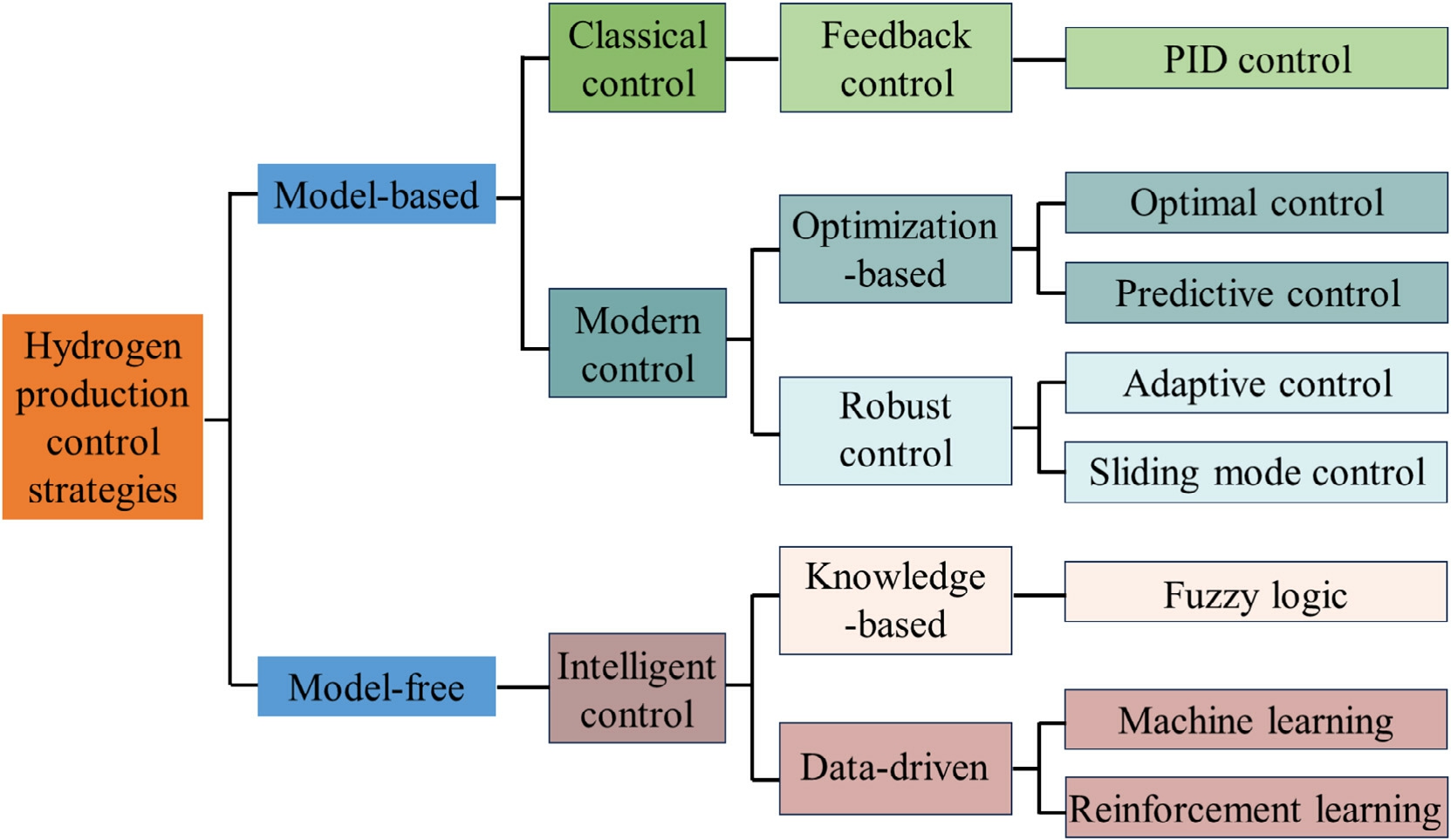
Fig. 3. Control strategies for electrolyzers.
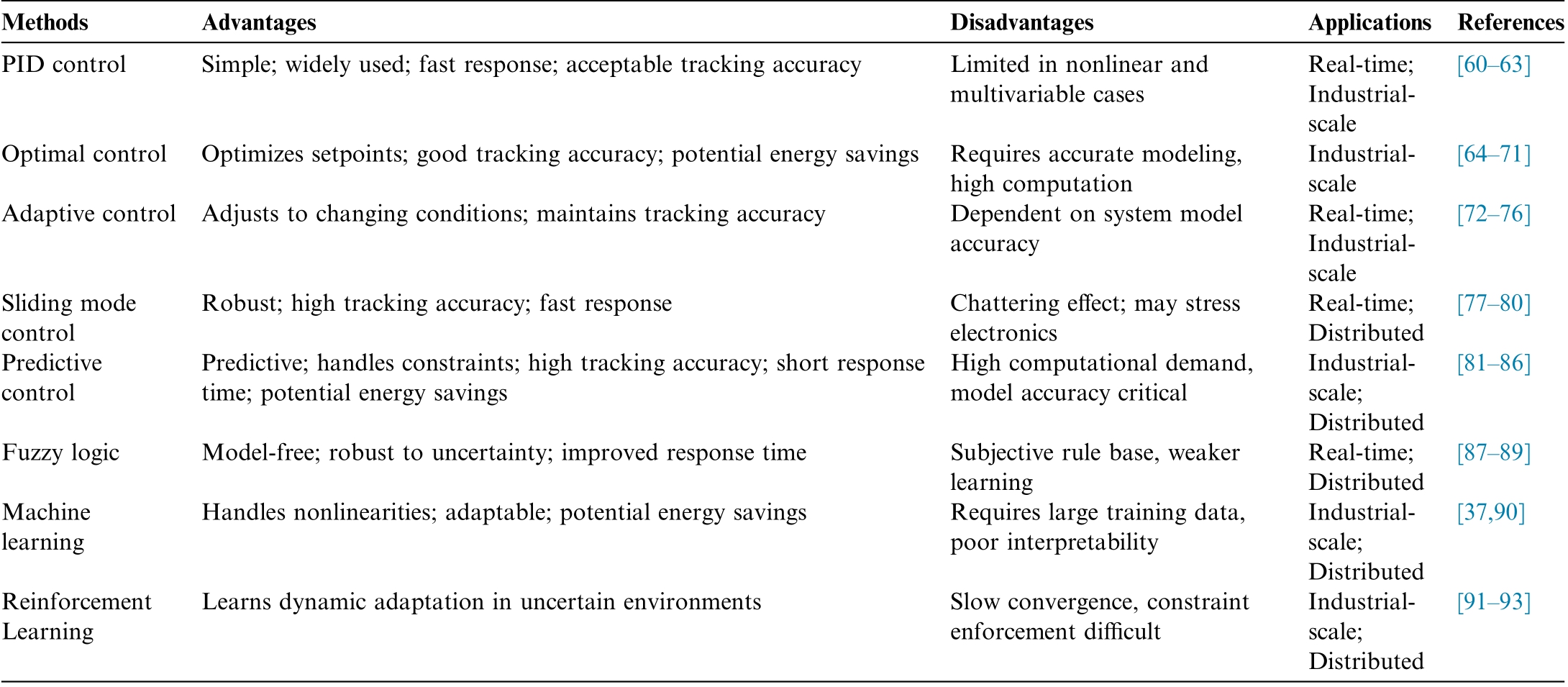
Table 4 Comparison of control methods for alkaline electrolyzer control strategies.
2) Optimal Control. Optimal control strategies use advanced optimization algorithms and intelligent monitoring systems to determine control variables in open-loop, ensuring stable operation of electrolyzers under time-varying working conditions. The general structure of such an o ptimal control system is illustrated in Fig. 5. Compared with conventional PID, optimal control can explicitly incorporate multi-variable couplings, such as between electrical,thermal, and fluidic subsystems, thus enabling more coordinated operation.
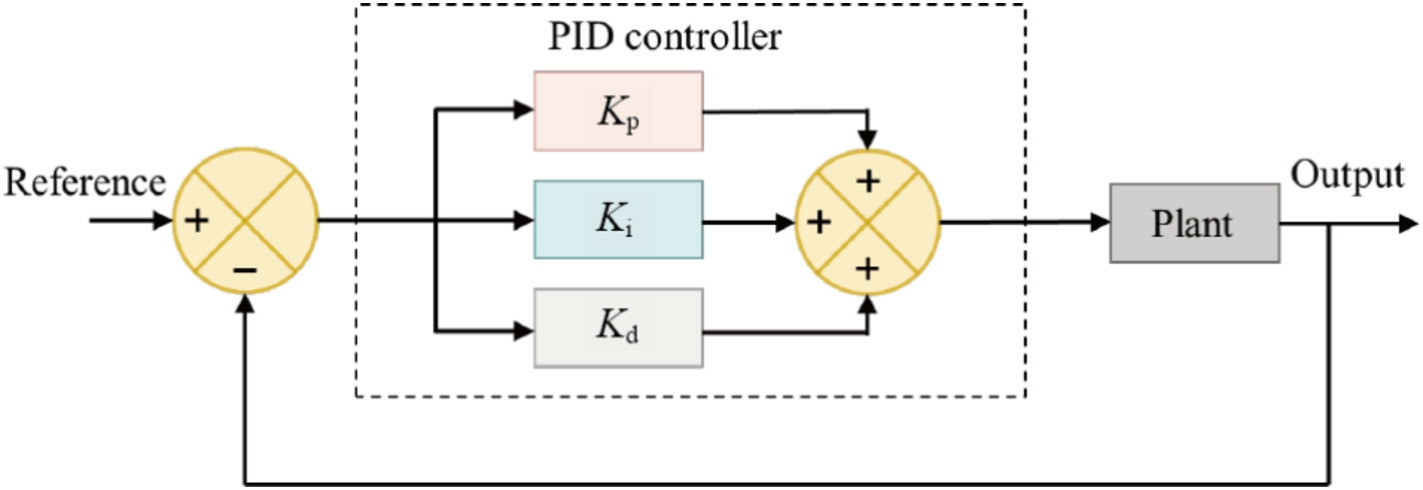
Fig. 4. Structure of the PID controller.
In water electrolysis systems, it is relevant for balancing hydrogen production rate, stack efficiency, and component lifetime. Particularly, optimal control formulations are usually applied to determine current density trajectories that reduce energy consumption while maintaining safe thermal and pressure limits. For example, optimal co ntrol is implemented in a grid-assisted photovoltaic hydrogen production system, using electrolyzer current as the control variable to balance hydrogen demand with electricity price and PV generation [64]. Wind power forecasts are employed to optimize the control of an alkaline electrolyzer,adjusting current to enhance system performance[65]. In literature [66], a power-to-hydrogen system driven by wind energy was modeled and controlled, wi th electrolyzer current used to provide frequency support. The study [67] optimized the scheduling of a PV-batteryelectrolyzer hybrid system, using electrolyzer power and battery charge/discharge rates as main control variables to maximize hydrogen yield. Voltage stability was addressed via two-stage stochastic optimization, coordinating the reactive power of PV inverters and electrolyzer power to maintain stable voltage in high-PV-penetration distribution networks[68]. In literatu re[69], real-time control of the electrolyzer’s input DC power was used to optimize hydrogen production. A model-based control design is proposed to regulate hydrogen purity in high-pressure alkaline electrolyzers by adjusting the outlet valve opening[70]. A study on PEM electrolyzer systems under fluctuating renewable energy inputs demonstrated improved hydrogen production efficiency through pressure control[71].
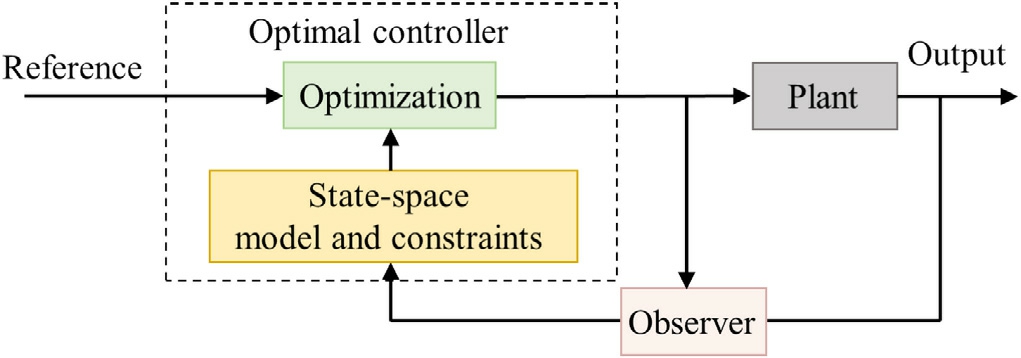
Fig. 5. Structure of the optimal controller.
Despite these advancements in the literature, optimal control approaches still face challenges. Many current methods show limited adaptability in complex and rapidly changing real-world environments. Moreover, the computational cost associated with some optimization algorithms remains high, potentially hindering practical implementation. Additionally, balancing multiple competing objectives, such as efficiency, purity, cost, and safety, within a unified control framework remains an open problem in multi-objective optimal control design.
3)Adaptive Control. While the previously discussed optimal control strategies have proven effective in improving hydrogen production performance, they often rely on predetermined control rules that may not fully accommodate the increasingly dynamic and uncertain operating conditions of real-world systems. For water electrolysis systems, factors such as equipment aging, environmental temperature and humidity fluctuations, and unforeseen disturbances can change system characteristics, it is valuable to develop adaptive method with adjustable controller parameters o nline in response to plant variations and external disturbances. As illustrated in Fig. 6,the general structure of an adaptive control system includes a real-time feedback loop, enabling the electrolyzer to maintain stable and efficient operation under variable and uncert ain conditions.In literature[72], an adaptive control strategy was proposed to account for wind power fluctuations affecting alkaline electrolyzers, controlling wind power input to reduce the frequency of electrolyzer switching and enhance hydrogen output. An adaptive power allocation strategy that dynamically distributes power among an array of electrolyzers based on incoming wind power and system efficiency is introduced,thereby improving operational efficiency and extending electrolyzer lifespan[73]. An adaptive droop control method was implemented for the electrolyzer,combined with a virtual-capacitance variablecoefficient droop control for the battery energy storage system, achieving dynami c regulation of power and voltage to suppress DC bus voltage fluctuations and maintain hydrogen production efficiency [74].The study[75] developed a PV-powered green hydrogen production system and applied an adaptive control scheme to adjust the electrolyzer’s operating point in real time according to varia tions in photovoltaic output, thereby improving the energy utilization efficiency of the PV system.In literature[76], an adaptive thermal management system was proposed to maintain the electrolyzer’s temperature within an optimal range, which contributed to enhanced hydrogen production stability and energy efficiency.
Despite these advantages, adaptive control is not without challenges. The effectiveness of adaptive strategies often depends on the accuracy of the underlying system models. In electrochemical-to-hydrogen systems, which involve complex energy conversion processes and the coordinated operation of multiple components, rapid changes in operating conditions and parameters can be difficult to track and model. This may lead to degraded control perfor mance if the adaptive mechanism fails to capture the system’s true dynamics.Therefore,while adaptive control enhances system resilience and responsiveness, its application must be carefully designed with consideration of model dependencies and real-time implementation constraints.
4) Sliding Mode Control. SMC is a robust, non-linear control strategy known for its ability to provide precise performance in the presence of significant model uncertainties and external disturbances. These features make it attractive for water electrolysis systems,where nonl inear electrochemical dynamics and fluctuating renewable inputs pose significant challenges for conventional linear controllers. Reported applications include regulating stack current and voltage under variable operating conditions, and ensuring stable hydrogen output despite uncerta inties in electrolyte concentration or temperature [77,78]. The structure of a SMC controller is shown in Fig. 7.The core principle of SMC is to drive the system’s state trajectory onto a predefined sliding surface in the state-space and maintain it there using a highspeed, discontinuous control signal.
Given that alkaline electrolyzer models contain parameters that can change over time due to aging and varying operating conditions, SMC’s inherent robustness is a significant advantage. Its primary application in hydrogen production systems is often in the control of the hydrogen production power supply (e.g., the DC/DC buck converter). Here, SMC can ensure that the output current or voltage precisely tracks its reference, even under fluctuations from a renewable energy source, thereby delivering a stable and well-regulated power input to the electrolyzer.While SMC offers a fast dynamic response, its main practical challenge is the phenomenon of chattering, i.e., highfrequency oscillations in the system output caused by the discontinuous nature of the control signal.This chattering can increase energy losses in the power electronics and excite unmodeled dynamics[79]. This issue is typically mitigated by employing techniques such as bounda ry layers or higher-order sliding mode controllers.
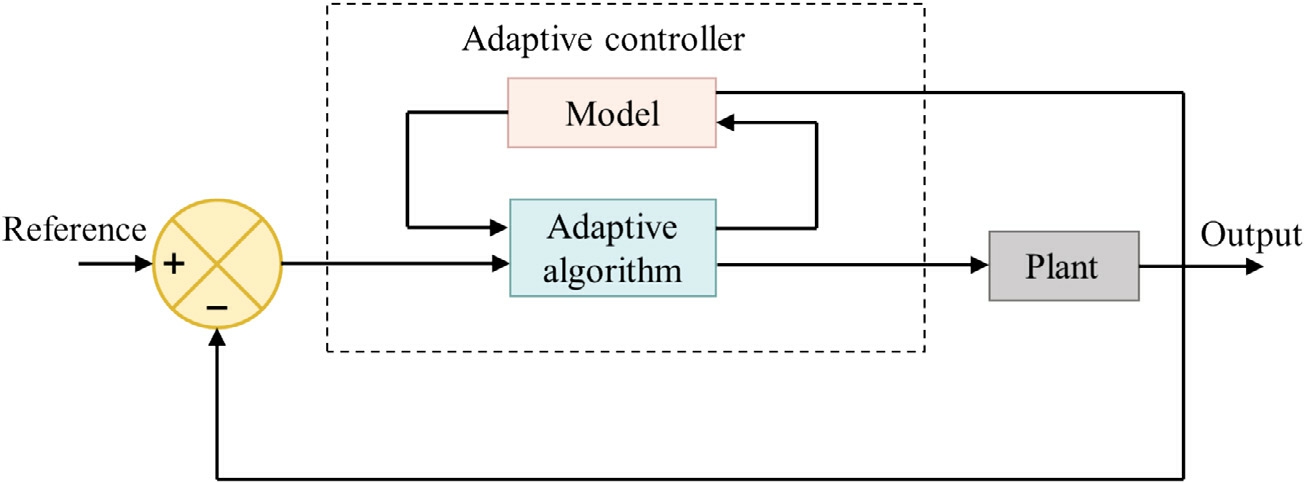
Fig. 6. Structure of the adaptive controller.
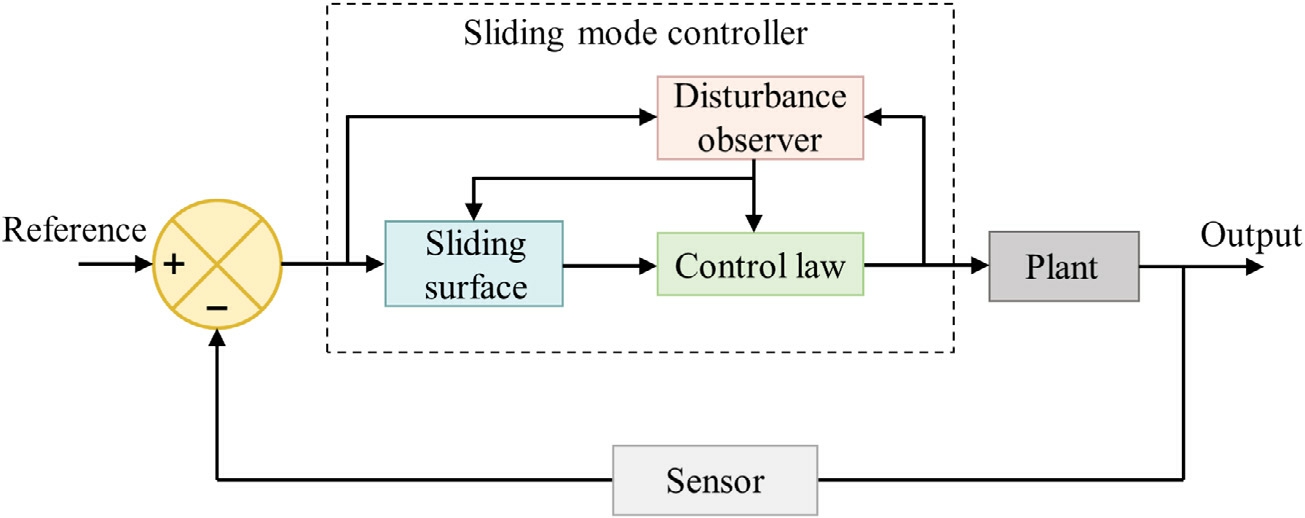
Fig. 7. Structure of the sliding mode controller.
5) Model Predictive Control. To overcome the limitations of conventional static control methods, MPC introduces a forward-looking approach that utilizes real-time system state monitoring and dynamic models to predict future behavior. The general str ucture of an MPC controller is shown in Fig. 8. This control strategy is particularly attractive for water electrolysis systems because it explicitly handles multivariable interactions and operational constraints while optimizing system performance over a prediction horizon. Unlike PID or adaptive schemes, MPC can simultaneously regulate stack current, voltage, and thermal dynamics, enabling improved efficiency and safe operation under fluctuating renewable inputs.Specifically, MPC excels in managing constraints,accounting for time-varying power inputs, and accommodating multiple performance objectives such as efficiency, safety, and resource utilization.In simulations of a 5 MW commercial-scale electrolyzer integrated with renewable energy sources,MPC demonstrated superior temperature control,achieving a response time reduced to 30 % and an overshoot amplitude reduced to 10 % of those observed with PI control [80]. In literature [81], a coupled solar-hydrogen-storage system was modeled, and MPC was employed to achieve precise power tracking of the hydrogen subsystem, significantly improving its utilization within the hybrid framework. A two-stage stochastic MPC method is proposed by combining model predictive control with stochastic optimization in a PV-storagehydrogen integrated system, leading to enhanced economic performance and greater PV power consumption efficiency [82]. In literature [83], MPC was applied to efficiently integrate an alkaline water electrolyzer into a sustainable low-carbon district heating system. By adjusting the electrolyzer’s load in response to thermal demand, the approach optimized energy conversion efficiency while supporting decarbonization goals.
Nonlinear model predictive control was employed to regulate alkaline electrolyzers for grid ancillary services,using input power, grid-purchased electricity, and battery charging/discharging power as control variables [84]. The controller effectively tracked grid power fluctuations,enabling safe and stable electrolyze r operation under dynamic conditions.In literature[85], a novel MPC framework was introduced to integrate electrolyzers into renewable energy systems, again using input power and battery dispatch as control variables to enhance hydrogen production economics and system adaptability to variable renewables. A centralized economic MPC scheme for PV-driven alkaline electrolyzers is proposed, enabling real-time economic optimization and flexible power point tracking[86]. The strategy also incorporated heat recovery from the electrolysis process, boosti ng overall system performance and energy efficiency.
MPC’s strength lies in its ability to predict and optimize future trajectories, enforce constraints explicitly, and coordinate multiple control objectives. However, its application requires accurate dynamic models and sufficient computational resources for real-time implementation.As computational tools continue to improve, MPC is expected to become increasingly practical for real-world electrolysis systems operating under variable renewable energy conditions.
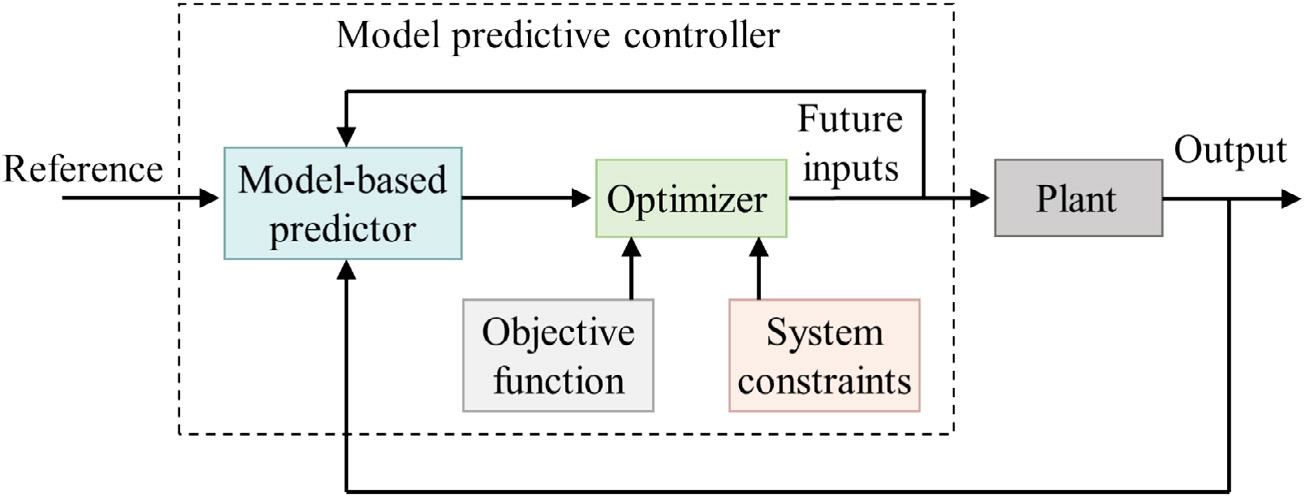
Fig. 8. Structure of the model predictive controller.
6) Fuzzy Logic Control. FL control offers a key advantage in its ability to emulate human expert decisionmaking by evaluating syst em states through fuzzy inference and generating appropriate control actions.As shown in Fig. 9, the general structure of a fuzzy logic controller includes fuzzification, inference,and defuzzific ation stages that transform input variables into control decisions.
In water electrolysis hydrogen production systems,fuzzy control demonstrates strong adaptability to rapid energy input variations and provides effective regulation of critical components such as the electrolyzer. Its rulebased structure allows operators to encode expert knowledge directly, leading to robust performance without requiring an accurate plant model. This makes it particularly well-suited to hydrogen production systems that are inherently multivariable, strongly coupled, and nonlinear.
Nowadays, FL control strategies have been applied across a variety of hydrogen production scenarios. For example, a FL control strategy is proposed for a photovoltaic hydrogen production system, whi ch effectively reduced ripple in voltage and current outputs, enhanced energy efficiency, and improved system robustness under load disturbances [87]. In literatu re [88], FL control was used to regulate the temperature of the water feed to the electrolyzer, thereby increasing overall efficiency and hydrogen output. FL theory is combined with internal model control (IMC) to develop a fuzzy IMC temperature controller, which modulated cooling water flow to maintain precise temperature control of the electrolyzer [89].Compared with traditional PID controllers, the fuzzy IMC design achieved superior performance in terms of response speed, disturbance rejection, and robustness,making it better suited for temperature regulation in electrolysis-based hydrogen systems.
Overall, the application of FL control in electrolyzer systems has demonstrated its potential to enhance system stability and hydrogen production output. Future research may further explore hybrid stra tegies that combine FL with other intelligent control algorithms, such as neural networks, RL, or MPC, to achieve improved control precision, adaptability, and performance across varying operational conditions.
7) Learning-Based Control. In the field of hydrogen production through water electrolysis, the development and application of AI-driven control algorithms based on data learning are becoming key factors in promoting technological advancement and achieving intelligent management. Such methods, by simulating human learning processes, can handle complex data patterns, optimize system performance, and improve energy conversion efficiency. The ge neral structure of a learning-based controller is illustrated in Fig. 1 0, where neural networks are trained on system and environment data to predict dynamic behavior and inform control actions. Specifically, learningbased control methods construct complex neural network models to learn the dynamic characteristics of system and environmental interactions from large amounts of data and make accurate predictions, providing information for optimizing system operation.These methods are suitable for pattern recognition and decision support in electrolytic hydrogen production systems. For example, a style="vertical-align: middle; text-align: center;">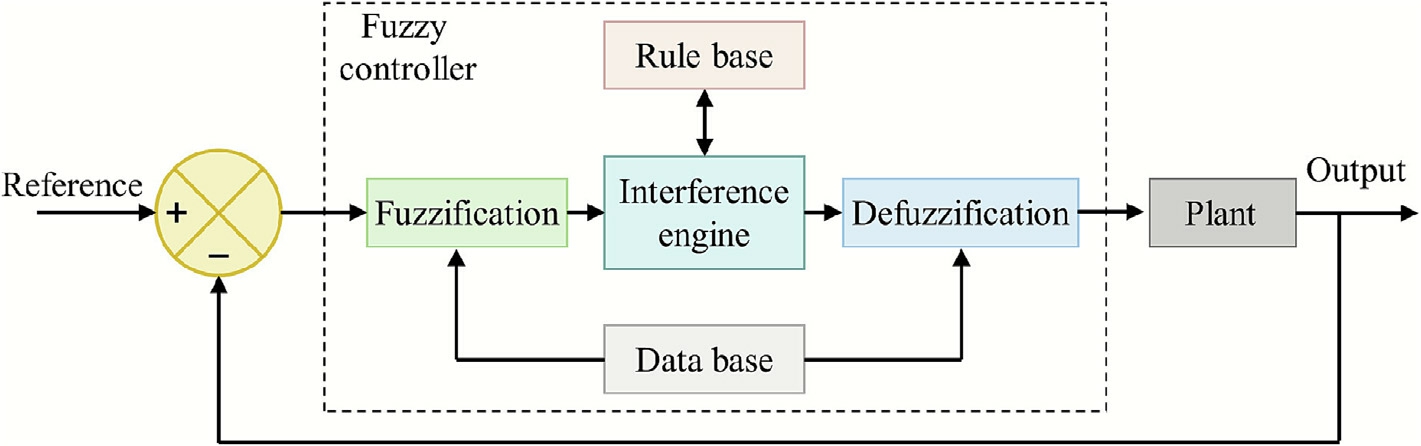
Fig. 9. Structure of the fuzzy logic controller.
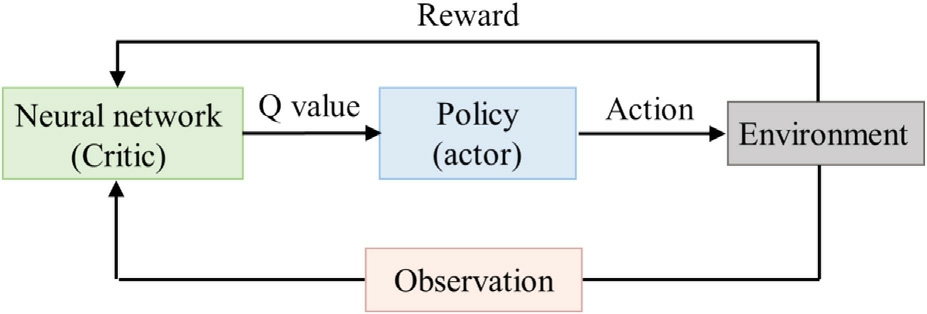
Fig. 10. Structure of the learning-based controller.
Although significant progress has been made in the application of AI technology in electricity-to-hydrogen systems, technical challenges concerning the adaptability,interpretability, and reliability of the algorithms must be addressed before widespread industrial adoption. Future research should focus on overcoming these hurdles by leveraging emerging AI paradigms. For instance, the interpretability challenge of ‘‘black box” models can be mitigated using explainable AI frameworks to build trust and verify safe operation. The adaptability of models to new systems or aging components c an be significantly accelerated through transfer learning, reducing the need for extensive retraining. Finally, the reliability and physical consistency of purely style="font-size: 1em; text-align: justify; text-indent: 2em; line-height: 1.8em; margin: 0.5em 0em;">In general, each individual control algorithms have its specific inherent limitations. One promising pathway to overcome these limitations is the development of hybrid control strategies that combine complementary features of different methods. For example, integrating MPC with adaptive control allows real-time parameter adjustment to counteract model inaccuracies, thereby enhancing predictive control robustness. Alternatively, combining MPC with fuzzy logic can introduce heuristic rule-based adaptation of co ntrol horizons or weighting factors,reducing computational complexity and improving resilience against uncertainties. Such hybrid strategies can therefore balance predictive optimization with adaptability and robustness, making them particularly attractive for industrial-scale electrolyzer applications under variable renewable energy conditions.
1.1.4 Control-oriented dynamic electrolyzer model
To support the development of effective control strategies for alkaline water electrolyzers, it is crucial to establish simplified, control-oriented models that accurately reflect the system’s key dynamic behaviors while remaining computationally feasible for real-time implementation. Unlike high-fidelity multiphysics models used for offline simulation, control-oriented models aim to strike a balance between physical interpretability and dynamic tractability,enabli ng closed-loop controller design,tuning,and performance optimization.
A representative structure of such a mod el is illustrated in Fig. 11, which captures the dominant dynamic relationships between electrical input variables, e.g., voltage and current, and critical system outputs such as hydrogen production rate, internal temperature, and stack pressure. The diagram depicts a modular mapping from the power interface through the electrolyzer’s electrochemical and thermal subsystems, incorporating simplified dynamic blocks such as ohmic resistance and thermal inertia. This abstraction allows for feedback controller synthesis and provides an intuitive basis for understanding how disturbances in power input propagate through the electrolyzer system.In particular, each module in plays a distinct role: the power interface translates the input electrical variables into the power that drives the system; the electrochemical model represents the core reaction kinetics, accounting for phenomena like ohmic resistance and overpotentials to determine the instantaneous hydrogen production rate;the thermal model captures the system’s thermal inertia and heat exchange characteristics to predict the stack temperature. These interconnected blocks demonstrate how electrical disturbances translate into multiphysical responses, thereby justifying the necessity of a co-control framework where the power supply’s fast dynamics are coordinated with the electrolyzer’s slower thermal and mass-transport dynamics. Such a modular representation directly supports the hierarchical co-control strategy proposed in Section 3.2, enabling predictive optimization across electrical, thermal, and electrochemical domains.
In this framework, the cell voltage-current relationship is typically expressed as a nonlinear function composed of the reversible cell voltage and various overpotentials,including activation, ohmic, and concentration losses.Around nominal operating points, this nonlinear behavior can be linearized into state-space or transfer-function models suitable for PID or MPC design. Similarly, the thermal dynamics are modeled as a first-order system with a time constant determined by the thermal mass and heat transfer characteristics of the stack. Such thermal models are essential for designing temperature control loops, particularly when integrating adaptive thermal regulation or multi-objective optimization.
Parameter sensitivity analysis forms an integral part of model validation and control robustness assessment.Parameters such as internal resistance, thermal capacitance, heat transfer coefficients, and current ripple amplitudes strongly influence the closed-loop response characteristics. For instance, the time constant associated with stack temperature directly affects the stability margin and settling time of thermal controllers, while inaccuracies in the estimation of overpotential-related coefficients can degrade voltage regulation performance. Moreover, in MPC-based strategies, the prediction horizon, control horizon, and tuning weights must be selected in accordance with the system’s response speed and allowable constraint violations. Small deviations in these parameters may result in significant performance deterioration or even instability,especially under fast-changing renewable power inputs.
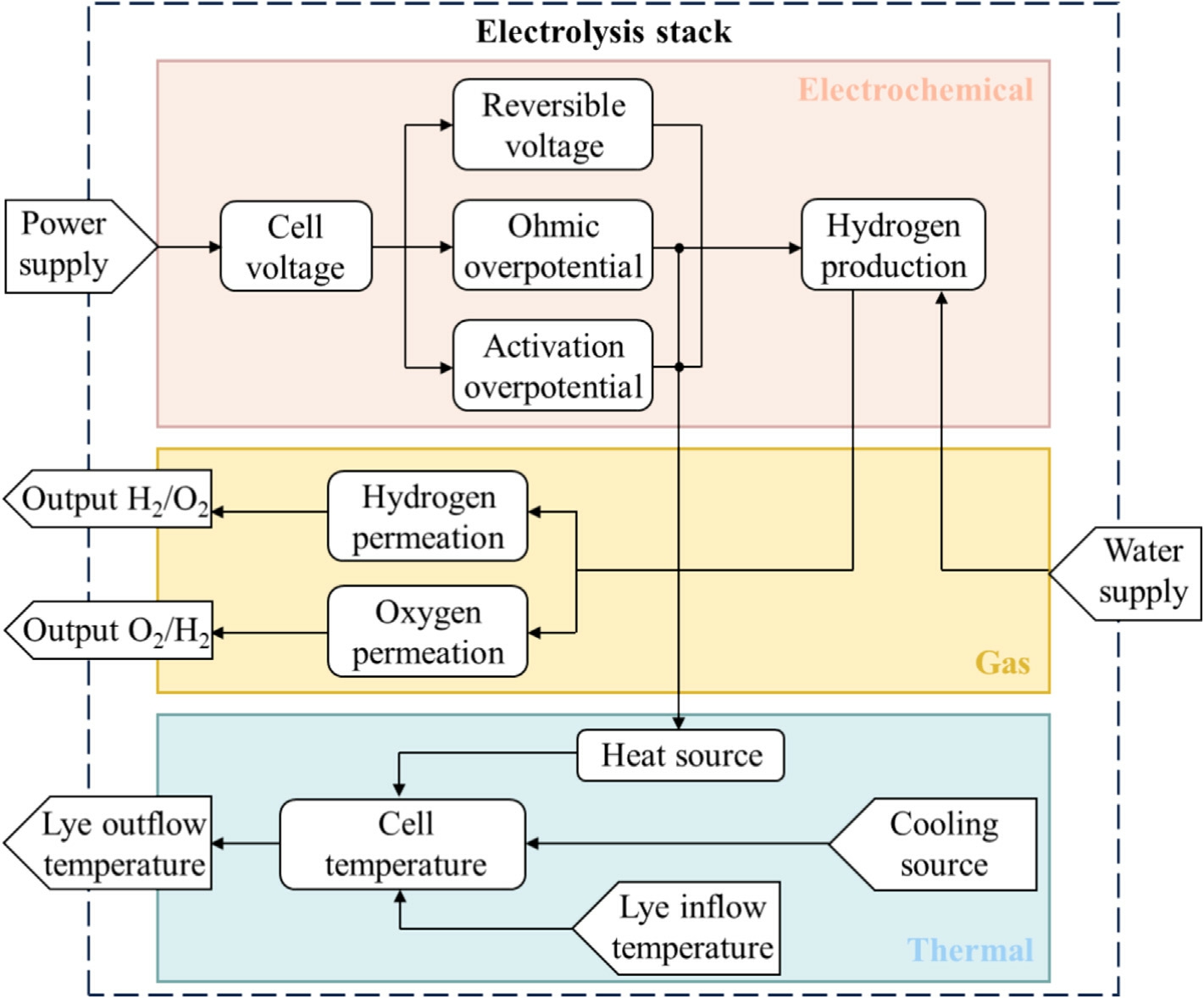
Fig. 11. Coupling between multiple physical models.
Recent studies have also explored style="font-size: 1em; text-align: justify; text-indent: 2em; line-height: 1.8em; margin: 0.5em 0em;">In summary, the integration of control-oriented modeling with parameter sensitivity analysis enables the systematic design and refinement of control algorithms for alkaline electrolyzer systems. Such modeling approaches not only provide the foundation for advan ced control methods,but also bridge the gap between system-level performance requirements and the physical behavior of the electrochemical process.
1.1.5 Experimental and pilot-scale implementations
Although much of the literature on advanced control strategies for alkaline electrolyzers remains theoretical or simulation-based, several pilot-scale and experimental studies have demonstrated their practical feasibility. For instance, the H2Future project in Austria (6 MW AWE)and the REFHYNE project in Germany (10 MW AWE)have successfully applied advanced hierarchical and supervisory control to enable renewable load-following and grid balancing [94,95]. Similarly, Air Liquide’s 20 MW Be´cancour electrolyzer in Canada has implemented real-time control stra tegies to ensure stable operation under variable renewable energy input [96]. At the laboratory scale, predictive MPC schemes have been tested on small AWE stacks to validate ramp-rate optimization, while fuzzy logic controllers have been experimentally shown to reduce current ripple and improve durability. These examples illustr ate that advanced control strategies are not only conceptually promising but also increasingly validated in practice, bridging the gap between theoretical design and industrial deployment.
1.2 Hydrogen production power supply
1.2.1 Control structure of the power supply
The hydrogen production power supply serves as the critical interface between the power grid or renewable energy source and the electrolyzer, tasked with converting variable electrical input into a stable, well-regulated DC output to drive the electrochemical process. To better il lustrate the conventional control paradigm, Fig. 1 2 depicts a typical control architecture for a hydrogen production rectifier.
This system architecture is typically implemented using a cascaded control strategy within a digital signal processor or microcontroller. The outer loop, which can be a voltage or power controller, sets the overall operating point for the electrolyzer and provides the reference for the inner current loop. The inner loop is a highbandwidth current controller, often a PI controller, which provides fast dynamic response and precise current regulation. The output of the current loop is the pulse-width modulation (PWM) signal generator, whi ch controls the DC/DC converter, e.g., a buck converter with insulatedgate bipolar transistor (IGBT). The converter powers the alkaline electrolyzer load. Feedback signals for voltage and current are measured at the output of the converter.This dual-loop structure is effective at ensuring the electrical stability and tracking performance of the power converter itself.
However, this classical control architecture is fundamentally limited because it treats the electrolyzer as a passive electrical load. The controller’s objectives are defined almost exclusively from a power electronics perspective:maintaining output voltage/current accuracy, minimizing ripple, and ensuring fast transient response. This decoupled design paradigm largely overlooks the complex and slower multiphysics dynamics within the electrolyzer, such as its thermal inertia, catalyst degradation mechanisms,and two-phase flow phenomena. As a result, an output characteristic that is optimal for the converter (e.g., an extremely fast step response) may not be beneficial to the long-term efficiency, durability, and safety of the electrolyzer. Understanding the specific operational requirements that the electrolyzer imposes on the power supply is therefore a prerequisite for developing more effective and integrated system-level control.
1.2.2 Electrolyzer requirements for power supply design
Although the theoretical decomposition voltage of water is 1.23 V, the actual voltage required during electrolysis is approximately 1.7 V due to the presence of internal ohmic resistance and various overpote ntials within the electrolyzer.To overcome these resistive and kinetic barriers during system startup, an elevated cell voltage is typically applied to accelerate the electrochemical reactions and reduce the startup time. However, increasing the current density at this stage also intensifies the overpotential losses, while the resulting temperature rise can lower the reversible cell voltage. Therefore, the applied voltage during startup must be carefully regulated to minimize unnecessary energy consumption and avoid excessive thermal or electrochemical stress. In practice, this is typically addressed through soft-start strategies, where the voltage is gradually ramped up to the nominal ope rating point,or through staged ramping methods, which apply voltage in controlled steps with short dwell periods. Both approaches reduce current surges, facilitate electrolyte wetting,and minimize bubble accumulation.These profiles are usually implemented via closed-loop controllers that ensure safe and reliable startup sequences,thereby mitigating degradation risks.
Once the electrolyzer transitions to steady-state operation, fluctuations in renewable energy sources can compromise the stable and safe operation of the system. This imposes stringent performance requirements on the hydrogen production power supply. Specifically, the power supply must be capable of accommodating wide input power variations, delivering a stable and well-regu lated DC output voltage, and minimizing output current ripple. These factors are essential for maintaining the purity of hydrogen production, ensuring operational stability, and protecting the long-term durability of electrolyzer components.
To meet the operational requirements of the electrolyzer under such fluctuating conditions, the power supply’s rectifier, which serves as the key interface between the grid or renewable source and the electrolyzer, plays a critical role. Its performance directly impacts the overall effi-ciency and reliability of hydrogen production under dynamic operating scenarios. Commonly used rectifiers in electrolysis systems include semi-controlled and fully controlled types. Semi-controlled rectifiers based on thyristor technology offer advantages such as high reliability,scalability for large power ratings, and relatively low cost.However, their dynamic response is limited. With the maturation of high-power IGBT devices, fully controlled PWM rectifiers based on IGBT technology have become a preferred alternative. These converters offer superior power quality, faster dynamic response, and enhanced control flexibility, making them well-suited for integration with modern electrolyzer stacks operating in conjunction with intermittent renewable energy sources.
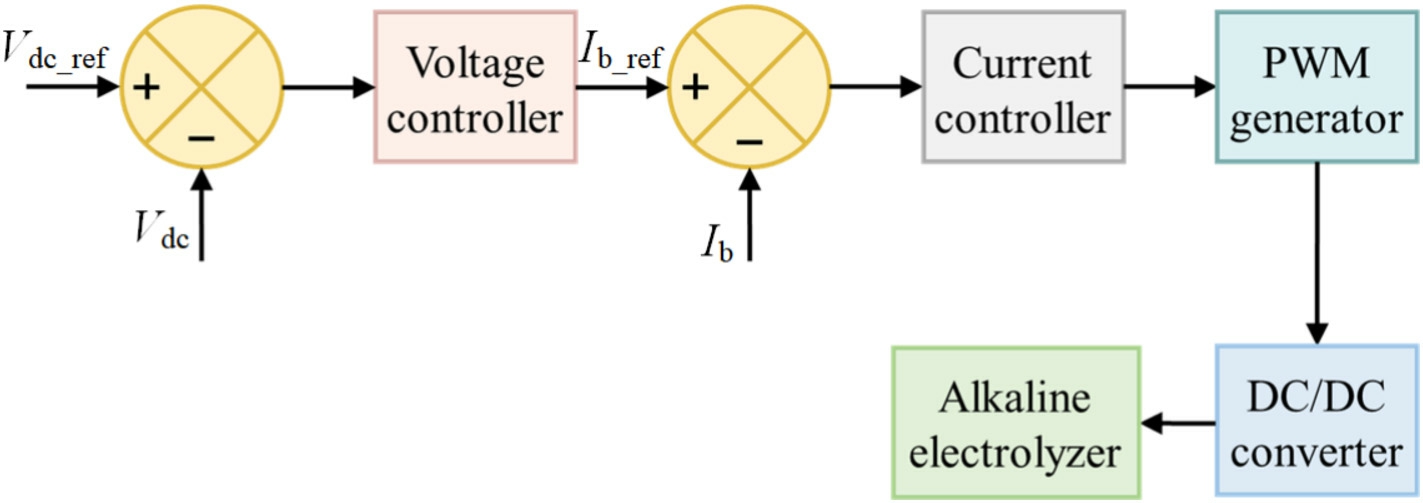
Fig. 12. Typical control system architecture for a power supply in water electrolysis.
1.2.3 Control objectives and strategies
In the context of water electrolysis for hydrogen production, the control strategies for the power supply are predominantly developed from the perspective of power electronics. These strategies generally focus on four primary objectives. First, maintaining stable rectifier output is essential to ensure a reliable DC power supply to the electrolyzer, thereby enhancing hydrogen production effi-ciency and reducing energy consumption. Second, minimizing current ripple at the power supply output is critical for mitigating thermal stress and corrosion of electrolyzer components, which in turn contributes to longer equipment lifespan and improved operational stability.Third, enhancing the dynamic response of the hydrogen production power supply to fluctuations in renewable energy input is vital. A rapid and robust response helps maintain continuity in the electrolysis process and ensures consistent hydrogen output, even under variable grid or distributed generation conditions. Lastly, achieving adaptive control of both electrolysis power and stack temperature is necessary to optimize reaction efficiency, protect system components, and improve the overall reliability and performance of the hydrogen production system.
Based on these four control objectives,Table 5 summarizes the relevant literature and associated control methods that have been proposed and implemented to date.
1) Hydrogen Production Efficiency. To ensure stable rectifier output and enhance the energy efficiency of hydrogen production, various control strategies have been proposed and implemented.In literature[97], a high-power DC/DC converter based on IGBT modules was designed, and a two-stage control scheme was developed. This scheme includes a constantvoltage startup mode to reduce startup time, followed by a voltage/power droop control mode to lower energy consumption and adapt to fluctuations in renewable energy input once the target hydrogen production rate is achieved. In literature [98], a Cuk converter tailored for wind-powered hydrogen production was modeled. Duty cycle control was employed to stabilize the output voltage, ensuring compatibility with the electrolyzer’s ope rational requirements. A supplementary damping control strategy is introduced based on DC voltage modulation of the electrolyzer stack [99]. The controller parameters were optimized under multiple operating conditions to suppress subsynchronous oscil lations during grid-connected operation of hydrogen loads.Similarly, a coordinated damping controller is proposed by integrating the hydrogen production system and a doubly-fed wind turbine [100]. By using the electrolyzer current as a feedback signal, the system dynamically adjusted the DC voltage through a subsynchronous damping controller combined with PI control, effectively mitigating oscillations introduced by offshore wind power via HVDC transmission. A dual-active-brid ge integrated boost converter topology is developed, regulated by phase-shifted PWM,for DC-DC interfacing between a high-voltage DC bus and electrolyzer stacks in multi-energy hybrid microgrids [101]. This topology supports inputseries/output-parallel configurations, achieving voltage equalization on the series side and voltage stability on the parallel side, while maintaining transformer voltage matching across modules. In the study [102], harmonic distortion requirements were addressed by employing an IGBT-based indirect current control strategy, which enabled unity power factor operation on the AC side and suppressed grid-side current distortion, meeting the ripple co nstraints of hydrogen production power supplies. A chopper-based rectification technology is presented using PWM-controlled IGBT modules for large-scale water electrolysis systems [103]. The design adopts a modular approach, featuring constant-current and over-voltage protection capabilities, with high-precision control of the DC output. Considering the wide power input range required for photovoltaic-powered hydrogen systems,the study[104] applied the incremental conductance method for maximum power point tracking,along with PWM-based control of IGBT devices.This method improves the system’s ability to accommodate power fluctuations and enhances overall energy conversion efficiency. Although PI controllers used in these PWM-based schemes offer structural simplicity, the increased susceptibility to disturbances under fluctuating conditions imposes stricter robustness requirements on the controller design.
2)Current Ripple. The impact of output current ripple from hydrogen production power supplies on electrolyzer performance has been comprehen sively investigated [105]. The study demonstrated that current ripple not only reduces hydrogen production efficiency but also accelerates the degradation of electrolyzer components, thereby shortening system lifespan. To mitigate this issue, a multiphase interleaved stacked buck converter architecture is proposed,whic h utilizes a compensatory PWM control scheme[106]. This approach enables the output AC current waveform to complement the ripple profiles across the interleaved phases, effectively reducing overall ripple. Building on this architecture, a gain-scheduled PI controller that generates four PWM gating signals for controlling IGBT switches is developed [107]. Experimental results confirmed that this control strategy significantly reduces overshoot and oscillation in phase currents, leading to smoother system dynamics. A fuzzy-PI control strategy for a photovoltaic-based hydrogen production system is introduced in the study[87]. In this method, the output voltage from the buck converter is fed back to a fuzzy-PI controller, which generates trigger signals for the IGBT devices, thereby regulating the electrolyzer’s operating voltage and current. Simulation results validated that this approach effectively reduces output voltage and current fluctuations while also minimizing overshoot and settling time. Despite these benefi ts,fuzzy-PI control is inherently based on qualitative expert knowledge rather than precise mathematical modeling. As a result, it generally lacks the accuracy and robustness of model-based control methods, particularly in complex or highly dynamic operating environments.
Table 5 Control objectives and methods of power supply.

3) Dynamic Response Speed. The fast dynamic response capability of fully controlled rectifiers offers a distinct advantage in hydrogen production systems. In literature [108], a PWM-based rectification circuit was employed to design the power supply, incorporating SPWM and digital control techniques typically used in inverter circuits. This design not only ensured low harmonic distortion on the AC side and allowed operation at unity power factor, but also eliminated the need for tap-changing transformers and reactive power compensation devices, thereby reducing system losses and improving overall efficiency.
In the context of frequency regulation using hydrogen loads, various control strategies have been investigated.The feasibility of using fully controlled rectifiers is evaluated under droop control, derivative control, and virtual synchronous generator (VSG) control schemes for frequency support via electrolysis-based hydrogen loads[109]. Among these, the VSG-based approach demonstrated superior transient frequency support performance.Building on this, a current-source-type VSG control strategy is proposed in which the hyd rogen production power is dynamically adjusted in response to grid frequency variations [110]. This approach provides both inertial and damping support during transients and enables primary frequency regula tion under steady-state conditions, thus enhancing frequency stability.
Compared with conventional droop control, the use of current-source VSG control at the electrolyzer interface rectifier results in smoother frequency variation on the AC bus. This indicates that the hydrogen production load can effectively contribute to grid inertia compensation by modulating its consumption in real time. However, VSG control strategies involve multiple control parameters,and their tuning has a significant impact on system performance. Careful parameter design and coordination are therefore critical for achieving optimal dynamic behavior.
4)Temperature Regulation. While previous studies have primarily focused on control strategies based on electrical variables, the influence of temperature regulation on hydrogen production performance remains less involved. A two-stage adaptive control strategy is proposed to jointly regulate hydrogen production power and temperature [111]. In the offline phase, a system efficiency model is established based on system architecture and equipment parameters to determine optimal electrolyzer power allocation and corresponding temperature setpoints across the full power range. In the online phase, the real-time hydrogen production power is used to retrieve the appropriate operating conditions from the precomputed power-temperature schedule. These values are then applied to generate PWM modulation signals and valve opening commands via a buck converter and valve controller, respectively.
Despite its structured formulation, this two-stage control framework presents notable limitations. The reference trajectories generated offline may not sufficiently account for real-time constraints or dynamic system states, especially in systems like water electrolysis where strong coupling and nonlinear behavior are prevalent. As a result,the online controller may struggle to accurately track the desired setpoints under variable operating conditions,leading to suboptimal control performance or system inefficiencies.
In summary, fully controlled power electronic devices offer enhanced dynamic responsiveness and greater flexibility for hydrogen production systems. The integration of high-power converters, PWM control techniques, multiphase interleaved buck converters, fuzzy-PI controllers,and VSG strategies has shown considerable potential in improving energy efficiency, suppressing current ripple,enhancing adaptability to renewable energy fluc tuations,and enabling adaptive temperature regulation. These advances provide a solid theoretical and technical foundation for the design and optimization of electrolytic hydrogen production systems and contribute to the broader deployment of clean energy technologies.
2 Future research perspe ctives
2.1 Critical challenges to be addressed
A comprehensive review of existing research reveals several critical gaps that warrant urgent attention. Most current studies on IGBT-based power supplies for electrolysis focus primarily on converter topologies and high-power module development, with performance metrics largely defined from the perspective of power electronic quality parameters such as voltage regulation, efficiency, and harmonic suppression [105,112–115]. This has resulted in a decoupled design paradigm where the power supply is optimized independently of the electrolytic hydrogen production process, without systematic consideration of the dynamic operational modes and specific requirements of the electrolyzer under varying conditions. However,improvements in electrical output quality do not necessarily translate into universally beneficial effects across all operational states of the electrolyzer. Therefor e, control algorithms for hydrogen production power supplies should be designed with full awareness of electrolyzer characteristics and operational demands,enabling tailored output behavior from fully controlled converters that aligns with the needs of the electrochemical process.
The electrolyzer typically operates under three distinct conditions: steady-state, variable-load, and emergency modes. In steady-state operation, output stability of the power supply is paramount. Frequent fluctuations in supply voltage or current can lead to reduced hydrogen output, structural changes at the catalyst surface, a nd deterioration of active sites, ultimately compromising system durability. In variable-load conditions, the synchronization between the power supply’s adjustment speed and the electrolyzer’s response capability becomes critical.A mismatch, such as slow regulation from the power supply while the electrolyzer reacts rapidly, can result in insufficient energy input. Conversely, overly rapid power changes that exceed the electrolyzer’s dynamic limits can lead to voltage overshoots or transient overpotentials,potentially causing membrane or electrode degradation and even catastrophic failure such as dielectric breakdown.Under emergency conditions, the power supply must be capable of tightly coupling with real-time electrolyzer state feedback. Safety indicators from within the electrolyzer should trigger immediate shutdown commands to the power electronics in order to prevent excessive energy accumulation. In parallel, auxiliary energy dissipation pathways should be activated to safely release residual energy and protect system integrity. These scenarios clearly indica te that hydrogen production power supplies must satisfy distinct control objectives across different operating regimes. However, existing algorithms, which are designed independently of the electrochemical dynamics, are inadequate for delivering context-specific responses. To ensure safe, efficient, and reliable operation of power-to-hydrogen systems, it is essential to develop fully integrated control algorithms that explicitly account for the coupled behavior between the power supply and the electrolyzer, particularly under dynamically varying operating conditions.
The control of hydrogen production power supplies with alkaline electrolyzers as loads has received some attention, but it has mostly been approached from the perspective of single rectifier output performance, and the control algorithms predominantly use traditional PID control based on classical control theory. For instance, a voltage-current dual-loop control strategy based on PI control was employed to enhance the rapid response capabil ity of the hydrogen production converter to photovoltaic power sources [116]. A photovoltaic hydrogen production system based on fuzzy PI control was investigated to effectively reduce the output current r ipple of the converter [87]. A two-stage control strategy based on PI controllers for constant voltage start-up and steadystate operation was developed to achieve rapid response for renewable energy fluctuations a nd stable hydrogen production [117]. However, an electrolyzer, as a complex electrochemical system, possesses highly coupled internal components and exhibits significant nonlinear characteristics. Traditional control methods struggle to adapt to changes in the control model, external disturbances, and parameter fluctuations under the complex operating conditions of the electrolyzer. Furthermore, traditional control lacks the predictive capability for future electrolyzer operating states, rendering it unable to optimize current control parameters based on predictions of future changes in operating conditions. Addressing the issues of inflexibility and inefficiency in existing control algorithms,it is necessary to research more advanced and effective control algorithms for hydrogen production power supplies.
2.2 Perspectives for integrated control objectives and strategies
To address the aforementioned critical issues, namely,the decoupled design of power supplies and the inadequacy of traditional algorithms for complex operating conditions, a paradigm shift from decoupled regulation to a deeply integrated, coordinated control framework is essential. The core of this new paradigm is the synergistic co-design of control strategies that explicitly account for the coupled electro-chemo-thermal behavior of the entire power-to-hydrogen system. To visually articulate this advanced approach, Fig. 13 presents a hierarchical framework for the coordinated control of the power supply and electrolyzer.
This hierarchical framework decomposes the complex control problem into three distinct layers operating on different timescales and with different objectives. The supervisory layer operates on a slow timescale, e.g., minutes to hours, making economically-driven decisions based on market signals and long-term forecasts to determine the most profitable or efficient operating trajectory for the system. The coordination layer forms the core of this integrated framework, operating on a timescale of seconds.Its key innovation is the use of advanced control strategies,such as MPC, which rely on a dynamic model of the entire system. This controller receives high-level setpoin ts from the supervisory layer but makes real-time adjustments based on comprehensive feedback of the electrolyzer’s internal state, e.g., temperature and pressure. By predicting the future evolution of the system, it can proactively optimize the power input to track a reference while explicitly enforcing constraints related to safety, efficiency, and component degradation, thereby achieving a true multiobjective optimization. Finally, the execution layer, operating at the millisecond timescale, consists of the power electronics converter and its low-level PI controllers. Its role is to act as a high-fidelity actuator, precisely and rapidly executing the dynamic current or voltage commands issued by the coordination layer.
This hierarchical structure transforms the power supply from a simple slave device into an intelligent component of a fully integrated system, providing a clear and systematic pathway for designing the specific control objectives and strategies required for steady-state, variable-load, and emergency conditions. By employ ing this hierarchical control framework, the control objectives for the power-tohydrogen system can be designed accordingly based on the operational conditions of the electrolyzer, which are specified as:
Under steady-state conditions, the primary control objective for the hydrogen production power supply is to provide a stable energy input to the electrolyzer, ensuring consistent hydrogen production. Specifically, to minimize power supply output fluctuations, the optimization control objective function can be defined as the variance of the power supply output power. A stable power output helps maintain a constant reaction rate at the electrode surfaces within the electrolyzer, thereby guaranteeing a stable hydrogen generation rate. For example, in industrial production, a stable hydrogen supply can improve the consistency of product quality and reduce subsequent processing costs. Meanwhile, considering catalyst protection, a catalyst activity preservation index should be introduced, such as a weighted sum of the rate of change in catalyst surface structure and the degree of active site damage. By minimizing this catalyst activity preservation index, frequent fluctuations in catalyst surface potential are avoided, reducing the risk of changes in catalyst structure and damage to active sites, thereby extending catalyst lifespan and lowering electrolyzer maintenance costs. Furthermore, a stable reaction environment is conducive to enhancing the catalytic efficiency of the catalyst, further impro ving the hydrogen production performance of the electrolyzer.
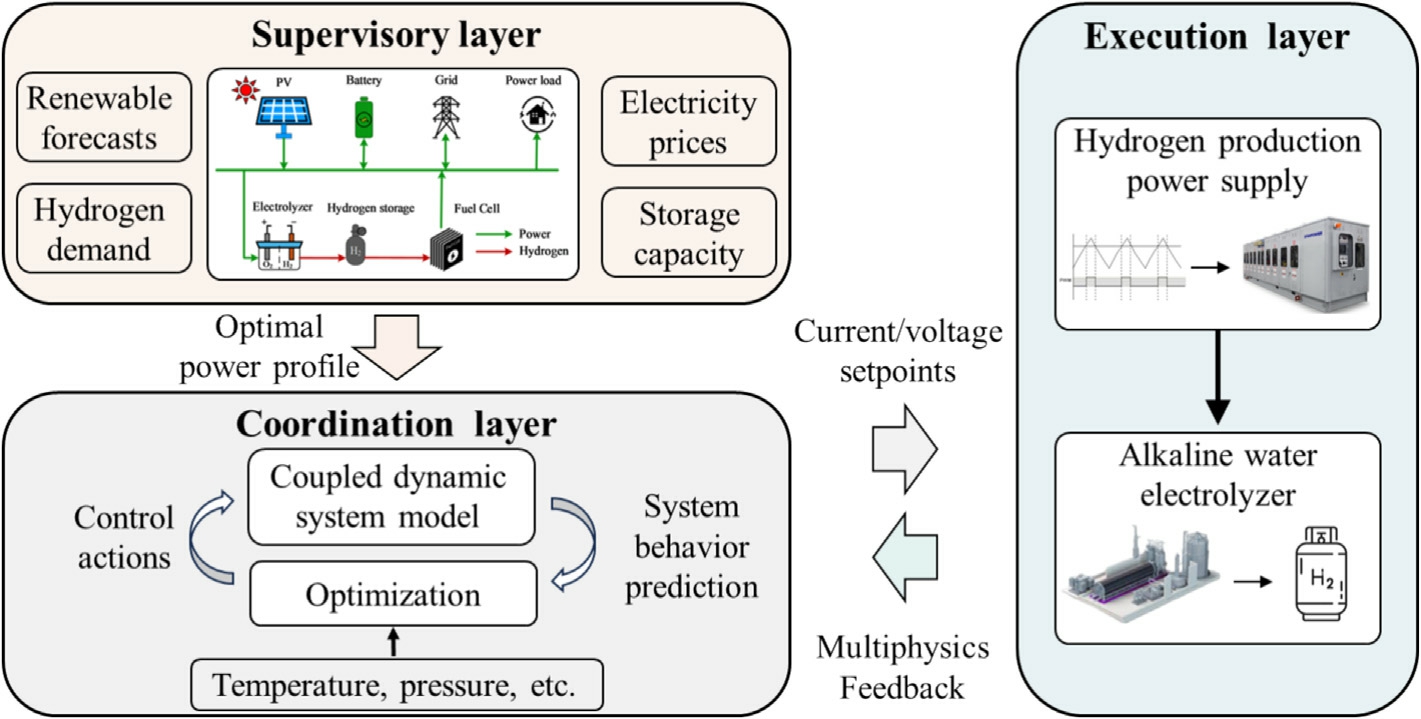
Fig. 13. Hierarchical framework for coordinated control of an electrolyzer system.
Under variable-load conditions, the control objective for the hydrogen production power supply is to achieve optimal matching between the power supply regulation speed and the electrolyzer’s response capability, thereby reducing energy losses and the risk of equipment damage.The optimization control objective function can be defined as minimizing the discrepancy between changes in power supply output power and variations in electrolyzer demand. When the load increases, the hydrogen production power supply should rapidly increase its output power to meet the electrolyzer’s increased energy requirements.This necessitates excellent dynamic response performance from the power supply, enabling it to adjust output power within a short timeframe and ensure the electrolyzer receives timely and adequate energy input to maintain a stable hydrogen production rate. For example, in energy storage systems, when a rapid increase in hydrogen production is needed to store surplus electricity, the swift response of the hydrogen production power supply allows the electrolyzer to efficiently convert electrical energy into hydrogen, enhancing the efficiency of energy storage.Moreover, good coordination between the power supply and the electrolyzer can prevent a decline in the hydrogen production rate due to insufficient energy input, thereby meeting the system’s demands for varying hydrogen output. When the load decreases, the hydrogen production power supply must smoothly reduce its output power to prevent energy wastage and adverse effects on the electrolyzer. Rational power adjustment ensures a gradual decrease in the reaction rate within the electrolyzer, avoiding issues such as reduced hydrogen quality and compromised electrolyzer stability caused by excessively rapid power drops.Precise control over changes in power supply output power can enhance the efficiency and reliability of the entire hydrogen production system under variableload conditions, achieving efficient energy utilization.
Under emergency conditions, the primary objective for the hydrogen production power supply is to ensure system safety. The control objective function can be defined as minimizing the response time when a hazardous situation occurs and maximizing the efficiency of energy dissipation.Upon detecting an abnormal situation in the electrolyzer,the hydrogen production power supply should react swiftly to rapidly shut down the power output. This action prevents excessive electrical energy from entering the electrolyzer, thereby averting more severe incidents such as explosions or fires. For instance, in an emergency, timely disconnection of the power supply can protect the electrolyzer and other equipment from damage, reducing the risk of casualties and property loss. It also provides a safe environment for subsequent troubleshooting and repair.Furthermore, activating energy dissipation channels is a crucial measure under emergency conditions. After the power output is cut off, surplus energy may still exist within the system. By opening energy dissipation pathways, this excess energy can be safely released, mitigating system risks. For example, utilizing resistors or other devices to convert surplus energy into heat for dissipation ensures that the system can be safely shut down during an emergency. This helps protect the electrolyzer and other critical equipment, lessens the impact of faults on the system, and facilitates conditions for rapid system recovery.
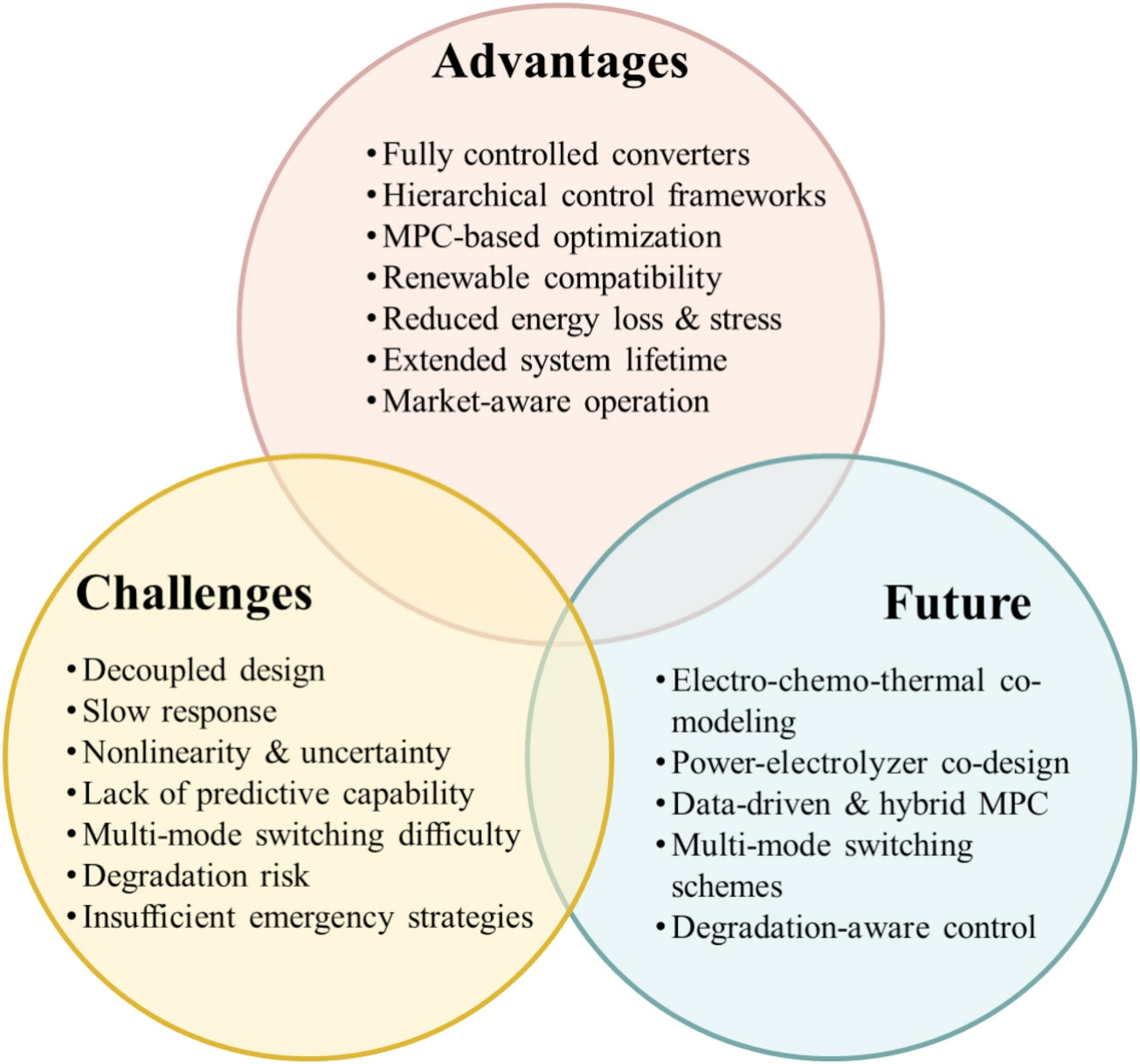
Fig. 14. Perspective on advanced control in hydrogen production: challenges, advantages, and future directions.
In summary, by clearly defining the control objectives for the hydrogen production power supply under various operating conditions of the electrolyzer and by fostering synergistic interaction with the electrolyzer, the operational demands of the electrolyzer across multiple scenarios can be met. This provides an important direction and basis for the subsequent design, formulation, and optimization of control strategies. Advanced control strategies, such as feedback control and model predictive control, can then be developed with specific targets to achieve precise regulation of the hydrogen production power supply. To better summarize the insights from this review, Fig. 14 highlights the key challenges, benefits of advanced control, and future research directions in the transition toward advanced hydrogen production systems.
3 Conc lusions
In conclusion, this paper systematically reviews the core components and control strategies of alkaline water electrolysis hydrogen production systems, with a focus on the electrolyzer and hydrogen production power supply,as well as their coupling characteristics. Alkaline electrolysis hydrogen production systems, as the most mature electrolysis technology for large-scale green hydrogen applications, are strongly influenced by multiple factors such as operating voltage, current density, stack pressure,feedwater flow, and temperature. Unlike inherently more responsive technologies like PEM, the central control challenge for alkal ine electrolysis is to overcome its slower thermal and electrochemical dynamics, making advanced,predictive control essential for safe and efficient integration with volatile renewable energy sources. Control strategies including PID, optimal, predictive, and learning-based methods have been developed, and fullycontrolled rectifiers are increasingly adopted for their fast response and flexible regulation capabilities.
Despite these advances, several pressing challenges remain in current research, for which this pap er proposes the following directions for future development:
●Lack of integrated coordination between electrolyzer and power supply often leads to isolated responses under dynamic conditions. This disjoin ted regulation leads to mismatched dynamic responses and inefficient energy utilization under fluctuating operating conditions. To address this, future research should develop integrated control frameworks that incorporate t he coupled dynamics of electricity and hydrogen production, enabling realtime optimization across the entire system.
●Traditional control methods struggle to adapt to system model changes, external disturbances, and parameter fluctuations under complex, variable conditions, and lack predictive capability to optimize current control based on anticipated operating states. As a result, they fail to provide timely parameter adjustments, reducing system robustness and limiting responsiveness under renewable energy fluctuations. This necessitates research into more advanced and effective control algorithms. From the perspective of electro-hydrogen coupled control, future work should focus on style="font-size: 1em; text-align: justify; text-indent: 2em; line-height: 1.8em; margin: 0.5em 0em;">●Existing strategies offer limited support for seamless control mode switching across diverse operating conditions such as steady-state, variable load, and emergency scenarios. This limits the system’s ability to maintain stability, safety, and performance under rapidly changing conditions. Therefore, future control architectures should incorporate multi-mode switching mechanisms to ensure smooth transitions and sustained operational efficiency.
In summary, the advancement of alkaline water electrolysis hydrogen production technology requires integrated, predictive, and adaptive control strategies that align sub system behavior under dynamic and uncertain environments, ensuring safe, efficient, and robust operation.
CRediT authorship contribution statement
Zihang Dong: Writing – review & editing, Writing –original draft, Methodology, Conceptualization. Xiaojun Shen: Writing – review & editing, Supervision, Methodology, Conceptualization. Li Wei: Supervision, Project administration.Alfredo Iranzo:Writing–review&editing,Validation. Jose I. Leon: Supervision, Project administration.
Declaration of competing interest
The authors declare the following financial interests/personal relationships which may be considered as potential competing interests: Xiaojun Shen reports financial support was provided by Natural Science Foundation of Shanghai. If there are other authors, they declare that they have no known competing financial interests or personal relationships that could have appeared to influence the work reported in this paper.
Acknowledgments
This work was supported by Natural Science Foundation of Shanghai, under the Shanghai Action Plan for Science, Technology and Innovation (22ZR1464800).
References
[1]John Benny, Renewable energy growth sets new record in 2023 but more needed to hit 2030 target, The National News, March 27, 2024, https://www.thenationalnews.com/business/energy/.
[2]IEA (2023), Tracking Clean Energy Progress 2023, IEA, Paris https://www.iea.org/reports/tracking-clean-energy-progress-2023,Licence: CC BY 4.0.
[3]China’s First 10,000-ton Photovoltaic Green Hydrogen Pilot Project Now Fully Built and Put into Production.August 1,2023,http://www.sinopecgroup.com/group/en/000/000/062/62515.shtml.
[4]H. Nazir, C. Louis, S. Jose, J. Prakash, N. Muthuswamy, M.E.Buan, C. Flox, S. Chavan, X. Shi, P. Kauranen,T.Kallio,et al.,Is the H2 economy realizable in the foreseeable future? Part I: H2 production methods, Int. J. Hydr. Energy 45 (27) (2020) 13777–13788.
[5]H. Nazir, N. Muthuswamy, C. Louis, S. Jose, J. Prakash, M.E.Buan, C. Flox, S. Chavan, X. Shi, P. Kauranen,T.Kallio,et al.,Is the H2 economy realizable in the foreseeable future? Part II: H2 storage, transportation, and distribution, Int. J. Hydr. Energy 45(41) (2020) 20693–20708.
[6]H. Nazir, N. Muthuswamy, C. Louis, S. Jose, J. Prakash, M.E.Buan, C. Flox, S. Chavan, X. Shi, P. Kauranen,T.Kallio,et al.,Is the H2 economy realizable in the foreseeable future? Part III: H2 usage technologies, applications, and challenges and opportunities, Int. J. Hydr. Energy 45 (53) (2020) 28217–28239.
[7]J. Yang, T.Y. Lam, Z. Luo, Q. Cheng, G. Wang, H. Yao,Renewable energy driven electrolysis of water for hydrogen production, storage, and transportation, Renew. Sustain. Energy Rev. 218 (2025) 115804.
[8]S. Anwar, F. Khan, Y. Zhang, A. Djire, Recent development in electrocatalysts for hydrogen production through water electrolysis, Int. J. Hydrogen Energy 46(63) (2021) 32284–32317.
[9]L. Liu, R. Zhai, Hu. Yangdi, Performance evaluation of windsolar-hydrogen system for renewable energy generation and green hydrogen generation and storage: Energy, exergy, economic, and enviroeconomic, Energy 276 (2023) 127386.
[10]H.H. Cho, V. Strezov, T.J. Evans, A review on global warming potential, challenges and opportunities of renewable hydrogen production technologies, Sustain. Mater. Technol. 35 (2023)e00567.
[11]Z. Yu, G. D’Olimpio, H. Huang, C.N. Kuo,C.S.Lue,G.Nicotra,F. Lin, D.W. Boukhvalov, A. Politano, L. Liu, Self-powered hydrogen production from seawater enabled by trifunctional exfoliated PtTe nanosheet catalysts, Adv. Funct. Mater. 34 (39)(2024) 2403099.
[12]Z. Yu, L. Liu, Recent advances in hybrid seawater electrolysis for hydrogen production, Adv. Mater. 36 (13) (2024) 2308647.
[13]Q. Sun, Wu. Zhi, Gu. Wei, P. Liu, J. Wang, Lu. Yuping, S.u.Zheng, J. Zhao, Multi-stage co-planning model for power distribution system and hydrogen energy system under uncertainties, J. Mod Power Syst. Clean Energy 11 (1) (2022)80–93.
[14]S. Krishnan, V. Koning, M.T. de Groot, A. de Groot, P.G.Mendoza, M. Junginger, G.J. Kramer, Present and future cost of alkaline and PEM electrolyser stacks, Int. J.Hydrogen Energy 48(83) (2023) 32313–32330.
[15]M. Dreoni, F. Balduzzi, F.M. Ferro, K. Panichi, E. Ponticorvo,G. Ferrara, A. Bianchini, Towards a comprehensive,high-fidelity,multi-physics simulation framework for alkaline water electrolyzers, Int. J. Hydrogen Energy 111 (2025) 238–250.
[16]X. Qiu, H. Zhang, Y. Qiu, Y. Zhou, T. Zang, B. Zhou, R. Qi, J.Lin, J. Wang, Dynamic parameter estimation of the alkaline electrolysis system combining Bayesian inference and adaptive polynomial surrogate models, Appl. Energy 348 (2023) 121533.
[17]M. David, C. Ocampo-Martı´nez, R. Sa´ nchez-Pen˜a, Advances in alkaline water electrolyzers: a review, J. Storage Mater. 23(2019)392–403.
[18]S.W. Sharshir, A. Joseph, M.M. Elsayad, A.A. Tareemi, A.W.Kandeal, M.R. Elkadeem, A review of recent advances in alkaline electrolyzer for green hydrogen production: Performance improvement and applications, Int. J. Hydrogen Energy (2023).
[19]S. Krishnan, V. Koning, M.T. de Groot, A. de Groot, P.G.Mendoza, M. Junginger, G.J. Kramer, Present and future cost of alkaline and PEM electrolyser stacks, Int. J.Hydrogen Energy 48(83) (2023) 32313–32330.
[20]S. Coelho, V. Monteiro, J.L. Afonso, Topological advances in isolated DC-DC converters: high-efficiency design for renewable energy integration, Sustainability 17 (6) (2025) 2336.
[21]M.B. El Kattel, P.P. Prac¸a, R. Mayer, L. Berrehil, C.D.C. el Kattel, R.P.T. Bascope, F.L.M. Antunes, B. de Jesus Cardoso Filho, Overview of main electrolyzer technologies and power electronic converter topologies for enabling hydrogen production through water electrolysis, Int. J. Circuit Theory Appl. 53 (6)(2025) 3684–3718.
[22]R.A. Ufa, A.S. Vasilev, A.L. Gusev, A.V. Pankratov, Y.Y.Malkova, A.S. Gusev, Analysis of the influence of the currentvoltage characteristics of the voltage rectifiers on the static characteristics of hydrogen electrolyzer load, Int. J. Hydrogen Energy 46 (68) (2021) 33670–33678.
[23]B. Yodwong, D. Guilbert, M. Phattanas ak, W. Kaewmanee, M.Hinaje, G. Vitale, AC-DC converters for electrolyzer applications:state of the art and future challenges,Electronics 9(6)(2020)912.
[24]L. Wan, Z. Xu, Q. Xu, M. Pang, D. Lin, J. Liu, B. Wang, Key components and design strategy of the membrane electrode assembly for alkaline water electrolysis, Energ. Environ. Sci. 16(4) (2023) 1384–1430.
[25]M. Chatenet, B.G. Pollet, D.R. Dekel, F. Dionigi, J. Deseure, P.Millet, R.D. Braatz, et al., Water electrolysis: from textbook knowledge to the latest scientific strategies and industrial developments, Chem. Soc. Rev. 51 (11) (2022) 4583–4762.
[26]L.e. Bideau, P.M. Damien, M. Benbouzid, M. Kim, M. Sellier,Review of necessary thermophysical properties and their sensivities with temperature and electrolyte mass fractions for alkaline water electrolysis multiphysics modelling, Int. J.Hydrogen Energy 44 (10) (2019) 4553–4569.
[27]A. Buttler, H. Spliethoff, Current status of water electrolysis for energy storage, grid balancing and sector coupling via power-togas and power-to-liquids: a review, Renew. Sustain. Energy Rev.82 (2018) 2440–2454.
[28]J. Brauns, T. Turek, Alkaline water electrolysis powered by renewable energy: a review, Processes 8 (2) (2020) 248.
[29]J.S. Clean Hydrogen, 2023. Key Performance Indicators ( KPIs).https://www.clean-hydrogen.europa.eu/knowledge-management/strategy-map-and-key-performance-indicators/clean-hydrogenju-sria-key-performance-indicators-kpis_en.
[30] M. Rahimi-Esbo, M. Rezaei Firouzjae e, H. Bagherian Farahabadi, E. Alizadeh, Performance investigation of a standalone renewable energy system using response surface methodology (RSM): 4E analysis and multi-objective optimization, Energ. Conver. Manage. 299 (2024) 117752.
[31]N. Cooper, C. Horend, F. Ro¨ben, A. Bardow, N. Shah, A framework for the design & operation of a large-scale windpowered hydrogen electrolyzer hub[J], Int. J.Hydrogen Energy 47(2022) 8671–8686.
[32]A. Kakavand, S. Sayadi, G. Tsatsaronis, A. Behbahaninia,Techno-economic assessment of green hydrogen and ammonia production from wind and solar energy in Iran[J], Int. J.Hydrogen Energy 44 (2019) 25104–25111.
[33]K. Kumar, M. Alam, V. Dutta, Energy management strategy for integration of fuel cell-electrolyzer technologies in microgrid[J],Int. J. Hydrogen Energy 46 (2021) 33738–33755.
[34]S. Muhammad-Bashir, M. Al-Oufi, M. Al-Hakami, M.A.Nadeem, K. Mudiyanselage, H. Idriss, Comparison between the performance of high concentrated and nonconcentrated PV-cells for hydrogen production using PEM water electrolyzers[J], Sol.Energy 205 (2020) 461–464.
[35]C. Schnuelle, T. Wassermann, D. Fuhrlaender, E. Zondervan,Dynamic hydrogen production from PV & wind direct electricity supply: modeling and techno-economic assessment[J ], Int. J.Hydrogen Energy 45 (2020) 29938–29952.
[36]M. Bernt, J. Schro¨ter, M. Mo¨ckl, H.A.Gasteiger,Analysis of gas permeation phenomena in a PEM water electrolyzer operated at high pressure and high current density, J. Electrochem. Soc. 167(12) (2020) 124502.
[37]D. Zhao, Q. He, Yu. Jie, M. Guo, Fu. Jun,X.i.Li,M.Ni,A datadriven digital-twin model and control of high temperature proton exchange membrane electrolyzer cells, Int. J.Hydrogen Energy 47(14) (2022) 8687–8699.
[38]G. Sakas, A. Iba´n˜ez-Rioja, S. Po¨yho¨nen, L. Ja¨rvinen, A.Kosonen, V. Ruuskanen, P. Kauranen, J. Ahola, Sensitivity analysis of the process conditions affecting the shunt currents and the SEC in an industrial-scale alkaline water electrolyzer plant,Appl. Energy 359 (2024) 122732.
[39]E. Afshari, S. Khodabakhsh, N. Jahantigh, S. Toghyani,Performance assessment of gas crossover phenomenon and water transport mechanism in high pressure PEM electrolyzer,Int. J. Hydrogen Energy 46 (19) (2021) 11029–11040.
[40]A. Tao, X. Jia, L. Zhang, S. Hu, Power fluctuation adaptive control strategy of alkaline water electrolyzer based on renewable energy, J. Renewable Sustainable Energy 17 (3) (2025).
[41]A. Weiß, A. Siebel, T.-H. Maximilian Bernt, V.T. Shen, H.A.Gasteiger, Impact of intermittent operation on lifetime and performance of a PEM water electrolyzer, J. Electrochem. Soc.166 (8) (2019) F487–F497.
[42]S.H. Frensch, F. Fouda-Onana, G. Serre, D. Thoby, S.S. Araya,S.K. Kær, Influence of the operation mode on PEM water electrolysis degradation, Int. J. Hydr. Energy 44 (57) (2019)29889–29898.
[43]V. Ruuskanen, J. Koponen, A. Kosonen, M. Niemela¨, J. Ahola,A. Ha¨ma¨la¨inen, Power quality and reactive power of water electrolyzers supplied with thyristor converters, J. Power Sources 459 (2020) 228075.
[44]D. Guilbert, G. Vitale, Improved hydrogen-production-based power management control of a wind turbine conversion system coupled with multistack proton exchange membrane electrolyzers,Energies 13 (5) (2020) 1239.
[45]T. Hai, M.A. Ali, F.M. Zeki, B.S.Chauhan,A.S.M.Metwally,M.Ullah, Optimal design of inter-state hydrogen fuel cell vehicle fueling station with on-site hydrogen production,Int.J.Hydrogen Energy 52 (2024) 733–745.
[46]P. Trinke, B. Bensmann, R. Hanke-Rauschenbach, Current density effect on hydrogen permeation in PEM water electrolyzers, Int. J. Hydrogen Energy 42 (21) (2017) 14355–14366.
[47]T. Zhang, L. Song, F. Yang, M. Ouyang, Research on oxygen purity based on industrial scale alkaline water electrolysis system with 50Nm3 H2/h, Appl. Energy 360 (2024) 122852.
[48]M. Sartory, E. Wallno¨fer-Ogris, P. Salman, T.Fellinger,M.Justl,A. Trattner, M. Klell, Theoretical and experimental analysis of an asymmetric high pressure PEM water electrolyser up to 155 bar,Int. J. Hydrogen Energy 42 (52) (2017) 30493–30508.
[49]S. Toghyani, S. Fakhradini, E. Afshari, E. Baniasadi, M.Y.A.Jamalabadi, M.S. Shadloo, Optimization of operating parameters of a polymer exchange membrane electrolyzer, Int. J. Hydrogen Energy 44 (13) (2019) 6403–6414.
[50]A.C. Hoppe, C. Minke, Reducing environmental impacts of water electrolysis systems by reuse and recycling: life cycle assessment of a 5 MW alkaline water electrolysis plant, Energies 18 (4) (2025)796.
[51]F. Aubras, J. Deseure, J.J. Kadjo, I. Dedigama, J. Majasan, B.Grondin-Perez, J.P. Chabriat, D.J.L. Brett, Two-dimensional model of low-pressure PEM electrolys er: two-phase flow regime,electrochemical modelling and experimental validation, Int. J.Hydrogen Energy 42 (42) (2017) 26203–26216.
[52]J.C. Garcia-Navarro, M. Schulze, K.A. Friedrich, Detecting and modeling oxygen bubble evolution and detachment in proton exchange membrane water electrolyzers, Int. J. Hydrogen Energy 44 (50) (2019) 27190–27203.
[53]G.S. Ogumerem, E.N. Pistikopoulos, Dynamic modeling and explicit control of a PEM water electrolysis process, Smart Sustain. Manuf. Syst. 2 (2) (2018) 25–43.
[54]C. Zhang, Y. He, L. Chen, S. Shi, Proton exchange membrane water electrolysis system control method, in: PEM Water Electrolysis, Elsevier, 2025, pp. 347–364.
[55]G. Varras, M. Chalaris, Critical review of hydrogen production via seawater electrolysis and desalination: evaluating current practices, J. Electrochem. Energy Convers. Storage 21 (4) (2024)044001.
[56]M. Espinosa-Lo´pez, C. Darras, P. Poggi, R. Glises, P. Baucour,A. Rakotondrainibe, S. Besse, P. Serre-Combe, Modelling and experimental validation of a 46 kW PEM high pressure water electrolyzer, Renew. Energy 119 (2018) 160–173.
[57]A. Chambers, M. Li, G. Farivar, D. Creedon, M.J. Brear, An electrolysis research platform with optical access at elevated temperatures and pressures, Int. J. Hydrogen Energy 127 (2025)107–115.
[58]Q.i. Feng, G. Liu, B. Wei, Z. Zhang, H.Li,H.Wang,A review of proton exchange membrane water electrolysis on degradation mechanisms and mitigation strategies, J. Power Sources 366(2017) 33–55.
[59]A. Tabanjat, M. Becherif, M. Emziane, D.Hissel,H.S.Ramadan,B. Mahmah, Fuzzy logic-based water heating control methodology for the efficiency enhancement of hybrid PV-PEM electrolyser systems, Int. J. Hydrogen Energy 40 (5) (2015) 2149–2161.
[60]R. Qi, J. Li, J. Lin, Y. Song, J. Wang,Q.Cui,Y.Qiu,M.Tang,J.Wang, Design of the PID temperature controller for an alkaline electrolysis system with time delays, Int. J. Hydrogen Energy 48(50) (2023) 19008–19021.
[61]R. Qi, J. Li, J. Lin, Y. Song, J. Wang,Q.Cui,Y.Qiu,M.Tang,J.Wang, Thermal modeling and controller design of an alkaline electrolysis system under dynamic operating conditions, Appl.Energy 332 (2023) 120551.
[62]Y.C. Jiang, S.M. Dong, Z. Liang, X.L. Wang, L. Shi, B. Yan, T.Zhao, Holistic dynamic modeling and simulation of alkaline water electrolysis systems based on heat current method, Energies 17(23) (2024) 6202.
[63]M. Zhang, L. Gao, L. Yang, G. Shan, Y.Wang,X.Huo,W.Li,J.Zhang, Temperature distribution evolution in zero-gap alkaline water electrolyzer: experimental and modeling, Fuel 367 (2024)131418.
[64]G.A. de Andrade, P.RC. Mendes, J.G. Garcı ´a-Clu´a, J.E.Normey-Rico, Control of a grid assisted PV-H2 production system: a comparative study between optimal control and hybrid MPC, J. Process Control 92 (2020) 220–233.
[65]M. Niu, X. Li, C. Sun, X. Xiu, Y. Wang, M. Hu, H. Dong,Operation optimization of wind/batt ery storage/alkaline electrolyzer system considering dynamic hydrogen production efficiency, Energies 16 (17) (2023) 6132.
[66]C. Huang, Y.i. Zong, S. You, C. Træholt, Analytical modeling and control of grid-scale alkaline electrolyzer plant for frequency support in wind-dominated electricity-hydro gen systems, IEEE Trans. Sustain. Energy 14 (1) (2022) 217–232.
[67]M. Maluenda, S. Co´rdova, A´. Lorca, M. Negrete-Pincetic,Optimal operation scheduling of a PV-BESS-Electrolyzer system for hydrogen production and frequency regulation,Appl. Energy 344 (2023) 121243.
[68]M. Alshehri, J. Yang, Voltage optimization in active distribution networks—utilizing analytical and computational approaches in high renewable energy penetration environment s, Energies 17 (5)(2024) 1216.
[69]B. Flamm, C. Peter, F.N. Bu¨ chi, J. Lygeros, Electrolyzer modeling and real-time control for optimized production of hydrogen gas, Appl. Energy 281 (2021) 116031.
[70]M. David, F. Bianchi, C. Ocampo-Martinez, R. Sa´nchez-Pen˜a,Model-based control design for H2 purity regulation in highpressure alkaline electrolyzers, J. Franklin Inst. 358 (8) (2021)4373–4392.
[71]J. Koponen, A. Kosonen, V. Ruuskane n, K. Huoman, M.Niemela¨, J. Ahola, Control and energy efficiency of PEM water electrolyzers in renewable energy systems, Int. J. Hydrogen Energy 42 (50) (2017) 29648–29660.
[72]R. Fang, Y. Liang, Control strategy of electrolyzer in a windhydrogen system considering the constraints of switching times,Int. J. Hydrogen Energy 44 (46) (2019) 25104–25111.
[73]Y. Zhao, Z. Zhu, S. Tang, Y. Guo, H. Sun, Electrolyzer array alternate control strategy considering wind power prediction,Energy Rep. 8 (2022) 223–232.
[74]H. He, Y. Xia, L. Li, Q. Feng, W. Wei, Adaptive power coordination control for electrolysis hydrogen directly driven by wind turbines, IEEE Trans. Power Electron. (2024).
[75]B. Yang, Z. Zhang, S. Su, J. Li, J. Wang, R. Zhang, H. Shu, Y.Ren, L. Jiang, Y. Sang, Optimal scheduling of wind-photovoltaichydrogen system with alkaline and proton exchange membrane electrolyzer, J. Power Sources 614 (2024) 235010.
[76]P. Molina, C. Rios, C. Martinez de Leon, J.J. Brey, Heat management system design and implementation in a PEM water electrolyser, Int. J. Hydrogen Energy (2024).
[77]R. Mas, D. Pichilingue, A. Berastain, C.Celis,On the application of sliding mode control to indirectly coupled photovoltaicelectrolyzer systems used in the production of Clean Energy,Int. J. Thermofluids 23 (2024) 100747.
[78]R.R. Makineni, A.P. Agalgaonkar, K.M. Muttaqi, M.R. Islam,D. Sutanto, Integral sliding mode control of a stacked interleaved buck converter for electrolyzers supplied with renewable energy sources, IEEE Trans. Industry Appl. (2024).
[79]A. Baraean, M. Kassas, M.S. Alam, M.A. Abido, Physicsinformed NN-based adaptive backstepping terminal sliding mode control of buck converter for PEM electrolyzer, Heliyon 10 (7) (2024).
[80]Z. Zhong, Y. Ding, Y. Chen, P. Liao, Q. Chen, Improving commercial-scale alkaline water electrolys is systems for fluctuating renewable energy: unsteady-s tate thermodynamic analysis and optimization, Appl. Energy 395 (2025) 126183.
[81]Y. Huang, S. Li, P. Zhang, D. Wang, J.Lan,K.Y.Lee,Q.Zhang,Parameter adaptive stochastic model predictive control for windsolar-hydrogen coupled power system, Renew. Energy 237(2024)121355.
[82]J. Hu, P. Yan, G. Tan, A two-layer optimal scheduling method for microgrids based on adaptive stochastic model predictive control, Meas. Sci. Technol. 36 (2) (2025) 026208.
[83]V. Khaligh, A. Ghezelbash, M. Zarei, J. Liu, W. Won, Efficient integration of alkaline water electrolyzer-a model predictive control approach for a sustainable low-carbon district heating system, Energ. Conver. Manage. 292 (2023) 117404.
[84]Y. Qiu, H. Zhang, Y.i. Zhou, T. Zang, B. Zhou, G. Chen,Nonlinear model predictive control of alkaline electrolyzers to provide ancillary services, in: 2024 IEEE 7th International Electrical and Energy Conference(CIEEC), 2024, pp.2819–2824.
[85]Y. Al-Sagheer, R. Steinberger-Wilckens, Novel control approach for integrating water electrolyzers to renewable energy sources,Fuel Cells 22 (6) (2022) 290–300.
[86]Z. Zhu, S. Chen, X. Kong, L. Ma, X.Liu,K.Y.Lee,A centralized EMPC scheme for PV-powered alkaline electrolyzer, Renew.Energy 229 (2024) 120688.
[87]Z. Han, X. Yao, S. Yuan, H. Dong, S.Ma,Y.Dong,Research on control strategy of photovoltaic hydrogen generation system based on Fuzzy PI control, Energy Rep. 9 (2023) 4187–4194.
[88]A. Tabanjat, M. Becherif, M. Emziane, D.Hissel,H.S.Ramadan,B. Mahmah, Fuzzy logic-based water heating control methodology for the efficiency enhancement of hybrid PV-PEM electrolyser systems, Int. J. Hydr. Energy 40(5)(2015)2149–2161.
[89]H.C. Yu, Q.A. Wang, S.J. Li, Fuzzy logic control with long shortterm memory neural network for hydrogen production thermal control system, Appl. Sci. 14 (19) (2024) 8899.
[90]A. Salari, H. Shakibi, A. Habibi, A.Hakkaki-Fard,Optimization of a solar-based PEM methanol/water electrolyzer using machine learning and animal-inspired algorithms, Energ.Conver.Manage.283 (2023) 116876.
[91]L.I.U. Jianshu, J.I.A.N.G. Yuewen, Joint optimal operation of multi wind-hydrogen system based on multi-agent reinforcement learning, Modern Electric Power 39 (4) (2022) 431–440.
[92]T. Shi, C. Xu, W. Dong, H. Zhou, A. Bokhari, J.J. Klemesˇ, N.Han, Research on energy management of hydrogen electric coupling system based on deep reinforcement learning, Energy 282 (2023) 128174.
[93]T. Liang, L. Chai, X. Cao, J. Tan, Y. Jing, L. Lv, Real-time optimization of large-scale hydrogen production systems using off-grid renewable energy: scheduling strategy based on deep reinforcement learning, Renew. Energy 224 (2024) 120177.
[94]Klaus Scheffer, Hagen Hertsch, H2FUTURE Green Hydrogen,Specifications of Pilot Test 1 / Use Case 1, https://ec.europa.eu/research/participants/documents/downloadPublic?documentIds=080166e5b35e56c7&appId=PPGMS.
[95]REFHYNE Clean Refinery Hydrogen for Europe. https://www.clean-hydrogen.europa.eu/projects-dashboard/projectsrepository/refhyne_en.
[96]Air Liquide inaugurates the world’s largest low-carbon hydrogen membrane-based production unit in Canada. January 26, 2021,https://www.airliquide.com/.
[97]W. Yang, X. Xing, X. Sun, S. Wang, Design of h igh-power converter for hydrogen production, in: The proceeding s of the 16th Annual Conference of China Electrotechnical So ciety:Volume I I, Springer Nature Singapore, Singapore, 202 2, pp.824–833.
[98]P.B. Patel, S.R. Vyas, Improving DC power supply performance:insights into Cuk and modified Cuk converters’ stability and power factor, Eng. Res. Express 6 (4) (2024) 045334.
[99]J. Ma, Y. Deng, H. Xu, Y. Zhao, Oscillation stability control based on equipment-level and farm-level cooperative optimization for power system connected with direct-drive PMSG-based wind farms, J. Mod Power Syst. Clean Energy (2025).
[100]X. Xie, S. Wang, H. Liu, Q. Zhao, Hydrogen production equipment-based supplementary damping control to mitigate subsynchronous oscillation in wind power systems, IET Renew.Power Gener. 13 (14) (2019) 2715–2722.
[101]Z. Kang, Y. Ma, F. Duan, B. Li, H. Zhang, Research on the dynamic energy conversion and transmission model of renewable energy DC off-grid hydrogen system, Int. J.Electr.Power Energy Syst. 161 (2024) 110221.
[102]S.S.H. Rafin, R. Ahmed, M.A. Haque, M.K. Hossain, M.A.Haque, O.A. Mohammed, Power electronic s revolutionized: a comprehensive analysis of emerging wide and ultrawide bandgap devices, Micromachines 14 (11) (2023) 2045.
[103]J. Solanki, N. Fro¨hleke, J. Bo¨ cker, A. Averberg, P. Wallmeier,High-current variable-voltage rectifiers: state of the art topologies,IET Power Electron. 8 (6) (2015) 1068–1080.
[104]Z. Han, S. Yuan, J. Wang, Y. Dong,L.Gao,Y.Yang,Modeling and control of photovoltaic hydrogen production system adapting to power fluctuations, in: 2021 IEEE 5th Conference on Energy Internet and Energy System Integration (EI2), IEEE, 2021, pp.2835–2840.
[105]Z. Dobo´, A´.B. Palota´s, Impact of the current fluctuation on the efficiency of Alkaline Water Electrolysis, Int.J.Hydrogen Energy 42 (9) (2017) 5649–5656.
[106]L. Sun, J. Jia, Q. Wang, Y. Zhang, A novel multiphase DC/DC boost converter for interaction of solar energy and hydrogen fuel cell in hybrid electric vehicles, Renew. Energy 229 (2024) 120779.
[107]V. Guida, D. Guilbert, G. Vitale, B. Douine, Design and realization of a stacked interleaved DC-DC step-down converter for PEM water electrolysis with improved current control, Fuel Cells 20 (3) (2020) 307–315.
[108]C. Huang, Y. Tan, X. Meng, Research on hybrid rectifier for high power electrolytic hydrogen production based on modular multilevel converter, Energies 17 (9) (2024) 2188.
[109]N. Veerakumar, Z. Ahmad, M.E. Adabi, J.R.Torres,P.Palensky,M. van der Meijden, F. Gonzalez-Longatt, Fast active powerfrequency support methods by large scale electrolyzers for multienergy systems, in: 2020 IEEE PES Innovative Smart Grid Technologies Europe (ISGT-Europe), IEEE, 2020, pp. 151–155.
[110]T. Shi, Z. Xu, L. Gu, H. Zhou, Research on fast frequency response control strategy of hydrogen production systems,Electronics 13 (5) (2024) 956.
[111]K. Cheng, S. He, B. Hu, Power adaptive control strategy for multi-stack PEM photovoltaic hydrogen systems considering electrolysis unit efficiency and hydrogen production rate,Sustain. Energy Technol. Assess. 75 (2025) 104200.
[112]J. Lei, H. Ma, G. Qin, Z. Guo, P.Xia,C.Hao,A comprehensive review on the power supply system of hydrogen production electrolyzers for future integrated energy systems, Energies 17 (4)(2024) 935.
[113]F. Hosseinabadi, S. Chakraborty, S.K. Bhoi, G. Prochart, D.Hrvanovic, O. Hegazy, A comprehensive overview of reliability assessment strategies and testing of power electronics converters,IEEE Open J. Power Electr. (2024).
[114]L. Sun, Z. Liu, X. Guo, X. Wang, L. Wang, Multiphase stacked interleaved buck converter for hydrogen-production electrolysis with a low-voltage-stress ripple compensa tion circuit, CSEE J.Power Energy Syst (2024).
[115]M. Keddar, Z. Zhang, C. Periasamy, M.L. Doumbia, Power quality improvement for 20 MW PEM water electrolysis system,Int. J. Hydrogen Energy 47 (95) (2022) 40184–40195.
[116]Z. Wang, L. Zhou, L. Xiong, Q. Zhou, W. Huang, H. Yang, F.Gao, Y. Chen, Voltage-source control for green-hydrogen hybrid energy storage system with operational constraints and current rate limiter, IEEE Trans. Smart Grid (2025).
[117]W. Yang, X. Xing, X. Sun, S. Wang, Design of high-power converter for hydrogen production, in: The Proceedings of the 16th Annual Conference of China Electrotechnical Society:Volume II, Springer Nature Singapore, Singapore, 2022, pp.824–833.
Received 12 July 2025;revised 6 October 2025; accepted 17 October 2025
Peer review under the responsibility of Global Energy Interconnection Group Co. Ltd.
* Corresponding author.
E-mail addresses: zd23@tongji.edu.cn (Z. Dong), xjshen79@163.com(X. Shen), weili@tongji.edu.cn (L. Wei), airanzo@us.es (A. Iranzo),jileon@us.es (J.I. Leon).
https://doi.org/10.1016/j.gloei.2025.10.008
2096-5117/© 2025 Global Energy Interconnection Group Co. Ltd. Publishing services by Elsevier B.V. on behalf of KeAi Communications Co. Ltd.
This is an open access article under the CC BY-NC-ND license(http://creativecommons.org/licenses/by-nc-nd/4.0/).

Zihang Dong received B.Eng degree in EEE in 2014 from the University of Liverpool, UK. He received M.Sc. Degree and Ph.D. degree in Control Systems from Imperial College London, UK, in 2015 and 2019, respectively. He was a research associate at the EEE Department of Imperial College London. He is currently an Assistant Professor at the Department of Electrical Engineering of Tongji University. His research interests include predictive control,demand response and optimisation of energy systems operation.